
Welcome to the home of safari
Kenya
From vast savannahs to legendary wildlife, Kenya is the beating heart of Africa’s classic safari experience.
Start Exploring- Iconic Wildlife
- Great Migration
- Maasai Culture
- Diverse Landscapes
KENYA
Welcome to the home of safari
From vast savannahs to legendary wildlife, Kenya is the beating heart of Africa’s classic safari experience.
- Iconic Wildlife
- Great Migration
- Maasai Culture
- Diverse Landscapes
Masai Mara
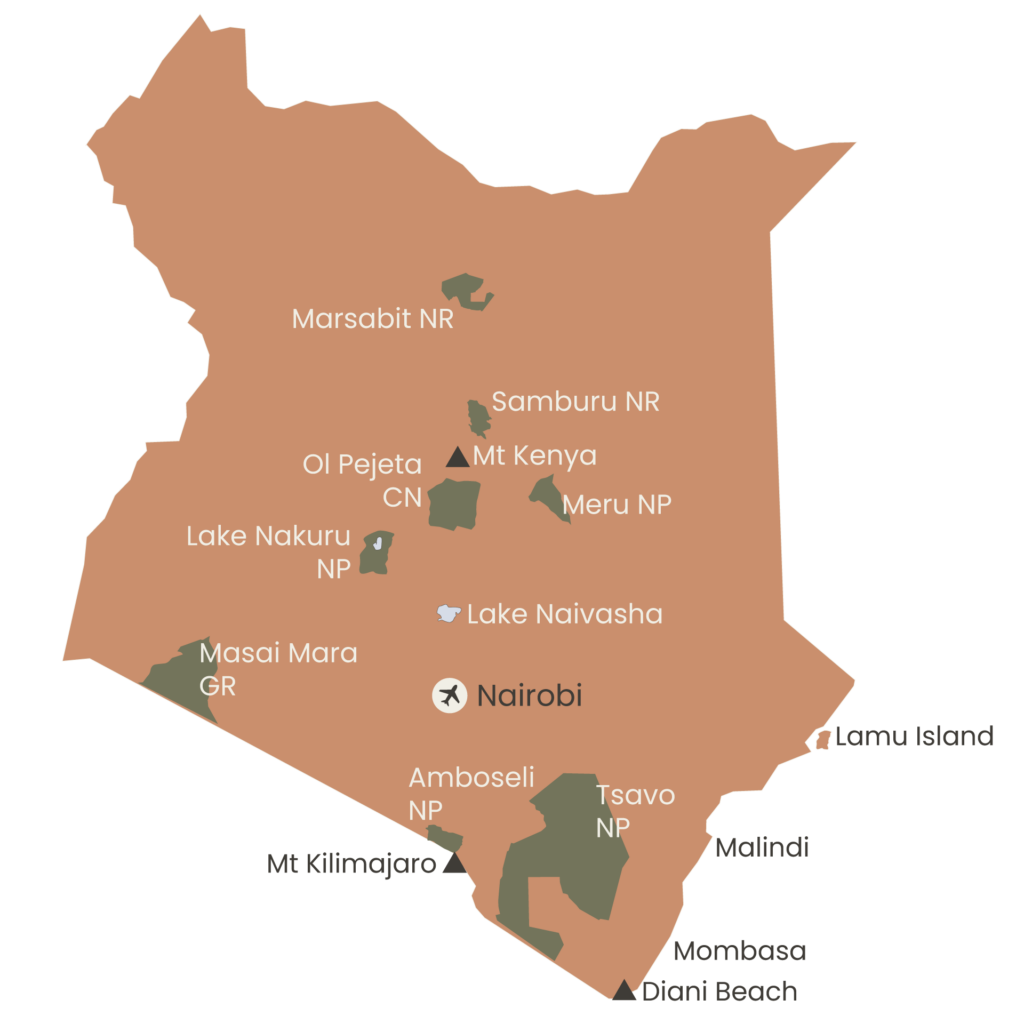
Golden plains, thundering migration herds and big cats on the prowl. The Masai Mara is Kenya's most iconic safari stage
Amboseli National Park
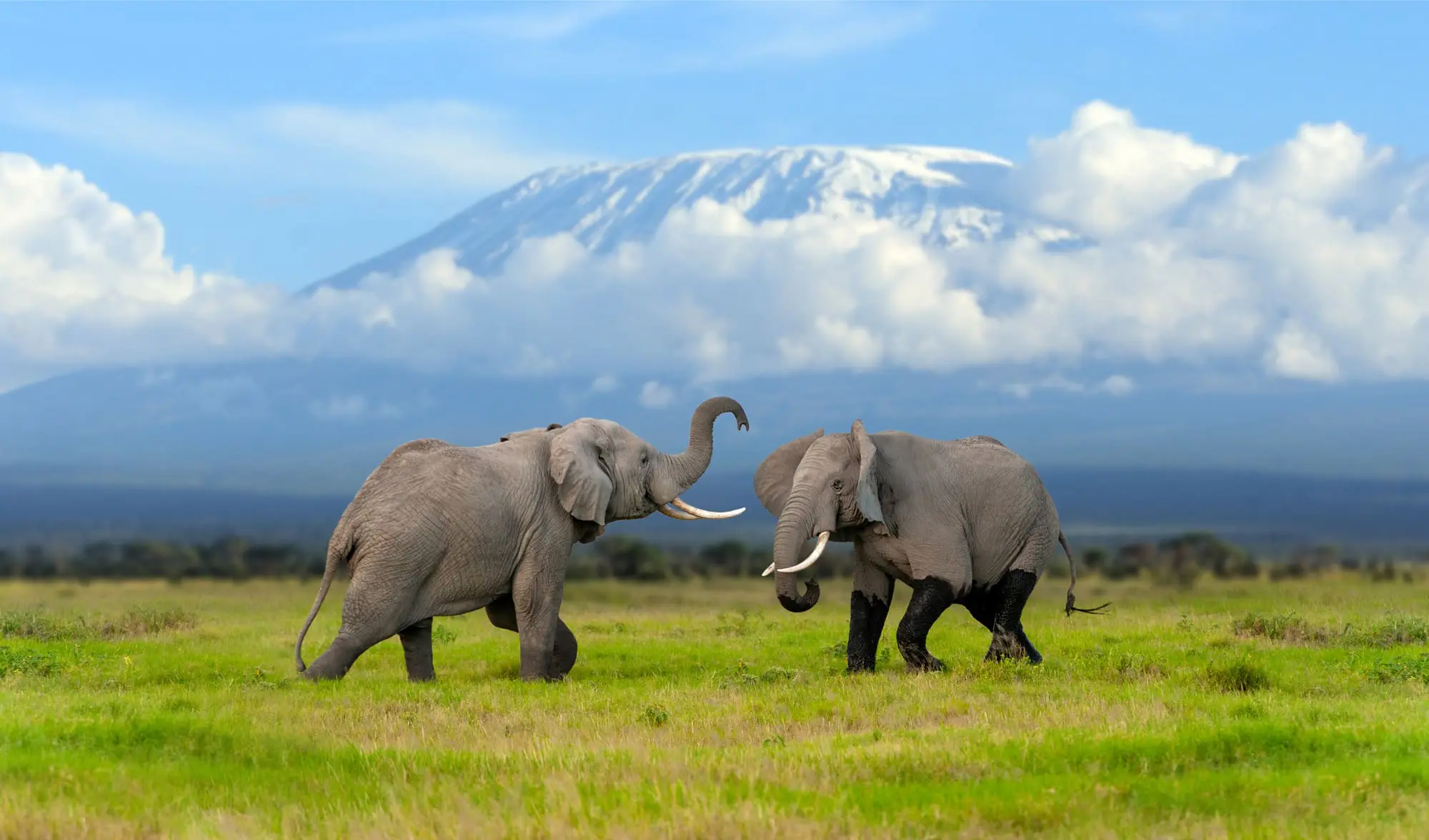
Giant-tusked elephants wander beneath snow-capped Kilimanjaro. Amboseli is where Africa's most iconic views come vividly to life
Lake Nakuru
Flamingo-pink shores, rhinos grazing by the lake and leopards lounging in trees. Lake Nakuru is a compact Rift Valley gem
Samburu
Sun-drenched northern landscapes, the rare Samburu Special Five and elephants along the Ewaso Ng'iro River. Samburu is Kenya's untamed frontier
Lamu Island
Dhows drifting at sunset, donkey-paced alleys and centuries-old Swahili charm. Lamu Island is Kenya's timeless coastal escape
the home of safari
Why Choose Kenya?
Kenya is where the safari was born, the birthplace of travelling purely to witness Africa’s extraordinary wildlife in its natural splendour. Its imagery is instantly recognisable: a solitary acacia tree framed by a fiery sunset, the golden plains of the Masai Mara alive with millions of wildebeest, and proud Maasai warriors wrapped in vivid red shukas. Kenya delivers a truly quintessential African adventure, one perfectly balancing raw, thrilling wilderness with effortless, refined and understated luxury.
Few countries on the continent offer such remarkable geographical variety. Wake beneath the glacier-capped peaks of Mount Kenya, spend the afternoon tracking rhinos across the high plateaus of Laikipia, then unwind on the powder-white beaches lining the turquoise Indian Ocean coast. Beyond the celebrated savannahs, the Great Rift Valley reveals shimmering soda lakes blushed pink with flamingos and dramatic, rugged volcanic scenery. Kenya’s pioneering conservation efforts, especially within its private conservancies, have shaped some of the most exclusive and intimate wildlife encounters anywhere in Africa. A rich and proud cultural heritage runs deep here too, with age-old traditions flourishing alongside the vibrant, forward-thinking energy of cosmopolitan Nairobi.
Whether you’re watching the Great Migration, nature’s greatest spectacle, or wandering the winding, spice-scented lanes of Lamu Island, Kenya always stirs a sense of wonder that feels both timeless and deeply moving.
Ask Our Travel Concierge, Chobi!
- Witness millions of wildebeest thundering across the Masai Mara during the Great Migration
- Watch giant-tusked elephants roam beneath Kilimanjaro's snow-capped summit in Amboseli
- Track rhinos and rare wildlife across Laikipia's exclusive private conservancies
- Discover flamingo-pink soda lakes and dramatic volcanic scenery in the Great Rift Valley
- Wander Lamu Island's spice-scented alleys, then sail a traditional dhow at sunset
Top Attractions and Activities
Where To Go?
Kenya is one of Africa’s most iconic travel destinations, known for its unforgettable landscapes and world-class wildlife encounters. Many travellers come to see the Great Migration, but there’s so much more to explore beyond the famous plains. Kenya tours take in vast savannahs, towering mountains, tropical islands and scenic lakes, so there’s something for every kind of traveller. To help you make the most of your journey, here are a few top attractions and activities to add to your itinerary.
EXPLORE THE MASAI MARA
Savannah & Wildlife
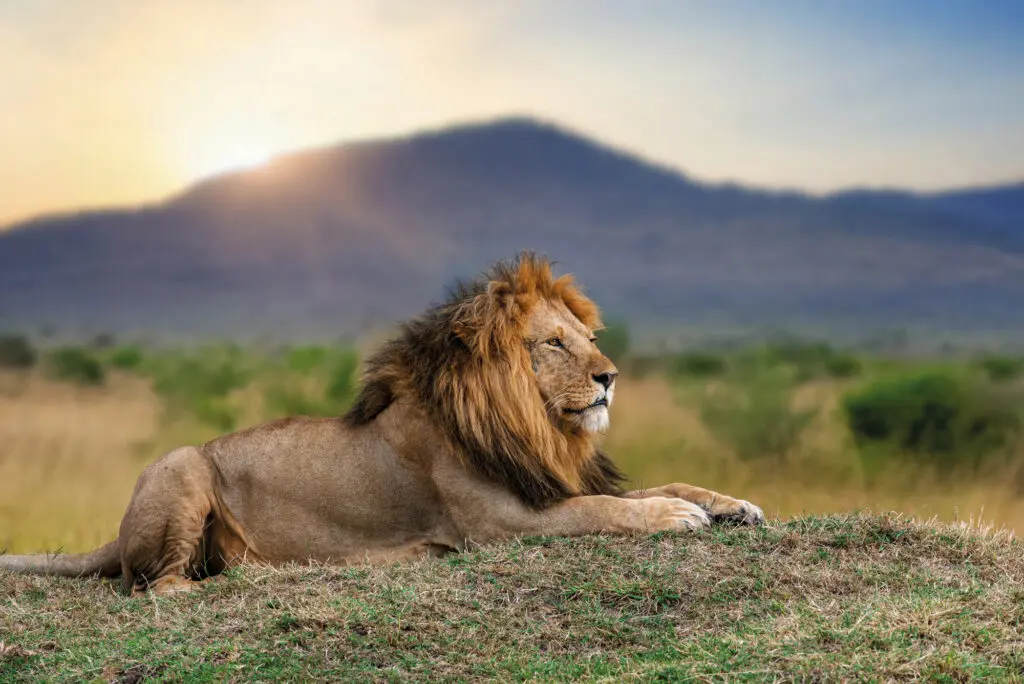
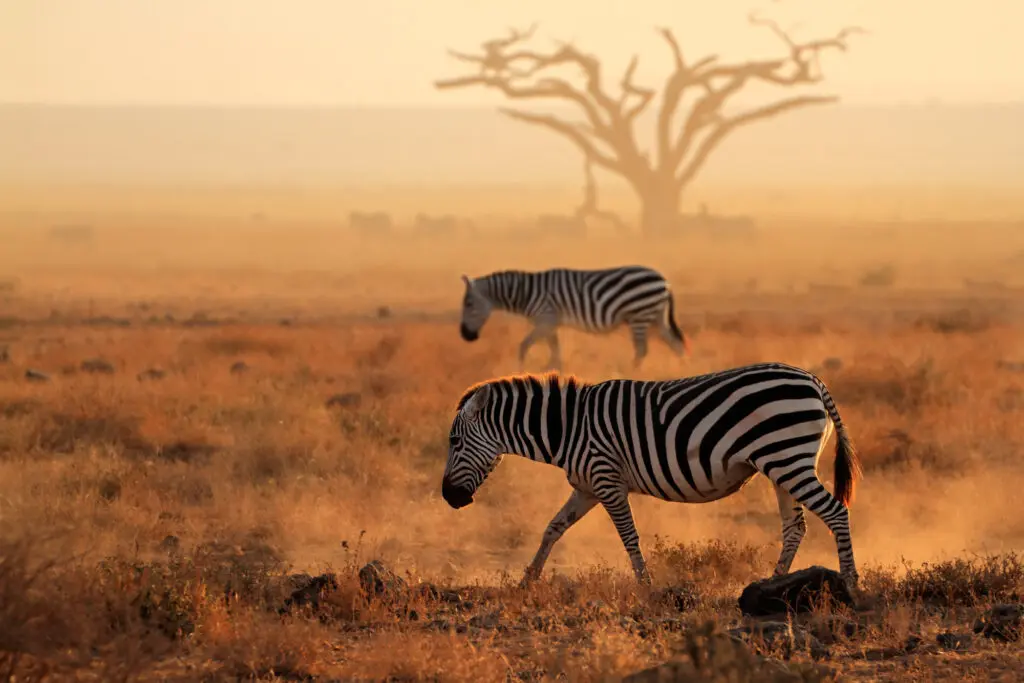
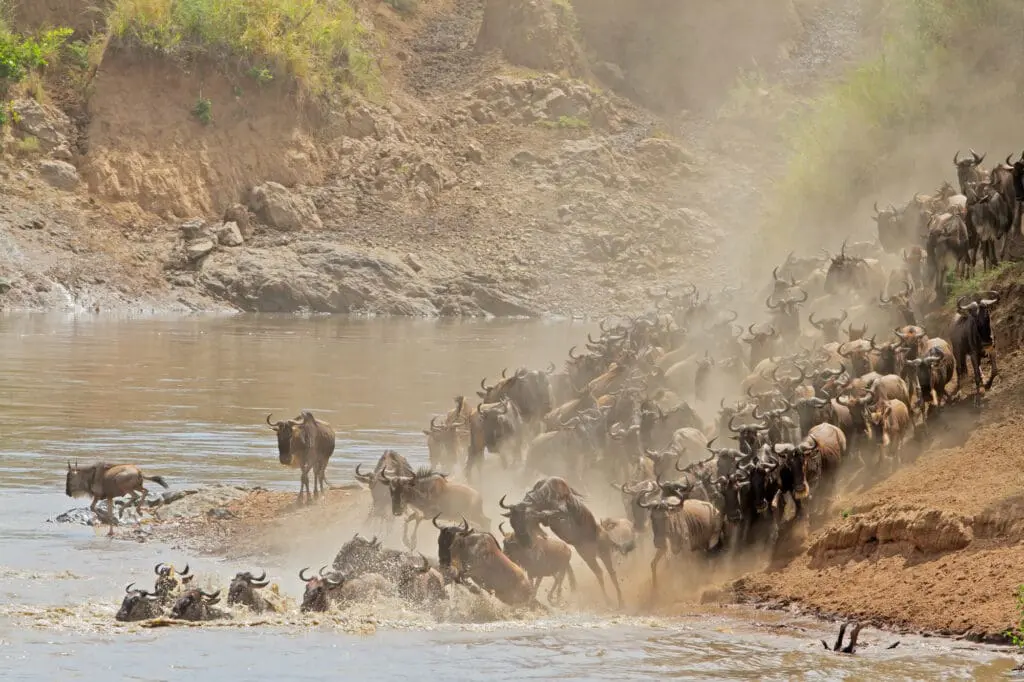
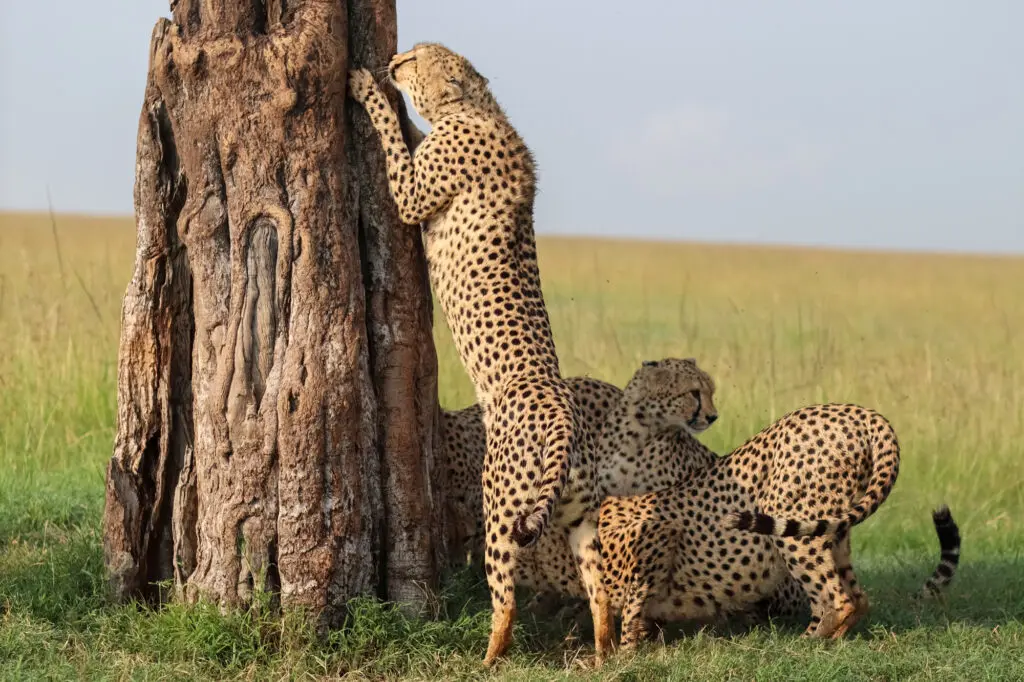
The Masai Mara is Kenya’s most celebrated safari destination and one of the finest wildlife areas in the world. It’s best known for the Great Migration, when millions of wildebeest and zebra sweep across the golden plains in search of fresh grazing, braving dramatic river crossings along the way. Wildlife viewing is excellent all year, with frequent sightings of lions, leopards and cheetahs, along with elephants, giraffes and buffalo. Hot-air balloon flights at sunrise and visits to local Maasai communities make the experience even richer.
EXPLORE AMBOSELI NATIONAL PARK
Big Tuskers & Kilimanjaro
Amboseli is famous for its large elephant herds, often seen against the snow-capped peak of Mount Kilimanjaro. The park’s wide, open plains make wildlife easy to spot, and you’ll also see giraffes, zebras, wildebeest and lions on the hunt. Its swamps fed by Kilimanjaro’s snowmelt draw animals and birdlife all year. With such scenery, especially at sunrise and sunset, Amboseli is a must-visit for photographers and nature lovers.
EXPLORE Lake Nakuru National Park
Flamingo's & Hyena's
Lake Nakuru is a paradise for bird lovers and one of Kenya’s best places to see flamingos, which often turn the shoreline a soft shade of pink. The park is also a protected sanctuary for black and white rhinos, so it’s an important conservation area as well as a beautiful place to visit. Look out for Rothschild’s giraffes, buffalo and tree-climbing lions lounging in the acacia woodlands. Viewpoints such as Baboon Cliff give sweeping views over the lake and the Rift Valley.
Provide your feedback on BizChat
VISIT LAMU ISLAND
Unspoilt Beaches & Sunsets
For something completely different, Lamu Island feels like a step back in time. Its Old Town, a UNESCO World Heritage Site on Kenya’s Swahili Coast, is known for its rich history, narrow winding streets and slow island pace. There are no cars on the island, so you get around on foot, by boat or by donkey. Wander past intricately carved wooden doors and centuries-old Swahili architecture, relax on the soft sands of Shela Beach, or set sail on a traditional dhow at sunset.
BEST SEASON TO TRAVEL
When To Visit
Kenya is a wonderful destination all year round, and the best time to go depends on what you most want to see. From July to October, the Great Migration sweeps across the Masai Mara, with dramatic river crossings and big cats close behind. January and February bring warm, dry days, excellent game viewing and plenty of newborn wildlife. The green seasons offer lush landscapes, fewer visitors and great value, which makes them ideal for a more relaxed safari.
BEST SEASON.
June to October
The Dry Season (June to October) is Kenya's most popular time to travel. It coincides with the Great Migration in the Masai Mara, usually from August to October, when over two million animals cross from the Serengeti. Clear, sunny days and thinning vegetation make wildlife easier to spot, as animals gather around rivers and waterholes.
Average Temperatures: Kenya's safari regions enjoy a pleasantly mild climate during the Dry Season. Daytime temperatures usually range from 24°C to 28°C, which is ideal for game drives. Early mornings and evenings are crisp, often dropping to 10°C to 15°C, especially in the higher-altitude Masai Mara and Laikipia. Pack warm layers for sunrise drives and cosy fireside evenings.
GOOD SEASON.
November to May
The Short Rains (November to December) and the Long Rains (March to May) bring Kenya's lush Green Season. The landscapes turn vivid green, and the rain often comes in short afternoon showers, leaving the mornings fresh and clear for game drives. It's the best time for birdwatching, with migrant species arriving in their thousands. It's also calving season for many herbivores, and the parks feel quieter and more personal without the peak-season crowds. Between the rains, January and February are warm, dry months with excellent wildlife viewing and plenty of sunshine.
Average Temperatures: The Green Season is pleasantly warm in Kenya's safari regions, with daytime temperatures usually between 22°C and 28°C and mild evenings of around 12°C to 16°C. January and February are among the warmest months, and days often reach the high 20s. The coast is tropical and balmy, at around 28°C to 32°C, which is perfect for beach time. Pack light layers and a rain jacket for the occasional shower.
Planning your Kenya Safari
Before You Go
01
Choose Your Kenya Experience
Decide what kind of journey suits you best, whether that’s a classic guided safari, an exclusive conservancy stay or a safari combined with time on the beach. Consider highlights such as the Masai Mara, Amboseli National Park, Samburu, Lake Nakuru and the timeless Swahili charm of Lamu Island.
02
Plan the Essentials
Choose the best time to travel for the experiences you want, from the Great Migration to the lush Green Season. Check your passport, entry, health and travel insurance requirements. Pack neutral, lightweight clothing for warm days, warm layers for crisp mornings and evenings, comfortable shoes and sun protection.
03
Book with Experts
A knowledgeable travel consultant can tailor your itinerary, arrange accommodation, internal flights and transfers, and take care of the finer details. With expert local insight and everything seamlessly organised, you can simply relax and enjoy Kenya’s spectacular wildlife, sweeping landscapes and warm hospitality.
Kenya is one of Africa’s most celebrated destinations, with breathtaking landscapes and legendary wildlife encounters. Many travellers come for the Great Migration, but there’s much more to discover beyond the famous plains. Kenya tours take in sweeping savannahs, snow-dusted mountains, palm-fringed islands and shimmering lakes, so there’s something for every kind of traveller. To help you plan your journey, here are some of the top attractions and experiences to add to your itinerary. When planning your trip, you should think about planning around the holiday season. Winters are always going to attract more people, just because the weather is a lot more comfortable.
IMPORTANCE NOTICE
IMPORTANT NOTICE: Kenya Travel Update (Effective 6 October 2026)
What has changed?
From 6 October 2026, all visitors to Kenya need mandatory health insurance, bought only through the Kenyan government’s official portals.
Who does it apply to?
Foreign visitors staying less than 12 months, whether arriving by air, land or water. East African Community citizens are exempt.
How much does it cost?
US$44 per person, children included. System and gateway fees are added at checkout, so the final amount will be slightly higher.
How do I get it?
1. Apply for your eTA well before you fly at etakenya.go.ke.
2. Buy the insurance during your eTA application or beforehand at insurance.ecitizen.go.ke. The two portals are linked.
3. Keep your proof. No policy document is issued, so save your reference number and a screenshot of the “Valid” status, and carry a copy of your eTA.
I already have an eTA. Do I still need the insurance?
Travellers with eTAs issued before the change have so far been reported entering Kenya without trouble, but official guidance is still to come. We strongly recommend buying the cover through the official portal before you fly.
I already have travel insurance. Does that count?
No. The portal doesn’t currently accept insurance from other providers. Keep your existing cover anyway, but you’ll still need the government insurance.
Need more help?
Some details are still being clarified. If you’re travelling with us, please contact your reservation consultant for the latest updates.
Always check the official portals before you travel.
DO I NEED A VISA FOR KENYA?
Kenya uses an Electronic Travel Authorisation (eTA) system rather than a traditional tourist visa. Entry requirements and exemptions vary according to nationality, so travellers should check the official eTA website and apply before departure where required.
DO I NEED ANY VACCINATIONS FOR KENYA?
Vaccination requirements depend on your route and travel history. A yellow fever certificate may be required when arriving from or travelling through a yellow fever-risk country. Speak to a qualified travel clinic about recommended vaccinations and malaria precautions for your itinerary.
HOW DO I GET TO KENYA?
Most international visitors arrive through Nairobi, Kenya’s main travel hub. From there, domestic flights, road transfers and scheduled safari services connect travellers with the Maasai Mara, Amboseli, Samburu, the coast and other popular destinations. Kenya also has an extensive network of airports and airstrips.
WHAT SHOULD I PACK?
Pack lightweight, neutral-coloured clothing, comfortable walking shoes, a warm layer for cool mornings, sun protection and a light rain jacket. Binoculars, insect repellent, a reusable water bottle, personal medication and a small day bag are also useful.
WHAT CURRENCIES & PAYMENT CARDS ARE ACCEPTED IN KENYA?
The local currency is the Kenyan shilling. Credit and debit cards are widely used at hotels, lodges, larger restaurants and shops, while cash is helpful for smaller purchases, tips and more remote areas. Mobile payments are also widely used throughout Kenya.
Entry and health requirements can change, so travellers should always verify the latest information before departure.
Did You Know?
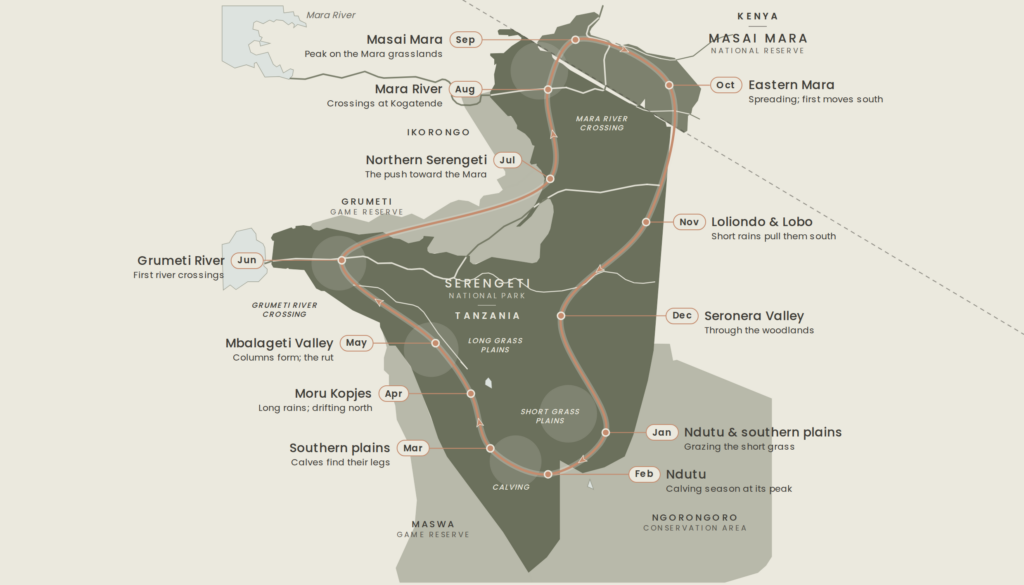
Nothing else on earth moves quite like this. Close to two million wildebeest, zebra and gazelle turn one vast circle through the Serengeti and the Mara, and have done so far longer than there have been names for the ground they cross. It is not a journey with a destination. The herds follow the rain, and the rain keeps no calendar — only its word. What the map sets out is the shape of an ordinary year: where the herds stand, and what they are about.
Trip Inspiration
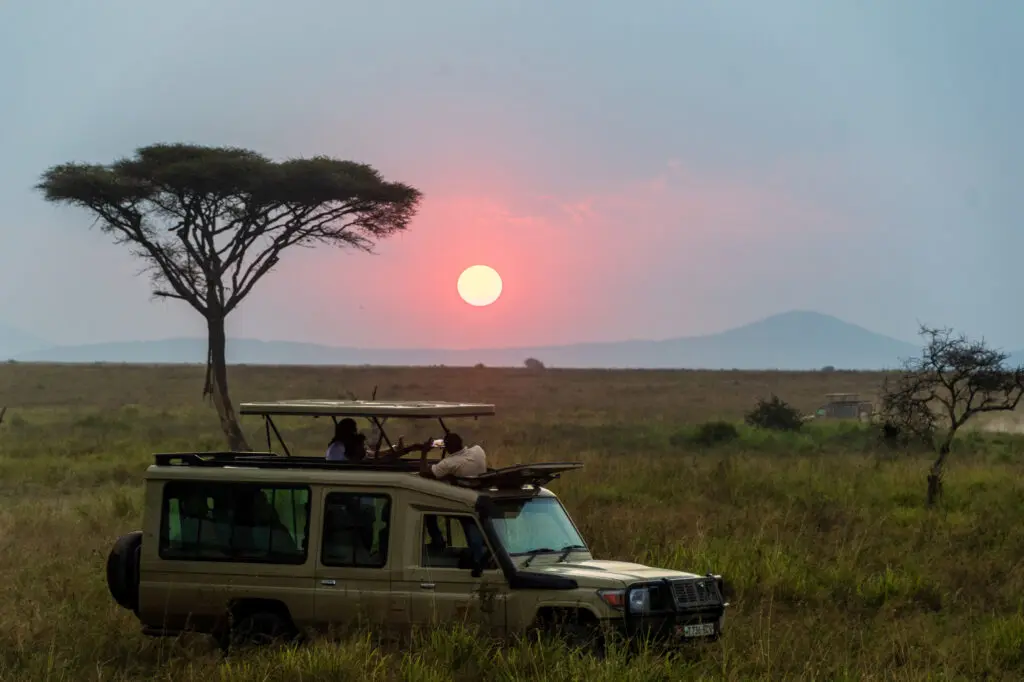
Witness the Great Migration across the open plains of the Maasai Mara, where big cats and abundant wildlife create spectacular safari scenes. See elephant herds beneath Mount Kilimanjaro in Amboseli National Park, then explore Samburu’s rugged landscapes in search of rare northern species. This is Kenya…
Chat To Us
From your first idea to the final detail, our team is here to craft a remarkable African adventure – shaped by expertise and inspired by Africa itself. Tell us about the experience you’re imagining, and one of our experts will reach out to turn it into a truly bespoke African journey.