
13
Days
Tanzania Wilderness Safari
 Tanzania
- Dar es Salaam
- Dar es Salaam
- June To September
- April & May
- October to March
- Private Guided Safari
- Exclusive-use 4x4 safari vehicle
- Experienced English-speaking driver




Safari Overview - Your journey at a glance
There is another Tanzania. Not the one on the postcards, not the one where a dozen vehicles crowd a single lion. This one lies south, and it belongs almost entirely to itself. This is the Tanzania Wilderness Safari.
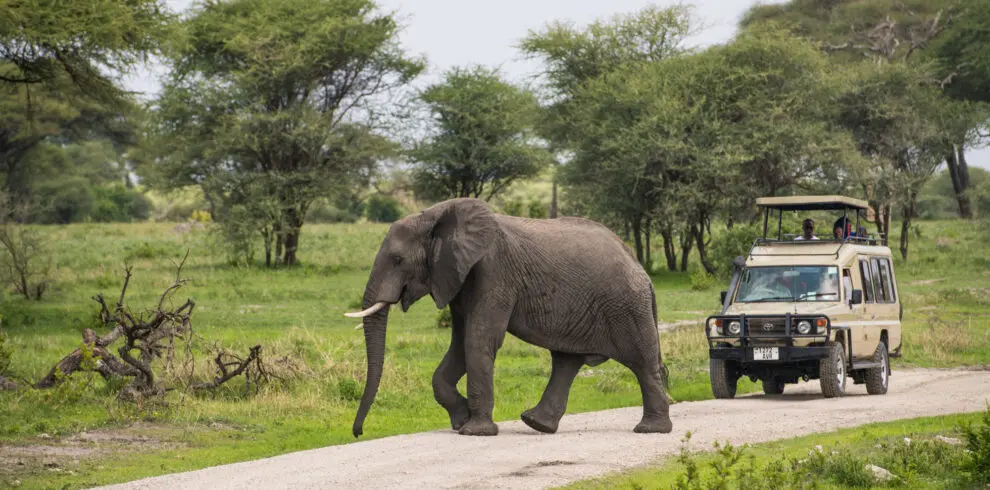
Over 13 days you'll travel it slowly and properly, by road, in an all-terrain vehicle with a photo roof and a guide who knows the ground. You begin in Dar es Salaam, then turn inland to Mikumi, where the Mkata Floodplain opens out beneath the Uluguru Mountains and giraffe, elephant, buffalo, zebra and sable antelope move across it as if the road were never built. You climb into the Udzungwa Mountains — forested, primate-rich, best explored on foot — where waterfalls and village drumming replace the engine noise for a day or two.
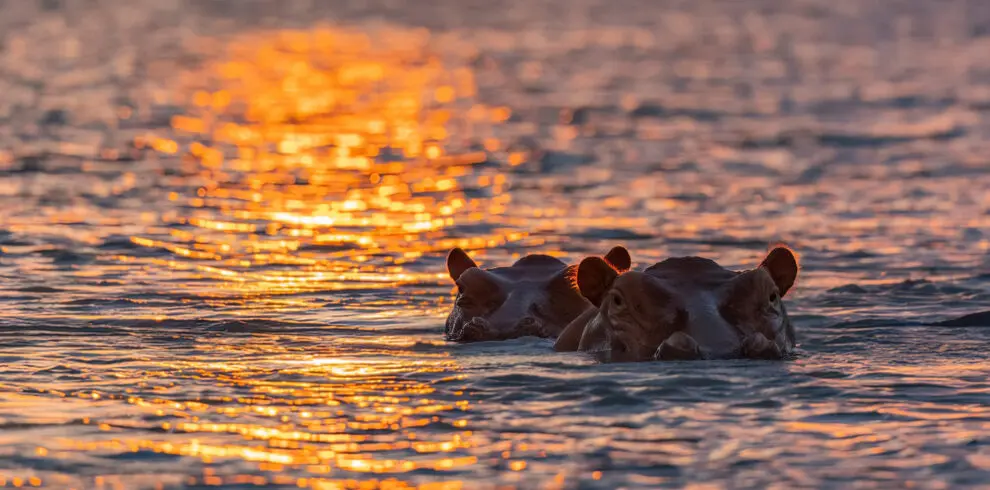
Then Ruaha: semi-desert scrub giving way to Miombo forest and the wide plains of the Ruaha River, elephant country, and ground that also holds wild dog, lion, leopard and cheetah. A farm retreat outside Morogoro offers a breath between the wild stretches. And finally Nyerere — one of Africa's largest protected areas — with hot springs at Lake Tagalala, hippo-heavy lakes, and an afternoon on the Rufiji by boat, watching crocodiles from water level as the light goes long and gold.
Tented camps, forest lodges, full board throughout, a maximum of six guests. Southern Tanzania, given the time it deserves.
- Cross the Mkata Floodplain in Mikumi NP
- Walk into the Udzungwa Mountains
- Spend two full days in Ruaha Np
- Find the hot springs at Lake Tagalala
- Drift the Rufiji River by boat in Nyerere NP
- Visit a working rubber plantation
- Slow down at a Morogoro farm
- Travel private, with room to breathe
What’s included & Optional Extras
Itinerary - Your journey unfolds, one day at a time
Day 1 :
Arrival, Dar es Salaam
You land at Julius Nyerere International, and someone is there for you. The transfer into the city is short and the rest of the day is yours — take it gently, or take it out: Bagamoyo and its old stone town, a marine reserve island, or a wander through Dar itself. Tonight is about landing properly.
Optional Activities
Bagamoyo, marine reserve islands, Dar es Salaam city tour, or leisure
Accommodation
Southern Sun, Dar es Salaam
Route & Distance
Julius Nyerere International Airport → Dar es Salaam hotel
Meals
Full Board
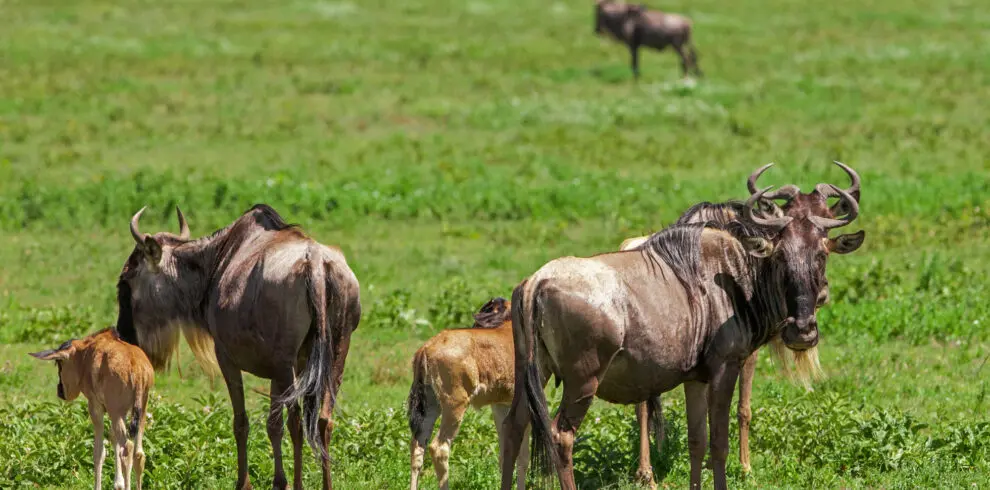
Breakfast, then west — the city thins, the Uluguru Mountains rise, and by the time the picnic lunch comes out you're already on safari. Giraffe, antelope, zebra, elephant, hippo, buffalo, wildebeest, yellow baboon, and rhino for the fortunate. Game viewing carries on through the afternoon, back to camp before dusk.
Included Activities
Mikumi National Park game drive
Accommodation
Vuma Hills Tented Camp, Mikumi National Park
Route & Distance
Dar es Salaam → Mikumi National Park
Meals
Full Board
Day 3 :
Mikumi National Park
A whole day given to Mikumi, starting with tea or coffee in the half-light. The Mkata area and its floodplain is the ground to work — eland, greater kudu, sable antelope and plenty else besides. Come back to camp for lunch and go out again, or stay out. It's your call.
Included Activities
Full-day Mikumi National Park game-drive
Accommodation
Vuma Hills Tented Camp, Mikumi National Park
Meals
Full Board
Day 4 :
Mikumi to the Udzungwa Mountains
Leave the plains after breakfast and climb into forest. The Udzungwas are an important primate habitat and best met on foot. The afternoon offers a several-hour hike to Sanje Waterfall, or a gentler walk towards Mangula village — a market, and drumming groups who need no invitation.
Optional Activities
Sanje Waterfall hike or Mangula village walk
Accommodation
Hondo Hondo Udzungwa Forest Camp, Udzungwa Mountains
Route & Distance
Mikumi National Park → Udzungwa Mountains
Meals
Full Board
Day 5 :
Udzungwa Mountains
A day you shape yourself over breakfast. A rubber plantation, a hike into Magombero Forest, guided birdwatching, or a cycling tour through the foothills — take your pick, two people minimum per activity. Forest air, birdsong, no hurry anywhere.
Included Activities
Rubber plantation visit
Optional Activities
Magombero Forest hike, birdwatching or cycling tour
Accommodation
Hondo Hondo Udzungwa Forest Camp, Udzungwa Mountains
Meals
Full Board
Day 6 :
Udzungwa to Ruaha National Park
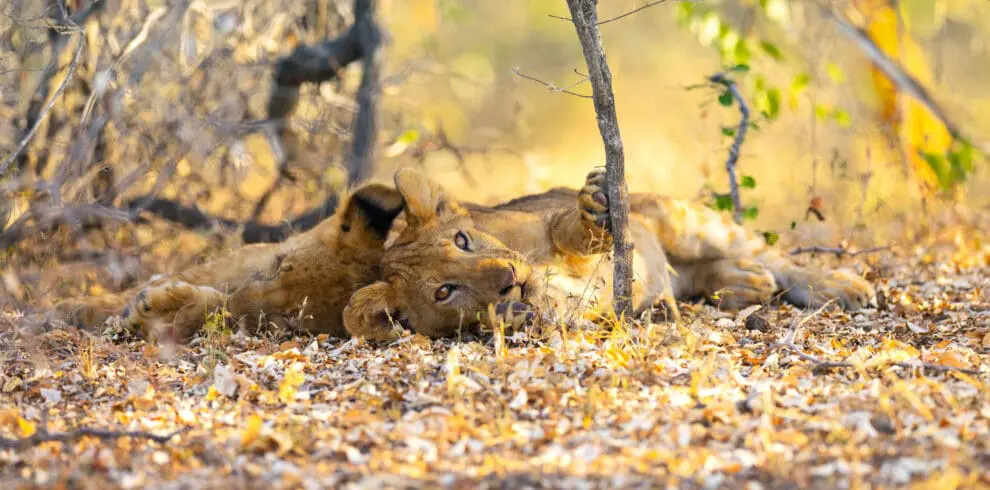
A long, handsome drive with game viewing folded into it. Ruaha is elephant country above all, but the cast is deep: wild dog, lion, leopard, cheetah, giraffe, zebra, eland, impala, jackal. Arrive at the lodge in time for lunch, then head straight back out.
Included Activities
Game drive en route into Ruaha National Park
Accommodation
Ruaha Hilltop Lodge, Ruaha National Park area
Route & Distance
Udzungwa Mountains → Ruaha National Park
Meals
Full Board
Day 7 :
Ruaha National Park
Breakfast, packed lunch, and out into the bush for the whole of it — or back at midday and out again, two shorter drives instead of one long one. The country shifts as you go: semi-desert scrub, Miombo forest, then open plains running down to the Ruaha River.
Included Activities
Full-day Ruaha National Park game-drive programme
Accommodation
Ruaha Hilltop Lodge, Ruaha National Park area
Meals
Full Board
Day 8 :
Ruaha National Park to Morogoro
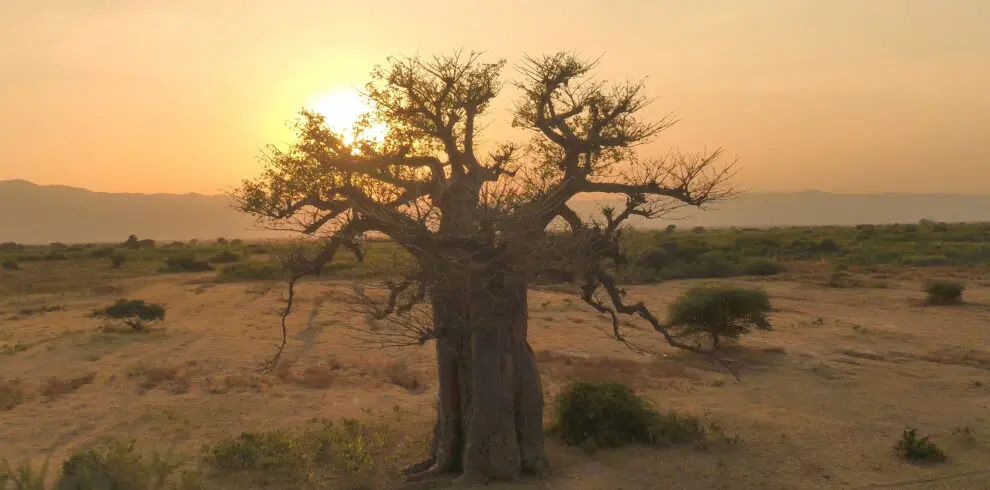
A long road day, and a welcome one. Packed lunch aboard, mountains through the window, and time to let the last few days settle. You end at Mbuyuni Farm Retreat, a small working farm outside Morogoro, for two nights of a different pace entirely.
Included Activities
Scenic transfer from Ruaha to Morogoro
Accommodation
Mbuyuni Farm Retreat, Morogoro
Route & Distance
Ruaha National Park → Morogoro
Meals
Full Board
Day 9 :
Morogoro
Nothing is asked of you today. The Uluguru Mountains sit on the skyline, the pool is there, and the farm is easy company. If you'd rather be busy: mountain biking, golf, tennis, birdwatching, or a guided walk through the chili and spice crops with someone who grows them.
Included Activities
Day at leisure at Mbuyuni Farm Retreat
Optional Activities
Mountain biking, golf, tennis, guided farm/chili-spice tour, birdwatching
Accommodation
Mbuyuni Farm Retreat, Morogoro
Meals
Full Board
Day 10 :
Morogoro to Nyerere National Park
An early start, over the Uluguru Mountains and through village country, heading for one of Africa's largest protected areas. Nyerere — still widely known as the Selous — is remote southern Tanzania at its most convincing. You overnight at Sable Mountain Lodge, near the Matembe entrance.
Included Activities
Scenic journey through the Uluguru Mountains to Nyerere National Park
Accommodation
Sable Mountain Lodge, Nyerere National Park area
Route & Distance
Morogoro → Nyerere National Park
Meals
Full Board
Day 11 :
Nyerere National Park Game Drive
A long, unhurried push through northern Nyerere — Miombo woodland, buffalo, elephant, eland, kudu and antelope of every size. Around midday you reach the hot springs near Lake Tagalala, hippo and crocodile territory. The afternoon runs on through the lakes and along the Rufiji, ending at Lake Manze.
Included Activities
Extended Nyerere National Park game drive
Accommodation
Lake Manze Tented Camp, Nyerere National Park
Meals
Full Board
More of the park in the morning, and then the best hour of the trip: onto the water. Crocodiles at eye level, hippos surfacing, birdlife thick along the banks. You step off the boat and into Selous Impala Camp, right on the Rufiji.
Included Activities
Boat safari in Nyerere National Park
Accommodation
Selous Impala Camp, Nyerere National Park
Route & Distance
Nyerere National Park / Lake Manze → Selous Impala Camp
Meals
Full Board
Breakfast, then east towards the coast — coconut palms, hardwood and sisal, and roadside stalls selling hand-woven baskets and handicrafts worth stopping for. You reach Dar es Salaam in the late afternoon, with southern Tanzania still rattling around in your head. The programme ends here.
Optional Activities
andicraft purchase opportunities en route
Route & Distance
Nyerere National Park → Dar es Salaam
Meals
Breakfast
Departure Dates & Availability - Find your date. Let the countdown begin
No Fixed Departure Dates. Dates on Request. Please check Availability in sidebar.
7 Days
USD 4,240
7 Days
USD 4,920
9 Days
USD 5,350
5 Days
USD 3,480
11 Days
USD 4,150
7 Days
USD 2,475
Good To Know - Frequently Asked Questions
General
Payment Terms
-
- 20% prepayment at time of booking.
-
- Balance to be paid 60 days prior to travel.
Option 1: Bank Transfer
The customer will be liable for any bank charges.
Option 2: Credit Card Payment
Available on request. A 3% transaction fee will be applicable for the customer.
Cancellation Policy South Africa
-
- 90 – 45 days prior to travel: 20% (forfeit the deposit paid)
-
- 44 – 30 days prior to travel: 30%
-
- 29 – 15 days prior to travel: 40%
-
- 14 – 8 days prior to travel: 60%
-
- 7 days – no-show: 100%
Special cancellation terms may apply for certain products and services.
Terms & Conditions
General terms
-
- The hotels mentioned in the itinerary will depend on availability at the time of making the booking. Should alternatives be used it would be of similar standard.
-
- It is compulsory to sign an indemnity form when entering South African National Parks. More information on the regulations and the parks can be found on the official SANParks website: www.sanparks.org
Health
See your doctor for advice in regards to vaccinations and malaria prophylaxis.
Travelling with children
-
- Parents travelling with children will be requested to provide an unabridged birth certificate (including the details of the child’s father as well as the mother) of all travelling children. This applies even when both parents are travelling with their children.
-
- When children are travelling with guardians, these adults are required to produce affidavits from parents proving permission for the children to travel.
-
- The above applies to foreigners and South Africans travelling to or from South Africa as well as travellers in transit.
-
- Please note that the child must be the appropriate age (according to accommodation stipulated) at the time of travel.
-
- Unless otherwise specified, children under 12 years of age qualify as a child rate and over 12 years of age as an adult rate.
Recommended driver/guide per vehicle
-
- 1 – 9 pax: Driver only
-
- 10+ pax: Driver and guide
Disclaimer
Travel and safety information and advice is based on information received from the various Southern African tourism boards of the countries we trade and operate in, and is deemed as correct and up to date at the time of publishing. A guarantee of accurate and complete information, as well as a liability for any occurring damages and/or changes cannot be applied.
Terminology
Meal plans
-
- RO: Room Only
-
- BB: Bed & Breakfast
-
- DBB: Dinner, Bed & Breakfast
-
- L: Lunch
-
- HB: Bed & Breakfast, Dinner & Activity as stated
-
- FB: Full Board (All Meals)
-
- FI: Fully Inclusive (All Meals and Drinks)
-
- FB + 2GD: Full Board (All Meals) and 2 Game Drives
-
- AI: All Inclusive (All Meals and Activities)
Peak season surcharges and block out dates apply. All prices are indicative and correct at time of quotation and are subject to change due to currency fluctuations, rate increases, airfare increases and availability.
Standard Terms & Conditions apply. Contact your travel consultant for more information: info@africantravelconcept.com.
Safari Information
Accommodation as listed, meals to the stated lodge basis, the safari as per the tour course, transport in an all-terrain vehicle with safari photo roof, an experienced English-speaking driver/guide, game drives with a guaranteed window seat, all national park, camping and transfer fees, one boat safari, the rubber plantation visit, 3 litres of water per person per safari day, and one pair of binoculars.
No. All national park, camping and transfer fees are included in the rate — there's nothing to settle at the gate.
The Day 1 Dar es Salaam options (Bagamoyo, marine reserve island, city tour), the Day 4 Sanje Waterfall hike or Mangula village walk, the Day 5 Magombero Forest hike, birdwatching or cycling tour (minimum 2 participants), and the Day 9 activities at Mbuyuni (mountain biking, golf, tennis, guided farm/chili-spice tour, birdwatching). Costs for all of these are TBC — please confirm at the time of booking.
Visa requirements depend on your nationality. Many international travellers require a tourist visa, which can usually be obtained through Tanzania’s official eVisa system before travel. Your passport should generally be valid for at least six months. We recommend checking the latest entry requirements for your nationality before departure.
Vaccination requirements depend on where you are travelling from and your recent travel history. A yellow fever certificate may be required if arriving from, or transiting for an extended period through, a yellow-fever-risk country. Malaria is also present in Tanzania, so travellers should speak to a doctor or travel clinic about appropriate precautions and recommended vaccinations before travelling.
Tanzania is well connected internationally, with flights arriving through major gateways including Kilimanjaro International Airport, Julius Nyerere International Airport in Dar es Salaam and Zanzibar. Your best arrival airport will depend on whether your journey focuses on the northern safari circuit, southern Tanzania, Kilimanjaro or Zanzibar.
Pack lightweight, comfortable clothing in neutral colours for safari, together with a warm layer for cool mornings and evenings. Comfortable walking shoes, sun protection, insect repellent and a hat are useful essentials. If you are visiting Zanzibar or climbing Kilimanjaro, your packing requirements will differ, so pack according to your itinerary.
The local currency is the Tanzanian Shilling (TZS). Cash remains useful for smaller purchases and tips, while major hotels, lodges and tourism businesses commonly accept international payment cards. It is a good idea to travel with more than one payment option and carry some local currency for smaller expenses.
From
USD 7,320
/ Adult Per Person
From
USD 1,070
/ Single Supplement
From
USD 8,390
/ Solo Traveller
- Best Price Guaranteed - ( You won't pay more booking direct with us. )
- No Booking Fees - ( No hidden booking fees or markups at checkout. )
- Secure Booking Process
Need help with booking? Send Us A Message
Our Booking Policy | Review Here