Malawi’s Incessant Fight to Save Its Wildlife
Malawi might be one of Africa’s smallest countries, but it fights big. Once empty reserves are roaring back to life, with rhinos in Majete, lions reclaiming their ground, and elephants crossing the hills of Nkhotakota once again.
This is the story of a country that refuses to give up.
Malawi is Africa’s smallest safari destination, but it is home to an astonishing amount of life.
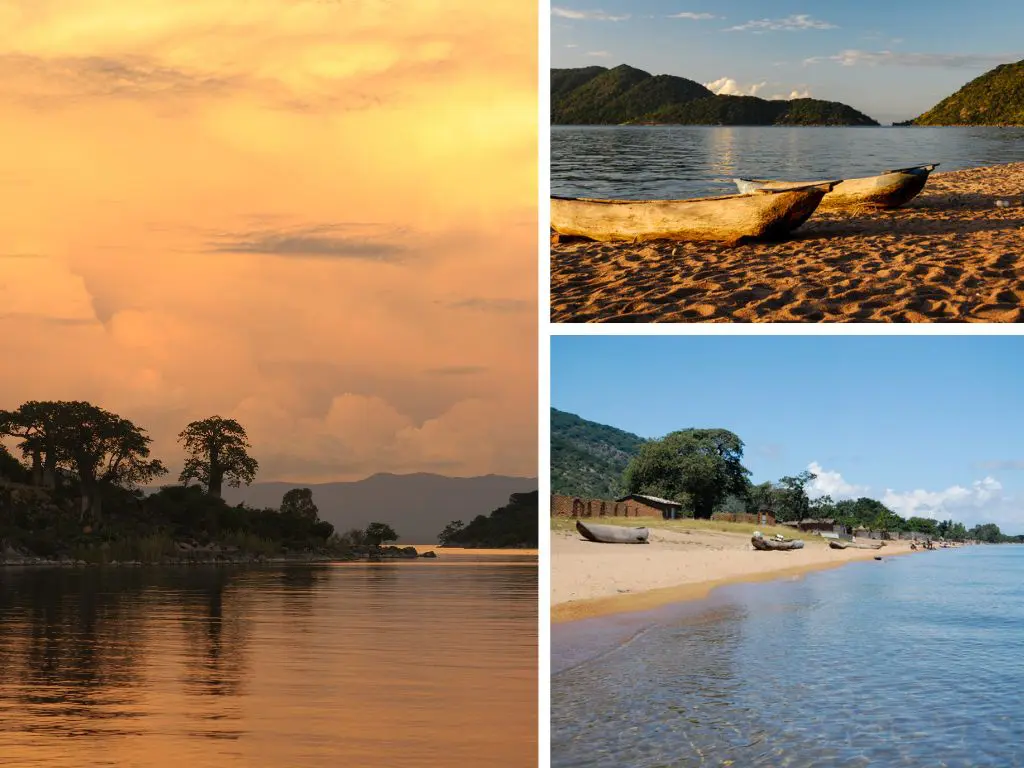
Lake Malawi, a UNESCO World Heritage Site, shelters more fish species than any other lake on Earth, including hundreds of cichlids found nowhere else.
The cichlids are only the beginning.
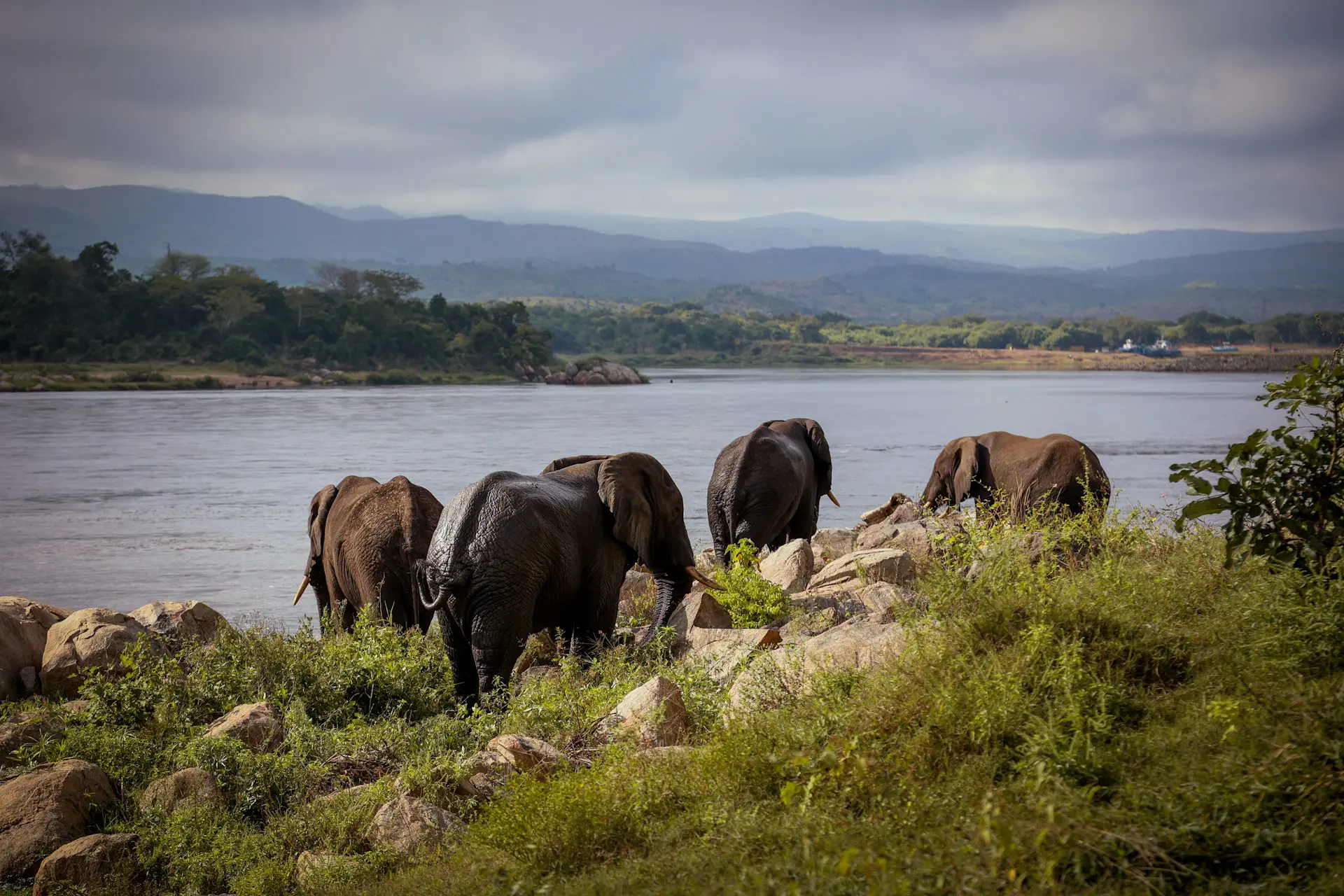
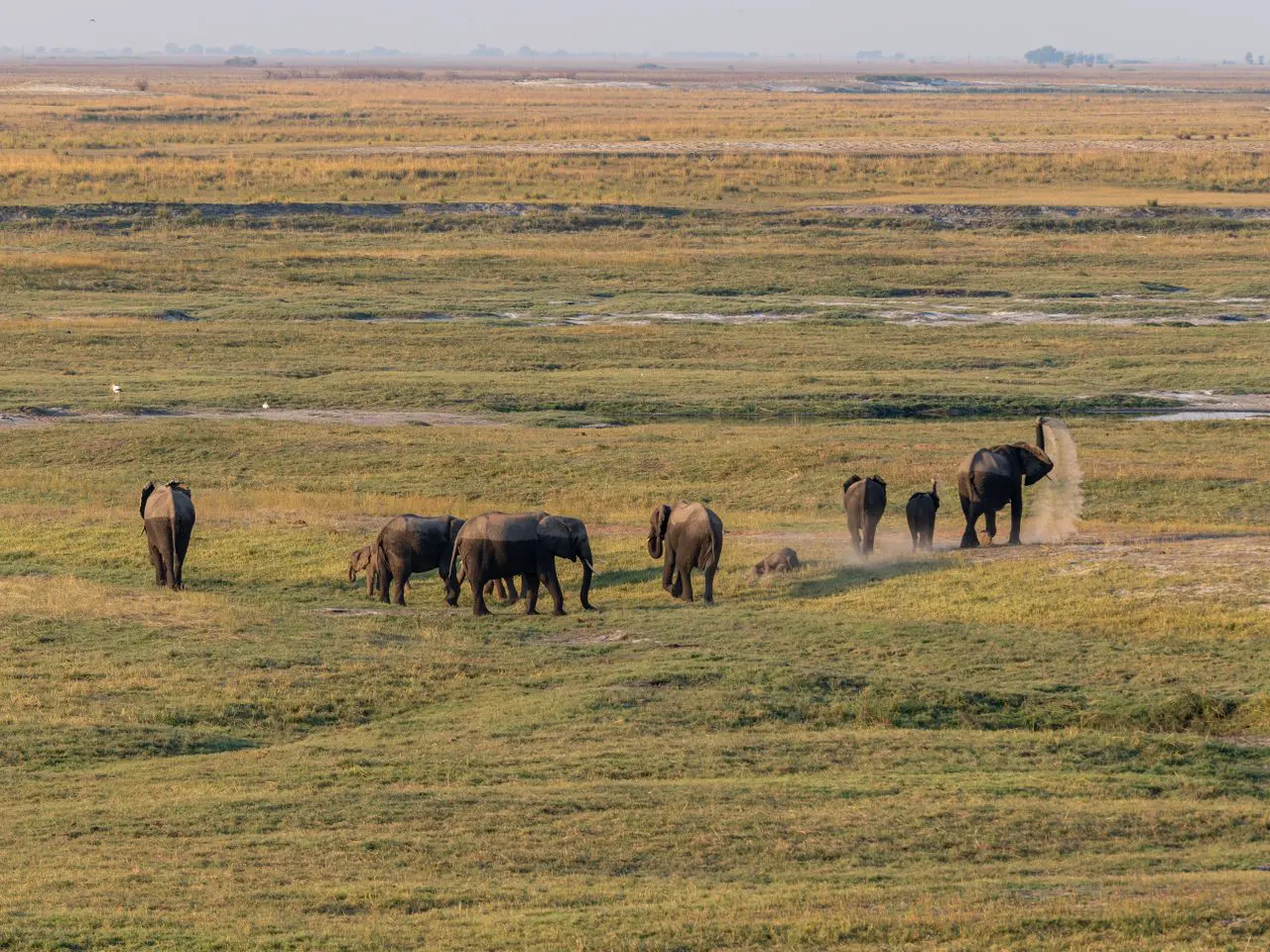
On the other side of the shoreline, the land rises into mist-wrapped highlands, miombo woodland, and wide river floodplains where elephants can be seen wading at dusk.
For years, snares and poaching pushed many of Malawi’s parks to the brink of extinction, and the silence in some reserves was frightening.
Today the parks of Malawi look very different.
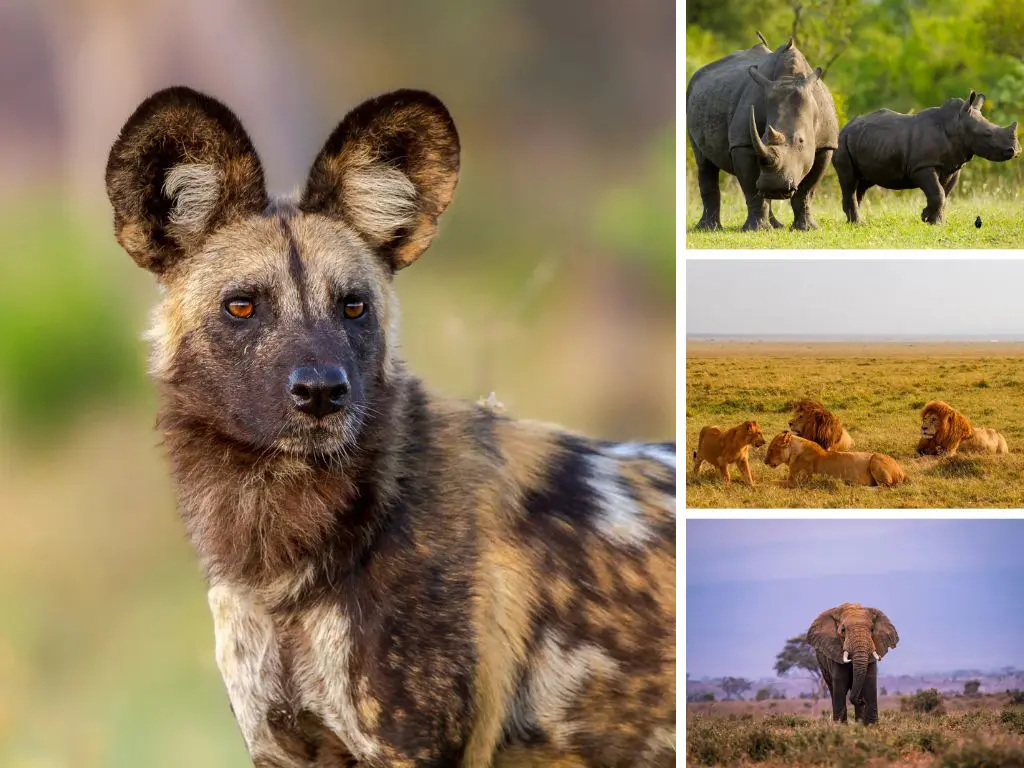
Rhinos once again browse the thickets of Majete. Lions have padded back into areas that had not heard their roars in decades. And in a truly remarkable feat of wildlife translocation, hundreds of elephants were moved to Nkhotakota, giving a once-depleted reserve a second chance.
The conservation road has been long, filled with tears and anger, and somehow, against so many odds, it has become one of Africa’s greatest and proudest success stories.
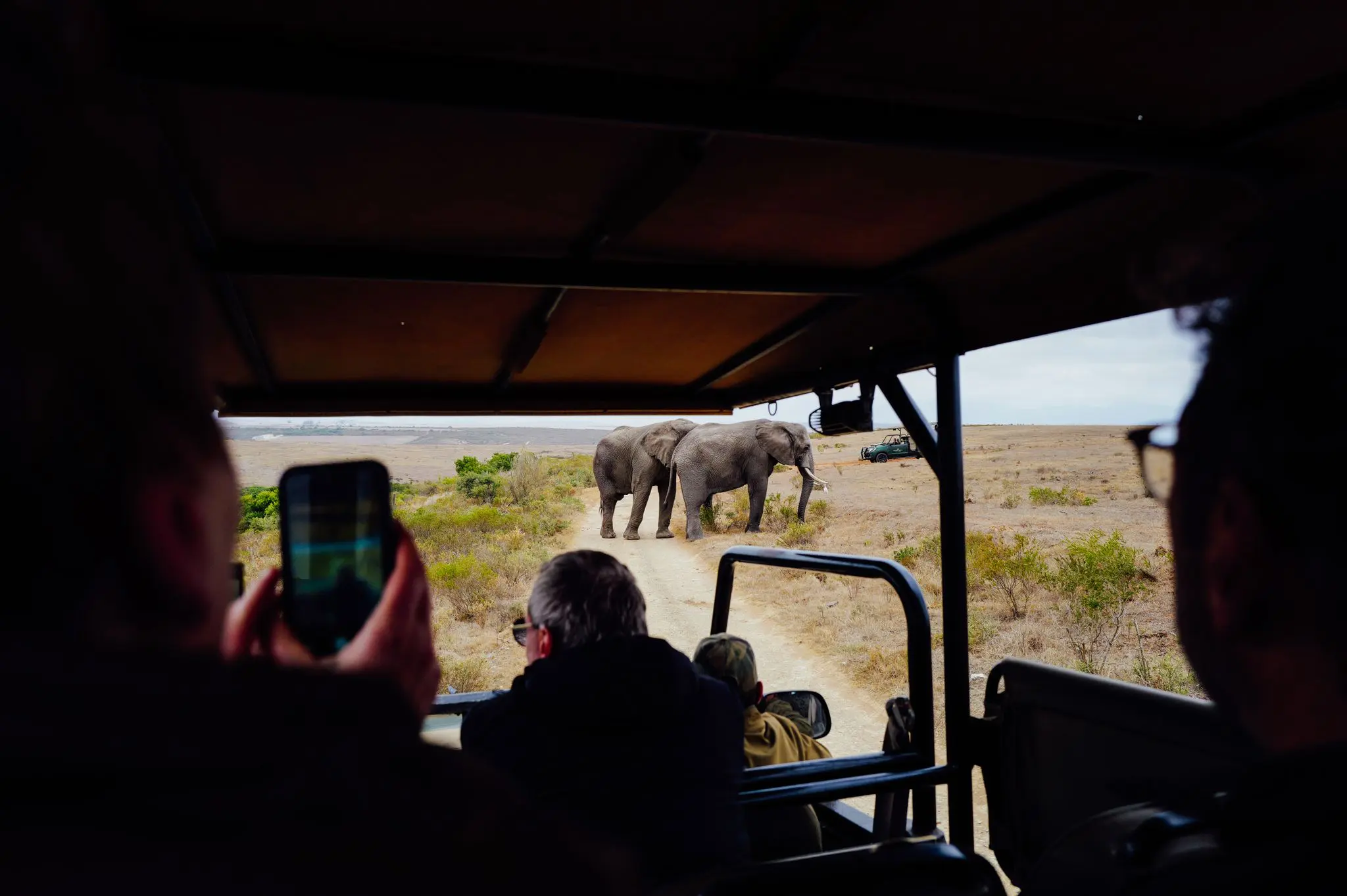
This is a country rebuilding its wild places in real time, and every traveller who comes to see it helps to fund conservation projects.
Travel With Purpose
Every safari helps protect what remains and restore what was almost entirely lost.
Travelling thousands of kilometres, by air and then bumpy land, through some of Africa’s countryside, I’m exhausted by the time I arrive at the first destination of my trip.
Malawi has always been on my travel list.
It’s such an unusual place, so utterly unlike anywhere else on the continent, and yet it has this vague feeling of familiarity. I’ve been here before, but not here, here.
Having travelled extensively through the Mpumalanga mountains and the area around Magoebaskloof, both in South Africa, I think all the greenness and the occasional waves of mist just made it feel like home.
Malawi is at the point between humid Africa and dry, desert Africa, a last bastion of sorts, before the massive leafy trees give way to stones.
This country is intriguing, and for anyone with a passion for wildlife and for conservation safaris, it is one of Africa’s must-visit places.
A Country Hollowed Out
Malawi did not lose its wildlife in one sudden, unprecedented event.
It lost it slowly, in snare lines and gunshots and the steady bite of axes, until whole reserves held little more than monkeys and a sparse number of antelope.
Majete Wildlife Reserve, in the Lower Shire Valley, had been protected since 1955.
But despite its protected status, by 2003 almost every large animal in it had been hunted out, and its trees were disappearing too, into the charcoal trade.
Its elephants, once around 300, were gone by 1992, and the last wild black rhino in the entire country was killed that same year in another reserve, Mwabvi.
Farther north, poaching cut the elephants of Nkhotakota Wildlife Reserve from roughly 1 500 to fewer than 100. In Kasungu National Park, the country’s second largest, about 1 200 elephants lived in the 1970s, but by 2015 there were fewer than 50 left.
The reason for the decline was decades of thin law enforcement, rural poverty and a hungry international market for ivory, horn and scales.
A 2015 report written for Malawi’s wildlife department described the country as a transit hub for trafficking.
Then, just when anyone from the outside looking in thought that all hope was lost, in 2003, the situation started to turn around.
The government’s Department of National Parks and Wildlife (DNPW) created a partnership with nonprofit organisations to share management of the parks.
The goal was to focus on tourism to bring in money, to train rangers and to share conservation expertise.
Majete was the first experiment. Liwonde and Nkhotakota followed in 2015 under African Parks, and the International Fund for Animal Welfare (IFAW) began rebuilding law enforcement at Kasungu the same year.
Starting Again from Nothing
When African Parks signed a 25-year agreement with the department to run Majete, no tourist had come near the place for 3 years.
They had no reason to. There was about nothing to see. The reserve’s remaining wildlife was mostly troops of monkeys and a handful of antelope.
When African Parks stepped in, they slowly started reintroducing various other species:
- Black rhinos came back first, in 2003.
- Elephants returned in 2006, and by 2015 they numbered more than 400.
- In 2012, 3 lions arrived from South Africa, making Majete Malawi’s first Big 5 reserve.
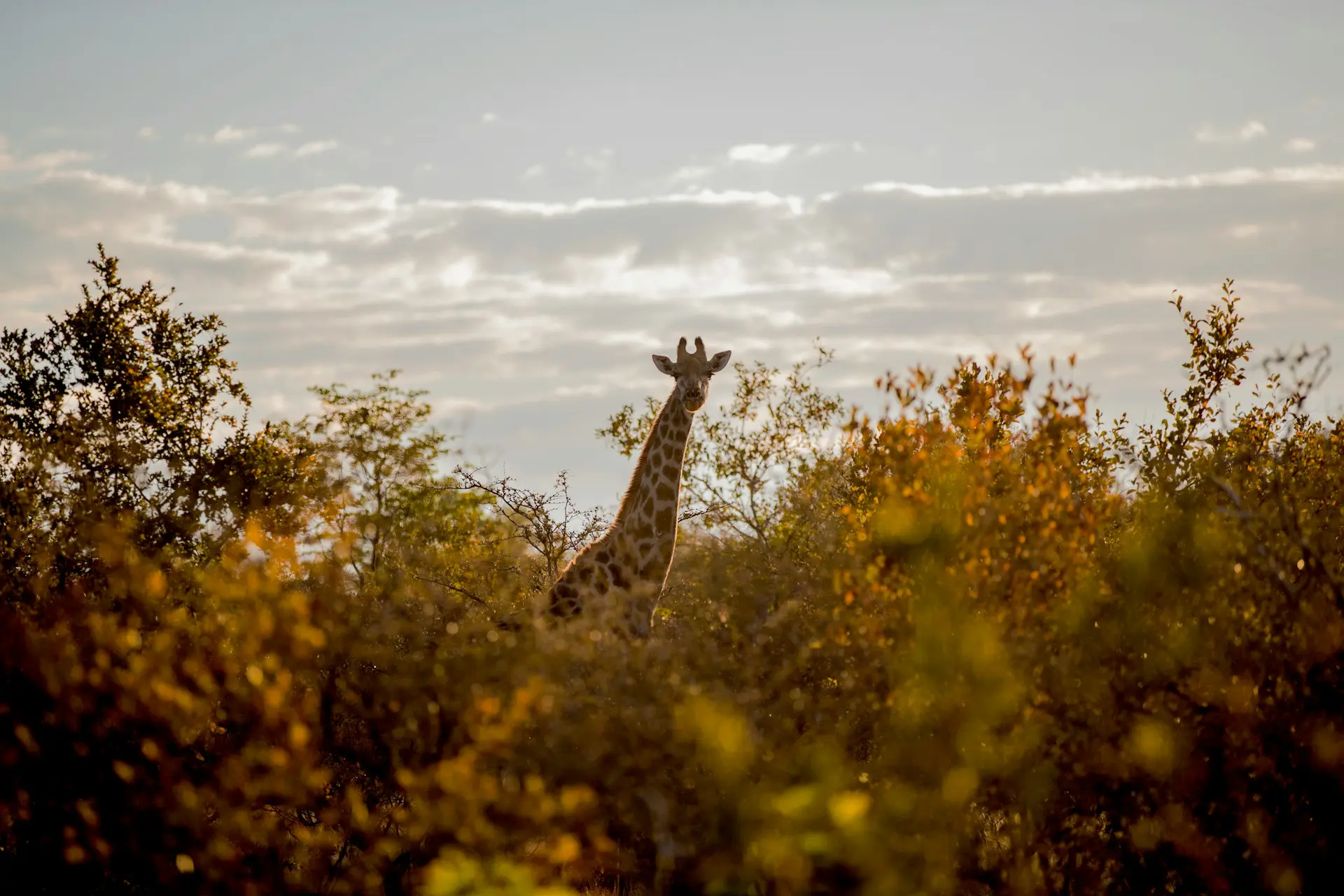
- Giraffes were introduced in 2018.
- Cheetahs arrived in 2019.
- And in 2020, a pack of 6 African wild dogs.
Animals were brought from South Africa and Mozambique, as part of highly orchestrated translocation programmes and returned to a landscape that had not seen them in decades.
African Parks’ chief executive, Peter Fearnhead, called it a Noah’s Ark operation.
By the organisation’s count, more than 5 000 animals from 17 species have been brought in since, and the reserve now holds over 12 000 animals.
And as of the most recent figures available, no elephant or rhino has been poached in Majete since 2003 and 2006, respectively.
Tourism has followed the animals.
Visitor numbers to the park rose from around 4 000 in 2004 to about 12 000 just a year later, and a Malawian newspaper put their spending at roughly US$617 000, a welcome boost to the local economy.
The reserve has become a giver as well as a receiver.
When elephant numbers remained steady, 150 of them were moved to Nkhotakota, easing pressure on Majete’s vegetation while restoring a population elsewhere.
Nkhotakota’s 500 Elephants
The operation began from the air.
A helicopter banked low over a riverside plain in Liwonde National Park, and darts fired from it brought down the elephants one by one, putting them into a tranquil snooze.
On the ground, crews had to move fast and used a crane to lift each sedated animal (weighing between 1,700 kg and 8,000 kg (3,700 to 18,000+ lbs) each) onto a truck. The convoy then set off on a road trip covering about 350 kilometres across Malawi.
The destination was Nkhotakota.
The reserve, much like its nearest neighbour, had also been poached to the point that it was nearly emptied.
At the same time, Liwonde and Majete had the opposite problem.
Their reintroduced and well-protected elephant populations were thriving so well that they were putting a strain on the habitat by destroying the trees and shrubs, and spilling onto farmland, and farmers ingeniously learned how to keep them away.
Moving some from one to the other solved both.
In July and August 2016, 261 elephants made the trip from one park to the other, along with more than 1 100 other animals, to restock the reserve.
In June, July and August 2017, a further 225 followed, and another 34 went from Liwonde to Nyika National Park.
The total reached 520, and it became the largest elephant translocation ever attempted.
The cost was reported to be around 1.4 million euros, and it was supported by backers that included the Dutch Postcode Lottery and the Wyss Foundation.
Almost as a sign that they were on the right path, only 2 elephants died.
African Parks’ chief executive, Peter Fearnhead, said that the world seldom hears good news about elephants in Africa.
Considering that one estimate put Africa’s elephants at fewer than 500 000, down from several million a century ago, Malawi’s conservation gamble is a sign of a positive future.
Instead of fencing animals into shrinking pockets, it is better to move them to where they are safe.
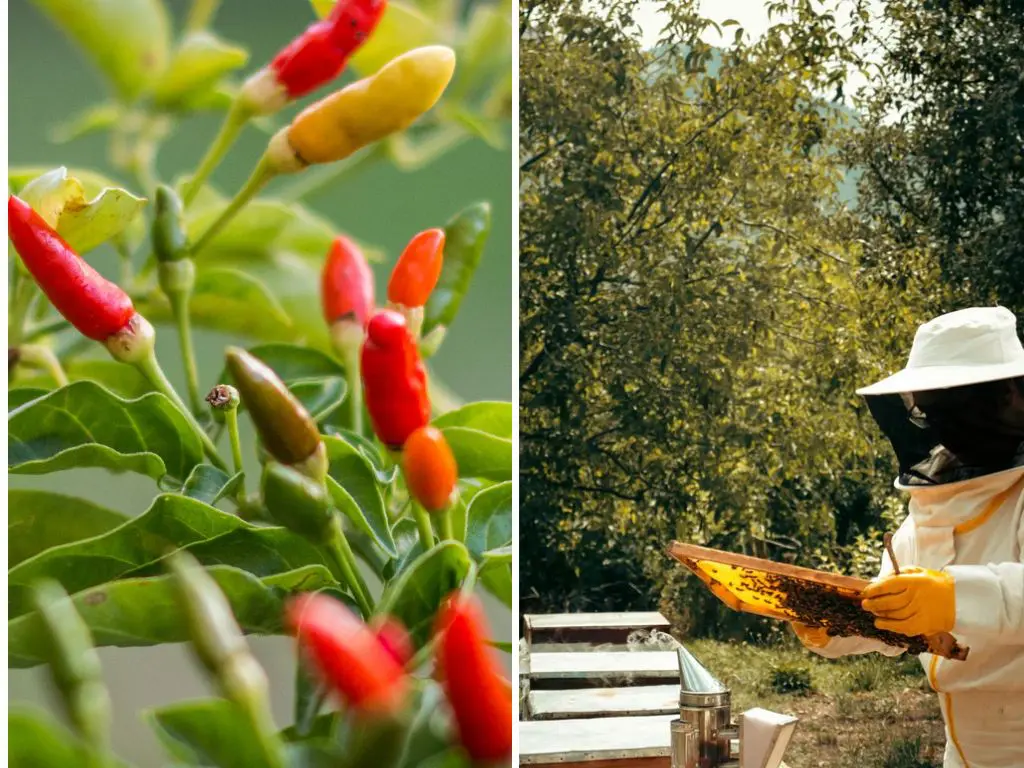
Chillies, Bees and Lasting Peace Between Villagers and Elephants
Conservation only lasts if the people living beside the wildlife benefit from it. It is a tale as old as time, a phenomenon seen throughout Africa.
Around Liwonde National Park, one of the country’s main conservation projects, a group called Spicy Farmers has found a way to keep elephants well away from crops while helping farmers make more money.
It’s part of the numerous community outreach projects designed to empower locals, who in turn protect the wildlife.
The Spicy Farmers initiative is teaching farmers to plant borders of bird’s-eye chilli along the park boundary. This gives them an income, and the elephants do not appreciate the scent, so they stay away.
Beekeeping works the same way, since elephants dislike bees as much as they dislike chillies.
One beekeeper harvests around five litres of honey every 2 months from just 4 of her hives, earning a nice income for her efforts.
The tourism industry plays its part too.
Mvuu Lodge employs almost entirely local staff, runs largely on solar power and funds reforestation, scholarships and eco-clubs in 15 primary schools.
Guides come from communities living right next to Liwonde National Park and have been close to wildlife for as long as they can remember.
Liwonde’s Story
Although Liwonde National Park became protected land in 1973, it didn’t stop the poaching that emptied it of some species altogether.
Along with poaching, the ongoing human-wildlife conflicts made things harder, with elephants wrecking the crops and property of neighbouring villages.
In 2015, African Parks took over management here too, and since then, black rhinos, cheetahs, lions and wild dogs have all been brought back, and more than 40 000 wire snares have been removed from the bush.
Over 250 elephants have also been moved to other Malawian parks to ease the pressure on the ecosystem.
It hasn’t been the flawless run that other parks were lucky enough to experience.
The reintroduced wild dog pack was hit by a suspected poisoning, a reminder of how fragile recovery can be. But as dusk falls over the floodplain and a lioness leads her cubs toward the Shire River, it’s clear the park has changed.

Tea, Trees and 600 Bird Species
The wildlife parks of Malawi are the main characters in the country’s incredible conservation story, but there are plenty of side characters too.
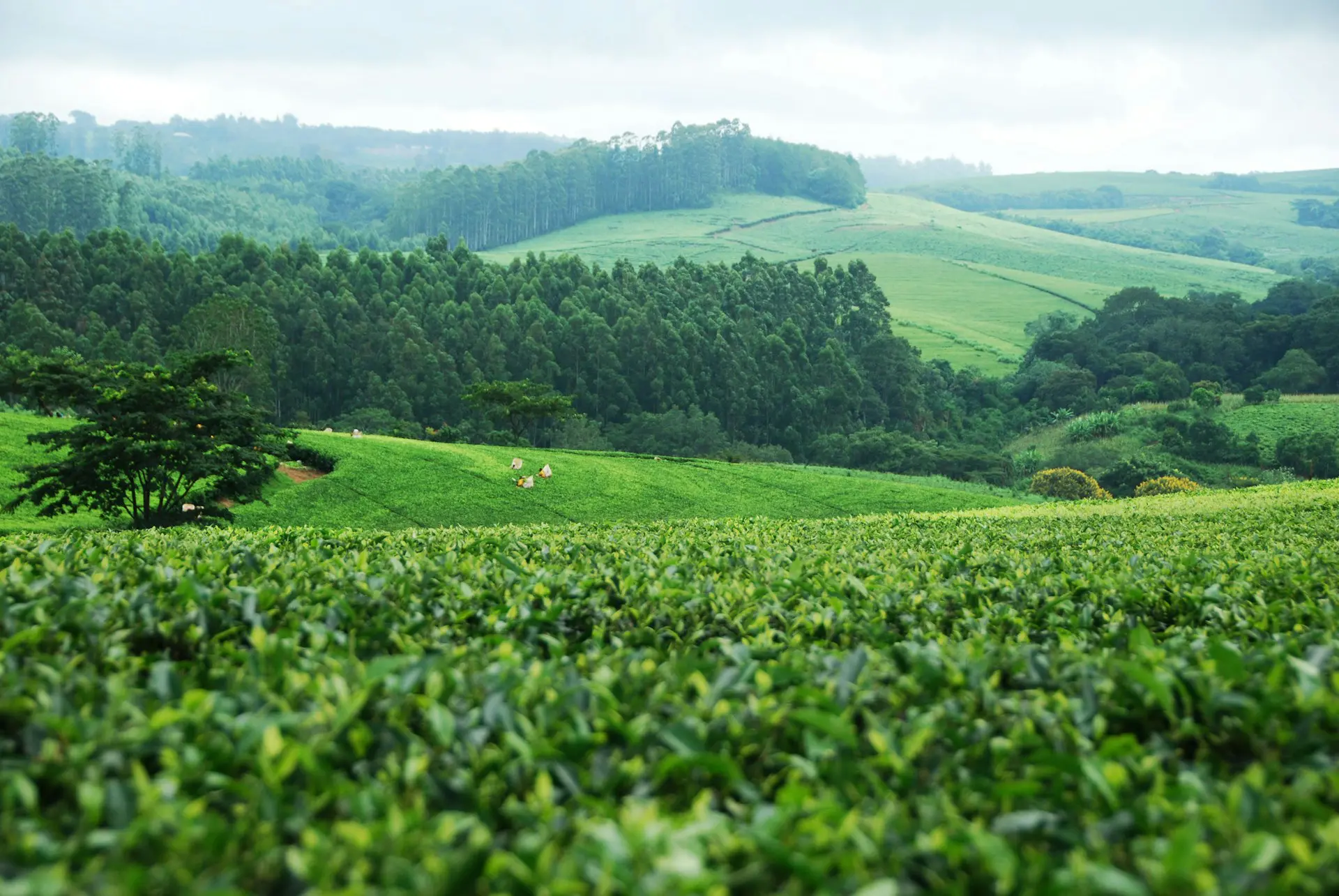
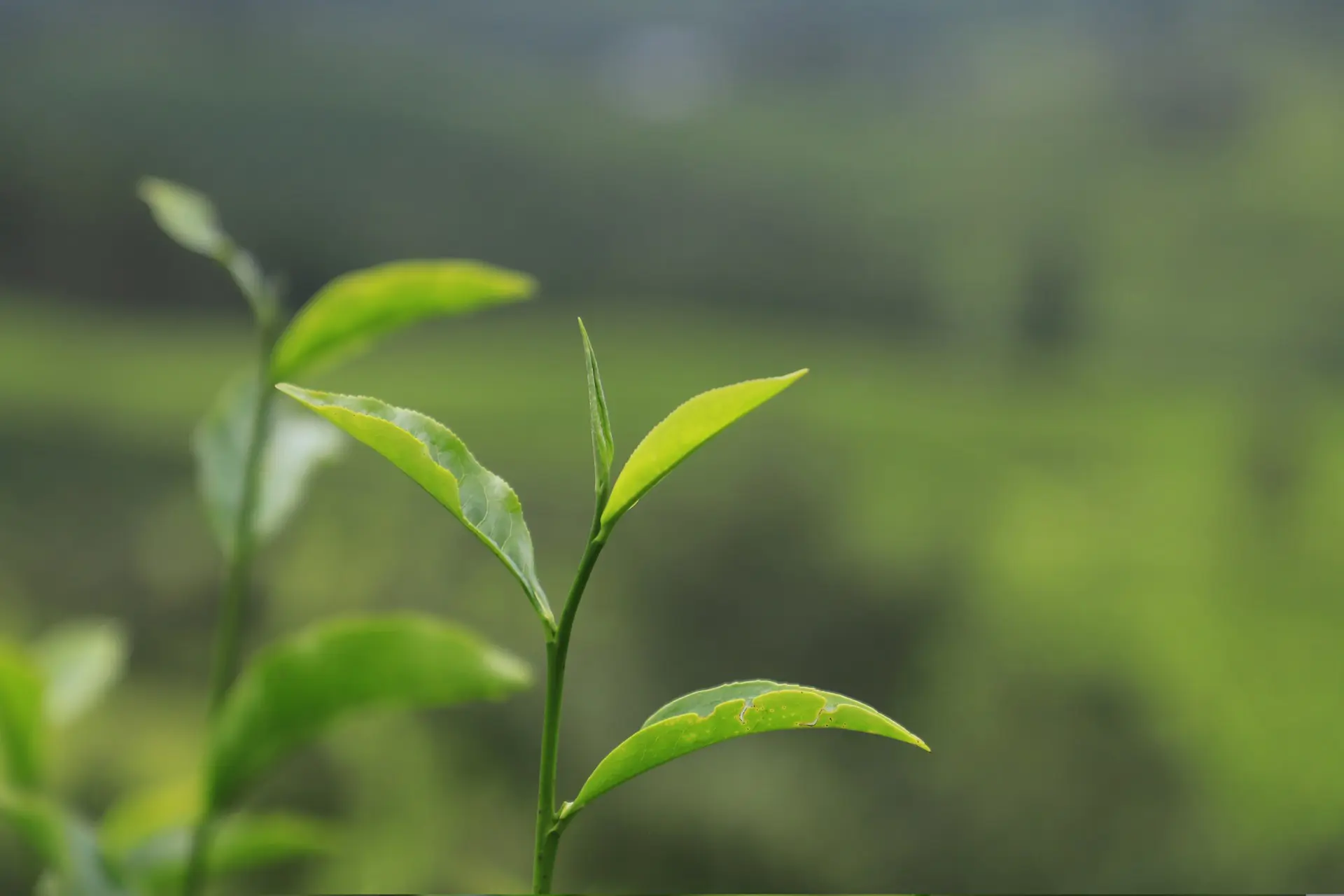
Did you know that Malawi is a top tea producer and that the farms contribute to conservation?
In the Shire Highlands, Satemwa Tea Estate has been growing tea since 1923, and its 3 700 acres are threaded with mahogany woodland that forms safe wildlife corridors, so bushbuck and porcupines can move through a working farm.
More than 600 bird species have also been recorded on the property.
The estate employs around 1 200 people year-round, with at least 60% of the workforce being women, and its school teaches 1 000 local children.
Its teas were the first in Malawi to earn Fairtrade certification, and they now appear on the menus of some of the world’s best restaurants.
The Lake of Stars
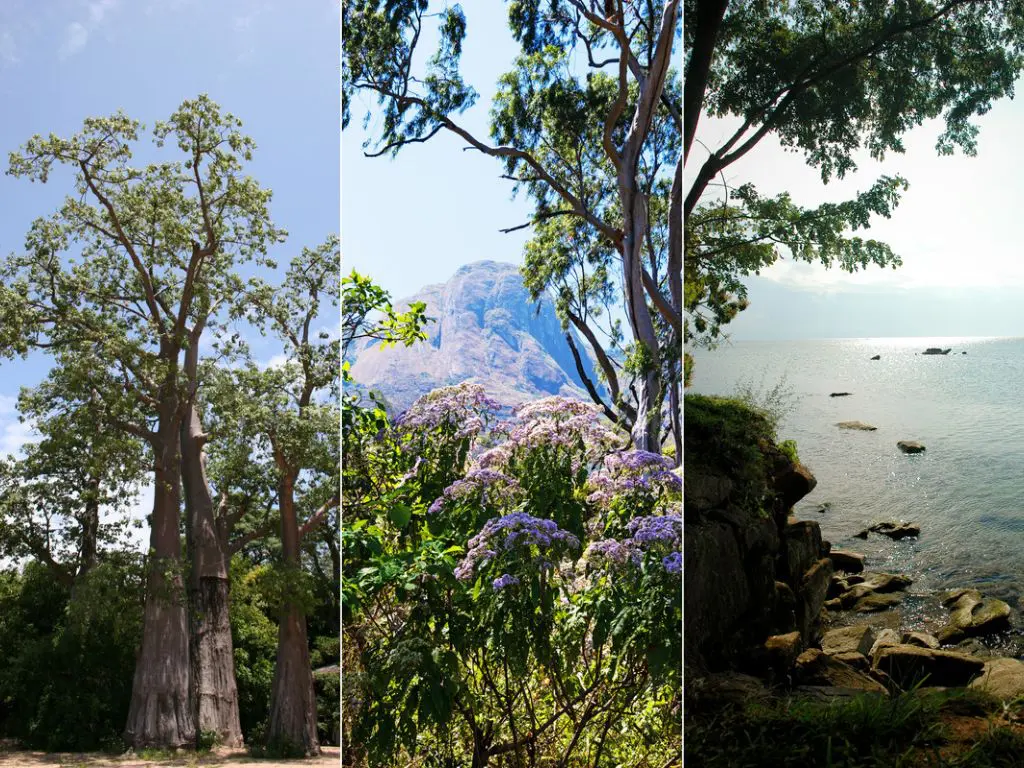
Slung along the Great Rift Valley, Lake Malawi stretches more than 350 miles from end to end and covers roughly a fifth of the country.
It is one of the most biologically extraordinary bodies of fresh water on the planet.
At least 1 000 fish species have been recorded in the lake, and its cichlids have fanned out into hundreds of forms, some insect-eaters, some algae-grazers, each fitted to a different niche among the rocks.
Biologists compare the process to Darwin’s finches in the Galapagos.
The IUCN’s World Heritage Outlook says more than 99% of the lake’s cichlids are found nowhere else on Earth.
In 1984, UNESCO inscribed Lake Malawi National Park, a 94-square-kilometre protected area around Cape Maclear at the lake’s southern end, as a World Heritage Site.
The lake feeds people as well as wildlife, and that is where the trouble starts.
The IUCN lists overfishing and land use, which sends silt into near-shore waters, as 2 of the main threats to the survival of the life within the lake.
Some night fishers have even taken to hauling repurposed mosquito nets, whose fine mesh scoops up everything in its path, including the small fish that sustain the food chain (legal nets have a looser weave that lets juveniles slip away)
On the beach at Msaka, the head of the Malawian charity Ripple Africa has spent years watching the canoes and the villagers gather to buy the catch, and she understands the necessity of implementing more eco-friendly fishing practices.
The charity has helped set up village committees so that communities feel ownership of the lake, and it shows fishers that larger-mesh nets mean bigger fish and, over time, more money.
The scheme worked well enough that its first project, running from 2021 to 2023, secured the funding to continue.
Ripple Africa also installs fuel-efficient mudbrick cookstoves that burn a fraction of the wood and make less smoke. The charity describes its driving philosophy as giving a hand up rather than a handout.
Every moment I spent in Malawi reminded me that the country’s ongoing fight for survival is not a story that ends with a triumphant final scene. It begins again, each dawn, when the canoes come in from the lake, and the lions slip back into the long grass.
The difference now is that the country has stopped fighting alone.
It has partners, laws that are starting to bite, and a growing number of citizens who understand that the wild heart of Malawi is worth more alive.
And it has you, the traveller.
Luxury holidays pay for a lot of the excellent conservation work being done in Malawi, and this adds that extra special something to your tour.
Travel With Purpose
Every safari helps protect what remains and restore what was almost entirely lost.