Table of contents
You might not understand it, but there was once a time not so long ago that many African animal species stood on the edge of extinction.
When Europeans from the 1800s started learning more about the animals on the continent, rather than being satisfied with seeing them, they wanted to hunt them. There was great prestige around being the man on the block who had an elephant tusk or a lion pelt from a recent hunting trip.
As more and more hunters flocked to the continent, and at the same time, farmers moved onto land and killed wildlife, it was soon apparent that what was happening would be unsustainable.
While some countries, like South Africa, put a stop to the mass killing of wildlife, other nations lacked the foresight and wildlife were wiped out. It is only in much recent years, and through intensive rehabilitation and animal reintroductions, that decimated wildernesses saw life once again.
Conservation in Africa is a passionately big deal.
It is in the blood of the people who almost lost an important part of their heritage, and when you thoughtfully plan your safari, it can be a powerful investment in Africa’s wildlife, wild landscapes and communities, while also being a deeply restorative experience for you, too.
These days, the question is not as straightforward as “Will I see the Big Five?” Increasingly, discerning travellers are asking: “What will my visit continue to make possible?”
And that is such a beautiful question.
It recognises that the comfort of a private, luxury camp, the expertise of a local guide and the privilege of watching elephants safely drinking water at sunset are all connected to something much larger than your holiday: it is part of the long-term survival of the places and people who make an African safari so extraordinary.
Why Conservation is Still a Burning Issue
It was in 1884 that South Africa’s Paul Kruger, then President of the Transvaal, announced that the wildlife living in the Lowveld needed to be protected from the intense, unabated and unregulated hunting plaguing the region.
More than 100 years have passed since then and much of Africa’s wildlife is again living through a period of immense pressure, this time from a different source.
The continent is getting hotter faster than the global average, according to the World Meteorological Organization’s 2025 State of the Climate in Africa report.
In 2025, drought affected more than 8.5 million people in East Africa, while floods accounted for more than half of reported extreme-weather events across the continent. The start of 2026 saw intense flooding in the Kruger National Park, when record breaking rains caused a 100 year flooding event that decimated roads and camps.
Climate change affects wildlife in direct and indirect ways.
Changing rainfall patterns can reduce water availability, completely change migration routes and put pressure on grazing lands.
Heatwaves and drought can weaken animals, reduce food supplies and intensify competition between wildlife, livestock and people.
At the same time, Africa’s cities and population are growing rapidly.
Scientific assessments warn that the continent’s population could double from approximately 1.25 billion to 2.5 billion by 2050, and due to this, natural habitats are increasingly being converted for agriculture, settlements, roads, energy and other infrastructure.
This all sounds alarming and a mountain to climb for conservationists, but this does not mean Africa’s future is without hope.
It means conservation must work in a more practical, inclusive way; protecting wildlife while ensuring that neighbouring communities benefit from keeping natural areas intact.
This is where responsible luxury travel can play an important role.
5 Places Where Your Safari Spending Can Do Great Good
There’s plenty to think about when deciding on a safari destination and if sustainable travel is high up there on your agenda, these are the 5 destinations where your spending will do the greatest amount of good.
- Kenya’s private conservancies
Kenya is ideal for travellers who want a classic safari with a strong community-conservation backstory.
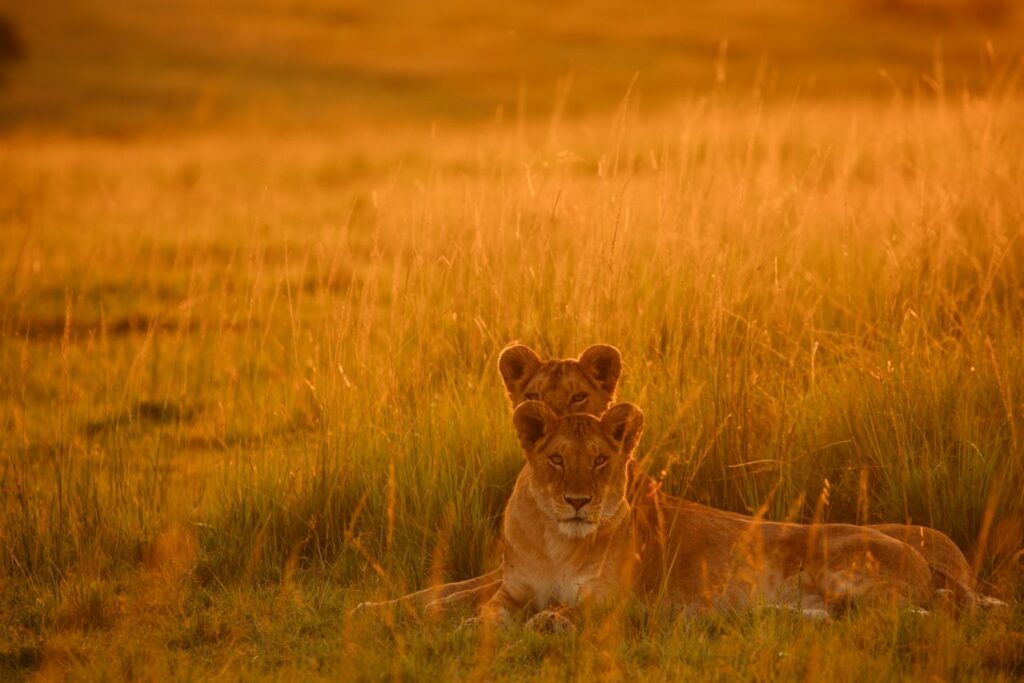
The Maasai Mara ecosystem is famous for the Great Migration, extraordinary predator sightings and vast golden plains, but the lesser-known surrounding conservancies are equally important.
Private and community conservancies help protect land outside of the boundaries of national parks.
They can provide a safe space for wildlife, support local employment and reduce pressure from competing land uses. Many will also give you a quieter and more exclusive experience than the busiest areas of the main reserve.
A stay here might include a private vehicle, night drives, guided bush walks and intimate encounters away from the crowds. You may also meet local conservation teams or learn how community-led land management works, if you want to see how things work behind the scenes.
- Botswana’s Okavango Delta
Botswana is one of Africa’s most conservation-conscious destinations for low-impact, high-value sustainable travel.
Its luxury model generally focuses on fewer visitors, premium experiences and large, remote wilderness areas rather than mass tourism.
And of all the places you can visit in Botswana, the Okavango Delta, with its breathtaking mosaic of waterways, floodplains, islands and grasslands, is the best.
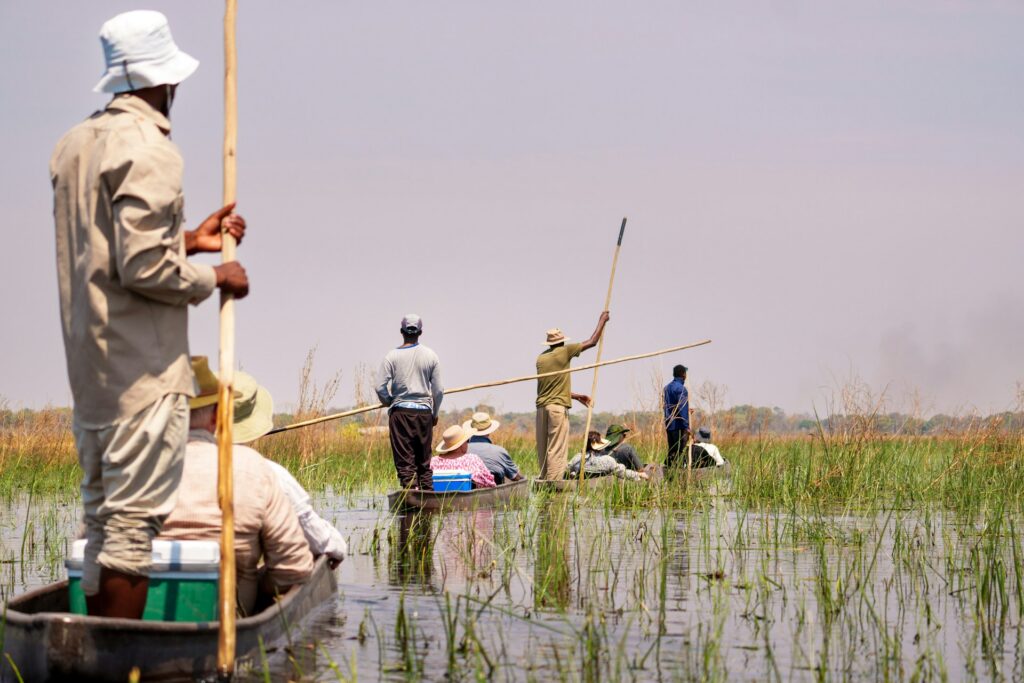
If you travel during the high season, you can glide down the papyrus channels in a mokoro, track elephants on foot or watch lions and wild dogs moving through the floodplain.
The delta’s importance goes far beyond its astounding beauty. Its wetlands support an extraordinary range of species and provide a vital refuge in a climate-stressed region.
Aside from opting for a low-impact safari, by staying at a conservation-minded camp, particularly one with clear land-management and community commitments, your stay will help maintain the fragile ecosystem.
- Rwanda’s Akagera National Park
Akagera is one of Africa’s most inspiring conservation-recovery stories.
Managed through a partnership between the Rwanda Development Board and African Parks since 2010, the park went from a struggling reserve to thriving savannah, home to all sorts of wildlife.
It is Central Africa’s largest protected wetland and Rwanda’s last remaining refuge for savannah-adapted species, like elephants, lions, rhinos, buffalo, leopards, giraffes and hundreds of bird species.
The park’s conservation success has a lot to do with its focus on tourism and community development.
More than 18 000 community members participate in meetings each year, to talk about things like conservation and human-wildlife conflict, while environmental education reaches more than 2 000 students each year.
A visit to Akagera can easily include a mountain gorilla experience, all in one trip.
- South Africa’s Greater Kruger
South Africa is one of the most accessible safari destinations. That is why it has become an excellent choice for first-time visitors, families and travellers who want wilderness, fine food, wine, design and culture.
While the Kruger National Park is one of Africa’s first and most successful conservation stories, the park around the park have become home to some of the continent’s most exclusive safari experiences.
Many have conservation frameworks that support habitat protection, wildlife monitoring, anti-poaching and local employment, both through funding and by creating opportunities.
The Greater Kruger is especially important for the protection of threatened species, like rhinos.
Luxury for travellers is also rather personal, and if you choose a place like Sabi Sands for your sustainable travel safari, you can look forward to enjoying things like a private plunge pool overlooking the bush, a skilled ranger who knows individual leopards by sight, a candlelit dinner beneath the stars and bush walks that will bring you intimately close to the wildlife.
- Zambia’s Luangwa Valley
Zambia is a superb choice for a holiday and it is one of the oldest and most established safari destinations.
South Luangwa, in particular, has become famous for its walking safaris, skilled guides, rich wildlife and perfectly conserved land.
Seeing Africa on foot changes everything. The experience is sensory, and will give you great appreciation for the immense efforts put into conservation.
Zambia’s approach to conserving wildlife and the land includes important community-focused initiatives and areas where tourism directly supports local livelihoods and wildlife protection.
And nothing about conservation is a performance in this country. All of it happens quite naturally, alongside everyday life and tourism activities.
How Your Safari Creates Impact
Sustainable travel in Africa started as a trend and has quickly become the norm amongst the luxury market.
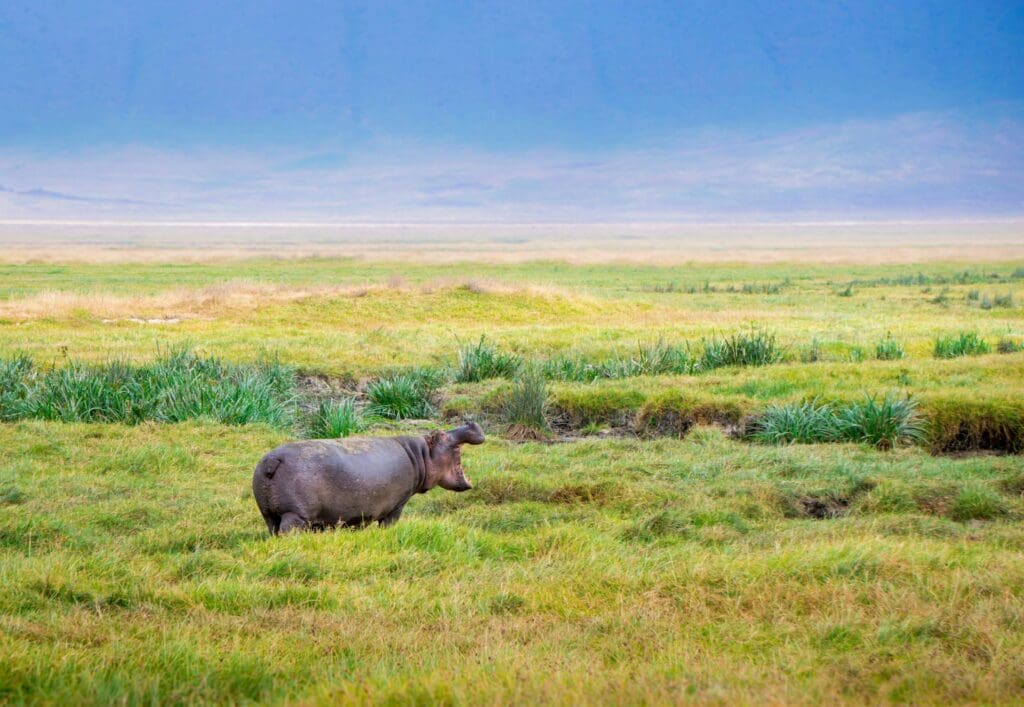
A well-run safari helps turn both wildlife and wilderness into assets that are more valuable alive than destroyed.
Your stay can support a network of conservation work that is often invisible to guests but each sighting is only made possible through it, in these ways:
By Protecting Indigenous Habitats
A lodge operating in a private reserve, community conservancy or protected area helps maintain land for wildlife. Tourism revenue can contribute to land management, habitat restoration, water provision, ecological monitoring and the protection of important migration corridors.
In Kenya, for instance, conservancies protect approximately 34 000 square miles, more than a tenth of the country, and are home to nearly two-thirds of its wildlife, according to recent reporting. As of September 2026, 167 conservancies covered 11% of Kenya’s land, and that number is growing year on year.
Botswana has a fairly similar setup, and the country is famous for its wildlife conservation efforts. About 37% to 42% of Botswana’s landmass has been set aside for wildlife conservation and environmental management.
Much of the amount you pay for your Botswana safari goes straight to conservation and the government has implemented strict visitor quotas to limit the number of people travelling through the country each year.
Many countries in Africa greatly depend on tourism revenue to remain viable.
By Funding Wildlife Protection
A portion of what you pay for your safari may help fund the training of rangers and the work they do afterwards, patrol vehicles, communications equipment, anti-poaching operations and wildlife monitoring.
Conservation teams also work hard to prevent human-wildlife conflict, rescue injured animals, manage invasive species and protect endangered populations.
In Rwanda’s Akagera National Park, conservation management has supported the reintroduction of lions, eastern black rhinos and southern white rhinos.
In June 2025, a further 70 southern white rhinos were introduced as part of the Rhino Rewild Initiative.
By Supporting Local Livelihoods
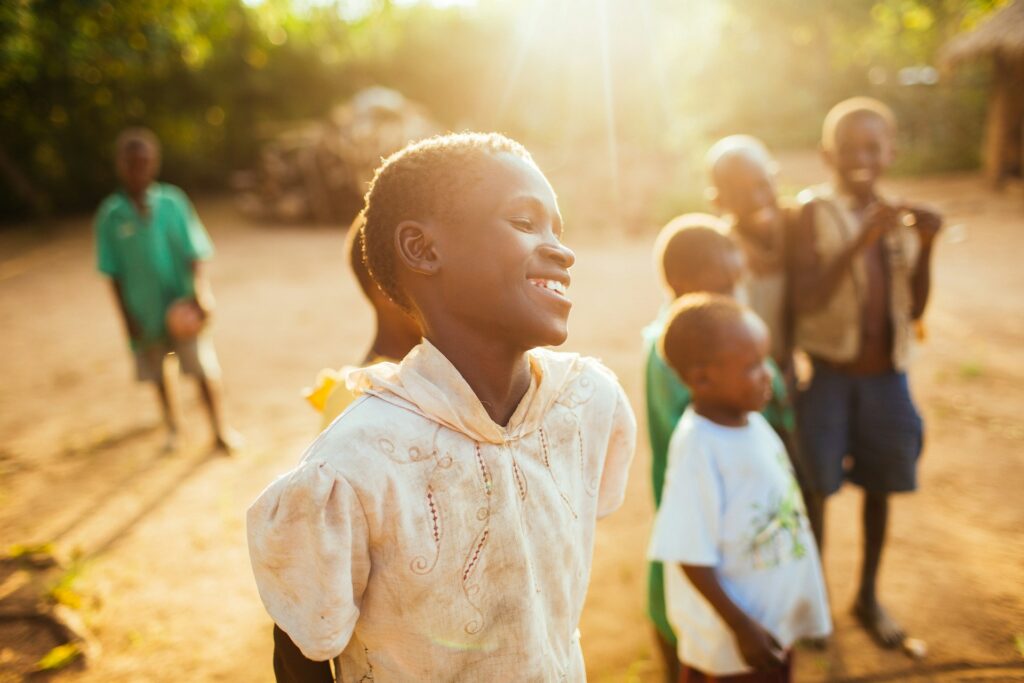
Conservation cannot succeed if local people bear the costs while visitors and distant organisations receive the benefits.
Through years of research and putting ideas into practice, it was found that the best safari conservation models are those that create jobs, develop local businesses, buy regional produce from local farmers, and support education, healthcare and enterprise programmes.
Akagera is one of the best examples of this being put into practice.
Tourism generated 97% of the park’s total annual revenue in 2024, and 10% of the park’s income is allocated to Rwanda’s revenue-sharing scheme for community projects such as schools, healthcare facilities and cooperatives.
The Kruger is currently running a similar model at the moment, but rather than money being shared, some of the surrounding communities receive certain benefits such as employment.
By Making Wilderness Economically Valuable
A safari creates employment of all kinds.
Guides, trackers, pilots, drivers, chefs, artisans, farmers, conservationists, mechanics and local suppliers all benefit.
When tourism is locally rooted, a wildlife area can generate sustained economic opportunity without being converted into farmland or urban development.
How to Choose Your Conservation Safari Well
Before booking your trip, you want to make sure that you ask your safari operator or lodge a few direct questions, such as:
- Which conservation organisation or project does the property support?
- What proportion of the lodge’s income or guest contribution reaches that work?
- How are local communities involved in decision-making?
- How many local people are employed in skilled and leadership roles?
- Does the lodge publish measurable conservation or social outcomes?
- How does it manage water, energy, waste and wildlife interactions?
- Can you travel in the shoulder or green season to reduce pressure on peak periods?
You should also be wary of vague claims such as “eco-friendly” or “giving back” without getting the finer details.
Credible operators should be able to explain where money goes, who benefits and even give examples of how contributions have helped in the past.
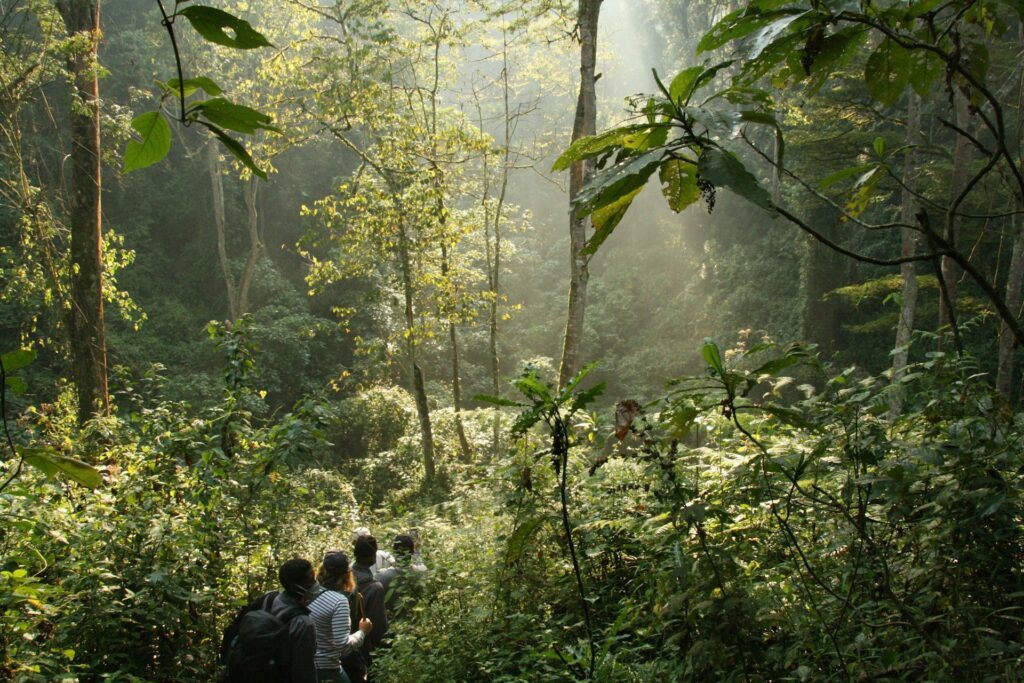
Choose a safari that gives back to Africa and protects its wildlife.
A conservation safari is a wildlife holiday that helps fund habitat protection, wildlife monitoring, anti-poaching work and local community development.
Your spending can support conservation fees, lodge employment, local suppliers, community projects, wildlife protection and habitat management.
Kenya, Botswana, Rwanda, South Africa and Zambia are among the leading destinations for conservation-focused luxury safaris.
A sustainable safari aims to minimise environmental impact while supporting wildlife, local communities and the long-term protection of natural habitats.
Yes. Time in nature, slower travel, digital disconnection and meaningful wildlife experiences can support relaxation, mindfulness and overall wellbeing.