Table of contents
For centuries, long before the outside world knew of their existence, the communities living along the life-giving Okavango Delta used mokoros to get about.
Moving quickly and without having to exert too much energy in such a harsh and unforgiving environment was vital to their survival, and for many of the people living here today, it still is, but in a different way.
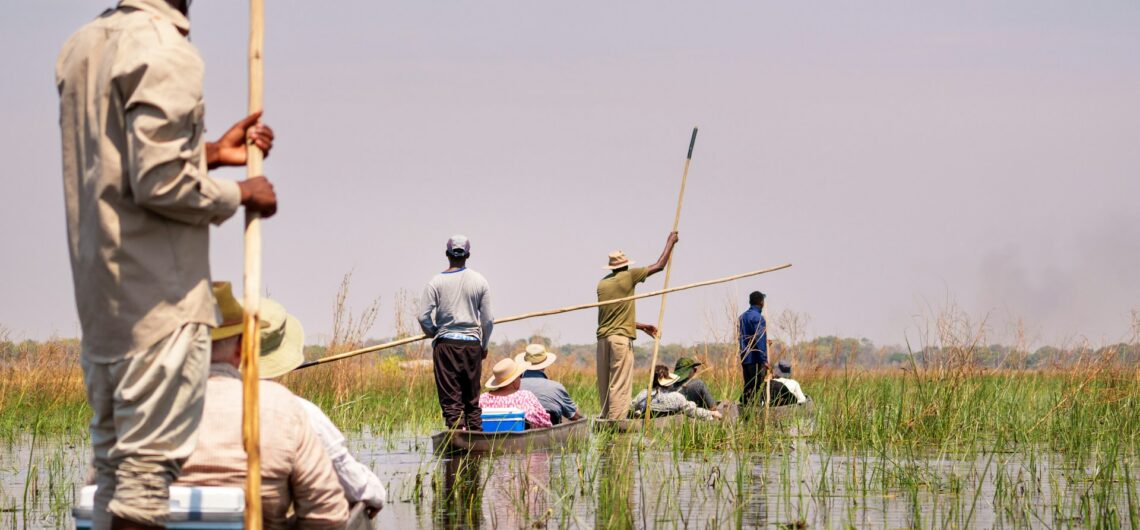
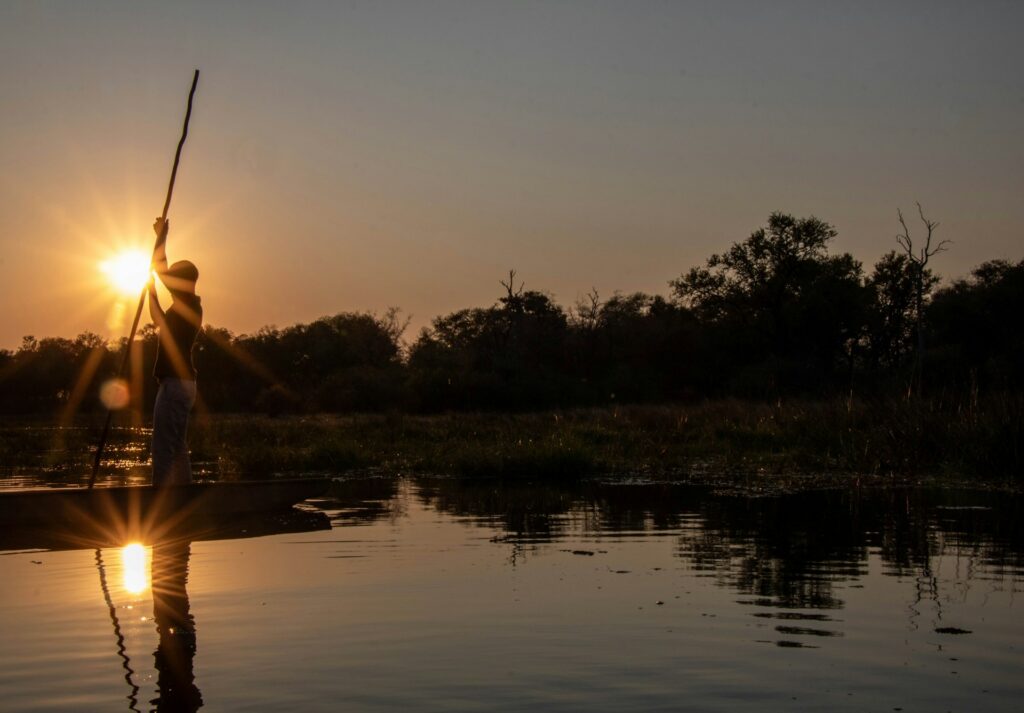
Mokoros have created a way for communities to make a living here, a living that involves sailing tourists from around the world slowly down these ancient waterways.
The boat safari has become an iconic way to travel in recent years, as an accompaniment to the traditional game drive, but there’s only a handful of places in Africa where you can have such an exclusive experience.
Did you know?
- There’s an annual mokoro race. The Nkashi Classic, held in Botswana since 2018, sees polers from villages across the delta compete to be crowned the fastest, with categories for men, women and veterans.
- During the flood season, the Okavango can swell to nearly 20 000 square kilometres, reshaping the very channels polers pole through.
- Mokoro polers have helped map the delta. National Geographic’s Okavango Wilderness Project has relied on expert polers to guide expeditions tracing the delta’s source rivers back into Angola.
- Not every community calls it a mokoro. In the Wayeyi language, the word “xobega” means “crossing”, a small reminder of how central these boats are to daily life.
- Many polers own their boats outright. In community-run trusts like the one based in Seronga, each poler owns his own mokoro, and tourism income goes straight back into the village.
What are Traditional Mokoros?
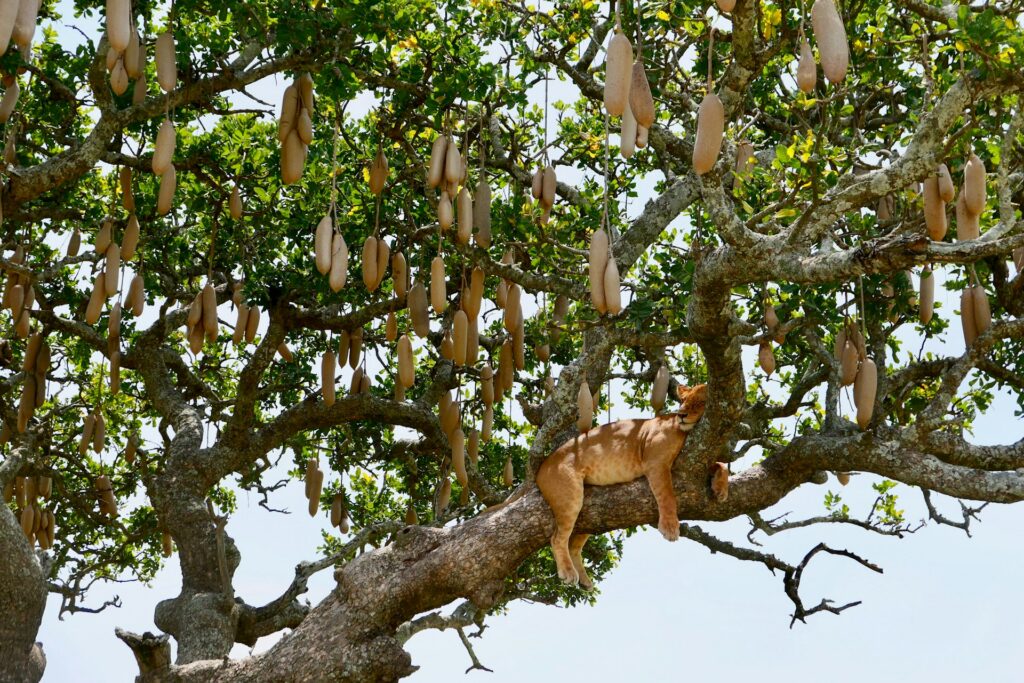
A mokoro is a dugout canoe, hollowed by hand from a single tree trunk, usually a Kigelia tree, also known as a sausage tree, and poled rather than paddled through shallow water.
The word “mokoro” comes from Setswana, and when spoken in plural, you will hear it pronounced as “mekoro”.
The BaYei people are widely credited with bringing the mokoro to the Okavango region in the 18th century, arriving from further north and settling along the delta’s edge. Once the idea got around, the Ngami people and others living along the delta adopted it as their preferred way of getting around.
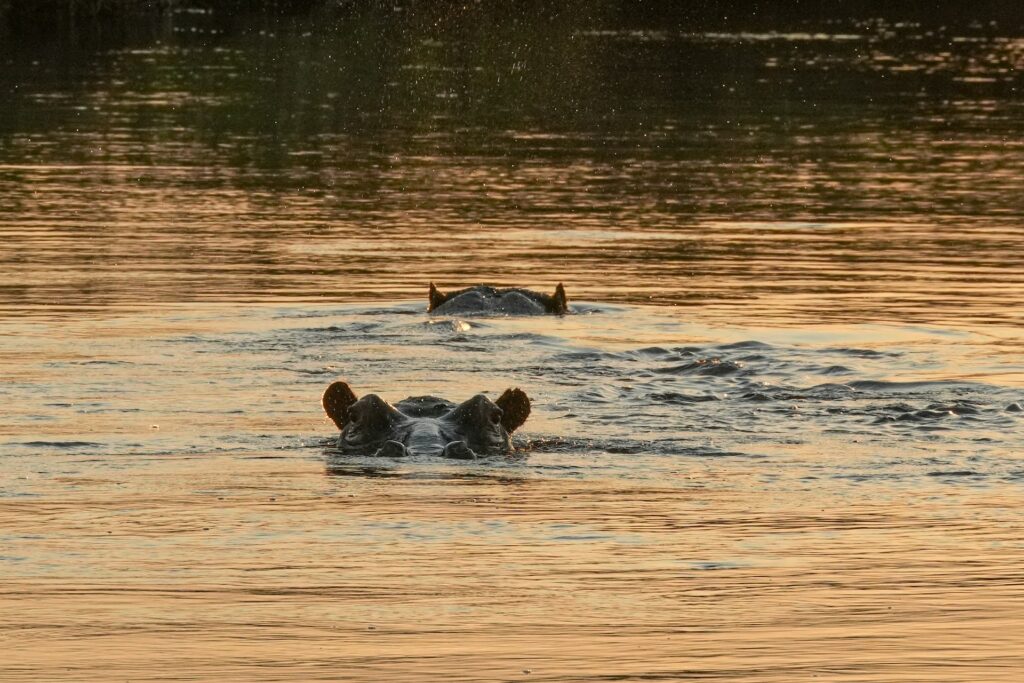
Long before the first safari lodge existed, the mokoro was simply the best mode of transport, used by a family to reach its fishing grounds, its reed beds, move things around, and stay connected with its neighbours across the water, avoiding the ever-present danger of lurking crocodiles and hippos.
Locals still use mekoro for fishing, for harvesting reeds used in basket weaving and thatching, and for the everyday business of getting from one island to another, which is why the mokoro is still such a recognisable piece of Botswana culture today and why it has so easily integrated into the safari scene.
A traditional mokoro canoe is narrow, low-sided, and usually around 6 metres from bow to stern.
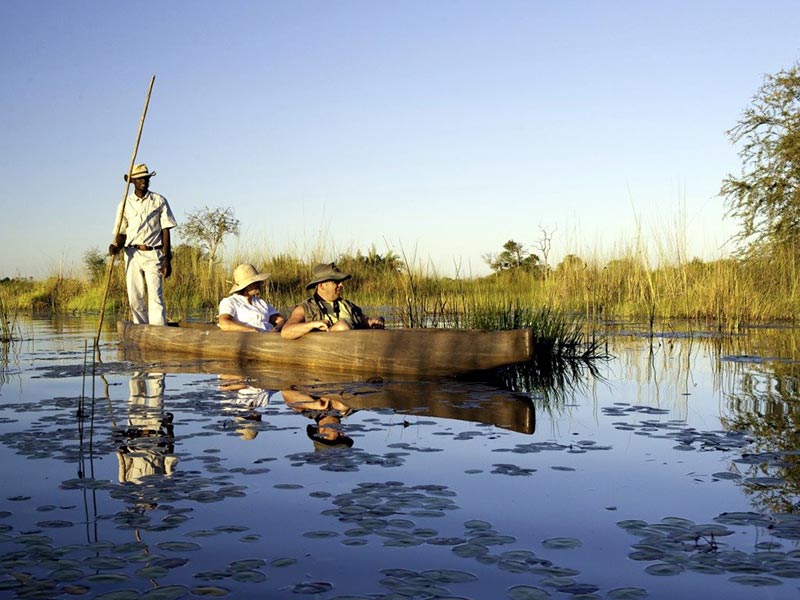
The poler stands at the back and, most often, the boat only carries a small number of passengers who will be seated low near the waterline, close enough to trail a hand through water lilies if the poler allows it.
How Are Mokoros Made?
Traditionally, the making of a mokoro began with the felling of a single straight hardwood tree, most often the sausage tree or the jackalberry, chosen for its strength and sometimes even blessed before the axe touched it.
The trunk was hollowed out by hand, first using fire to soften the wood and then an adze to carve it, a process that could take several weeks of patient, repetitive work, using skills passed down from father to son.
And while it might not look it, ensuring that the mokoro does what it is intended to do requires a certain amount of ingenious engineering and some physics.
A mokoro floats not because it is light, since a green hardwood log is anything but, but because its hollow shape displaces an amount of water equal to the weight of the passengers or whatever is being transported.
The low, flat-bottomed hull also keeps the canoe stable in shallow water, which is enormously important when your only ballast is a poler standing upright.
That poler propels the mokoro with a long wooden pole known as a ngashi, traditionally cut from a terminalia branch, which is pressed against the riverbed in the same way you would punt a boat down an English river.
Children in poling families often learn the technique before they learn to swim properly, which says something about how ordinary this extraordinary skill is to the people who grew up with it.
Where in Africa are they used?
The Okavango Delta in northern Botswana is the mokoro’s true home.
A UNESCO World Heritage Site since 2014 and one of the only places on earth where a river ends not in the sea but in a desert, the Okavango Delta is one of the continent’s most important ecosystems and most revered safari destinations.
Each year, the rain that falls on the Angolan highlands travels roughly 1000 kilometres south before arriving as floodwater in the Okavango, usually between June and October, filling the delta’s channels and giving travellers on a mokoro safari a truly once-in-a-lifetime experience.
You will also find mokoro at work on the Chobe River further east and also in Botswana, and the tradition continues along waterways in the Caprivi Strip, now also known as the Zambezi Region, of Namibia and parts of Zambia and Zimbabwe, wherever a shallow channel makes a pole more sensible than a propeller.
Botswana in particular has built its tourism around protecting these waters, keeping guest numbers deliberately low so that the delta’s ecology, and the mokoro tradition that depends on it, has room to continue.
Why the Mokoro is Ideal for Floating Along the Delta
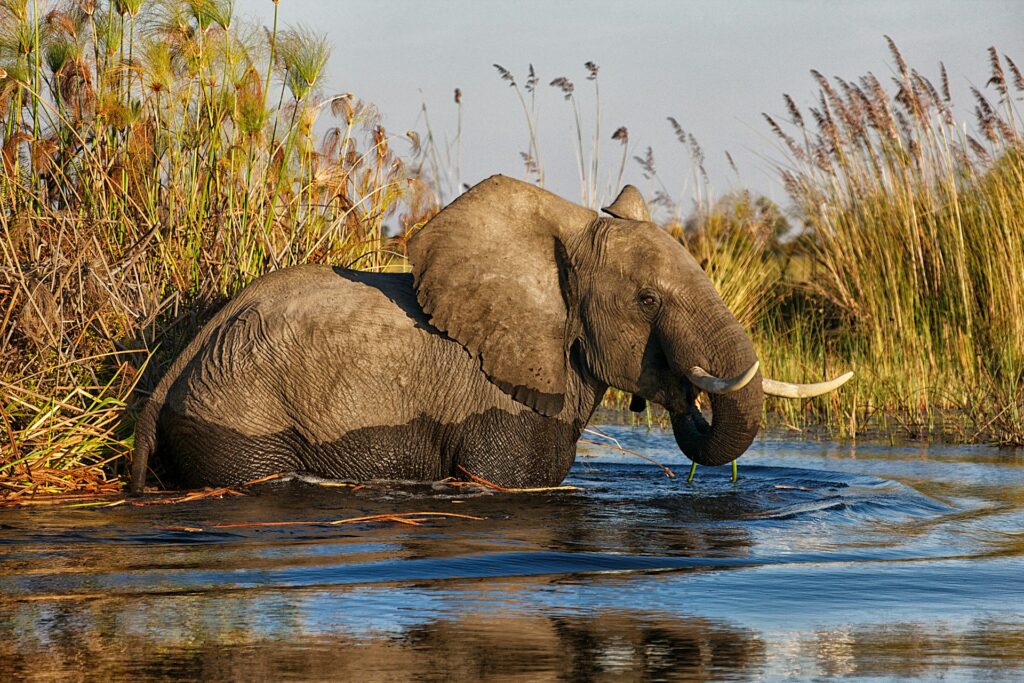
Much of the Okavango Delta is shallow, with channels that shrink to a few centimetres in places and vanish into papyrus reeds that no propeller could pass through.
A mokoro sits so lightly on the water that it can cross places that a motorboat would run aground on, which is precisely why they are so suitable for these waterways.
They are also ideal because they make absolutely no sound.
Aside from the drip of water off the pole, a family fishing or a small group of tourists taking to the waters at first light are no more disruptive to a heron or a lechwe than the breeze blowing gently through the reeds.
Other Traditional Boats Used in Africa
Elsewhere in Africa, other types of traditional boats are also used for transport and tourist excursions.
Across the continent, communities living alongside rivers and coastlines have created their own vessels from what the land gave them, each one suitable to specific weather conditions and a particular way of life.
Some of these boats are still used, though mostly for tourism.
The Dhow
Along the Swahili coast, from Lamu down to Zanzibar and Mozambique, the dhow has carried goods, people, and stories for centuries.
Its triangular lateen sail was designed to catch the monsoon winds, allowing traders to sail east on one seasonal wind and home again on the next.
Built from timber and at one time stitched together with coconut fibre before nailed planking became common, the dhow can still be seen moving through harbours where the scent of spice and salt has changed very little over time.
The Felucca
On the Nile, in Egypt and Sudan, the felucca has long been the vessel of choice for those who know the river intimately.
Flat-bottomed and rigged with a single broad lateen sail, it was built to work with the Nile’s currents rather than fight them, letting the wind do the labour while the boatman simply steers.
Today, a felucca ride at sunset near Luxor or Aswan is one of the most spectacular ways to see the river, and the ancient Egyptian temples, as they were always meant to be seen.
The Pirogue
Along the Niger River in Mali, and the Atlantic coastline of Senegal, the pirogue takes on many forms, but its look is quite unmistakable.
Long, slender and often painted in bold, layered colour, it is poled through the shallow channels of the Niger Inland Delta or paddled out into ocean swell by fishing crews before dawn. Hand-carved from a single length of wood, much like the mokoro, the pirogue speaks to a shared understanding across the continent that a boat should be built by the same hands that will depend on it.
The Ngalawa
Off the coast of Zanzibar and along the Tanzanian shoreline, the ngalawa carries fishermen out past the reef each morning.
Carved from a single mango tree and steadied by two outriggers, it is a fine example of engineering born entirely from experience.
Its small triangular sail and shallow draft make it perfectly suited to the short, purposeful trips of daily coastal life.
What Are Mokoro Safaris?
A mokoro safari is usually an hour or so spent gliding through the delta’s side channels, seated low near the waterline while a local poler takes you along routes they’ve known since childhood.
The best time is at dawn or dusk, and when you include a game drive or a bush walk afterwards, you’ll have the complete Botswana safari experience.
But before booking one, there are a few things you should know:
- Timing affects the experience
During the June to October flood, the delta opens up and poling becomes really easy. In the drier months, when the water levels drop, some camps swap mekoro for walking safaris instead. It is best to ask if this experience will be available when you intend to travel.
- You sit quite low
If you’ve already been on a game drive, you might be used to the idea of sitting up high. When you are on a mokoro, you’ll be sitting just above the waterline, which will bring you eye level with lily pads, dragonflies, and perhaps even the curious eyes of a hippo.
- That said, hippos are taken seriously
Polers are trained to read the water and give hippos and crocodiles a wide berth, which is why you should never sign up for a mokoro safari with just any operator. Only go with the one your tour company is working with or one recommended by your lodge.
- It suits most people
A mokoro safari asks very little of the body compared with a walking safari, which makes it a gentle option for travellers who want an intimate wildlife encounter without exertion.
- Pack light and pack dry
Space is limited to a poler and one or two guests, and the ride can get wet. Make sure that your camera is in a splash-proof bag and your jewellery is left at camp.
Modern Alternatives to Traditional Mokoros
Most mekoro used for safaris these days are made of fibreglass rather than wood, and there is a good reason for it.
A carved wooden mokoro has a lifespan that lasts only three to five years before rot sets in, which means that sustaining the tourism trade on wood alone would place unnecessary pressure on the delta’s slow-growing hardwoods.
Fibreglass mekoro have the same shape, low profile, and silence, while lasting for years and leaving the sausage trees and jackalberries standing.
These days, some camps even have glass-bottomed mekoro, which let guests watch African pike and nembwe moving through the channels beneath them.
That said, there are still a handful of camps that keep one or two wooden mekoro for demonstrations or for shorter outings on special occasions. If you’d like to see the real thing, it doesn’t hurt to ask.
Whichever hull you end up in, the skill of guiding such a boat has not changed at all.
There are only a few experiences that let you do something the same way it was done a hundred years ago.
A mokoro is one of them.
Mokoro is the Setswana word for a dugout canoe. The plural, mekoro, is the form you will hear most often once you are on the ground in Botswana.
With an experienced local poler, yes. Guides are trained to read the water and steer well clear of hippos and crocodiles, which is why a skilled poler matters more than the canoe underneath you.
The delta is at its fullest between June and October, once floodwater from Angola arrives, though many camps run mokoro trips whenever water levels allow.
Most excursions run for around an hour and are often combined with a game drive or a walking safari at the same camp.
Both exist. Most safari camps now use fibreglass to protect the delta’s hardwood trees, though a few keep a wooden mokoro for heritage demonstrations.