Africa’s Great Rivers
Enhance your reading experience—immerse yourself in the adventure with our audio version. Click play and let the sounds of Africa captivate you!
The waterways of Africa were once the arteries of the continent. They determined where people settled and where animals gathered. They carved canyons, fed floodplains, and gave life to the very same ecosystems that will stop you in your tracks, as your travels take you through these spectacular places.
If you want to understand modern day Africa, although there’s much more that influences life now, you have to start at the rivers.
A Note About Water in Africa
Water is the lifeblood of Africa.
The continent’s seasons are defined not by cold and warmth, as they are elsewhere, but by wet and dry. When the rains arrive, the rivers swell, and the floodplains fill. When the dry season settles in, wildlife concentrates along the remaining water sources in numbers that have to be seen to be believed.
This is why African rivers matter so deeply to the safari experience.
They are not incidental to the landscape. They are the reason why the landscape looks the way it does.
The papyrus beds, the wide sandbanks, the fever tree forests that line the banks, all of these are made possible by the rivers that flow through them.
And the animals have learned to follow the water, season after season, generation after generation.
Africa has roughly 8 to 25 major rivers, with a combined length of well over 40 000 kilometres.
Many of these rivers share water through huge interconnected drainage basins, meaning that a rainstorm in one country can raise river levels in another, thousands of kilometres away.
It shows you just how connected the continent really is, even beneath the surface.
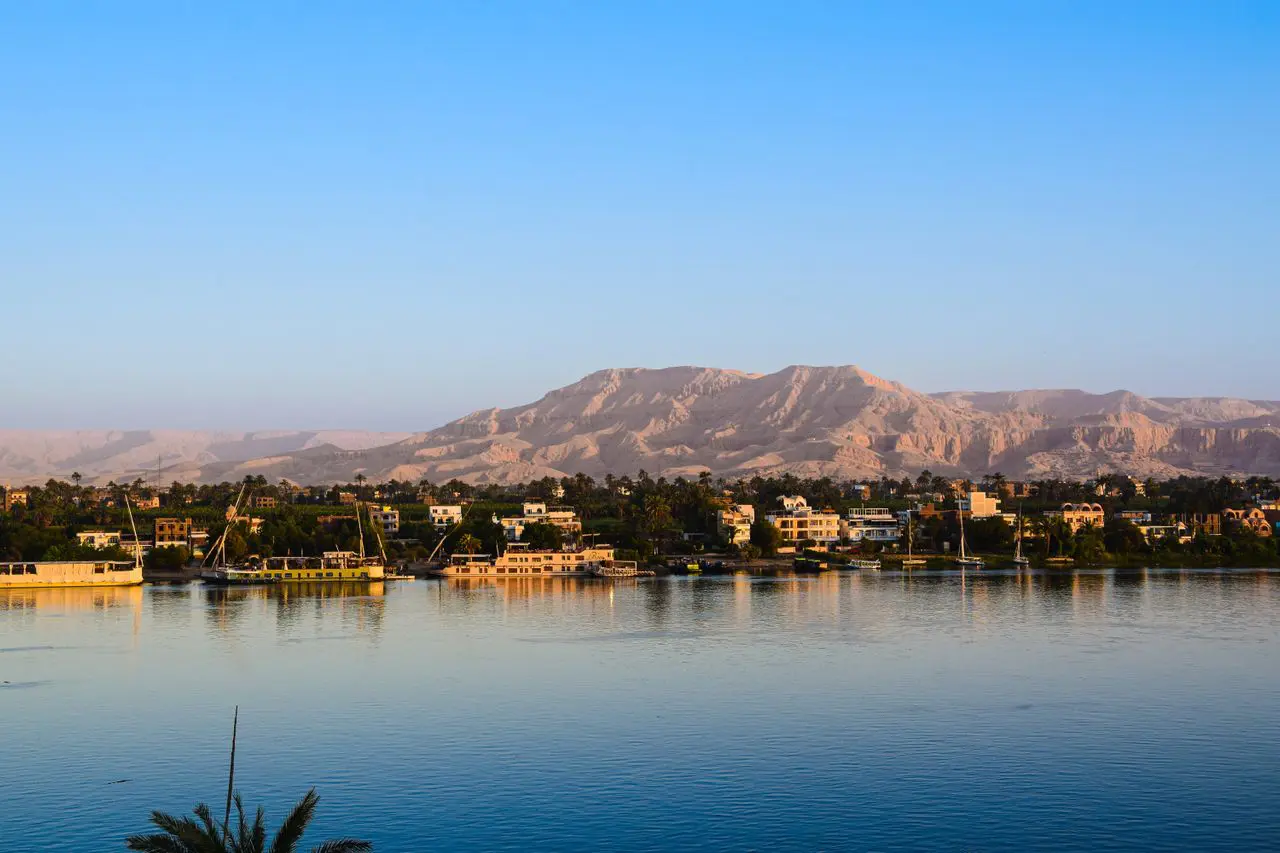
What Are the Major Rivers in Africa?
Africa is home to some of the world’s longest and most ecologically significant river systems.
Each river has its own character, its own basin, and its own cast of wildlife.
The Nile
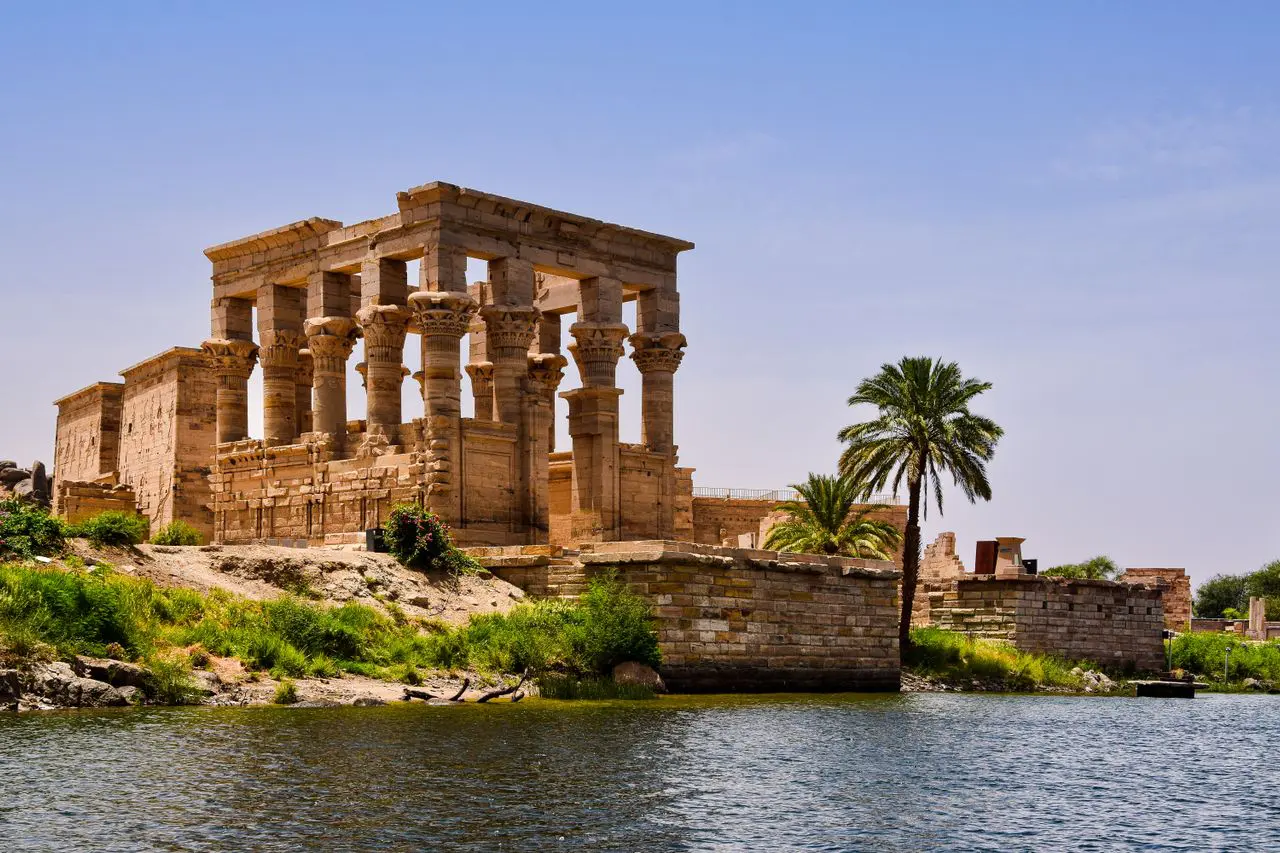
Flowing through 11 countries, including the one most famously associated with it, Egypt, the Nile stretches approximately 6 650 kilometres, making it the longest river in Africa and one of the longest in the world.
It has two main tributaries, the White Nile, which originates from Lake Victoria, and the Blue Nile, which begins in the Ethiopian Highlands, and the two merge at Khartoum in Sudan. These tributaries contribute as much as 85% of the Nile’s water during a good rainy season.
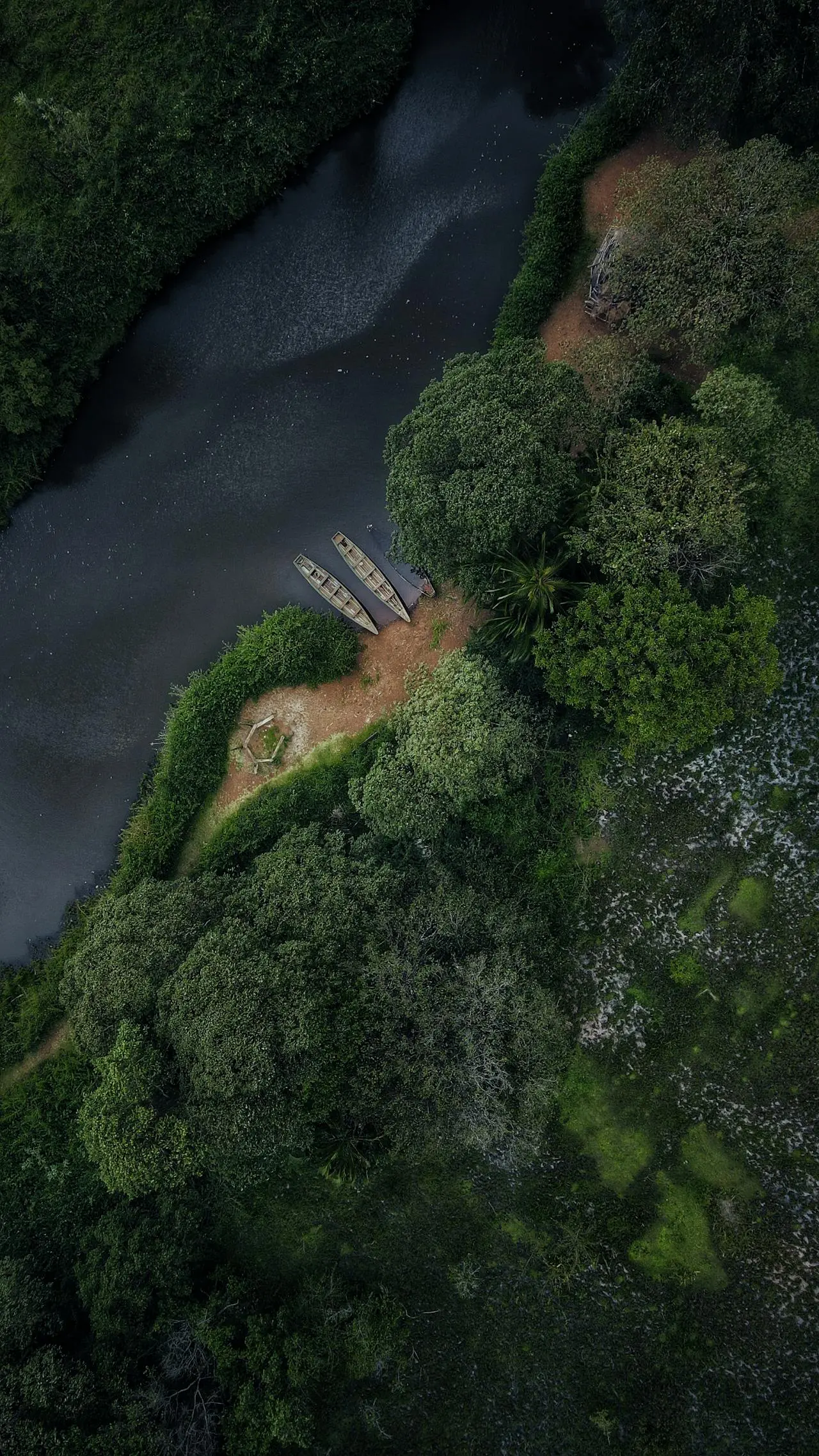
The upper reaches of the White Nile in Uganda are home to some of the most extraordinary birding and boat safaris, with travellers gliding through papyrus-lined channels along the way.
The Congo
The Congo River drains the second-largest rainforest basin on earth, covering parts of the Democratic Republic of Congo, Republic of Congo, Central African Republic, Angola, Zambia, and Tanzania.
At around 4 700 kilometres in length, it is the deepest river in the world, with sections measuring over 220 metres deep.
Because it straddles the equator, the Congo basin receives rain almost year-round, meaning the river maintains a relatively stable flow throughout the seasons.
The forests along its banks shelter gorillas, forest elephants, okapi, and over 700 species of fish, many of which exist nowhere else on earth.
In recent years, parts of the river have been dammed, and this has put strain on the communities that depend on it. If you are interested, you can read more about that here.
The Niger
The Niger River is West Africa’s great waterway, flowing through Guinea, Mali, Niger, Benin, and Nigeria before emptying into the Gulf of Guinea.
At approximately 4 180 kilometres, it forms one of the continent’s most unusual geographical features, the Niger Inland Delta in Mali. This incredible delta floods across 20 000 square kilometres each wet season, drawing millions of birds from across the Sahel.
The Zambezi
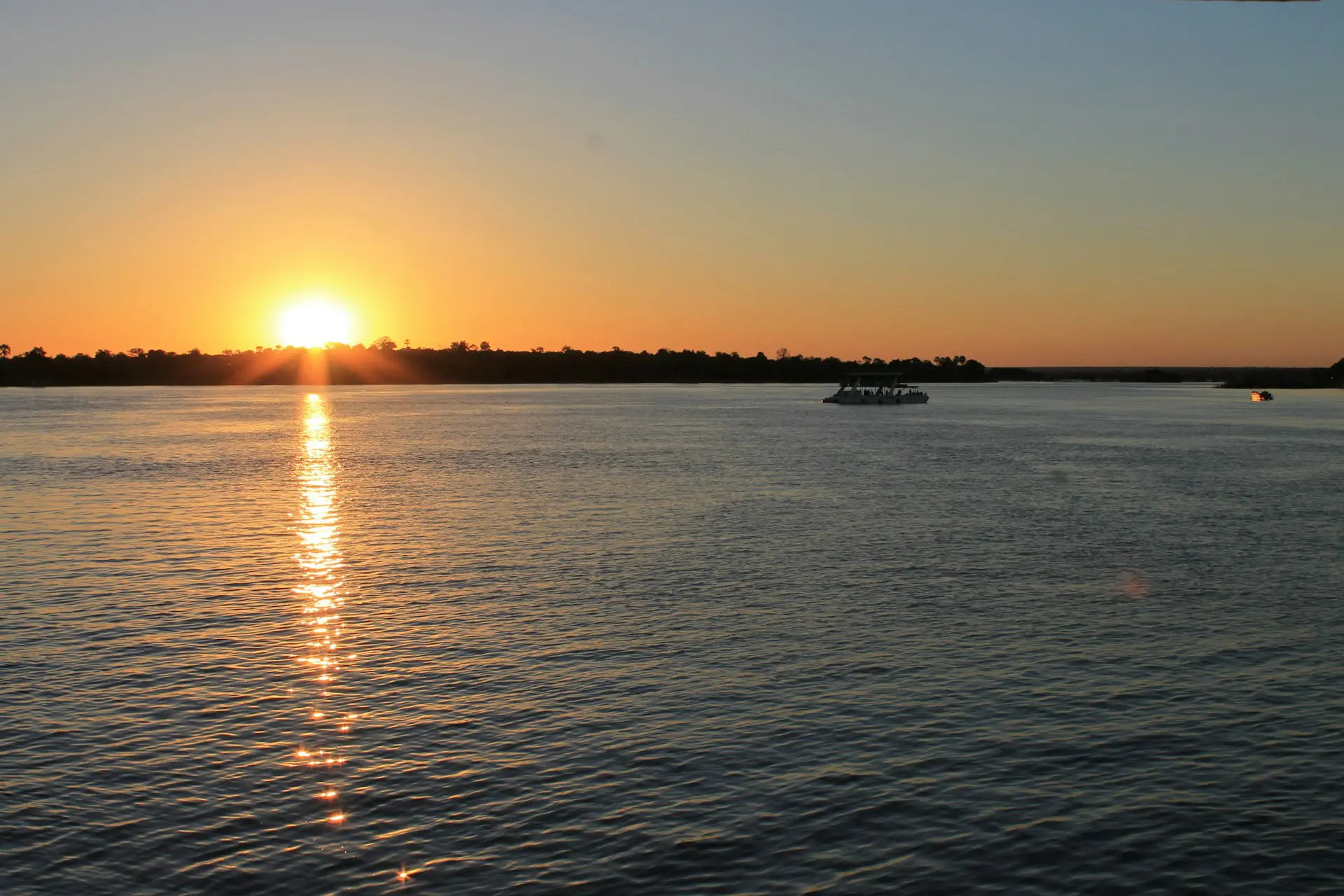
The Zambezi is arguably Africa’s most famous safari river.
Rising in northwestern Zambia, it flows through Angola, along the borders of Zambia and Zimbabwe, through Mozambique, and into the Indian Ocean.
At 2 693 kilometres, it is the fourth-longest river in Africa and the longest to flow into the Indian Ocean.
Along its journey, it drops spectacularly over the edge of a mountain and into a gorge, creating the Victoria Falls, one of the largest waterfalls on earth, before filling Lake Kariba and continuing through the Lower Zambezi valley.
River safaris on the Zambezi are famous for giving travellers some of the finest hippo, crocodile, and elephant sightings on the continent.
The Okavango
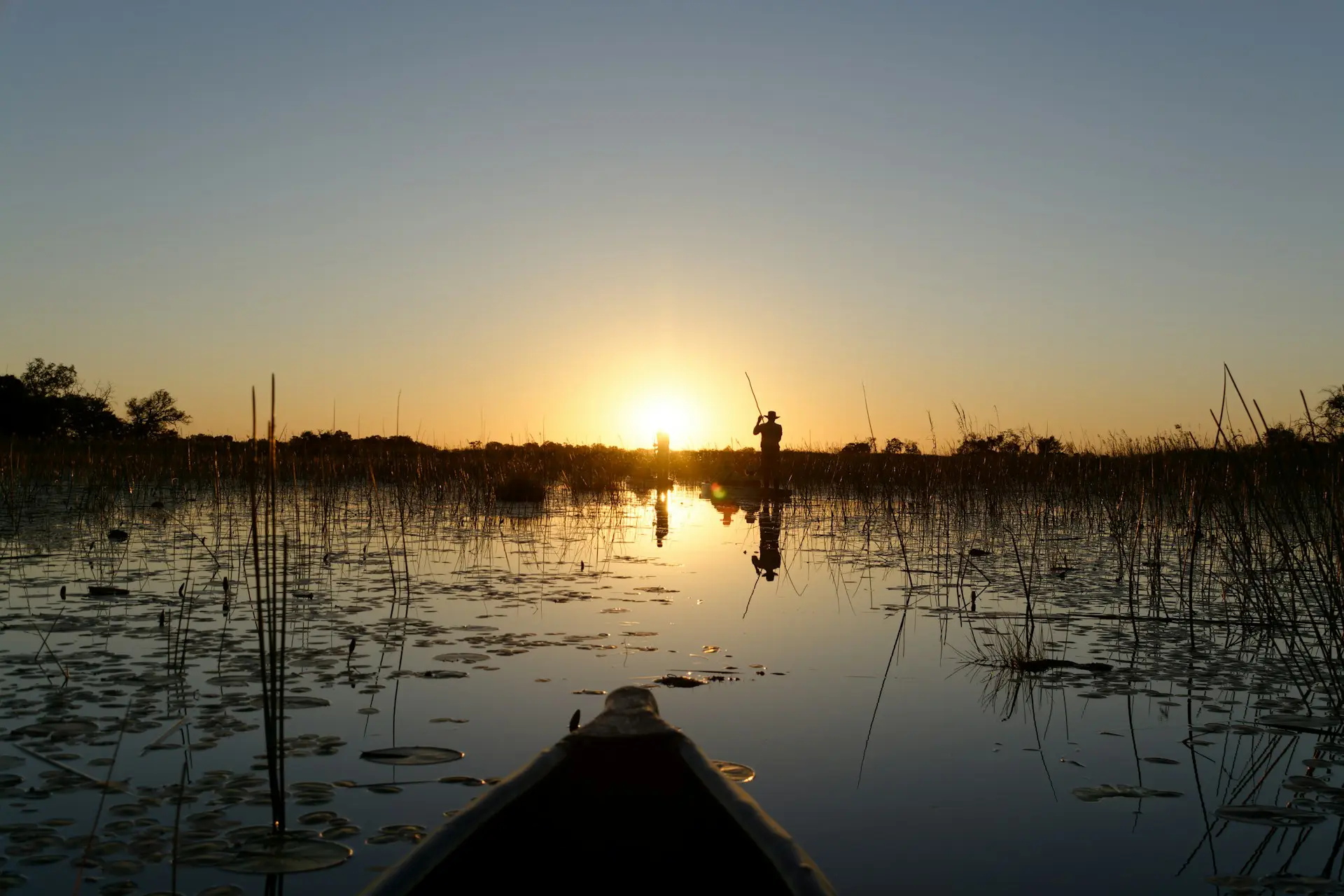
The Okavango is extraordinary for one very specific reason: it never reaches the sea.
Rising in the Angolan highlands, it flows southeast through Namibia’s Caprivi Strip and into Botswana, where it fans out across the Kalahari sands to form the Okavango Delta, the world’s largest inland delta.
The delta covers between 6 000 and 15 000 square kilometres depending on the season, and the timing of the floods is counterintuitive.
The floodwaters usually arrive in the dry season, between June and August, drawn down from Angolan rains months earlier.
The result is a flourishing green oasis in the middle of the driest part of southern Africa.
The Limpopo
The Limpopo forms the natural northern border between South Africa and Zimbabwe, flowing through Botswana, Zimbabwe, and Mozambique before reaching the Indian Ocean.
At approximately 1 750 kilometres, it is a river of extremes, prone to dramatic flooding after heavy rains and almost desert-like stretches in the dry season.
Rudyard Kipling famously called it the “great, grey-green, greasy Limpopo River, all set about with fever trees,” and anyone who has seen it in flood season will agree with his description.
The Chobe
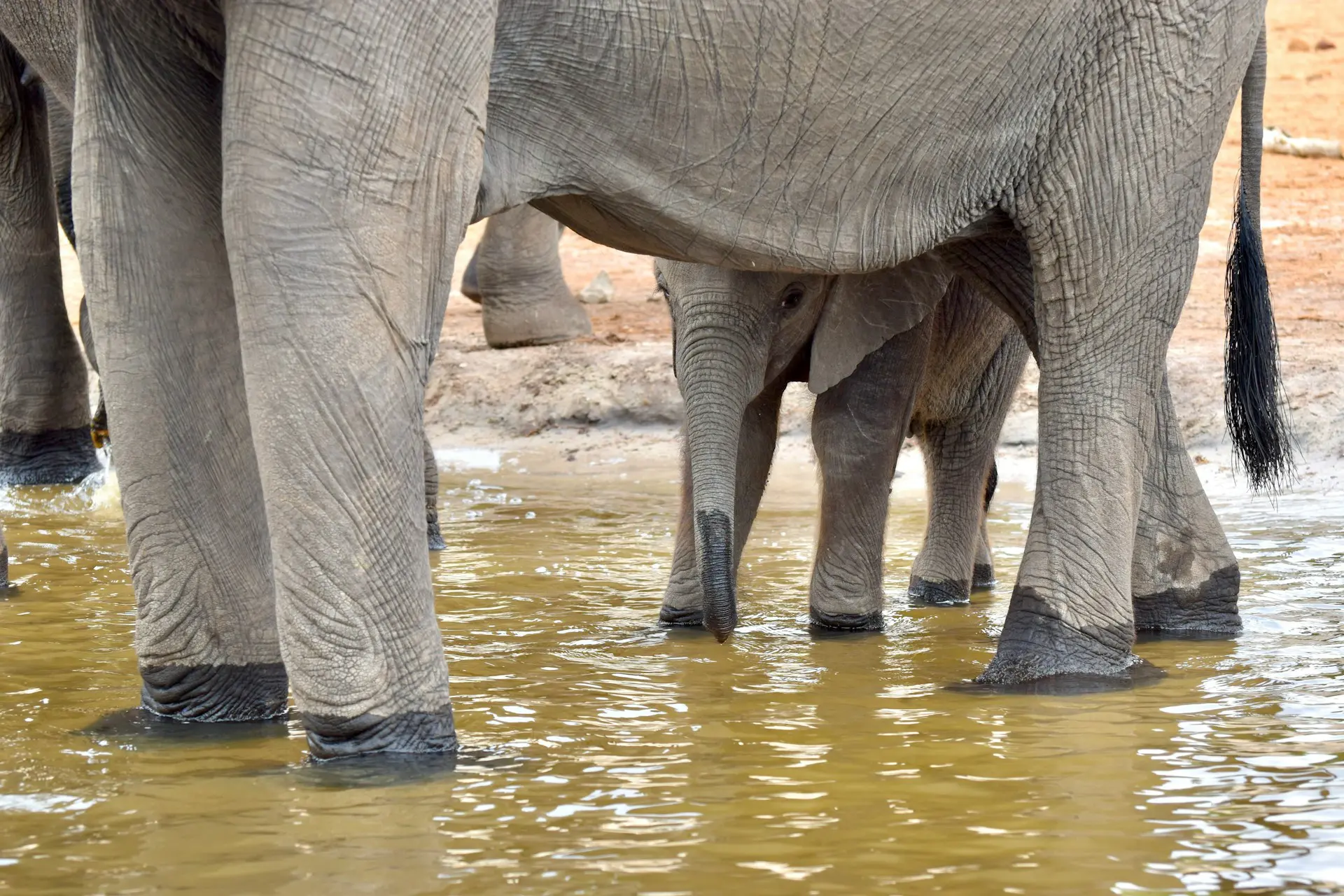
The Chobe may be short in length, but it punches well above its weight in terms of wildlife sightings.
Forming the border between Botswana and Namibia before joining the Zambezi, the Chobe River front in northern Botswana is home to one of the largest concentrations of elephants on the African continent, with estimates placing the local population at between 50 000 and 120 000 animals!
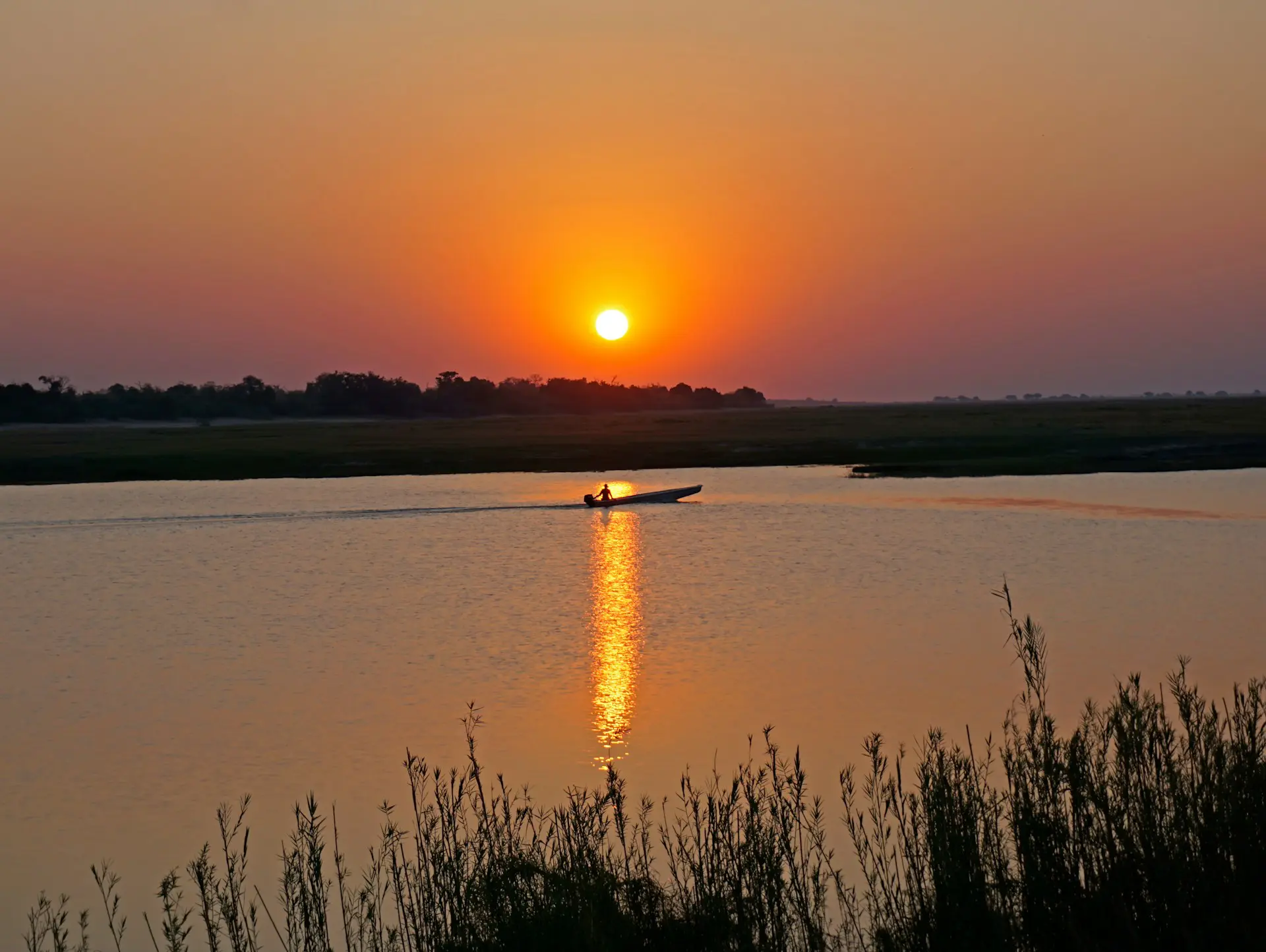
It is also one of the best places on the continent for a boat safari. Sunset boat safaris on the Chobe are among the most photographed wildlife experiences in Africa.
The Orange
South Africa’s longest river at around 2 200 kilometres, the Orange rises in the Drakensberg Mountains of Lesotho and flows westward across the Karoo and Northern Cape before reaching the Atlantic Ocean.
It forms the border between South Africa and Namibia along much of its lower course.
The Augrabies Falls, where the Orange drops 56 metres through a narrow gorge, is one of South Africa’s more spectacular and underrated natural sights.
And all along the river, there are citrus and date farms as well as wine farms, all fed by the river, as this area of South Africa, aside from these flowing waters, is absolutely arid.
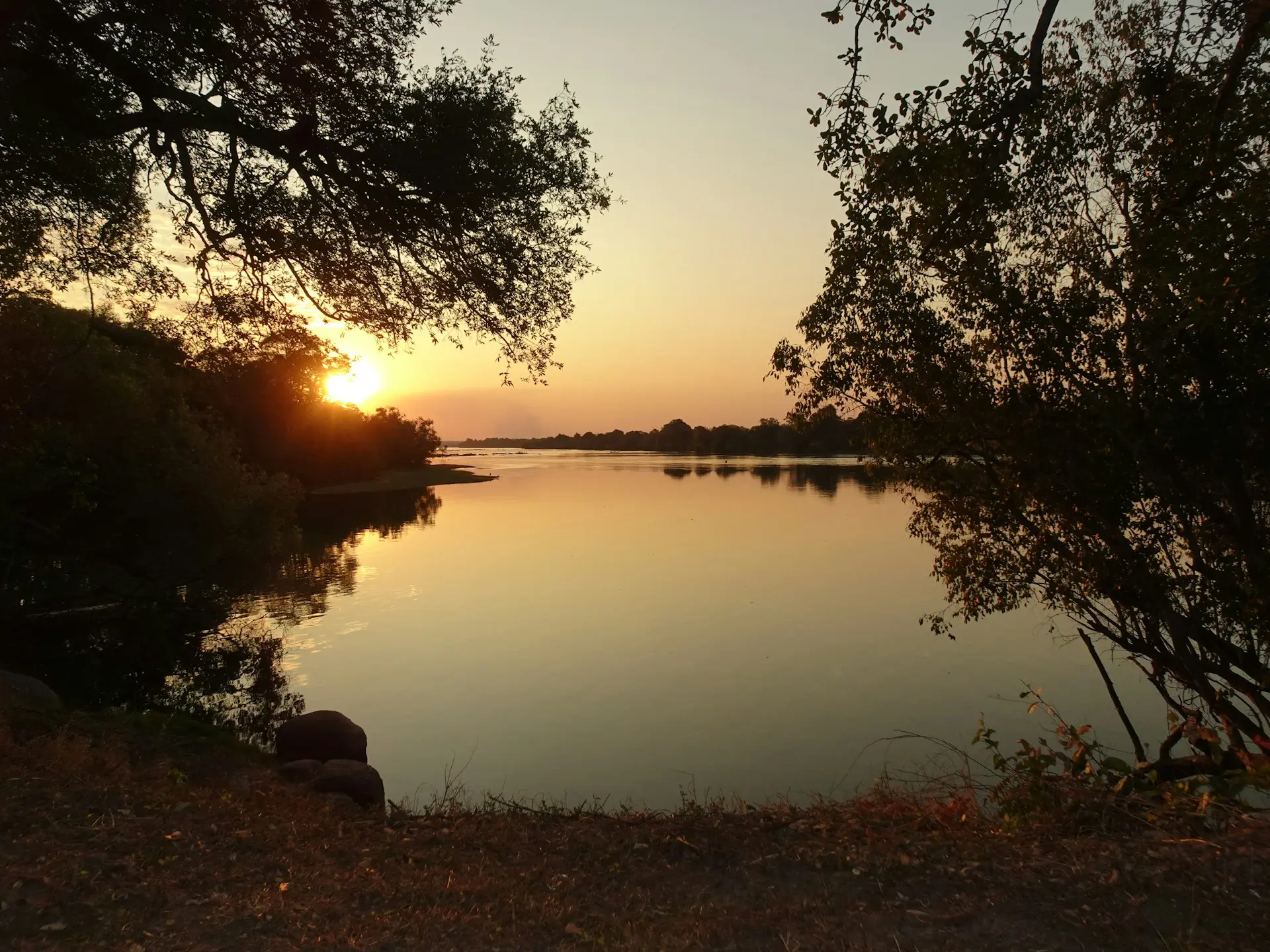
The Kafue
Zambia’s longest river at approximately 1 576 kilometres, the Kafue rises in the copper belt in the north and flows through Kafue National Park before joining the Zambezi.
The park is one of Africa’s oldest and largest, and the Kafue floodplains, known locally as the Busanga Plains, are famous for their enormous herds of red lechwe and the rare sitatunga antelope.
The river also supports large hippo and crocodile populations.
The Luangwa
The Luangwa flows through eastern Zambia before joining the Zambezi near the Mozambique border.
It is also at the centre of South Luangwa National Park, one of Africa’s finest wildlife destinations.
The Luangwa’s oxbow lagoons, formed as the river changes course over time, are among the most photogenic settings in African safari photography, and the park is widely credited with pioneering the concept of the walking safari.
SEE THE GREAT RIVERS OF AFRICA. PLAN YOUR TRIP WITH AFRICAN TRAVEL CONCEPT
Every great river has it’s season. Every season has a story.
If you want to be in the right place at the right time to see some of Africa’s greatest rivers, start with a consultant who has been there.
What are the major African rivers for a wildlife safari?
The Zambezi, Chobe, Okavango, Mara, and Luangwa are consistently the top rivers for safari wildlife sightings. Each offers a distinct experience: the Zambezi for its scale and canoe safaris, the Chobe for elephant concentrations, the Okavango for its extraordinary inland delta, the Mara for the Great Migration crossings, and the Luangwa for its dry-season drama. Specialist operators like African Travel Concept can help match the right river destination to your travel style and timing.
Which river in Africa has the most wildlife?
The Chobe River in northern Botswana is widely regarded as one of the most wildlife-dense rivers on the continent, particularly for elephants, with estimates suggesting between 50,000 and 120,000 animals in the greater Chobe area. The Luangwa in Zambia competes closely for sheer concentration of predators and hippos during the dry season, while the Mara River in Kenya and Tanzania draws the largest single wildlife event on earth during the annual wildebeest migration.
What is the best time of year for a river safari in Africa?
The dry season, generally from May to October in southern and East Africa, is the optimal time for river safaris. As water sources diminish, wildlife concentrates along rivers, making sightings more predictable and more dramatic. The exception is the Okavango Delta, which peaks in the dry season due to its counter-intuitive flood cycle: Angolan rains from earlier in the year arrive in Botswana between June and August, bringing the delta to its most lush state precisely when the rest of the region is at its driest.
Can you see the Great Migration river crossing on a safari?
Yes. The Mara River crossings, which form the most dramatic part of the Great Wildebeest Migration, typically occur between July and October as the herds move between Tanzania’s Serengeti and Kenya’s Masai Mara. The timing is unpredictable: herds can cross several times a day or not at all for days at a stretch. The best strategy is to spend at least four to five nights in the area during peak season to maximise the chances of witnessing a crossing. A specialist operator can advise on current migration positioning.
Which rivers run through the Kruger National Park?
Six major rivers run through the Kruger National Park: the Sabie, Olifants, Letaba, Luvuvhu, Crocodile, and Shingwedzi. Each river creates its own microhabitat and influences the wildlife patterns of the surrounding area. The Sabie is known for leopard and year-round flow, the Olifants for its dramatic clifftop views, the Luvuvhu for its tropical birdlife in the far north, and the Crocodile for marking the park’s southern boundary. Understanding which river runs through which section of the park is one of the most useful tools for planning a self-drive safari itinerary.