Things to Do in Zimbabwe: From Vic Falls to Hwange National Park
Enhance your reading experience—immerse yourself in the adventure with our audio version. Click play and let the sounds of Africa captivate you!
A Guide for Those Who Want to Explore Africa as it Really is.
Zimbabwe is the unsung hero of the African tourist circuit.
The country is most famous for its cascading Victoria Falls, but if you only see these waterfalls, you are missing out on an experience of a lifetime.
Zimbabwe has two World Heritage Sites to explore, a massive safari park where you can see a variety of wildlife up close, a spectacular climate that is warm all year round and perfect for enjoying the many, many things to do in Zimbabwe, and a rousing history that includes battles, triumphs, and the rise and fall of ancient kingdoms.
In this guide, we’ll help you plan the best possible trip to one of Africa’s most underrated destinations, one that includes all of the exciting things to do in Zimbabwe.
What Are the Best Things to Do in Zimbabwe?
Zimbabwe rewards the curious, the adventurous and those who are more than happy to take their time during their travels.
The best things to do in Zimbabwe include an array of activities and sightseeing, which range from laid-back to out of this world.
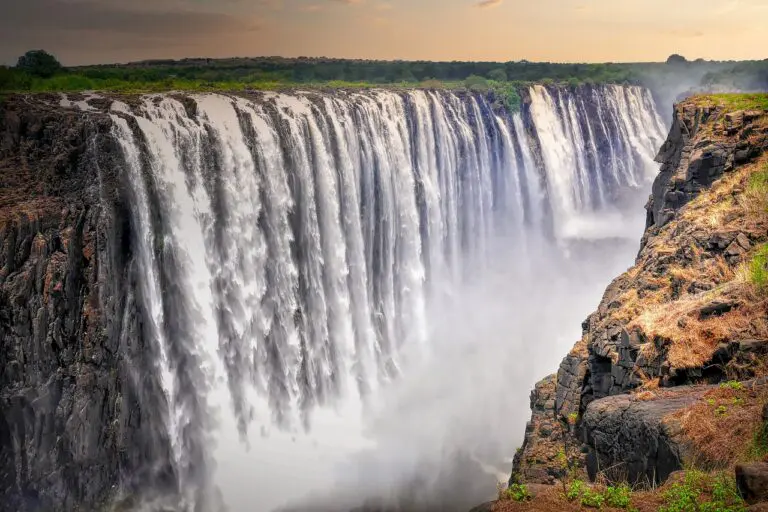
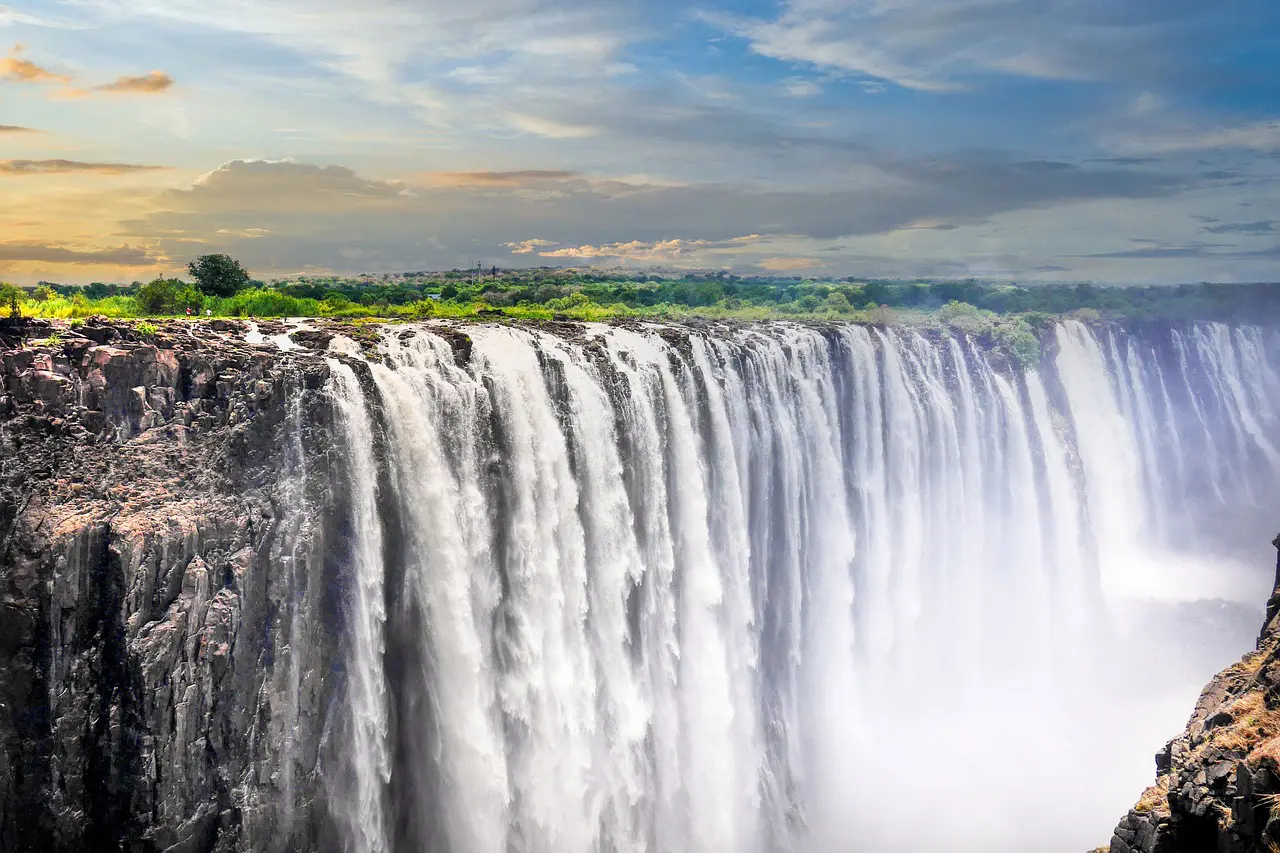
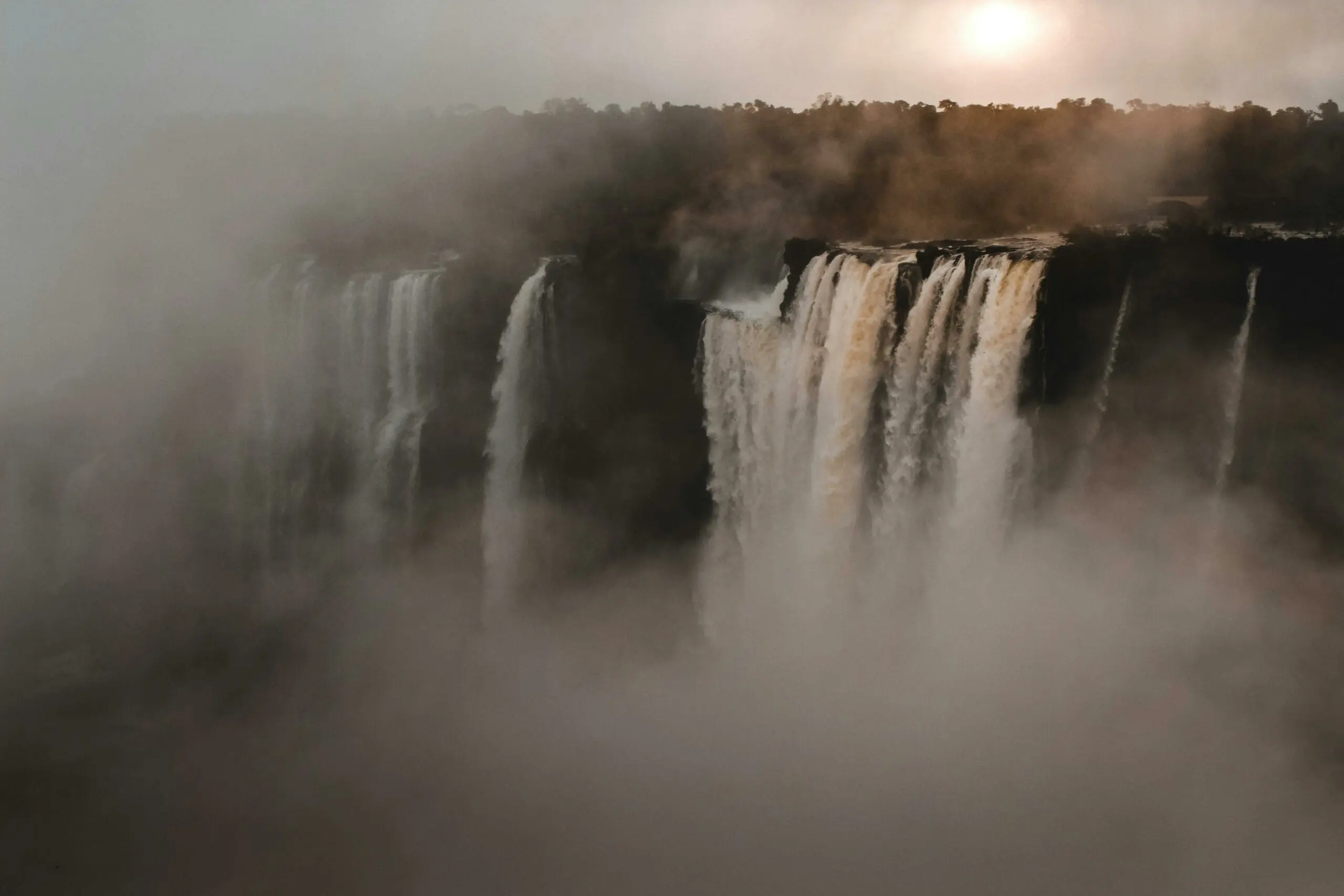
Right at the top of the list of things to do in Zimbabwe is standing at the edge of the cliff that looks out over the Victoria Falls. If you plan your trip just right and arrive after a heavy rainy season, the spray from the falls will leave you soaked!
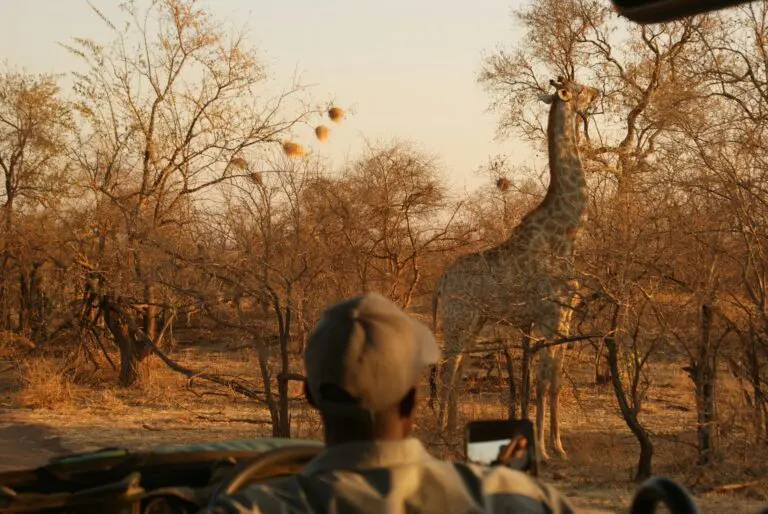
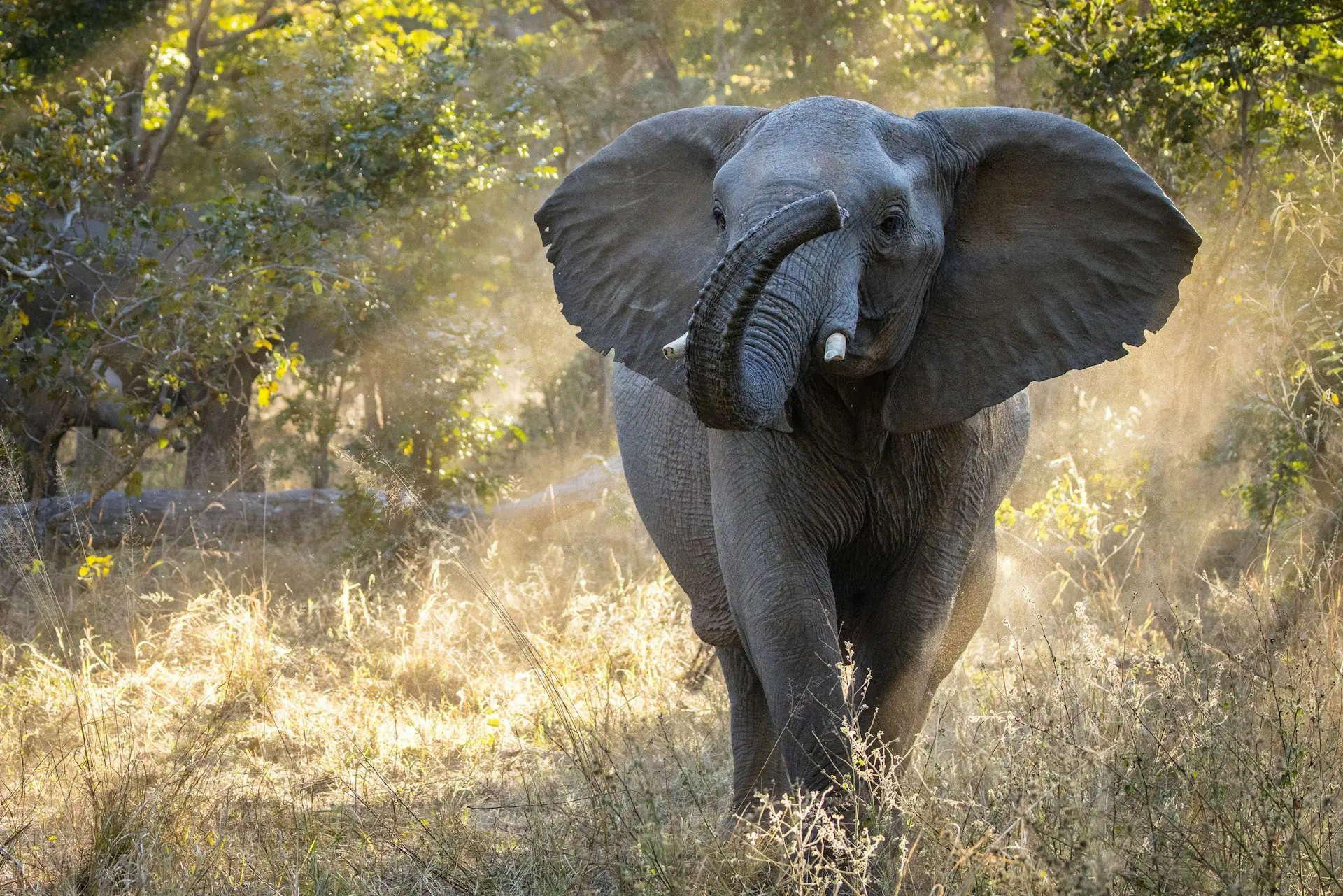
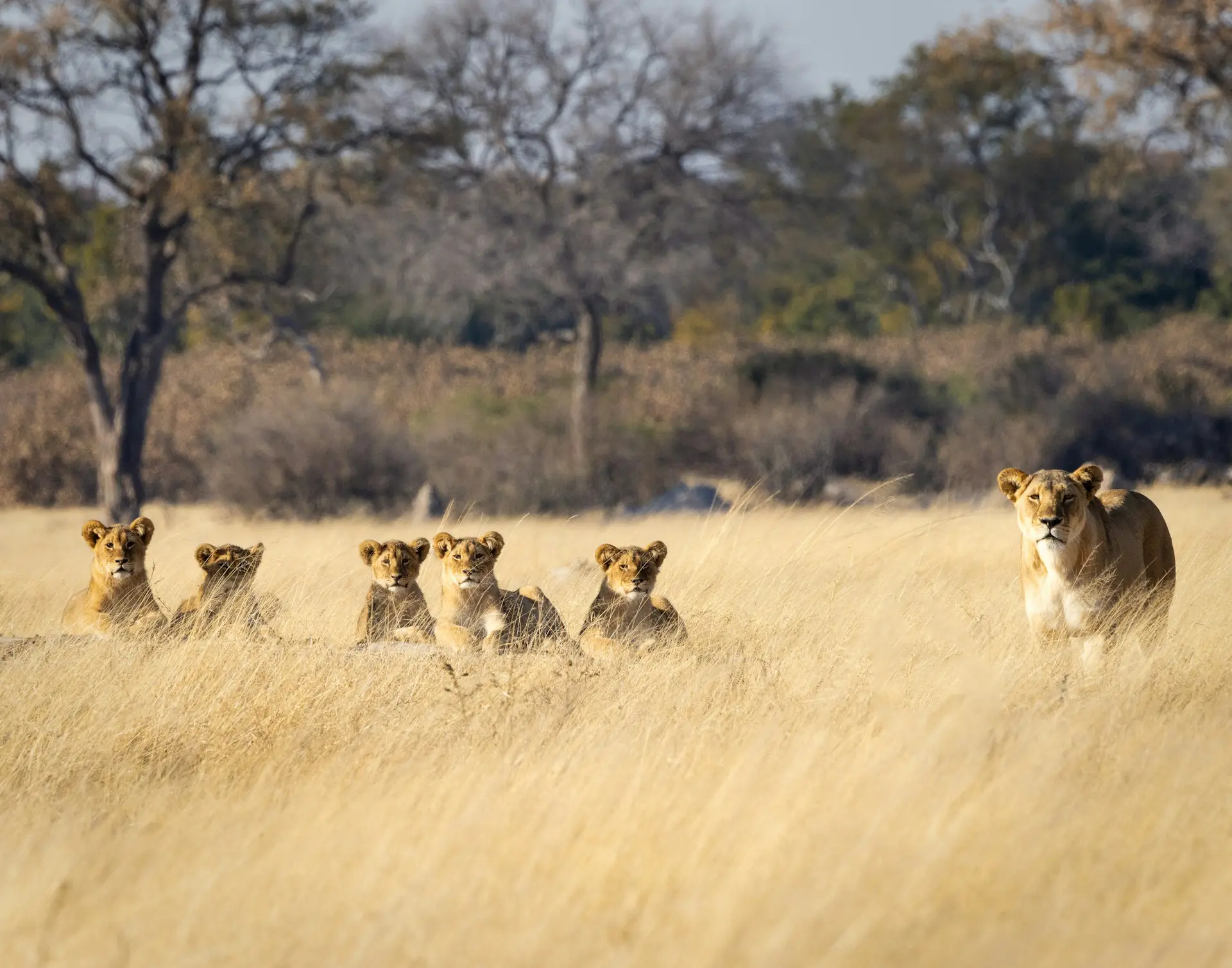
Another fun thing to do is to go on a classic safari. Tracking lions on foot through the acacia woodlands of Hwange, or watching a herd of elephants moving gently past your guided safari, is the stuff memories are made of.
If you yearn for something a lot more on your feet, then canoe-camping along the Zambezi at Mana Pools, where elephants wade into the current just metres away, is just what you should plan to do.
You can also visit Lake Kariba, the world’s largest man-made lake by volume. A trip here can add a completely different dimension to your Zimbabwe itinerary, and you can book a houseboat safari and spend the day drifting through flooded forests.
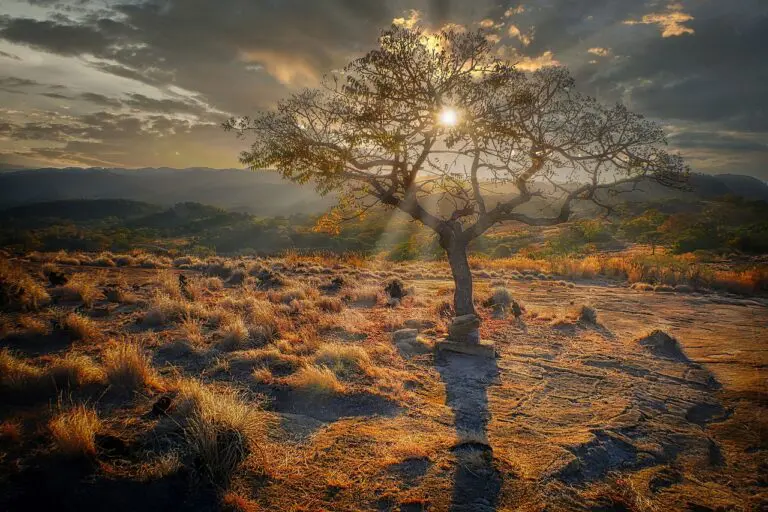
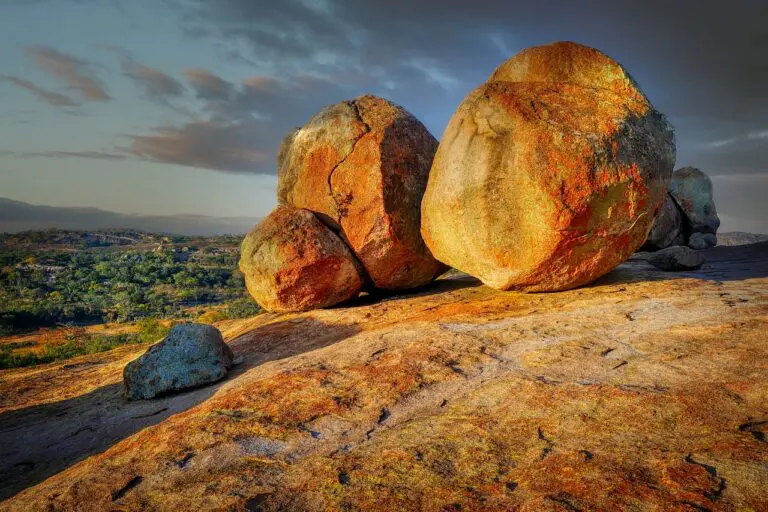
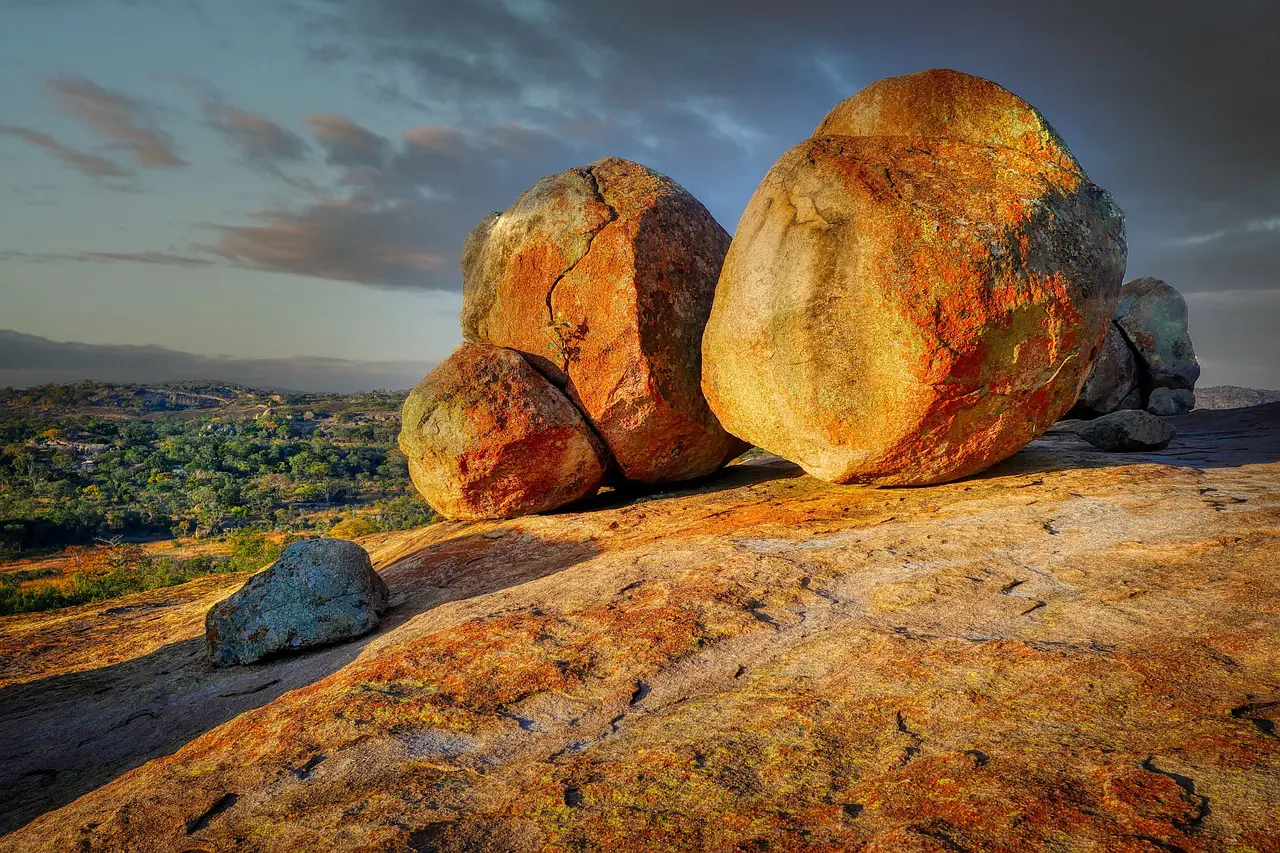
And to end it all off, you can hike in Matobo National Park, and watch the sun sink behind the balancing rocks of Matobo Hills as the last light catches the granite.
What is Zimbabwe Famous For?
Zimbabwe is famous, above all, for the Victoria Falls, one of the seven natural wonders of the world.
But although the falls are its most famous feature, there’s much more to see.
The ruins of Great Zimbabwe, a medieval stone city built between the 11th and 15th centuries and the largest ancient structure in sub-Saharan Africa, speak to a sophisticated civilisation that long predates colonial history and make for a fascinating stop during your travels.
The Matobo Hills, a UNESCO World Heritage Site that you’ll want to see, are not only spectacularly beautiful but home to the highest concentration of San rock art in the world, some of it more than 13 000 years old.
And Zimbabwe is also famous for producing some of Africa’s finest safari experiences, with Hwange National Park alone hosting more than 100 mammal species and one of the continent’s largest elephant populations.
Is Victoria Falls in Zimbabwe?
The Victoria Falls sits on the border between Zimbabwe and Zambia, with the Zambezi River forming the natural boundary between the two countries.
The falls are accessible from both sides, and you’ll get a vastly different perspective depending on which side of the falls you visit.
From the Zimbabwean side, you’ll have the most iconic and complete view of the full curtain of water, particularly during the drier months of August through January when visibility is at its clearest.
The Zimbabwean town of Victoria Falls sits directly adjacent to the rainforest that the spray from the falls has created.
The town itself has grown into a polished, well-functioning base for exploring the broader region, with excellent connectivity to both Hwange and the wider southern Africa circuit.
For many travellers planning things to do in Zimbabwe, the Victoria Falls is the natural starting or ending point of the journey, and quite rightly so.
What Makes Victoria Falls So Special?
The Victoria Falls, known locally as Mosi-oa-Tunya, meaning “the Smoke that Thunders”, has fascinated locals and early explorers for centuries.
It stretches 1 708 metres in width and drops up to 108 metres, creating a roar that is audible from 40 kilometres away and a plume of spray visible from even further.
But what makes the Victoria Falls so special is not just the size of it but also the sensations it will give you.
The pathway through the rainforest that lines the gorge is one of the most memorable short walks in all of Africa. During the rainy season, you’ll be soaked in the spray of the mist.
In the dry season, the Devil’s Pool on the Zambian side allows brave swimmers to sit in a natural rock pool at the very edge of the falls.
A visit to the falls is hands down one of the best things to do in Zimbabwe.
Can You Go on a Zimbabwe Safari?
Not only can you, but a Zimbabwe safari belongs on any serious list of Africa’s finest places for a game drive.
Hwange National Park, in the northwest of the country, covers over 14 600 square kilometres and sustains a wildlife population known for its density.
The park’s famous waterholes, many of which were established by the late conservationist and Hwange pioneer Mark Butcher, attract elephant, lion, wild dog, and cheetah in numbers that make game viewing here extraordinarily consistent.
Mana Pools National Park, a UNESCO World Heritage Site situated on the Zambezi floodplain, is regarded by many seasoned safari-goers as one of the most beautiful parks in Africa, and it is best explored by canoe or on foot with a qualified guide.
Gonarezhou National Park in the southeast, part of the Great Limpopo Transfrontier Park, is wilder and less visited still, a place where the red sandstone Chilojo Cliffs rise above the Runde River in one of the most painterly landscapes on the continent.
Planning things to do in Zimbabwe without a safari would be, quite simply, a missed opportunity of the highest order.
What Animals Do You Find in Zimbabwe?
Zimbabwe’s wildlife is abundant in numbers and variety.
Hwange National Park is the country’s best-known park, and it has an elephant population estimated to be between 45 000 and 50 000, making it home to one of the largest concentrations anywhere in Africa.
Within the park, you’ll also see lion, leopard, cheetah, wild dog, buffalo, giraffe, zebra, sable antelope, and more than 400 bird species.
Mana Pools is another national park you should visit to see animals. Here, you’ll see hippo, Nile crocodile, and extraordinary concentrations of lion along the river.
If you are really lucky, you might enjoy the hypnotic sight of elephants standing on their hind legs to reach the ana trees that line the floodplain.
Matobo Hills is one of Zimbabwe’s most reliable areas for white and black rhino sightings, with dedicated tracking experiences available through the park.
And then there is Gonarezhou, which is well-known for its nyala, eland, and the striking black-maned lions.
Of all the things to do in Zimbabwe, from a purely animal-watching perspective alone, game drives would fill a very satisfying two weeks.
Is It Safe to Travel to Zimbabwe Right Now?
Zimbabwe has, for well-informed travellers, long been a safe and welcoming destination.
The tourist infrastructure, particularly within the national parks and around the Victoria Falls, is well-maintained and professionally run, and the warmth of Zimbabwean hospitality is something that guests comment on consistently.
Most luxury safari camps and lodges will go out of their way to manage all of your logistics, from airport transfers to park fees, leaving you free to simply enjoy the trip.
As with any international travel, it is always sensible to stay current with your government’s travel advice, to do some research into what is currently happening in the country you’re planning to travel to and to book through a reputable specialist operator who knows the region well.
For travellers who have been hesitating, the honest answer is this: those who go to Zimbabwe come back changed, and they come back wanting to return so that they can finish their list of things to do in Zimbabwe.
How Long Do You Need in Zimbabwe?
A well-put-together Zimbabwe itinerary typically takes place over about eight to twelve nights, giving you enough time to do justice to the many things to do in Zimbabwe, without feeling rushed.
A recommended structure might open with two nights at the Victoria Falls, allowing you time to take in both the falls and some of the surrounding activities, before transferring to Hwange for three to four nights of serious game viewing, and then continuing to Mana Pools for a further three nights of walking and canoeing.
The most important thing to understand about planning around the things to do in Zimbabwe is that this is a country that genuinely repays every extra night you give it.
The more unhurried the pace, the deeper the experience, and the more reluctant you will be to leave.
Plan Your Holiday in Zimbabwe
African Travel Concept is a luxury Southern Africa specialist. We know Zimbabwe’s best parks, lodges, and landscapes, and we also know all the best things to do in Zimbabwe.
Have a chat with us to begin planning your Zimbabwe tour.
Do I Need a Visa to Visit Zimbabwe?
Most nationalities can obtain a visa on arrival at Harare or the Victoria Falls, with single-entry visas payable in US dollars. Zimbabwe also participates in the KAZA Univisa alongside Zambia, ideal if you plan to cross the border.
What is the Best Time of Year to Visit Zimbabwe?
May through October is prime season, when dry conditions concentrate wildlife around water sources and game viewing is at its most consistent. June through August is cooler and particularly rewarding in Hwange and Mana Pools. For the Victoria Falls at full flow, February through May is spectacular, though August onwards offers clearer views across the full width of the falls.
What Currency is Used in Zimbabwe?
The Zim dollar is the currency of choice in tourist areas, parks, and luxury lodges, with most high-end properties accepting credit cards.
Can I combine Zimbabwe with Zambia on the same trip?
Yes, and it is one of southern Africa’s finest combinations. Victoria Falls sits on the shared border, making it a natural pivot point between the two countries.
What should I pack for a Zimbabwe safari?
Neutral-coloured clothing is essential for game drives and bush walks. Pack light layers for cool early mornings, and do not underestimate the sun. A hat, high-SPF sunscreen, insect repellent, and sturdy walking shoes cover the basics.