Table of contents
Enhance your reading experience—immerse yourself in the adventure with our audio version. Click play and let the sounds of Africa captivate you!
Because they are such rare sightings, spotting a leopard while you are on safari has become a bit of an exclusive experience and something that will give you the ultimate bragging rights.
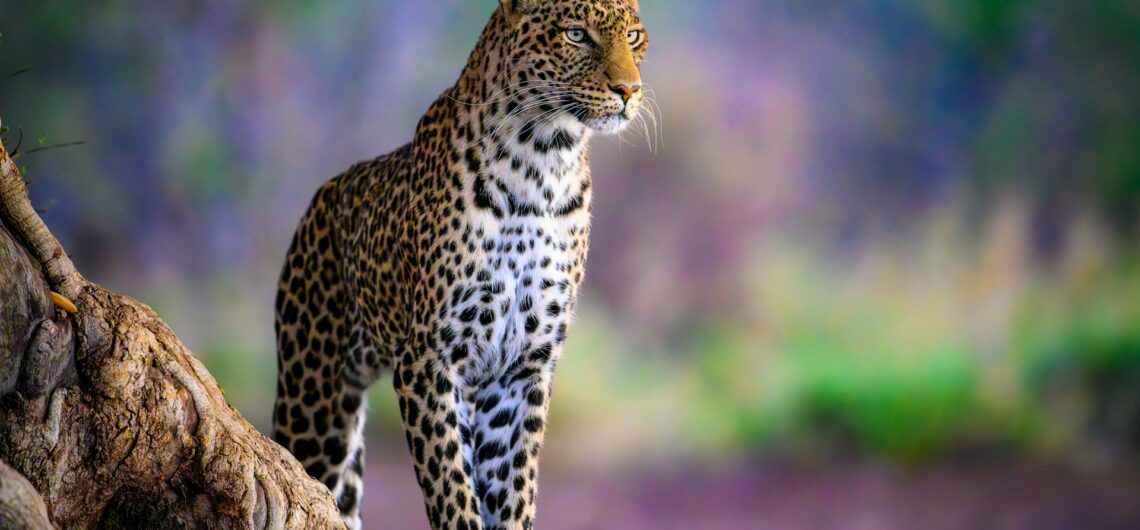
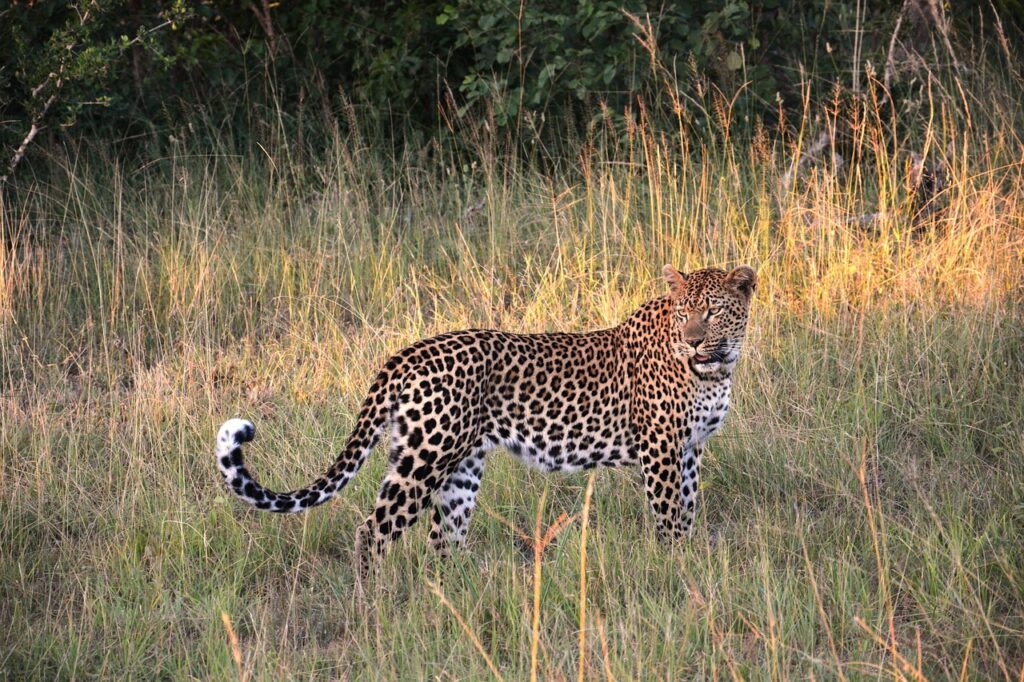
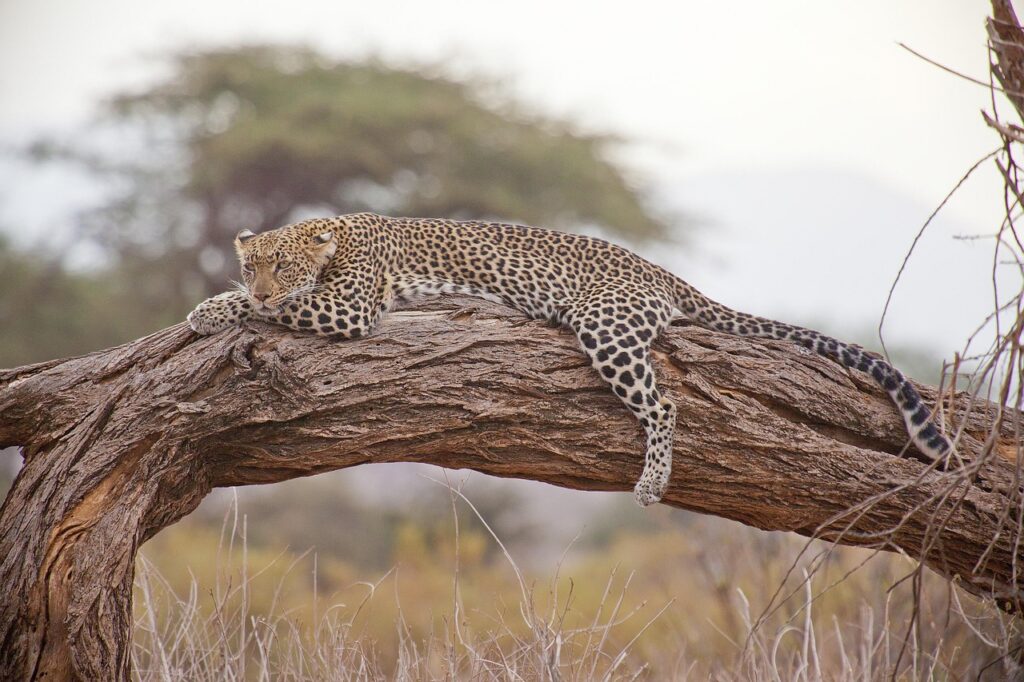
Watching a leopard slinking through the grass, sleeping on a branch almost completely hidden high up in a tree on a riverbank, or, like I had the luck of enjoying, having this big cat walk right up to your vehicle and rub itself against the door, is an extraordinary wildlife encounter.
Known for being solitary creatures, leopards are among the most sought-after sightings when on safari.
Often, the guests with the best luck are those who spend up to a week or more in a reserve, and then there are those, like me, who had the good fortune of coming across a leopard that just happened to be on a walkabout.
This guide is for the safari traveller who wants more than luck on their side. It covers the parks and reserves where leopard sightings happen with genuine frequency, what conditions make a destination stand out, and how to read the experience once you are in the field.

Why Leopards Are So Hard to Spot
The leopard is Africa’s most adaptable big cat, and also its most private.
Unlike lions, who seem almost indifferent to being watched, leopards have refined the art of invisibility, with their coats blending into the long golden grasses of the savannah or just staying well out of sight, lazing in a tree after a good meal.
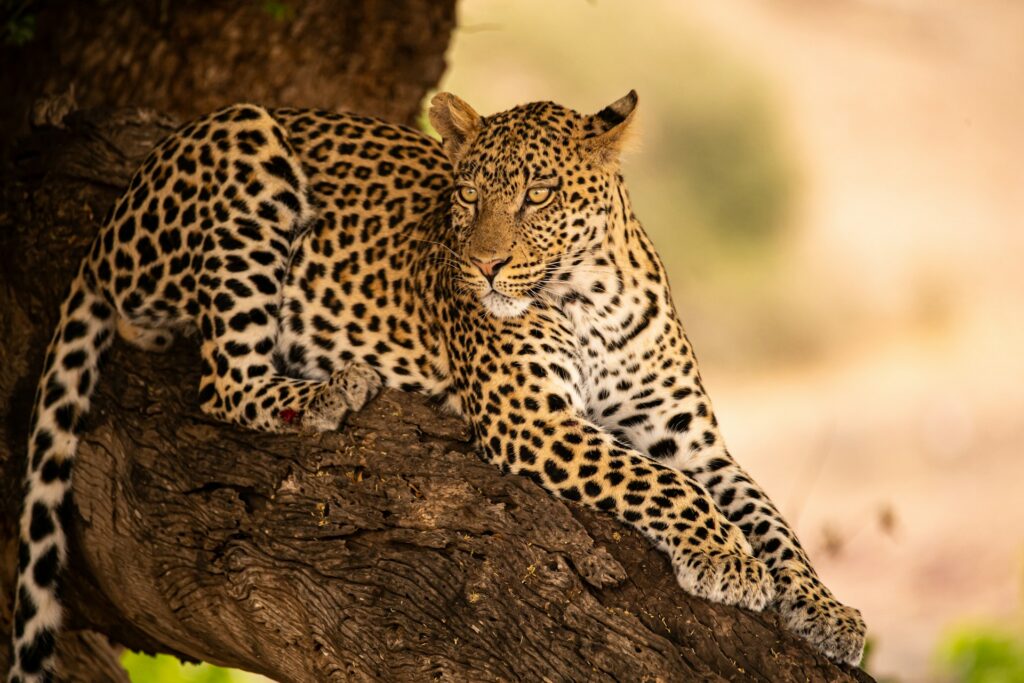
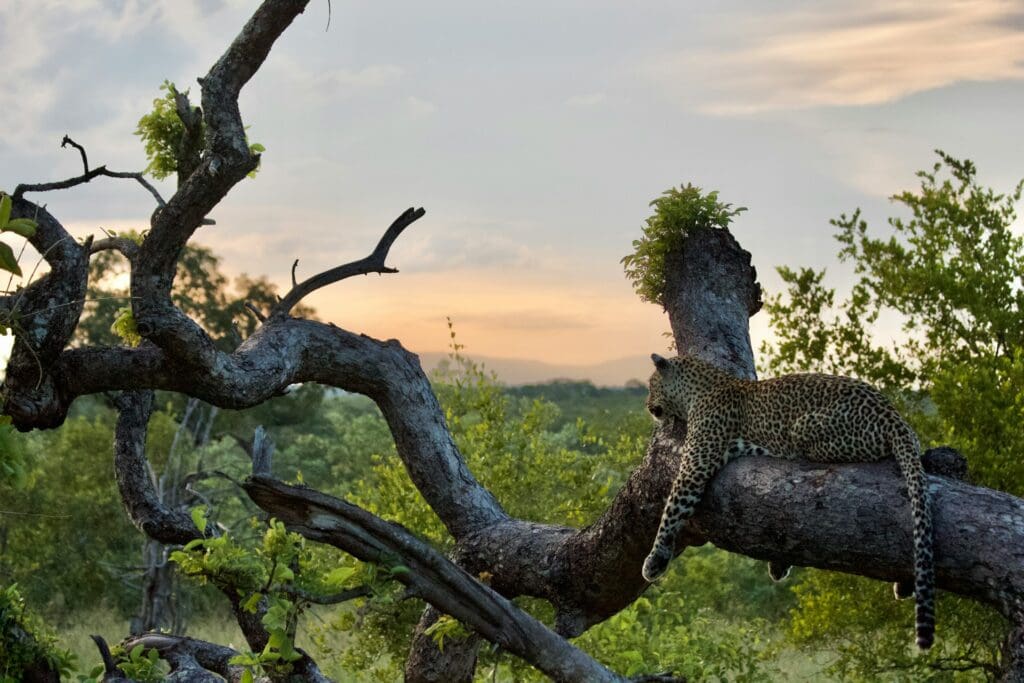
They are solitary by nature, covering enormous territories that they patrol largely at night. By day, they rest in the dense shade of riverine thickets, amongst rocky outcrops, or high in the fork of a tree, their spotted coats dissolving entirely into dappled light. Even knowing they are there, you can stare at the exact right spot and see nothing at all.
This is what makes a leopard sighting such an emotionally stirring event. It is not simply a tick on a list. It is a small, private exchange between you and an animal that chose, for a moment, to be seen.
What Makes a Great Leopard Safari Destination
The best leopard safari destinations usually share a few things in common.
The parks and reserves that have become famous for their consistently good sightings share certain qualities, and knowing what they are will help you make the best possible choice for your leopard safari.
High prey density is the first prerequisite of an exceptional leopard safari destination.
Leopards follow impala, bushbuck, and smaller antelope, so reserves with thriving prey populations tend to also have healthy, resident leopard populations.
Habitat variety also matters enormously.
Riverine woodland, open savannah, and rocky terrain are all leopard country, and the best destinations weave these habitats together, giving leopards the range of cover they need.
Low vehicle congestion is also important for both leopards and travellers.
The calmer the environment around a sighting, the more natural the leopard’s behaviour and the more meaningful the experience will be for you. Private conservancies and concessions with restricted visitor numbers tend to be the best option for low congestion.
And having skilled guides and trackers is arguably the single greatest factor for ensuring that you get that leopard sighting.
The ability to read spoor, interpret alarm calls from other species, like baboons, and understand the specific movement patterns of known individuals is what turns an ordinary game drive into something altogether different.
South Luangwa National Park, Zambia
South Luangwa in Zambia is widely regarded as one of Africa’s most important leopard destinations, and the bush telegraph has been saying so for decades.
The park’s dense riverine vegetation along the Luangwa River creates the ideal leopard habitat, and the guiding culture here is well-known for being exceptional.
Guided night drives are permitted and form a core part of the South Luangwa experience, which opens up the nocturnal world that most African parks keep closed.
Resident leopards here are used to seeing and hearing vehicles and they have been observed and studied over generations, giving guides an intimate knowledge of individual animals and their territories.
If your primary motivation is serious leopard viewing, South Luangwa should absolutely be your first choice.
Sabi Sands Game Reserve, South Africa
There is a reason that Sabi Sands has become the name most associated with exceptional leopard sightings in Southern Africa.
The reserve shares an unfenced boundary with the Kruger National Park, and this allows wildlife to move freely across a large area. The leopard population here is big and it is well-studied.
Luxury lodges within Sabi Sands operate with restricted vehicle numbers and highly skilled tracker-guide teams, which means that when a leopard is found, guests can take their time and fully enjoy the experience. Big Five sightings are almost a given here, which really adds to the overall experience.
For many, a first encounter with a wild leopard happens in Sabi Sands.

The Kruger National Park, South Africa
The Kruger is the great classic of the South African safari, and its leopard population, while rare to come across, should not be underestimated.
The park covers nearly two million hectares, and while the busier southern sections can get crowded during the peak season, the northern reaches and central areas have plenty of leopard habitats
The riverine bush that runs along the Sabie and Crocodile rivers is leopard territory.
If you are self-driving and staying in the park, you’ll have excellent luck, especially if you leave the camp for a game drive at dusk and dawn.
Moremi Game Reserve, Botswana
Set within the Okavango Delta, Moremi is one of the most spectacular wildlife destinations on the continent.
And it also just happens to be serious predator country.
The mix of floodplains, palm islands, and dense mopane woodland is a playground for leopards.
Botswana‘s high-value, low-volume tourism model also means that visitor numbers throughout the year are carefully controlled, and game drives are never rushed or crowded.
When a sighting happens, it tends to be long, close, and absolutely quiet.
Combined all this with the extraordinary landscape and the possibility of viewing wildlife from both vehicle and boat, Moremi is the ultimate safari experience.
Serengeti National Park, Tanzania
The Serengeti is most often discussed in the context of the wildebeest migration, which can certainly draw significant visitor numbers to certain areas.
But step away from the migration circuit, and the Serengeti has another side to it.
The rocky kopjes that rise from the golden grass are classic leopard territory. These granite outcrops provide shade, lookout points, and excellent ambush cover for these extraordinary big cats.
Leopards found near kopjes tend to be relaxed and photogenic, often resting in full view through the warmest part of the day.
It also helps that the Serengeti’s prey density is exceptional, which sustains a healthy resident leopard population year-round.
Maasai Mara National Reserve, Kenya
The Maasai Mara is extraordinary, and it has, through movies and stories shared by fellow travellers, become the most iconic safari destination in all of Africa.
But rather than congregate on the famous grasslands, leopards here tend to stick to the more wooded riverine corridors along the Mara and Talek rivers, where massive wild fig trees provide both shelter and vantage points for hunting.
How To Choose the Right Place for a Leopard Safari
The best leopard safari is the one that matches what you are actually looking for. Each destination in this guide can give you something distinct, and the right choice depends entirely on the kind of experience that appeals to you.
For the most consistent sightings: Sabi Sand and South Luangwa are the best all-round choices, with habituated leopards, excellent guiding, and sightings that happen with genuine regularity.
For Big Five sightings: The Kruger and Maasai Mara can give you both leopard sightings as well as glimpses of the other members of the Big 5.
For luxury landscape and serious predator viewing: Moremi and the Serengeti have some of the most visually beautiful settings in Africa alongside superb leopard sighting potential.

PLAN YOUR LEOPARD SAFARI WITH AFRICAN TRAVEL CONCEPT
If you know that a leopard encounter is high on your list, you need a travel consultant who can help make that happen
Sabi Sand Game Reserve in South Africa and South Luangwa National Park in Zambia are consistently regarded as the top two destinations for reliable leopard sightings. Both combine habituated leopard populations with highly skilled guiding teams and environments that genuinely favour close viewing.
Leopards are solitary and largely nocturnal, and their spotted coats provide remarkable camouflage in both dense vegetation and dappled light. They are also wary of open exposure, preferring to rest in trees or thick cover during daylight hours. Skilled trackers and night drive access significantly improve the odds of an encounter.
South Africa and Zambia are frequently cited as the strongest options for dedicated leopard viewing. South Africa’s private reserves, particularly Sabi Sand, benefit from long-habituated leopard populations. Zambia’s South Luangwa has outstanding guiding and permitted night drives. Both countries have well-developed luxury safari infrastructure.
In Southern Africa, the dry season between May and October generally produces the best wildlife viewing conditions. Reduced vegetation makes animals easier to locate, and wildlife concentrates around water sources. In East Africa, leopards can be seen throughout the year, though the dry seasons in January to February and July to October offer clearer visibility.
Yes, and with more frequency than many self-drive visitors expect. Leopards in Kruger are most reliably found in riverine areas, particularly along the Sabie and Crocodile rivers. Early morning and late afternoon drives, when leopard activity increases, give the best odds. The quieter northern sections of the park also hold strong leopard populations with noticeably less vehicle traffic.