Table of contents
Enhance your reading experience—immerse yourself in the adventure with our audio version. Click play and let the sounds of Africa captivate you!
One of the great privileges of living less than an hour from the Kruger is this: on any given Friday afternoon, you can pack a bag, load the car, and be watching the sun sink behind the treeline before the week has properly ended.
In a few weeks, I will do exactly that.
And somewhere between pulling out the binoculars and deciding which camp to head for first, I found myself thinking about the nature of the safari itself, about the various safari types.
Not the destination, but the experience. More specifically, the kind of traveller you are when you arrive at one.
Some travellers will plan a safari the way others plan a wedding. Every detail is thought about over and over, every sunrise activity accounted for, and they have put together a shortlist of lodges so precise that their planning is like a work of art.
These are the travellers who arrive knowing exactly where they want to be and what they hope to see.
And then there is the other kind.
The traveller who throws a tent in the boot, drives to the gate with a camera and a loose plan, and trusts the bush to do what it has always done.
There is no wrong way to experience Africa. There is only the way that suits your temperament, your pace, and perhaps most honestly, your character.
What the safari world does have, however, is a type. Your type. And understanding it before you book your holiday is the best way to ensure your holiday kicks off on the right note.
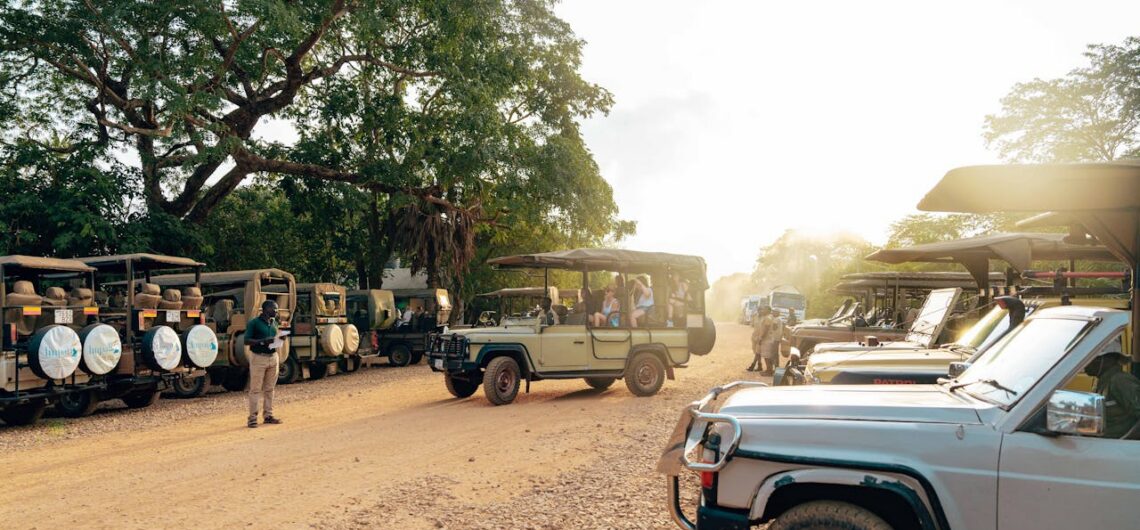
This is often the first big decision to make, because it can have a huge effect on how your game drive goes.
I personally prefer the private safari over the group drive.
A private safari will give you exclusivity on the game drive, the freedom to request particular routes, and an overall quieter experience. You’re not sitting with strangers, and you can learn a lot more from your guide because they can give you their full attention.
Shared game drives are also pretty amazing.
There is something pleasantly social about a communal drive or bush walk, or comparing notes over a boma dinner with strangers who have just become, briefly, your people.
Neither is lesser. They simply suit different people.
Family & Friends, Solo, or Romantic?
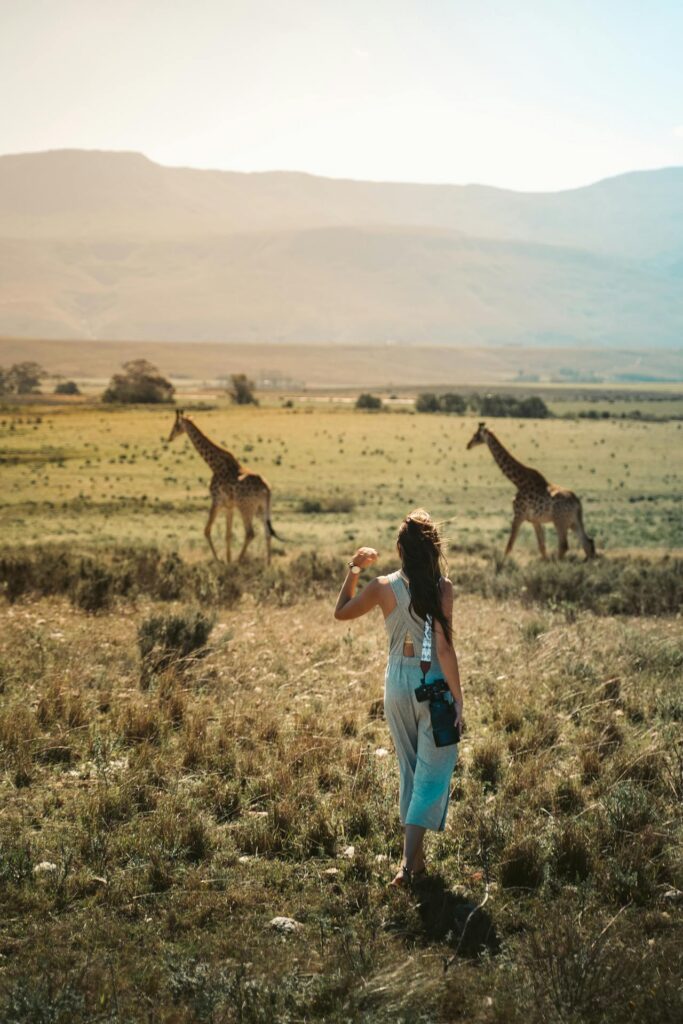
The next thing to plan around is who you’ll be travelling with, or if you are going on a soulful solo trip.
Solo safaris have grown considerably as a category of travel, and for good reason. Being on safari on your own can be an enlightening experience, and it is the ideal way to hit the reset button if what you need is to escape your world for a while. There are plenty of lodges that will cater specifically to solo guests.
Family safaris need a little bit more thought. The right lodge makes the difference between children who are bored and children who come home talking about the lioness who looked directly at them from fifteen metres away. They’ll remember it forever. So will the parents.
And romantic safaris, done well, are also in a category entirely their own. A candlelit dinner on a dry riverbed, a private plunge pool overlooking a waterhole at dusk, and the intimacy of watching something wild and unknowing, together, is a great way to bond.
Where to go on Safari in Africa?
Now that the basics of your planning are out of the way, you need to decide where to go.
Southern and East Africa might both be excellent safari destinations, but they are not interchangeable.
Each destination has its own packages, its own activities, lodges and wildlife sightings.
The right choice for your trip is rarely the most famous name on the map, but rather the place that suits you.
These are some of the possible destinations to consider:
South Africa
South Africa is where most people begin to fall in love with the African safari.
The infrastructure is exceptional, the game-viewing is world-class, and the private safari lodges have spent decades perfecting the art of being both wild and luxurious.
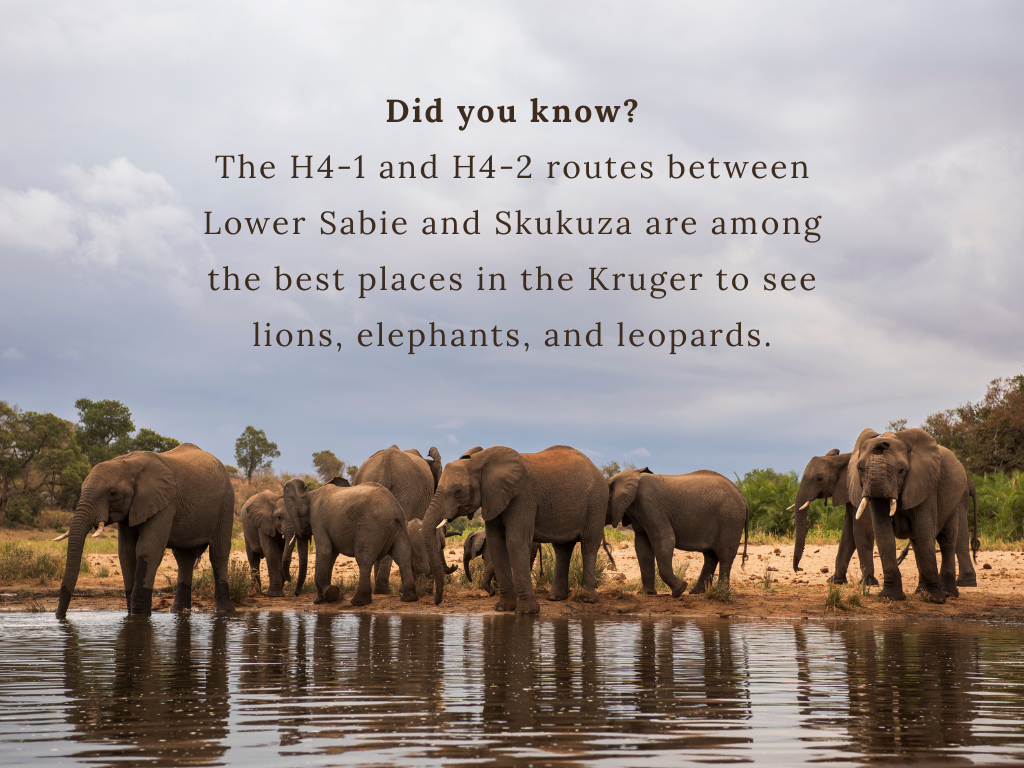
South Africa is famously home to the Kruger National Park, Africa’s largest national park, as well as a number of private concessions, like the Sabi Sands and Timbavati, where the safari experience is more exclusive and intimate.
The biodiversity in South Africa is extraordinary and besides safaris in the Kruger, you can also visit the malaria-free reserves of the Eastern and Northern Cape, the coastal reserves of KwaZulu-Natal, and the fynbos-fringed escapes of the Western Cape, where those who want to weave safari and wine country into a single itinerary can do so with ease.
Botswana
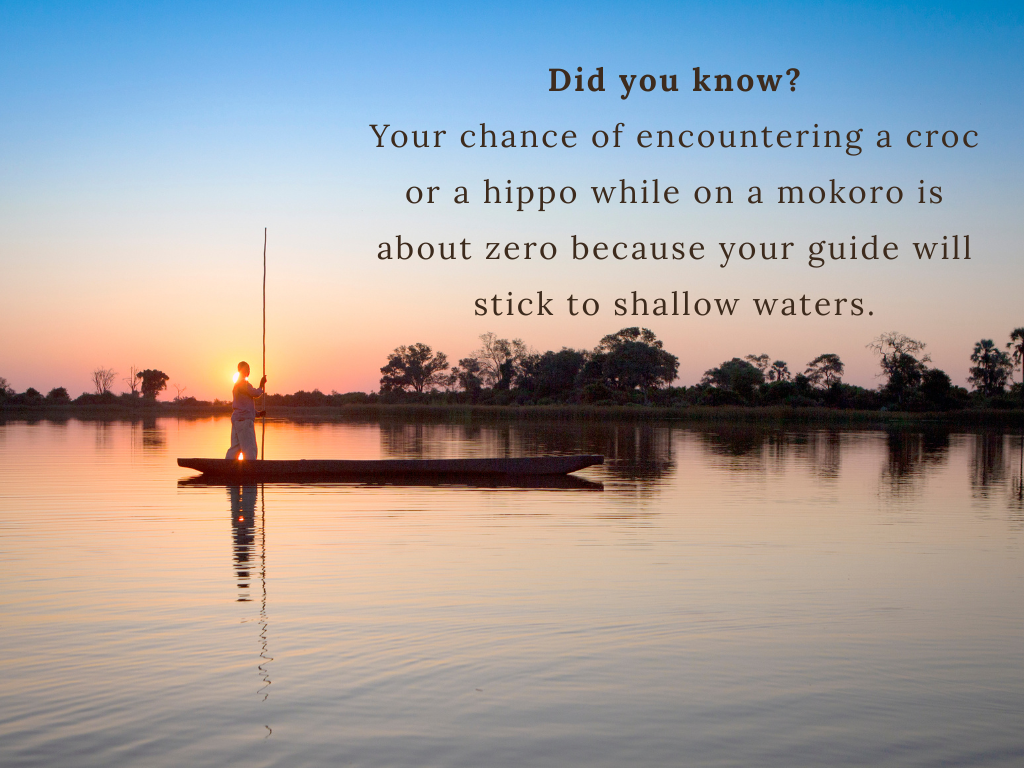
Botswana is home to unhurried grandeur that is difficult to put into words until you have sat in a mokoro on the Okavango Delta and watched a hippo surface three metres from the bow.
The country has committed, at a policy level, to low-volume, high-value tourism, which means the concessions are large and the vehicles are few.
The Okavango and Chobe, where elephant herds move in their thousands along the floodplain at dusk, will give you a safari experience that cannot be replicated in busier destinations.
The camps and lodges here, often fly-in only, tend to be small, luxurious, and run by people who chose this life specifically for its remoteness.
Zimbabwe
Hwange National Park in Zimbabwe, one of Africa’s great elephant sanctuaries, Mana Pools, a UNESCO World Heritage Site along the Zambezi floodplain, and the Victoria Falls, which provides a natural starting or ending point, make Zimbabwe a great place for a safari.
Zimbabwe’s camp operators are among the most knowledgeable in Africa, and the lodges are designed for fly-in travellers, so you won’t have to travel by road through busy cities.
Kenya
Kenya is a legendary safari destination and one of the top East African safari nations.
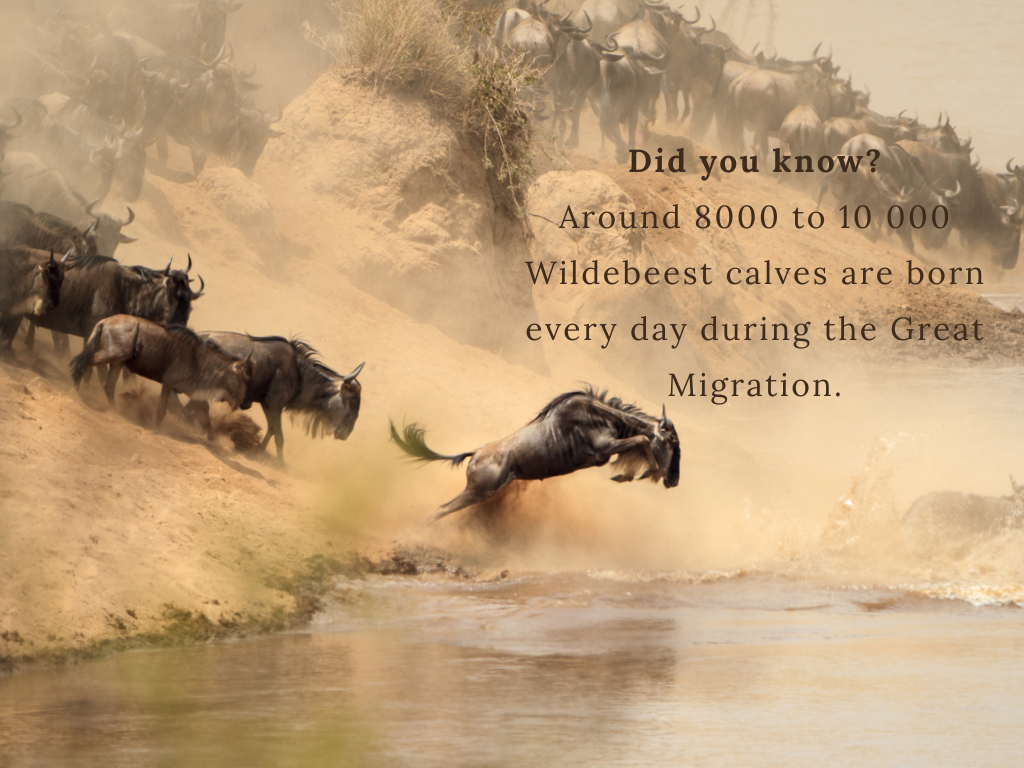
The Masai Mara, particularly during the annual wildebeest migration between July and October, is one of those experiences that is out of this world to see. Even if you have read about it a hundred times and watched every documentary on the subject, actually seeing the crossing happen in real time, at a crossing point on the Mara River, is formidably impressive.
Kenya is also home to Laikipia, which is an alternative destination in the south, and Amboseli, with its open plains and the particular blue silhouette of Kilimanjaro that you’ll see on a clear morning.
Tanzania
Tanzania is in a league of its own.
The Serengeti alone covers nearly fifteen thousand square kilometres, and the Ngorongoro Crater, a collapsed volcanic caldera that functions as a self-contained ecosystem, sits alongside it as one of the most concentrated wildlife areas on earth.
The migration here is the northern arc of the same movement that passes through the Masai Mara, which means that at different times of the year, the herds are crossing the Grumeti River in the Western Corridor or gathering on the short-grass plains of the south.
Tanzania is also home to Ruaha, in the remote south of the country, and Zanzibar, with its sea, spice, and stillness, which is, quite frankly, one of the best destinations for a safari/sea combination holiday.
Which Safari Type are You?
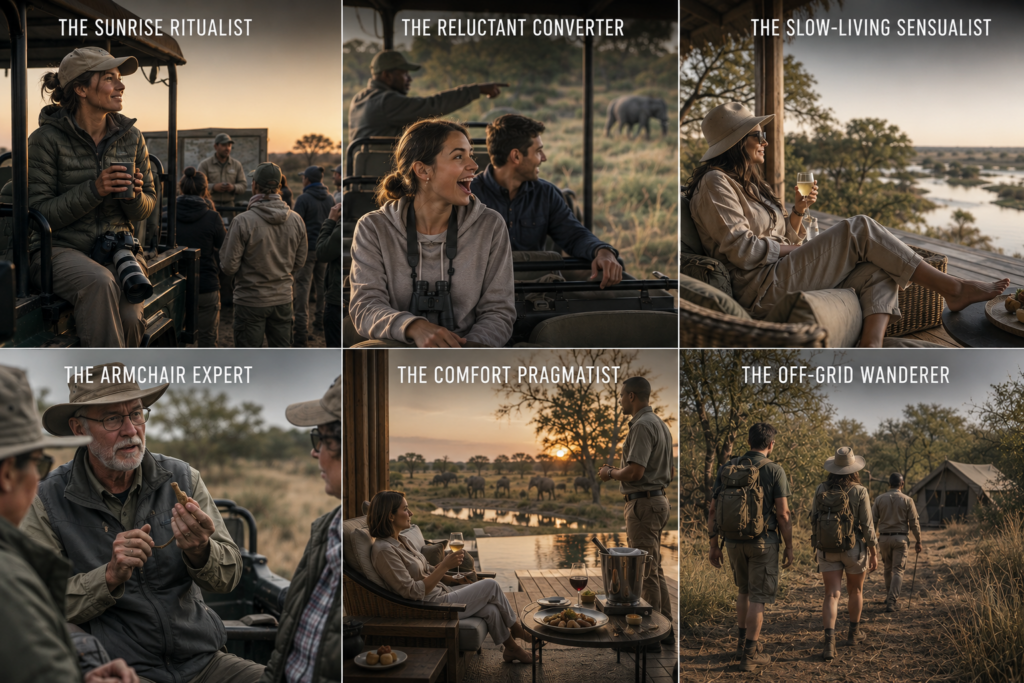
Now, for some fun to help you figure out which of the safari types you are, because if you believe there is only one kind of safari traveller, I would have to politely disagree with you.
The Sunrise Ritualist
Up before the wake-up call, and has a coffee in hand before the ranger has finished the safety briefing.
This person does not want to miss a single bit of the golden hour light, and they will not apologise for it.
They are the ones already on the vehicle, almost vibrating with anticipation, while everyone else is still wrestling with their buff scarves.
The sunrise ritualist comes home with photographs that make their friends question their own life choices.
The Reluctant Converter
Usually brought along by a partner or a persuasive friend, this person had low expectations and a slightly defensive attitude toward early mornings.
But by day two, something changes in them.
They return home as the most evangelical safari advocate in any room, booking their next trip before the wheels touch the tarmac.
The bush has a way of doing this to people.
The Slow-Living Sensualist
Not particularly fussed about the Big Five checklist, what this person wants is to sit with a drink, enjoy the mid-morning game drive before the heat settles in, eat well, sleep deeply, and walk barefoot on the deck of their suite at golden hour.
They are not passive, and they certainly don’t take the safari for granted.
They simply enjoy the experience differently, and they are almost always the most contented, relaxed and dreamy people at the lodge.
The Armchair Expert
They have read every field guide. They know the Latin names. They will correct the ranger on the subspecies of monkey currently raiding the kitchen garden, and they will be right.
They are not insufferable, and their sharing of their knowledge deepens the experience for everyone on the vehicle, even the people who were not aware they needed to know the difference between a martial eagle and a Verreaux’s.
They always will, after spending four days with this person.
The Comfort Pragmatist
There is a version of safari travel that involves a tent, a sleeping bag, and the sound of lions that might be a little too close for comfort for some.
This is not that person’s version.
They want the outdoor world, absolutely, but they also want air conditioning, a proper shower, and a sommelier who knows what pairs well with kudu.
The comfort pragmatist is not a lesser safari traveller. They are simply someone who sees no reason to give up excellent coffee to commune with the wilderness.
South Africa’s luxury lodge market was, in many ways, built for them.
The Off-Grid Wanderer
The opposite of the comfort pragmatist in almost every way, and they are equally valid.
This person wants to see the night sky without light pollution, and they want to walk with a ranger and a tracker through mopane scrub and actually sweat, to earn that sundowner.
They book the mobile tented camp, not the private suite. They leave their phone on aeroplane mode for four days and arrive home looking rested in a way that no spa weekend has ever achieved.
They are unplugged and unapologetic, experiencing Africa the old-school way.
PLAN YOUR SAFARI WITH AFRICAN TRAVEL CONCEPT
Now that you understand the different safari types, and you have a destination in mind or perhaps simply a feeling you want to chase, our travel specialists can work with you to build something that fits the way you travel.
From self-drives in the Kruger to fully guided luxury in the Sabi Sand or Timbavati, the options are broad. Walking safaris, photographic itineraries, birding trips, and family packages each feel meaningfully different. The best starting point is knowing your own travel personality.
For first-time visitors, a private concession tends to give a more intimate experience: off-road access, smaller vehicles, and a pace set by the guests. National parks are also popular options and are often more affordable.
A fully guided stay at a private lodge, with two drives a day and meals included, lets first-timers focus entirely on the experience. Most guests come home knowing exactly what they want more of next time.
Speak to someone who knows the places, not just the category descriptions. The difference between a Timbavati morning and an Okavango afternoon does not translate neatly into a bullet point. African Travel Concept builds itineraries around the conversation, so have a chat with us.
Yes, and South Africa’s private lodge sector is among the best in the world at proving it. Exceptional food, considered design, and experienced rangers are not at odds with an authentic bush experience. Comfort and presence are not competing priorities.