Table of contents
- 1 Wildlife Migrations in Africa
- 2 Wildlife Migrations Elsewhere on Earth
- 3 Wildlife Movement Within the Kruger National Park
- 4 Catch Sight of the Wandering Wildlife
- 4.1 Migrations reward preparation and patience rather than rigid scheduling.
- 4.1.1 When is the best time to see the Great Wildebeest Migration in Africa?
- 4.1.2 What makes the Sardine Run in South Africa so unique?
- 4.1.3 Where can travellers see flamingo migrations in East Africa?
- 4.1.4 Which wildlife migrations outside Africa are worth travelling for?
- 4.1.5 How can travellers plan to watch a Wildlife Migration in 2026?
- 4.1 Migrations reward preparation and patience rather than rigid scheduling.
Enhance your reading experience—immerse yourself in the adventure with our audio version. Click play and let the sounds of Africa captivate you!
Wildlife migrations are among the few natural events we can count on happening each year, even though their timing is often impossible to predict.
The annual migrations across Africa are influenced by rainfall, temperature, food availability, and ancient movement patterns that haven’t changed in centuries.
Wildlife migrations happen all over the world, but Africa is home to some of the most spectacular events of all. Much like everything else in Africa, the migrations here are dramatic.
Animals leaping across croc-infested waters, fish trying their best to stay away from Great Whites, and birds arriving in their thousands for a feast after the seasonal rains are just a handful of the migrations you can see here.
If your dream holiday is to see the Great Migration, or one of its equally impressive counterparts, we have a guide to the wildlife migrations happening in 2026 to help you plan your great escape.
Below, you’ll find our top 10 extraordinary wildlife events you should consider booking a tour to experience firsthand in 2026 (and we’ve thrown in a few global migrations too!)
Wildlife Migrations in Africa
The Great Wildebeest Migration (Tanzania and Kenya)
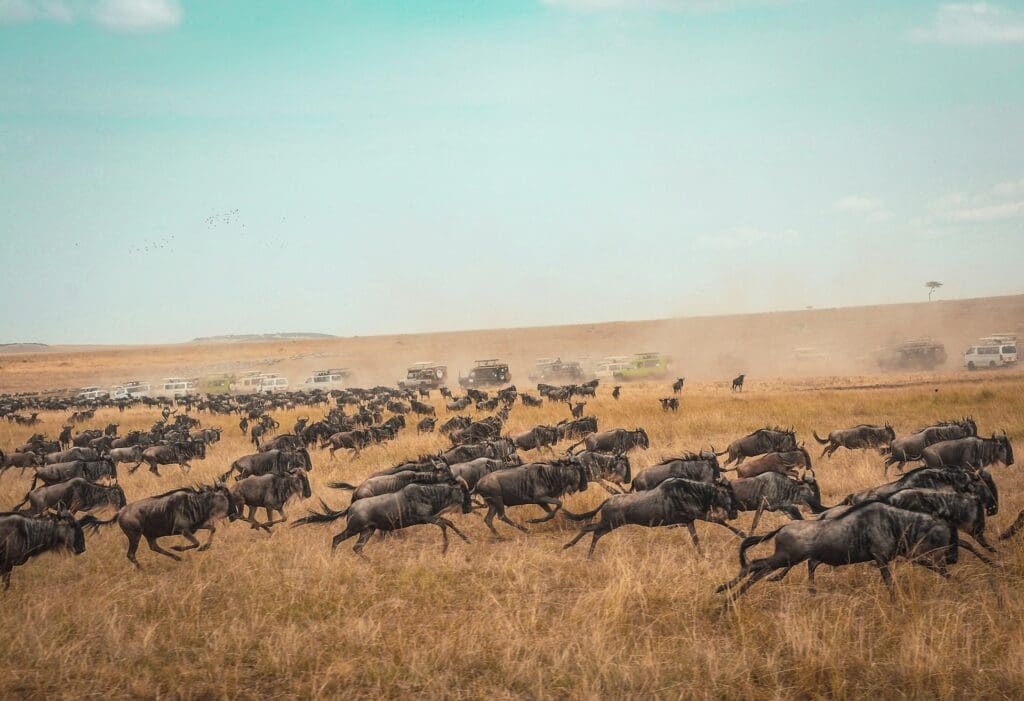
Every year, more than 1.3 million wildebeest stampede as one through the Serengeti–Mara ecosystem, joined by hundreds of thousands of zebra and gazelle that graze alongside them.
The Great Wildebeest Migration is arguably the world’s most famous wildlife event and also the most documented, especially the river crossings, which have become synonymous with the event, although, like everything in nature, they are not guaranteed spectacles.
The migration usually takes place between July and October, but it is controlled almost entirely by rainfall, which revives the grassy plains.
Wildebeest rely on the freshly grown grass, which has a high mineral content, to sustain lactation and help calves grow.
Calving takes place between January and March in the southern Serengeti, when the grasses are short and provide better visibility for both wildlife, looking to protect their newborns from predators, and travellers on safari.
This migration has no true beginning or end; it is a part of a year-round cycle.
Zebra Migration of the Makgadikgadi Pans (Botswana)
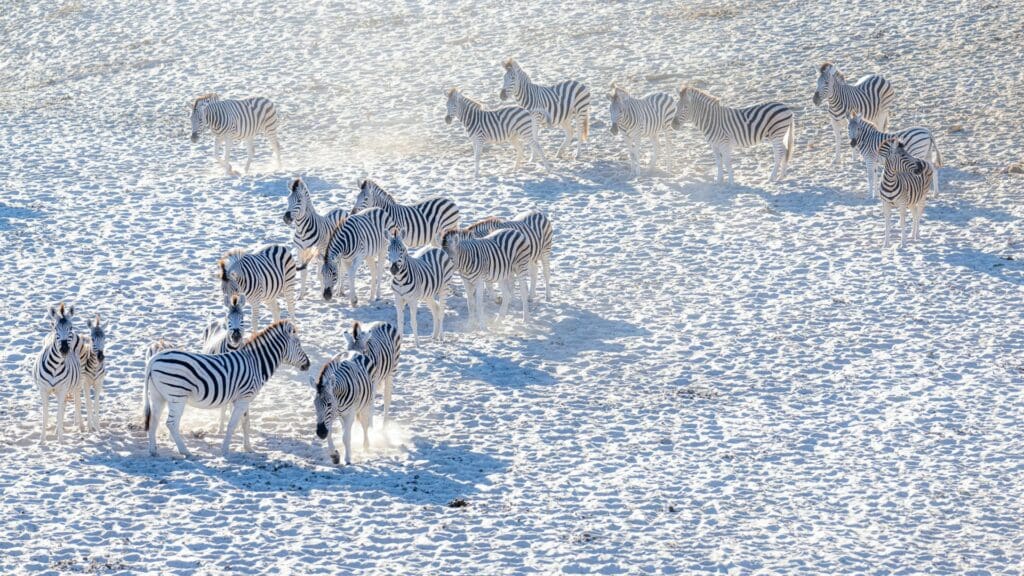
Botswana’s zebra migration is the longest recorded land migration in Africa, with herds travelling over 500 kilometres between the Chobe River and the Makgadikgadi salt pans.
Scientists only fully understood the scale of this movement after fitting zebras with GPS collars, so that they could track the migration route, which had gone largely unnoticed for decades.
The zebras arrive at the pans shortly after seasonal rains transform the normally arid landscape into nutrient-rich grazing ground.
Unlike more famous migrations, there aren’t all that many predators, which results in a calmer, more spread-out movement that takes place over huge plains, rather than dramatic bottlenecks as seen during the Great Migration.
Flamingo Migration Across East Africa’s Soda Lakes
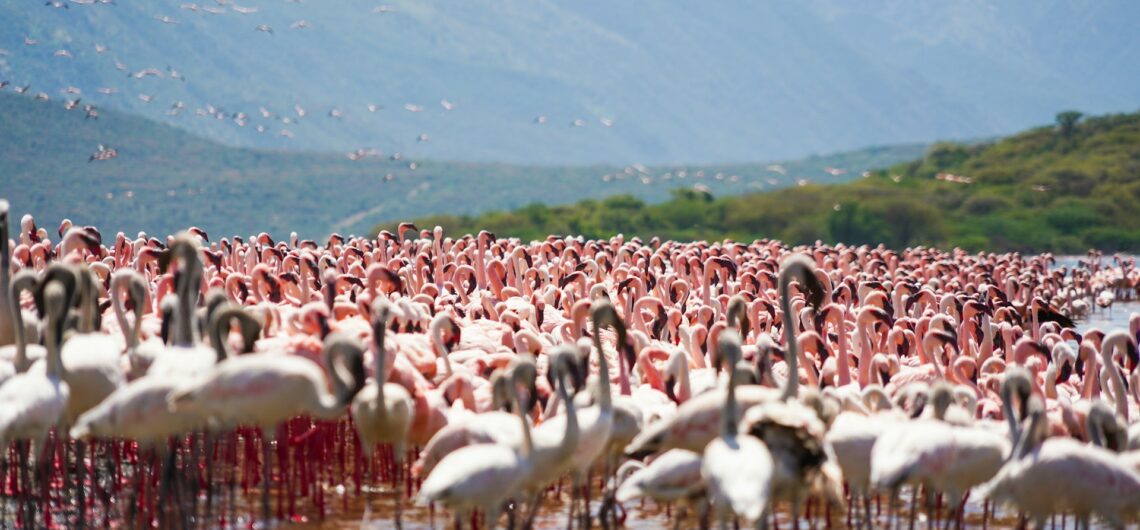
You might not know it, but East Africa is home to one of the largest flamingo populations in the world, with lesser flamingos numbering in their millions.
Rather than following a single migratory route, the flamingos move between highly alkaline lakes in response to changes in water depth, salinity, and algae availability.
Their diet consists almost entirely of blue-green algae, meaning even the slightest shifts in water chemistry can trigger mass relocation events.
Lake Natron in northern Tanzania is one of the main lakes involved in the migration, as its extreme alkalinity creates the perfect breeding environment, one that protects eggs and chicks from predators.
But because the lake conditions change so unpredictably, flamingo numbers at any one site can vary dramatically from year to year.
Humpback Whale Migration Along Southern Africa
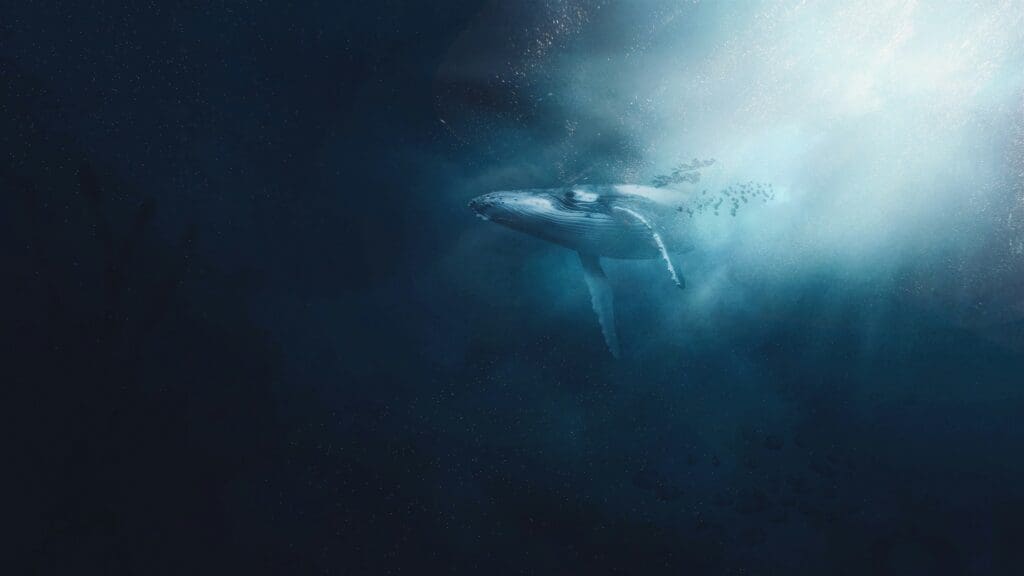
Humpback whales undertake one of the longest mammal migrations on Earth, travelling up to 8 000 kilometres between their freezing Antarctic feeding grounds and warmer tropical waters.
Along the southern African coastline, they are most commonly seen between May and November, when they migrate north to breed and calve. Calves born in warm water have far higher survival rates.
During this period, humpback whales do not feed at all. Instead, they survive entirely on the fat reserves they’ve built during the Antarctic summer.
Some of the best sightings happen along South Africa’s coastline, particularly in Kwa-Zulu Natal and the Western Cape (Hermanus/Garden Route), as the whales pass the country heading further north to Angola and Mozambique’s warm oceans.
Southern Africa is well-known for having some of the best land-based whale watching viewpoints, something that is rare in many parts of the world.
The Sardine Run (South Africa)
Dubbed the Greatest Shoal on Earth, the sardine run takes place when coldwater currents move north along South Africa’s east coast, drawing (literally) billions of sardines into dense shoals.
This sudden concentration of prey attracts an extraordinary number of predators, including dolphins, sharks, whales, and seabirds.
The event is short-lived and highly dependent on precise ocean temperatures, meaning its timing can vary significantly from year to year, although it usually takes place around July and is best seen along South Africa’s Wild Coast.
Because of its scale and density, the sardine run is considered one of the largest biomass migrations on the planet, despite lasting only a few weeks.
Wildlife Migrations Elsewhere on Earth
Monarch Butterfly Migration (North America to Mexico)
The monarch butterfly migration spans thousands of kilometres, and because the butterfly only lives for between 4 and 6 weeks, too little time to complete the great distances, the migration takes place over generations.
Butterflies born in late summer travel south to central Mexico, where they overwinter in dense clusters high in mountain forests.
No individual monarch completes the full migration cycle, yet each generation follows the same route using a combination of solar navigation and a sensitivity to Earth’s magnetic field.
The overwintering sites are geographically small and highly specific, which makes the entire migration especially vulnerable to changes in the environment.
Climate change and habitat loss have already altered the timing of the migration and reduced the survival rates of the butterflies in recent decades.
Caribou Migration in the Arctic
Caribou migrate across some of the most challenging environments on Earth, with certain herds travelling more than 1 200 kilometres each year.
These movements connect winter forest ranges with summer calving grounds on the open tundra, where there are fewer predators, and the strong winds in the area reduce insect harassment.
Calving occurs within an extremely short timeframe, often just a few days, which overwhelms predators through sheer numbers anyway.
The migration routes of the Caribou are not based on instinct alone but are instead learned and passed down between generations, making disruptions to these paths particularly damaging to the survival of the herd and the continuation of the species.
Black-Necked Crane Migration to Bhutan
The black-necked crane is one of the rarest crane species in the world, with a global population estimated at fewer than 15 000 birds.
Each winter, these cranes migrate from the Tibetan Plateau to lower-altitude valleys in Bhutan, where they find suitable feeding and roosting conditions to get them through the winter months.
Their arrival holds deep cultural importance, and Bhutan actively protects all known wintering sites through land-use regulations and farming practices designed to minimise disturbance.
Black-necked cranes form long-term pair bonds, often mating for life, which adds to their vulnerability and cultural significance.
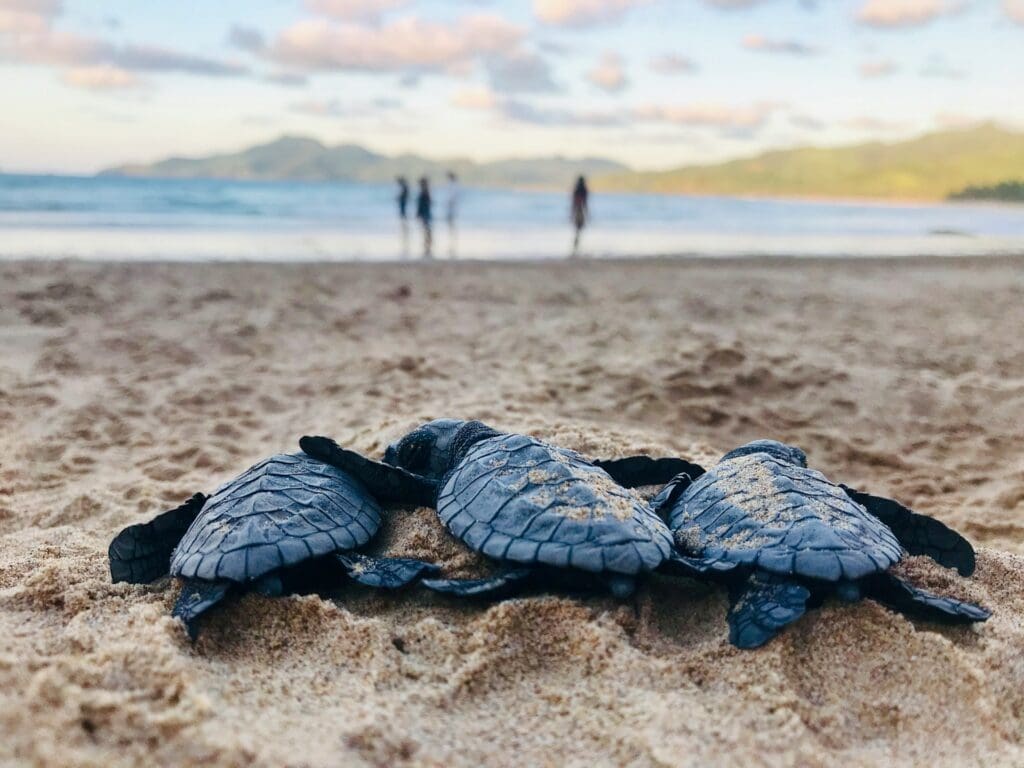
Sea Turtle Nesting Migrations (Global Tropics)
Sea turtles undertake long-distance migrations to return to the exact beaches where they were born, a behaviour known as natal homing.
They make their way across the oceans to the beach using the Earth’s magnetic field, allowing them to get back to the very nesting sites they last encountered decades earlier, when they hatched.
Female turtles may not nest until they are 20 to 30 years old, and they typically return to lay eggs only every few years.
Hatchlings will come out under the cover of darkness and instinctively move toward the brightest horizon, which is usually moonlight reflecting off the ocean.
This makes artificial lighting near nesting beaches a serious threat.
Arctic Tern Migration (Global)
Arctic terns, beautiful black and white birds, complete the longest migration of any animal species on Earth, travelling a staggering 70 000 kilometres annually between Arctic breeding grounds and Antarctic feeding areas.
By following global wind systems and ocean currents, they can travel fast and in the right direction, all while being able to fly in continuous daylight. Their migration allows them to experience more daylight than any other creature on Earth, living almost perpetually in summer.
With lifespans of up to 30 years, individual terns may travel distances equivalent to several trips to the moon over their lifetime!
Wildlife Movement Within the Kruger National Park
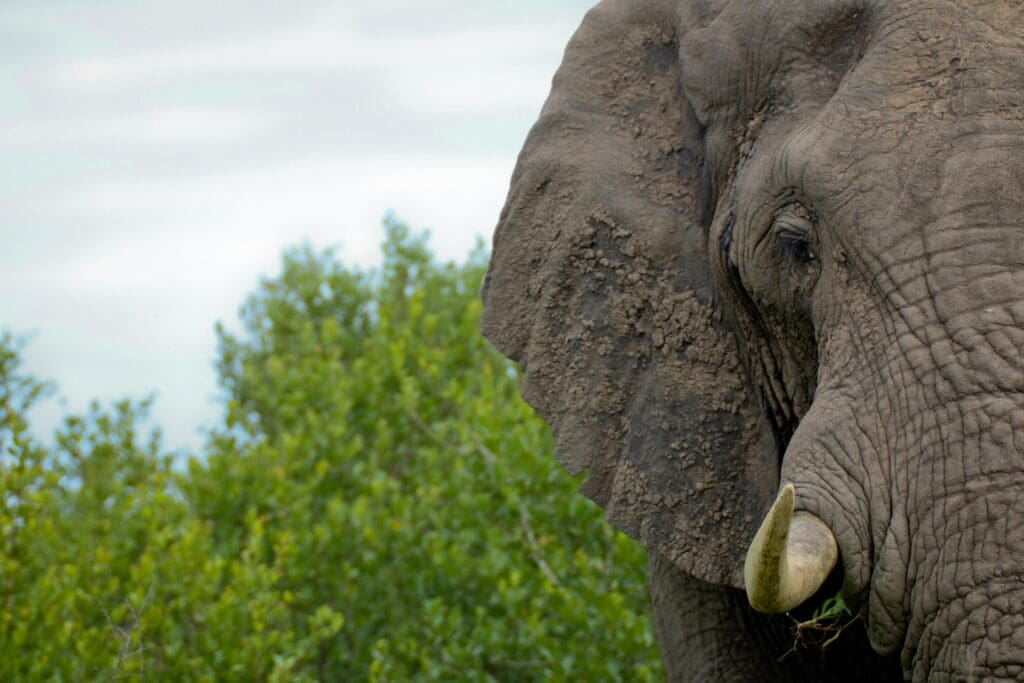
While the Kruger National Park is marketed as one single safari destination, much of its wildlife is able to freely follow seasonal movement patterns that extend well beyond its borders.
Each year, animals such as elephants and many species of plains game move freely between the Kruger and neighbouring private reserves, as well as into transboundary conservation areas like the Greater Limpopo Transfrontier Park, which links South Africa with Mozambique and Zimbabwe.
These movements are driven primarily by rainfall, water availability, and grazing conditions rather than fixed migration routes.
The removal of internal fences and the creation of wildlife corridors have allowed animals to follow natural patterns that predate modern park boundaries, resulting in healthier ecosystems and more dynamic wildlife viewing for those on an African safari.
Catch Sight of the Wandering Wildlife
Migrations reward preparation and patience rather than rigid scheduling.
While the routes are predictable, timing is largely decided by the environmental conditions that change year to year, making flexibility essential for travellers hoping to see any of these events.
For those willing to plan around nature instead of trying to control it, wildlife migrations in 2026 will treat you to the most outstanding holiday.
The Great Wildebeest Migration typically takes place between July and October, when massive herds cross the Mara River between Tanzania and Kenya. However, the migration’s exact timing depends on rainfall and grazing conditions, so flexibility is key when planning your safari.
The Sardine Run, often called “The Greatest Shoal on Earth,” happens along South Africa’s east coast (usually in June and July). Billions of sardines move north, attracting dolphins, sharks, whales, and seabirds, creating one of the planet’s most dramatic marine spectacles.
Flamingo migrations occur across East Africa’s soda lakes, including Lake Natron, Lake Bogoria, and Lake Nakuru. These alkaline waters provide ideal conditions for flamingo breeding and feeding, especially when algae levels and salinity are just right.
Outside of Africa, other exciting wildlife migrations include the Monarch butterfly migration from North America to Mexico, the Caribou migration in the Arctic, and the Arctic Tern’s epic journey from the North to the South Pole, the longest migration in the animal kingdom.
Because migrations depend on seasonal weather and food availability, travellers should book flexible itineraries and work with specialist wildlife tour operators. Planning around nature rather than fixed dates ensures the best chance of seeing these incredible natural events.