Table of contents
- 1 How do I get to Kruger National Park from the UK?
- 2 Can UK citizens travel to South Africa?
- 3 How big is Kruger Park compared to the UK?
- 4 Why do so many Brits visit the Kruger?
- 5 How many days do you need in Kruger?
- 6 Why can’t you wear black on a safari?
- 7 Which is better, Kruger or Serengeti?
Enhance your reading experience—immerse yourself in the adventure with our audio version. Click play and let the sounds of Africa captivate you!
Close to city hubs, like Johannesburg, which is only around 5 hours away, and in a country that is well developed, the Kruger is a preferred choice for tourists.
Of the hundreds of wildlife destinations on the continent, the Kruger National Park is one of Africa’s most accessible safari destinations.
For travellers coming from the UK, especially those who’ve not travelled much on African soil, the process of researching and then planning a Kruger safari can feel daunting, and dare we say, quite confusing, if only because there’s such an abundance of information to wade through online.
To make your life easier, and to make your trip one for the books, we have collected all of the helpful information about the Kruger for UK tourists, which you can use to plan your safari into the world’s most famous conservation park.
How do I get to Kruger National Park from the UK?
For Kruger for UK tourists, the journey from Britain is really straightforward.
Overnight direct flights from London Heathrow and other major UK airports arrive daily into Johannesburg, and there’s the option of booking connecting flights, with good and mostly on time connections available via Paris, Doha, Dubai and Amsterdam, for those wanting to soften the long haul.
A direct flight can take 11 to 12 hours, which is why a good chunk of travellers prefer to break it up, giving them a chance to catch a breather before taking on the next leg of the flight.
From Johannesburg, travellers usually connect onwards by light aircraft to the Kruger’s private airstrip in the park’s “capital”, Skukuza, or take a scheduled flight to Hoedspruit or Nelspruit.
Most safari companies include the option of a road transfer, and travellers prefer this option mostly because it includes the most scenic road transfer through Highveld farmland, Lowveld mountains and valleys, and absolutely wild bush country.
These road transfers can sometimes include an additional tour of the Panorama Route.
Since the route, which includes a variety of natural attractions such as the Blyde River Canyon, various waterfalls (including a few that are not well publicised), a couple of quaint small towns, and plenty of landscapes that will remind you of home, is on one of the routes to the Kruger Park, it is a natural addition.
Can UK citizens travel to South Africa?
South Africa is very much a travel friendly country for British travellers. But when you are researching the Kruger for UK tourists, you’ll find that, much like most other places, there is some paperwork you have to make sure that you get right.
UK passport holders can travel to South Africa visa free for up to 90 days, making the Kruger for UK tourists an easy decision, at least logistically.
As with the requirements of most countries, passports must be valid for at least 30 days beyond your departure, and it should have at least two blank pages.
As of 2025, there are no routine vaccination requirements for travellers arriving from the UK, although travel insurance is strongly advised and malaria precautions are recommended for certain seasons, especially when travelling to the Kruger, where the Southern area of the park is a malaria area from around the end of September to the start of April.
Families travelling with children should have a look at the updated regulations on unabridged birth certificates, as enforcement can vary.
It is always safer to work with a specialist tour operator. They stay up to date with entry requirements and, if they are worth their weight, they’ll make sure that your plans are smooth sailing from booking to arrival.
How big is Kruger Park compared to the UK?
How big is the Kruger Park is a common question, and the answer usually blows minds.
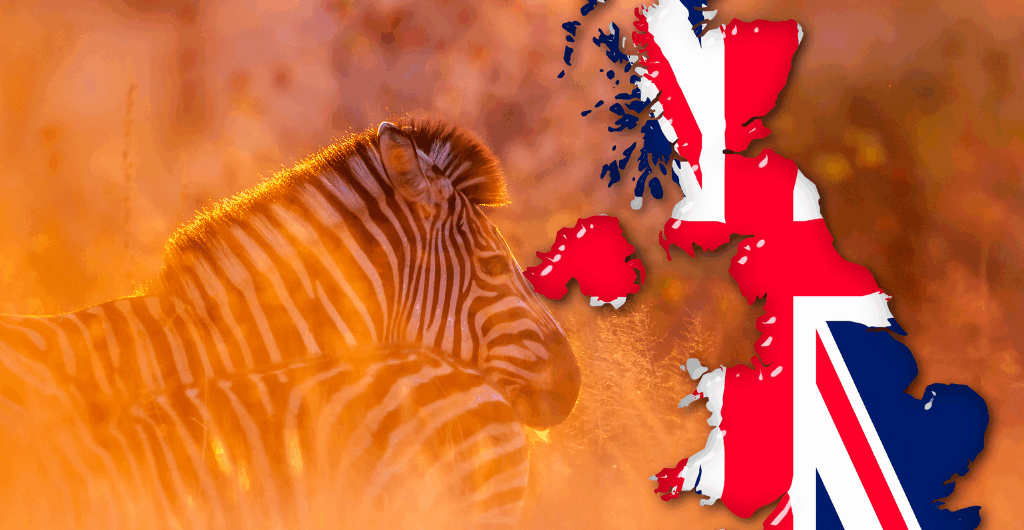
Stretching nearly 20 000 square kilometres, the Kruger National Park is roughly the size of Wales!
For first timers, this comparison helps explain why planning a Kruger Park safari, down to the finer details, matters so much.
You cannot see it all in one stay, and, honestly, you should not try as you’ll only end up with an exhausting safari that is so rushed that you barely get to scratch the surface of what makes the park such a special place.
Kruger Park safaris work best when you take your time, and that means focusing on one or two regions rather than chasing wildlife checklists, which only adds unnecessary pressure.
This is also where private concessions in the Greater Kruger might be the preferred option as they are designed to give tourists access to areas where vehicles are limited, and wildlife encounters feel are truly intimate.
When travelling to the Kruger from the UK, it’s best to give yourself between 4 and 14 days. This will give you enough time to leisurely travel through the Southern and Central Kruger, 2 regions of the park that are famous for Big 5 sightings, and for just generally having an astounding abundance of wildlife.
This number of days will also give you time to get over any jetlag or tiredness you might have from your travels and, if you’ve booked a luxury Kruger trip, it’ll give you time to luxuriate in your lodge, enjoying all of the amenities and onsite perks, like day spas and gourmet dining.
Why do so many Brits visit the Kruger?
What’s not to love about the sunshine, bushveld and utter peace and quiet that are the norms of a Kruger safari?
There is a long and affectionate connection between British travellers and the Kruger, and aside from having endless sunny hot days, a part of the connection is familiarity.
English is widely spoken, and the hospitality style will feel very natural to UK visitors.
Another reason why the Kruger for UK tourists is such a divine destination is that it is world-famous for its up close, natural wildlife experiences and encounters that generally leave travellers in mouth-slacked awe.
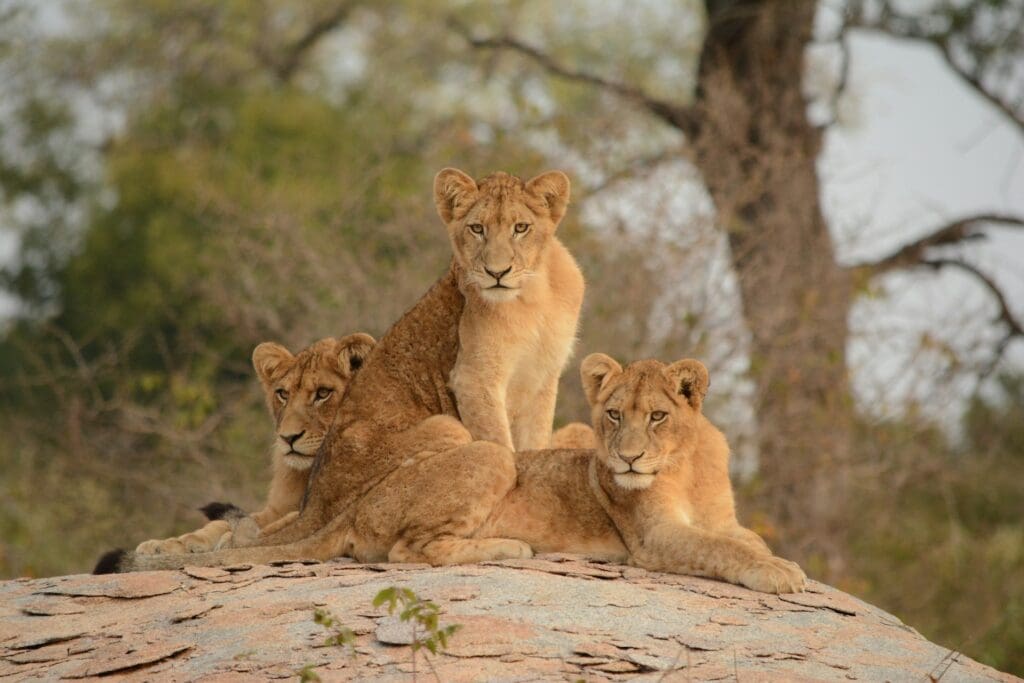
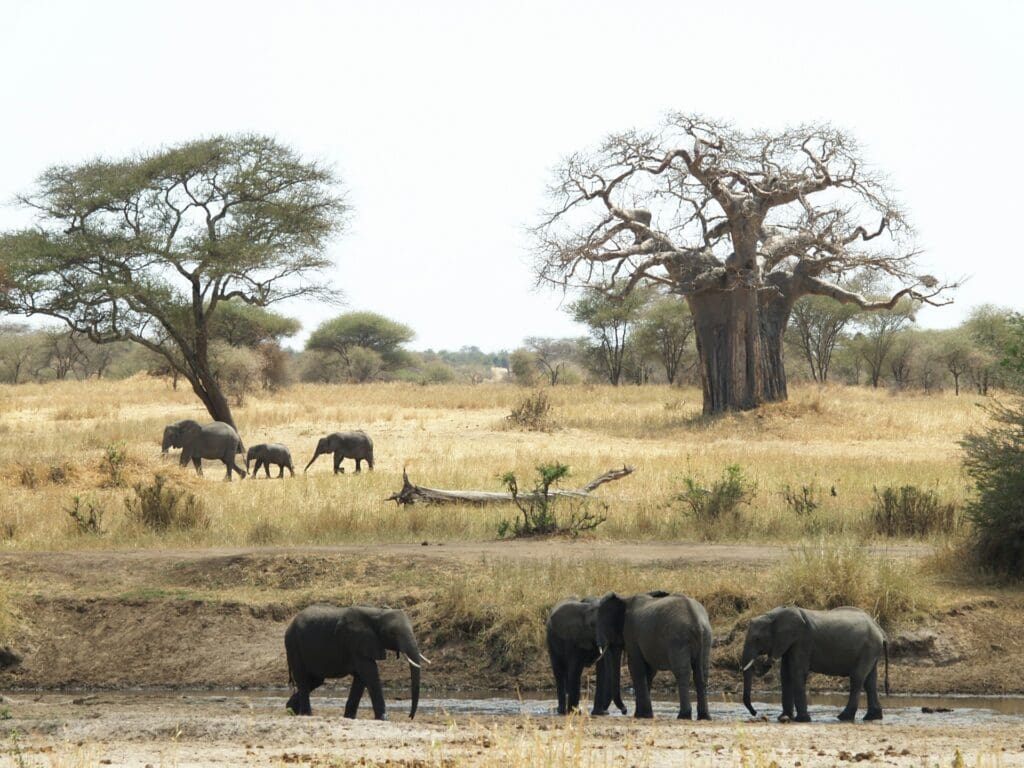
There is absolutely nothing that can prepare you for seeing and hearing lions at dawn, watching massive elephants crossing dry riverbeds in herds, or hearing the peaceful sound of night jars after dinner.
Everything you experience in the Kruger Park is guaranteed to leave lasting impressions.
For luxury travellers, the appeal deepens even further.
Luxury Kruger Park safaris combine refined lodges, exceptional guiding and a sense of space that is becoming increasingly rare in modern travel.
In a nutshell, the Kruger gives comfort without pretence, and that resonates strongly with British tastes.
How many days do you need in Kruger?
4 to 5 nights is usually enough time for most travellers visiting the Kruger. For UK tourists who value quality over rush, this time can be increased, as the more time you spend in the park, the more you’ll see.
A trip that is just under a week, or more, can include multiple game drives, a chance to settle into the early pre-dawn starts and long lunches, and it’ll give you time to enjoy naturally paced sightings.
Shorter stays can feel hurried, while longer ones work beautifully when combined with varied lodge locations.
Many itineraries pair Kruger Park safaris with Cape Town or the Winelands, treating you to a balanced South African journey that includes plenty of time in the bush and at the coast, in a holiday that will leave you properly relaxed instead of more exhausted than when you set out.
Why can’t you wear black on a safari?
On Wednesdays, we wear black, just not in the Kruger.
Black clothing absorbs heat, which matters more than you’d expect when you’re sitting in open vehicles for hours on end under the African sun. An hour or two are the sun comes out, and you’ll be baking if you’re wearing such dark clothing.
It also attracts insects, particularly tsetse flies, in some regions.
Neutral “safari” tones such as stone, olive and soft khaki are practical clothing colours, and they always look chic, even when you’re back at your luxury lodge for dinner.
For UK tourists reading this, if you’re accustomed to packing dark layers, this small adjustment will make a noticeable difference to your comfort.
Which is better, Kruger or Serengeti?
This question often arises when travellers compare these safari icons.
The Serengeti is best known for the Great Migration, while the Kruger is prized for its accessibility, varied habitats and excellent safari infrastructure.
The Kruger for UK tourists allows for a safari that includes city stays and beach extensions, and the standard of guiding and accommodation is consistently high.
It is less about better and more about suitability, because at the end of the day, each destination is unlike the other.
The Kruger for UK tourists is the trip of a lifetime.
If the idea of lions at sunrise and sundowners in the bush has been quietly nudging your deskbound daydreams, perhaps it is time you listened.
Have a proper chat with someone who knows the Kruger inside out and start planning that Kruger safari you’ve been making excuses for not booking.
Yes. The Kruger for UK tourists is more than suitable due to the advanced infrastructure, experienced guides and range of accommodation styles make it ideal for first timers seeking confidence and comfort.
Not at all. The Kruger for UK tourists generally includes travellers who prefer fully guided stays in private reserves, which remove logistical stress and enhance wildlife viewing.
This in depth Kruger Park trip guide is a useful resource for understanding routes, regions and lodge styles before booking.
Yes. The Kruger for UK tourists, as well as its private reserves, are well managed and accustomed to hosting international visitors.
Light, breathable clothing, a warm layer for early morning drives, comfortable closed shoes and sun protection are essentials. Binoculars, sun protection and a good camera are also a must.