Table of contents
Enhance your reading experience—immerse yourself in the adventure with our audio version. Click play and let the sounds of Africa captivate you!
“Everything in Africa bites, but the safari bug is the worst of all.” — Brian Jackman
The African safari is the epitome of adventure.
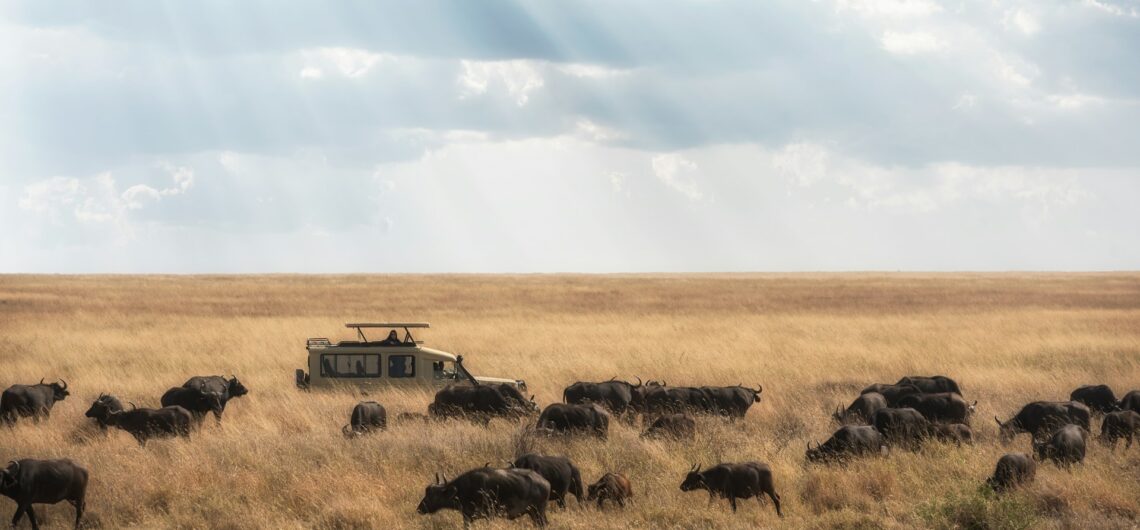
In world where every holiday is beginning to feel more and more like a micromanaged event where the main goal is to rake up Instagram likes rather than be completely present in the moment, a safari in Africa is fast becoming the most authentic, unpretentious adventure you could have, especially since it is hard to be on your phone when there’s a leopard scratching itself and purring against your safari vehicle.
Planning a safari trip to Southern Africa calls for something more than a standard itinerary, because it is so much more than a standard holiday, and the only way that you can do that is if you have the full picture, an African safari in focus.
With the right guidance, your African safari won’t be the conventional experience but rather an intimate adventure that will pull you deep into the slowed down and fascinating wilderness, but with comfort, exclusivity, and quiet wonder, all part of the package.
Where can you go on an African safari?
Southern Africa is where you can go on the best African safari.
While there are other regions of Africa, such as Rwanda and Uganda, where you can book a wildlife focused holiday, only in Southern Africa will you find the all-round authentic African safari experience.
The Kruger National Park is often the first name that springs to mind, yet if you want real luxury, the surrounding private reserves are where you should be looking when planning your trip.
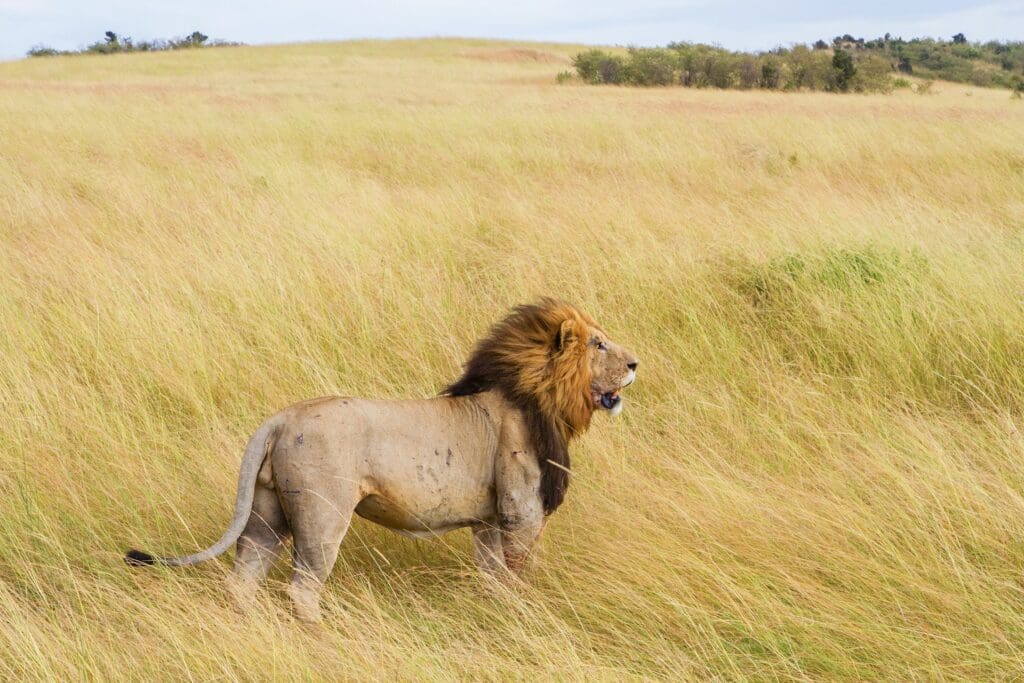
Waking up to the low rumble of lions in Sabi Sands, or driving along the winding Panorama Route where sheer cliffs fall into valleys veiled in mist, is an almost surreal experience that everyone wanting an out-of-this-world holiday should consider booking.
When you opt for a private safari, you will not only have privacy but also flexibility.
You dictate the pace, spending longer at each wildlife sighting or following wild dogs across the open plains without the constraint of a group schedule.
This way, every sighting feels personal.
If you are looking outside of South Africa when planning your African safari in focus, then Botswana, Zimbabwe, Zambia and even Namibia are all exceptional choices with each home to a variety of wildlife parks as well as luxury accommodation options.

What makes an African safari so special?
There are very few places in the world where you can have the collection of experiences that you will have when you are on an African safari, and that is what makes it special.
Seeing wildlife that you’ve only ever seen in print or on your TV, out in the wild, is something we can’t even put into words. You’ll be awestruck the very first time you see a giraffe walking right up close to your safari vehicle, and there will be a very real chill (but in a good way) when you hear the roaring of a pride of lions at dusk.
On an African safari, you will be given the unique opportunity to reconnect with the natural world, a real treat in this overly technological society we live in today, and many people on safari make lifelong friends or connections.
What’s also indelibly special about an African safari is seeing an abundant variety of wildlife, living in their most natural habitat, the way nature intended.
It’s absolutely nothing like seeing an animal in a zoo.
Not only is watching the wildlife moving through a habitat that so perfectly suits them an indescribable feeling and a reminder of the fragility of nature and the importance of conservation, but it also adds an aspect of unpredictability to your game drive.
Safaris are not a checklist adventure. You cannot plan what you will see, or when you will see it, and that is why every safari is special.

What is the Big Five?
The Big Five is a collection of animals, which includes the lion, leopard, elephant, buffalo, and rhino, and each carries with them both history and allure.
Originally named by hunters for the difficulty of the pursuit, today they symbolise the pinnacle of wildlife viewing.
Spotting any of these animals out in the wild is a humbling experience and when you are touring with a safari company or if you’ve booked a game drive with your lodge, your chances of seeing some of the Big 5 animals will somewhat increase, as many guides are not only familiar with where the best places are to see these animals, but they also have a fairly skilled eye, capable of spotting these animals in even the toughest thicket.
A word of advice: don’t make your entire trip about seeing the Big 5.
There’s plenty of other wildlife to see, as well as some of the most incredible birds and plants. When thinking about the African safari in focus, always be sure to think of the trip as a well-rounded adventure, rather than something that revolves around seeing certain animals.
Is an African safari safe?
It’s natural to wonder about safety when you’re touring a place that is home to some of the world’s most fearsome predators, like lions, hyenas and crocodiles, and they are all walking about freely.
That said, a private safari, in a private concession, is one of the safest ways to explore Africa’s wildlife parks.
Not only are the game drives designed to keep you safe, with the guides trained not just in wildlife tracking but also in keeping guests at ease, but the camps and lodges that you’ll be staying in all have meticulous safety standards and will generally be fenced.
The controlled environment that you will find in private reserves means that your wildlife encounters are guided, respectful, and safe. You’ll ride in well-maintained vehicles, stay in secure lodges, and always have expert knowledge close at hand. This reassurance frees you to focus on the beauty around you.
If you are planning a trip to a public reserve, such as the Kruger Park, safety standards are equally high.
The only time there will be a risk when you are travelling on safari is if you do something risky, such as walk around in prohibited areas or try to feed animals.

What should I wear on a safari?
Safari wardrobes are not about making a statement, and while there’s actually no right or wrong way to dress or colours to wear, there is a basic guide that you can follow.
Neutral tones, like khaki, beige, and olive, are the preferred safari clothing colours, and wearing them will help you blend into the bush while still being more than comfortable during your travels.
You’ll also want to wear lightweight fabrics during the day and have a warm jacket for early morning drives.
If you are staying in an ultra-luxurious lodge, you might find that the evenings call for something smart-casual, so packing something suitable for such a moment won’t do any harm. Make sure that you research your accommodation before you pack, just in case, and don’t be shy about asking your travel consultant if you are unsure about what to pack.

Where can I stay for a luxury safari experience?
When thinking about the African safari in focus, you should picture private plunge pools overlooking watering holes, spa treatments that include African botanicals, and gourmet dining served beneath acacia trees.
There are plenty of luxury lodges in South Africa that focus on sustainability with indulgence, and have solar-powered camps, eco-conscious architecture, and fine wines sourced from local vineyards. Many of these lodges are world renowned and go above and beyond to give their travellers the very best experience.
Private safari lodges provide not only exclusivity but also a sense of intimacy with the land. With fewer guests, the service is custom made for you, the pace is yours, and every detail is carefully thought out so that your holiday meets your expectations and becomes that dreamy getaway you’ve always hoped to have.
How do I book an African safari?
Booking a safari need not feel daunting, especially if you are travelling with a tour operator.
When you’ve decided to book an African safari, you should begin by deciding what you value most, what wildlife you want to see, what kind of comforts you want, how much privacy you want, and what activities you might like to do, aside from the game drive.
Private safaris, in particular, can be designed around your schedule, combining flights, transfers, and lodge stays into one cohesive itinerary.
A reputable travel company will be able to help you do all of your planning, and they should also be able to make the booking process really simple. This is why it is so important to read the reviews you’ll find online, as they will give you an indication of the quality of the operator you are looking at.
The benefit of working with experts is that they have on-the-ground knowledge, like knowing which reserve has the best leopard sightings in September or which lodge has a wine cellar to rival Cape Town’s finest.
Planning an African safari in focus with the right company means every detail is thoughtfully managed, leaving you free to step into the wild with ease and confidence.
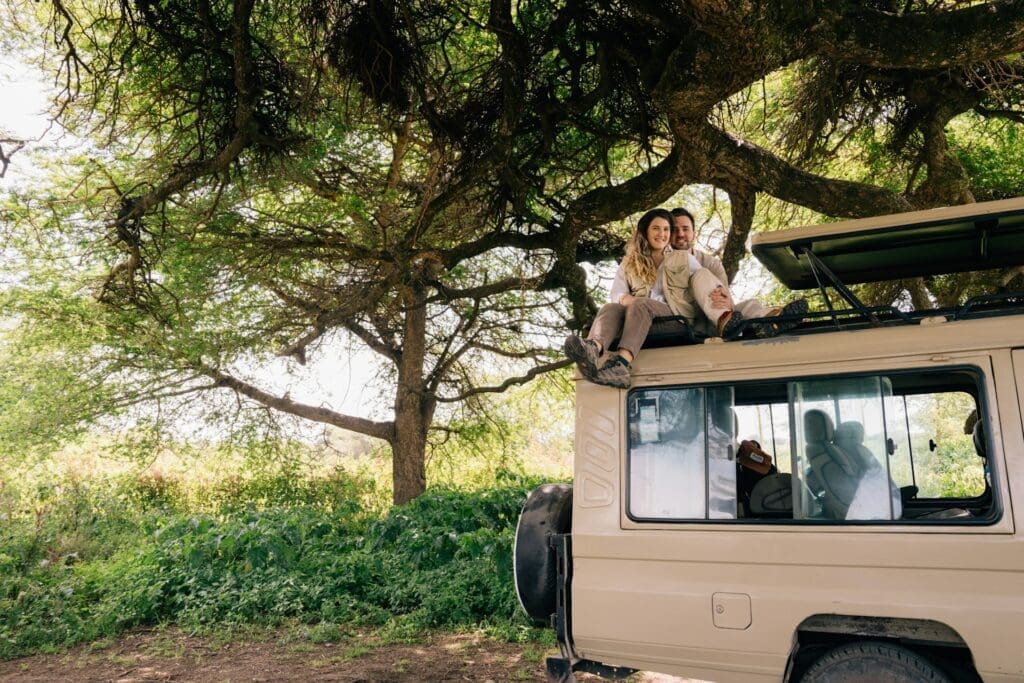
A safari is not just a trip to Africa to see the lions; it’s something that will become a part of your personal story. Because it’s such a deeply personal journey, it’s worth planning with a tour operator who not only brings expertise but also understands the significance this adventure holds for you.