Table of contents
Enhance your reading experience—immerse yourself in the adventure with our audio version. Click play and let the sounds of Africa captivate you!
Some moments stay with you forever, like the first time you see a lion walking alongside a misty river bank just as the sun rises, or when you spend some time watching a lazy leopard dozing high up in a tree, just metres from your 4×4.
Africa is still one of the only places left on Earth where these kinds of sightings aren’t part of a zoo exhibit or a YouTube reel; they’re real, raw, and breathing, and they can happen right in front of you.
The whole African safari experience is still highly sought-after for this very reason, and while for the most part, safaris focus on showing you the best of all of the African wildlife, there is another, more specialised kind of safari that travellers can sign up for.
Big cat safaris are not mainstream. In fact, it wouldn’t surprise us if you’ve never heard of such an experience before. Such a trip is predominantly put together to give you the best possible opportunity to see some of Africa’s most iconic big cats, by taking you to just the right places.
And when it comes to big cat safaris, few destinations carry more weight than the Kruger.
This South African wildlife destination has had the ability to draw in travellers from across the world for well over 100 years, for one simple reason: it delivers. The sightings are frequent, including those of the big cats, and despite the rest of the world becoming overly modern, the Kruger remains toned back and wild.
But the Kruger is just the start. If you’re after an authentic, less crowded, and often more rewarding big cat safaris, in this guide, we’re taking you to the best places to have just such an experience.
What are the Big Cats of Africa?
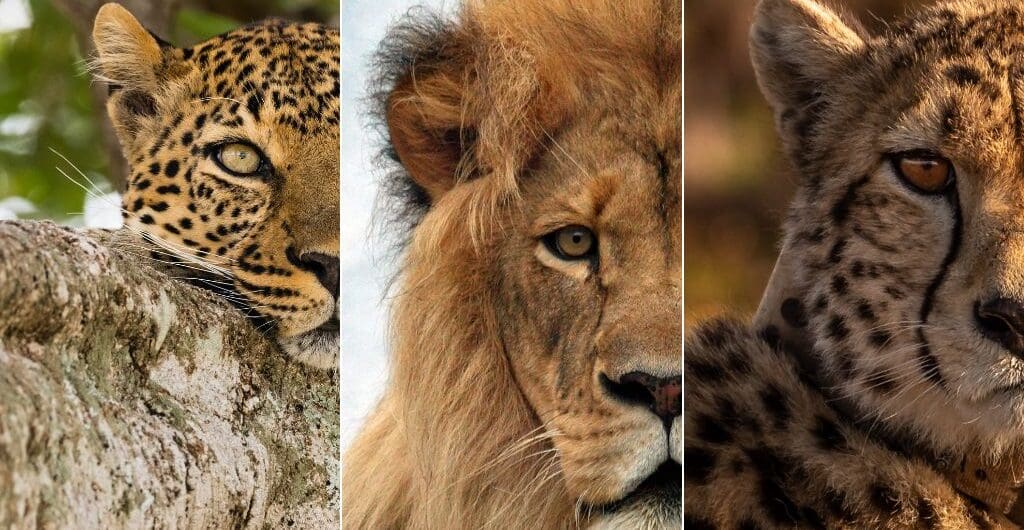
From the apex predators to the stealthy specialists, Africa’s big cats are fascinating to see in the wild, and there is so much more to them than just their looks.
Each species plays an important role in the ecosystem, even if it is just a small role, and each is exciting to see when on safari, even if you’ve seen them before.
Although places like the Kruger are home to a huge variety of mammal species (148 species to be exact), there are only 5 big cats to see (and 2 of those are actually small cats, but a wonderful sight nonetheless).
Lion
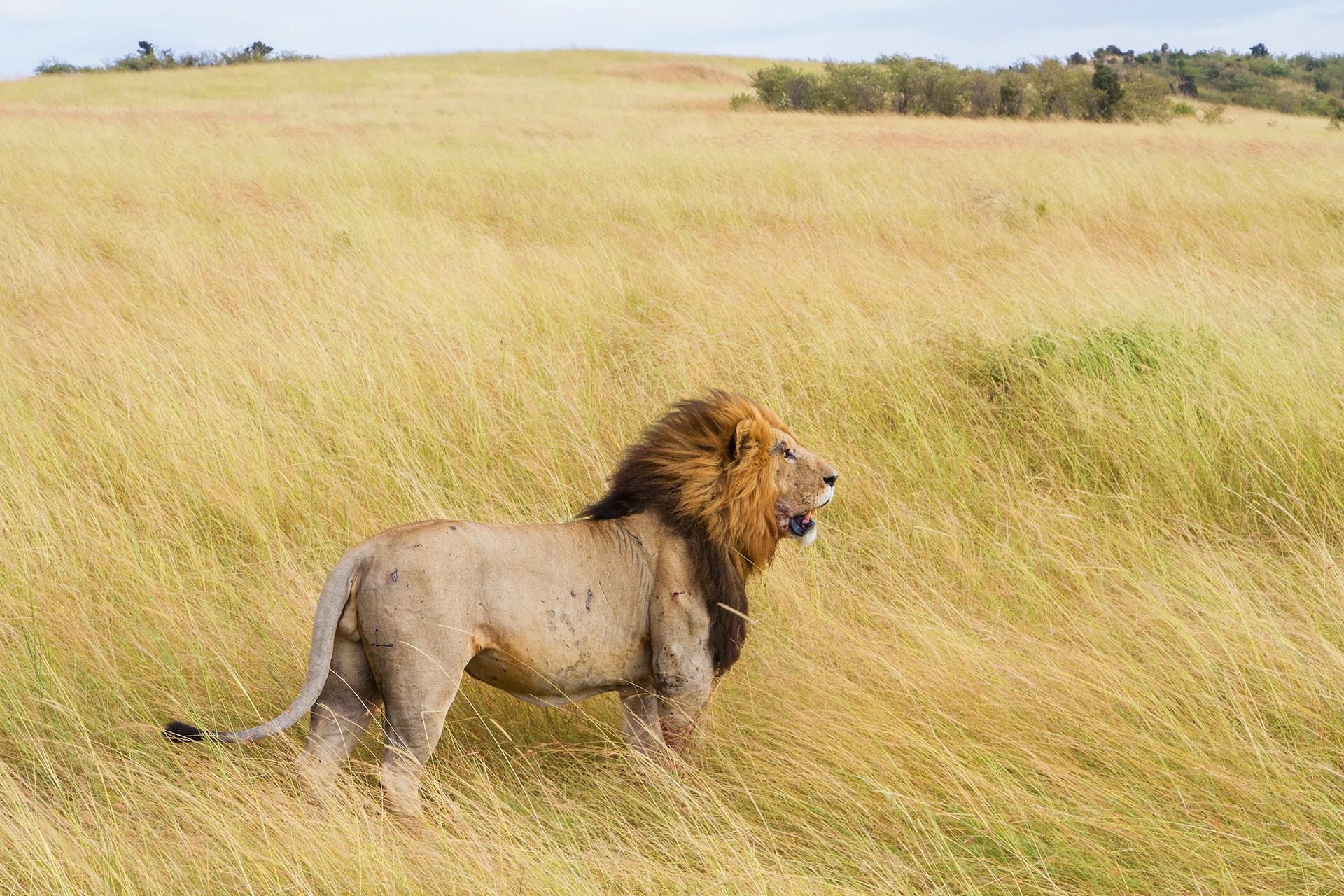
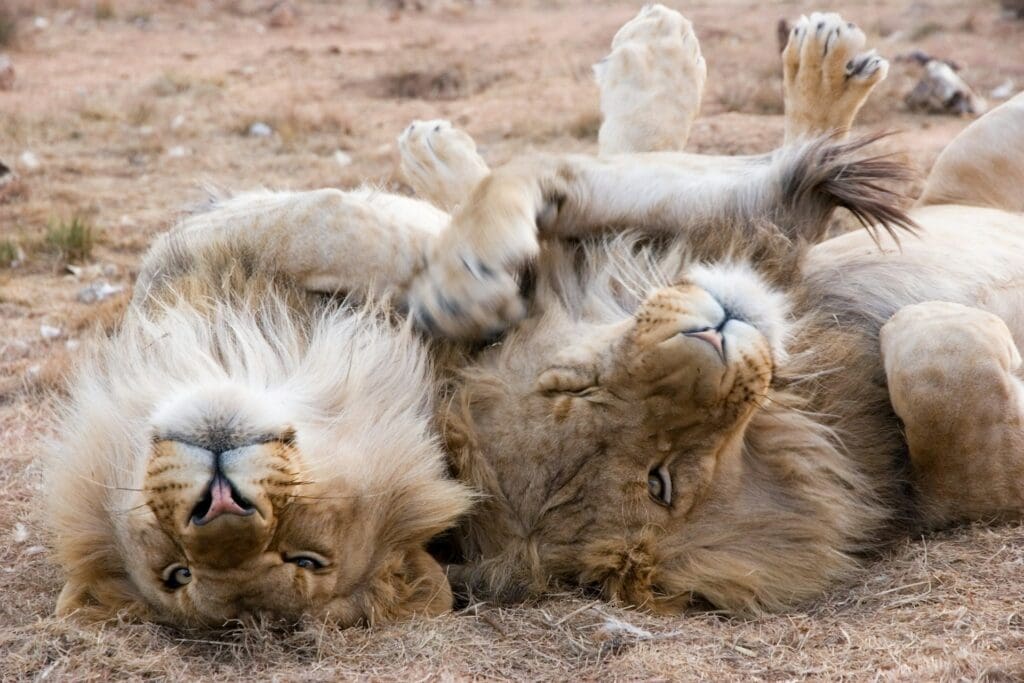
The lion needs no introduction.
Africa’s most iconic predator, known for its mighty roar and powerful presence, might be the King of the Jungle in popular culture, but in reality, it’s actually the Chief of the Savannah.
Living in social groups known as prides, lions dominate open grass and woodlands where they reign as fearsome apex hunters.
The Kruger National Park is home to dozens of prides, and it’s not uncommon to find them sleeping under a tree during the heat of the day before springing into action at dusk. They are most active at sunrise and sunset, which is when most big cat safaris take place.
Aside from watching them hunt, scenes of young cubs wrestling in the dust, lionesses coordinating the pride, or a dominant male striding through golden grass are all the epitome of an absolutely unforgettable lion sighting.
For those eager to see these magnificent animals, the Kruger is known for its consistent sightings year-round, but you can also see them in the Masai Mara in Kenya, the Serengeti in Tanzania and the Kgalagadi Transfrontier National Park, which stretches over South Africa and Botswana.

Leopard
Few experiences could feel more exclusive than spotting a leopard in the wild.
Solitary, stealthy, and superbly camouflaged, leopards are the most elusive of Africa’s big cats, making those who do get to enjoy a rare sighting lucky indeed.
They prefer rocky outcrops, dense riverine forests, and shady fig trees, which, along with the pattern of their fur coats, make them masters of hide-and-seek.
However, in places like Sabi Sands Game Reserve, bordering the Kruger, leopards are not only abundant but unusually relaxed around vehicles.
This unique combination makes it the best location in Africa for close-range leopard sightings and big cat safaris.
Zambia’s South Luangwa and Kenya’s Laikipia Plateau are also gaining recognition among wildlife enthusiasts wanting authentic encounters without the crowds. You’ll also have good luck spotting leopards in Moremi in Botswana.

Cheetah
With a top speed of 120 km/h (70 mph), the cheetah is well-known for being the planet’s fastest land mammal, but what you might not know is that cheetahs are less muscular than lions or leopards and so they rely on open terrain where they can use their vision and immense pace to hunt.
The Serengeti and Kenya’s Masai Mara are classic cheetah country, especially when large herds of antelope are around. Still, sightings there can be hit or miss depending on the time of year.
For more reliable sightings, South Africa’s Phinda Private Game Reserve and Namibia’s cheetah conservancies give guests a better chance to observe cheetahs hunting in daylight, often at a surprisingly close range.
And watching a chase taking place on a quiet savannah might just be the most mesmerising moment of any big cat safaris.
Other destinations worth considering, if your goal is to see a cheetah, include the Serengeti and Ngorongoro in Tanzania, the Central Kalahari in Botswana, and Namib-Naukluft in Namibia. Cheetahs can also be seen in the Kruger, but sightings are mostly limited to the central and northern parts of the park, where few safaris go.
Caracal
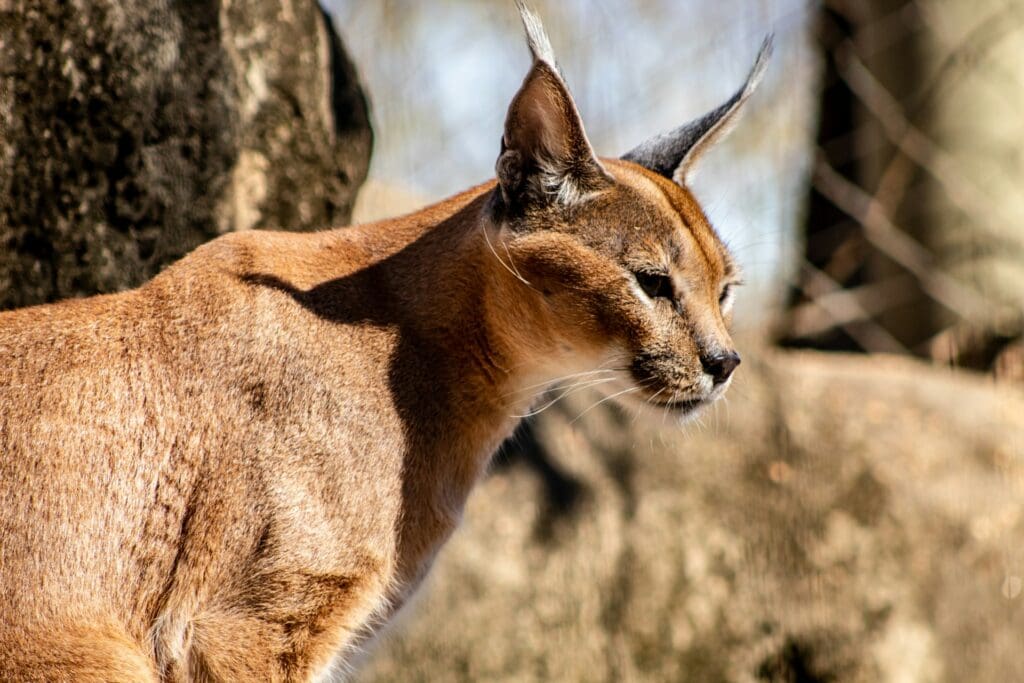
These little upstart cats might look innocent and harmless, but the caracal has a reputation for causing mayhem for farmers and is now quite endangered, making a sighting of one rather special.
Caracals are not often included on lists for big cat safaris, but they deserve a spot. The caracal is a medium-sized cat with a russet coat and long, black-tufted ears. Agile and fearless, they’ve been seen leaping two metres straight up to snatch birds mid-flight!
They tend to prefer dry, open areas with rocky shelter, exactly the habitat found in the Kgalagadi Transfrontier Park. Carcal can also be seen in the Karoo and Kalahari in South Africa, Mount Kenya in Kenya, and on the Etosha fringes in Namibia.
Serval
You can count yourself extra lucky if you happen to see a serval.
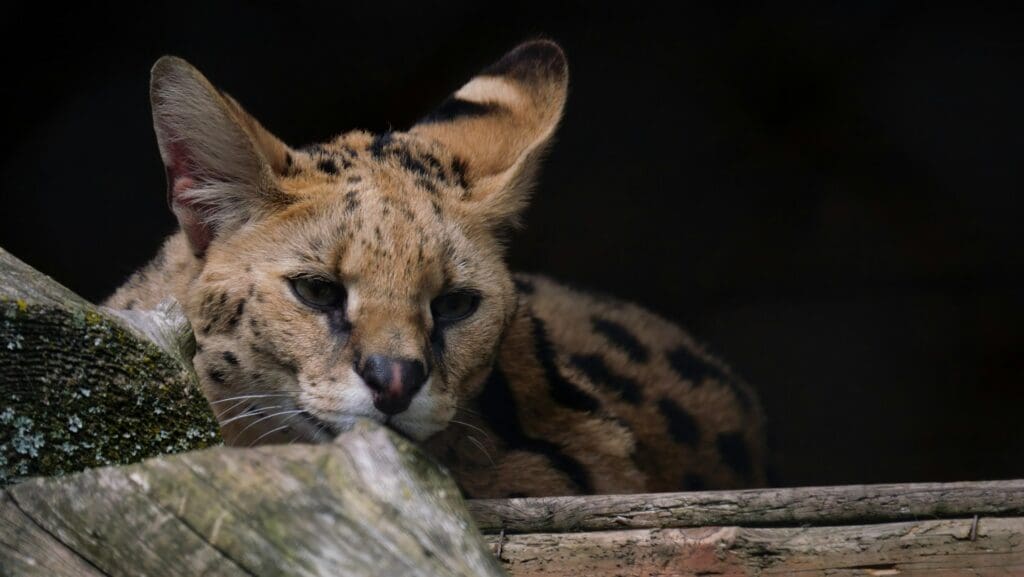
Servals look like a mini cheetah, but with larger ears and a vertical leap that defies logic.
The serval favours wetter regions with tall grass and marshy ground, where it uses its oversized ears to detect even the slightest rustle. Both caracal and serval are active at dawn and dusk, and if you hope to spot either of them, make sure that you’ve packed your patience (and have a keen-eyed guide).
Those who do are rewarded with what feels like a once-in-a-lifetime sighting. Some of the best places for big cat safaris if you hope to see serval include the Okavango Delta in Botswana, Laikipia Plateau in Kenya and the Eastern Kruger in South Africa.
Where Are the Best Safaris for Big Cat Sightings?
Africa has a few places where you can see the big cats (and the two little ones) mentioned above. Some of the destinations are a little harder to get to than others, so you’ll want to plan accordingly.
If you want a big cat safari, you should head to:
The Kruger National Park, South Africa
The absolute best destination for any big cat safaris, the Kruger is easy to access, affordable and home to some of the best biodiversity on the continent, so you can expect to see plenty of wildlife while travelling here.
Best time to visit: May to October, during the dry season, which means shorter grass and cats near waterholes.
Sabi Sands Private Reserve
Bordering the Kruger and sharing an open fence with the park that allows wildlife to walk through, this exclusive reserve is known for some of the most intimate leopard encounters in Africa.
With off-road access and expert trackers, sightings here often leave guests speechless. As for accommodation, Sabi Sands is quite famous for being exclusive.
Best time to visit: July to October, during the migration season, which boosts big cat activity dramatically.
Kgalagadi Transfrontier Park, South Africa/Botswana
For those looking for a real expedition, the Kgalagadi is an out-of-this-world destination, with its red sand dunes and open terrain, making it perfect for spotting black-maned lions and caracals. Kgalagadi is remote but rewarding in every way, especially if you are looking for a trip that will take you back to nature in the best ways possible.
Best time to visit: May to September, during the cooler months when you’ll have more movement during daylight.
Ruaha National Park, Tanzania
Wild and under-visited, Ruaha is a rising star. It’s one of the few places where you might see all three big cats, lion, leopard, and cheetah, in one game drive. You will also have fewer tourists to contend with.
Best time to visit: June to October, during the dry season.
South Luangwa, Zambia
This park is renowned for walking safaris and incredible leopard sightings. It is also a great place to go on a night game drive, which will increase your chances of seeing a leopard.
Best time to visit: June to October, during the dry season, which will give you the best visibility and road access.

How Long Do I Need for a Big Cat Safari?
If your focus is on seeing lions, leopards, or cheetahs, then 5 to 7 days is ideal, as it will give you time to settle into the rhythm of the bush and increase your sighting chances.
For multi-park safaris or more remote destinations, you should give yourself 10 to 12 days to cover ground without a rush. Many travellers save more with a custom itinerary booked with a trusted operator who knows how to maximise both sightings and value.
*
If you’re dreaming of big cat safaris, now is the time to book the trip of a lifetime.
We design safari itineraries for people who want real sightings, expert guides, and easy travel planning, without paying ridiculous prices.
The ultimate African safari doesn’t happen by chance.
Let us help you get it right, the first time. Book your tour with us today!