Table of contents
- 1 What’s the Total Area of the Kruger National Park?
- 2 How does the Kruger National Park Compare to Certain Countries?
- 3 How Many Days do you need to see all of the Kruger National Park?
- 4 How does the Kruger National Park Compare to Other National Parks Worldwide?
- 5 How does the Kruger Compare to African Game Reserves?
- 6 Is Kruger the largest national park in the world?
- 6.1 You can’t “do” the Kruger in a day, or even a week. The park is just too big.
- 6.1.1 Stop waiting for tomorrow to book that Kruger Park Safari. Come and be a part of those who fall in love with this special place.
- 6.1.2 What country is the same size as the Kruger National Park?
- 6.1.3 Is the Kruger National Park the largest in the world?
- 6.1.4 What is the difference between the Kruger Park and the Greater Kruger?
- 6.1.5 How big are the lions in the Kruger?
- 6.1.6 Why is the Kruger so famous?
- 6.1 You can’t “do” the Kruger in a day, or even a week. The park is just too big.
Enhance your reading experience—immerse yourself in the adventure with our audio version. Click play and let the sounds of Africa captivate you!
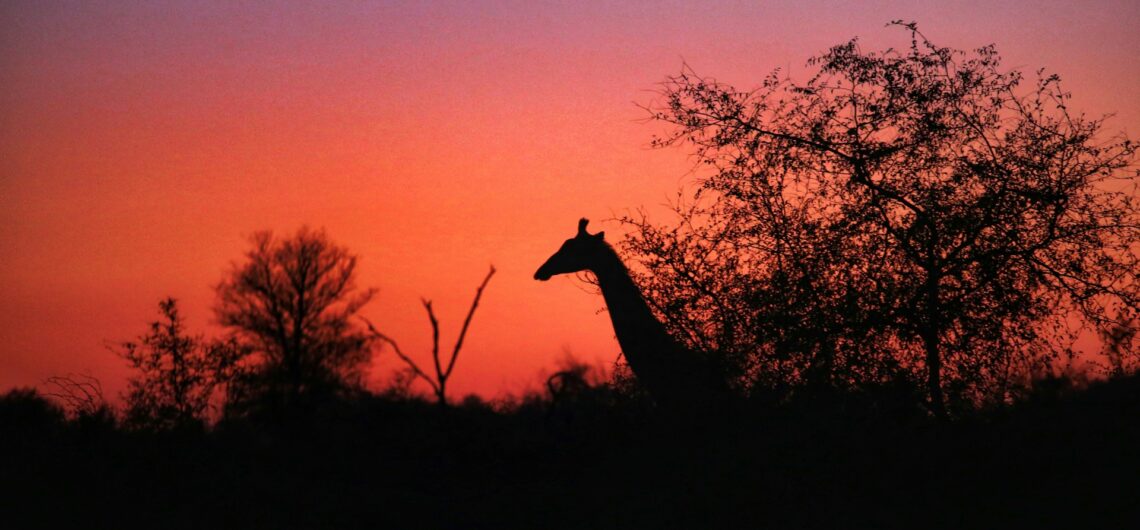
“How big is the Kruger National Park?” is one of the most asked traveller questions.
Often, after taking a glance at the map, travellers planning a Kruger Park safari imagine that they can zip through the whole park in a casual day or two, but the Kruger isn’t that kind of place.
While it looks as though it is only taking up a sliver of the North-Eastern part of the country, the Kruger National Park is a massive conservation area that shares a border with Zimbabwe and Mozambique, part of which opens into neighbouring national parks.
The Kruger National Park is, in a word, enormous, and you can spend a whole week here and not actually see the entirety of the park.
Not only is it huge in size, but the park’s very strict road rules also mean you cannot rush (or rush your guide), so repeat visits are usually the only way that you can be sure that you get to see and experience it all.
And experiencing it all is something well worth it.
What’s the Total Area of the Kruger National Park?
The Kruger covers an extraordinary 19 485 km² of protected land.
It stretches from the Limpopo River in the north all the way to the Crocodile River in the south, crossing through two provinces: Limpopo and Mpumalanga.
And this is just the official national public part of the park.
Over the years, neighbouring land owners have created private reserves, and in 1993, the Greater Kruger National Park was created. This initiative is designed to open fences between the Kruger and its neighbours, which include Sabi Sands and Timbavati.
Not only has this allowed wildlife to move more freely, but it has also created a whole new, more luxurious and exclusive way for travellers to enjoy the sights and sounds of the Kruger.
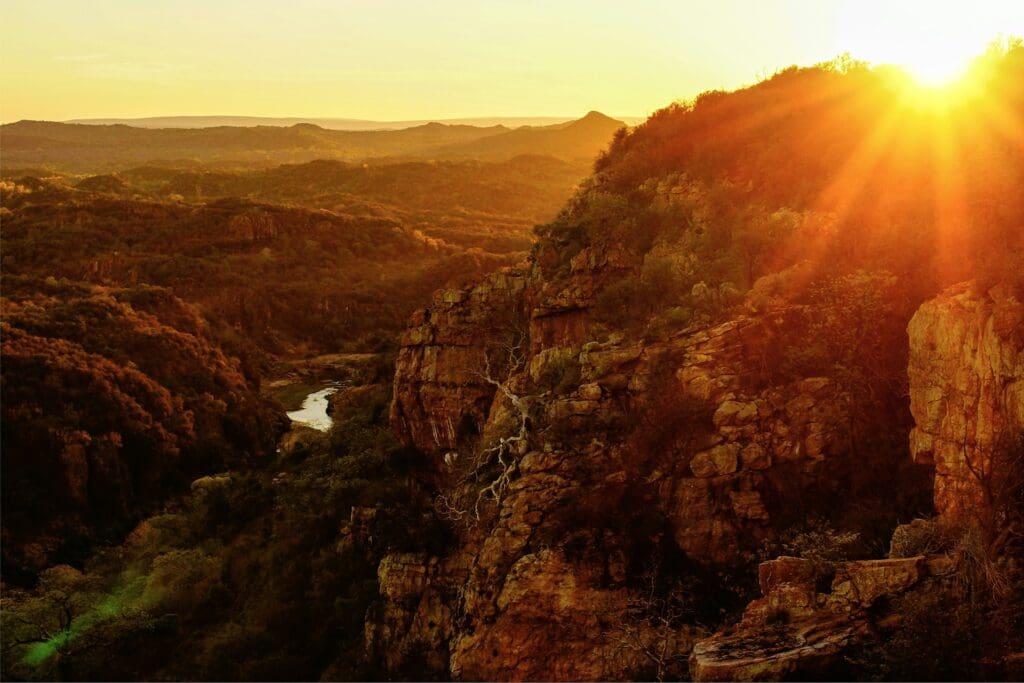
The Kruger is so big that as you are driving through the park, you will be making your way through several different biomes, which make up the Kruger to Canyons Biosphere.
The north of the park, which is rarely visited during common Kruger Park safaris, is quite remote and ancient with fever trees, baobabs and grassland that roll over the horizon, while the south, which is most popular for safaris, thrums with heavier concentrations of wildlife, dense riverine bush and bushveld.
The park is biologically fascinating, and its landscapes range from mountains and rocky outcrops to thick, natural forests.
And to impress you that little bit more, when you’re thinking “how big is the Kruger National Park?”, remember that it is home to 72% of all the mammals in South Africa!
How does the Kruger National Park Compare to Certain Countries?
When people ask how big is the Kruger National Park, using country comparisons is about the best way to give them a visual idea.
The Kruger is almost the same size as Wales, which is around 20 779 km². That means if you laid the park over Wales, they’d practically match. It’s also only slightly smaller than Slovenia (about 20 273 km²). And when compared to Israel, which sits around 22 145 km², Kruger is roughly 88% of its size.
Driving from the park’s northern tip at Pafuri to its southern gates near Crocodile Bridge can take nearly an entire day, without even factoring in wildlife stops or the strict speed limit.
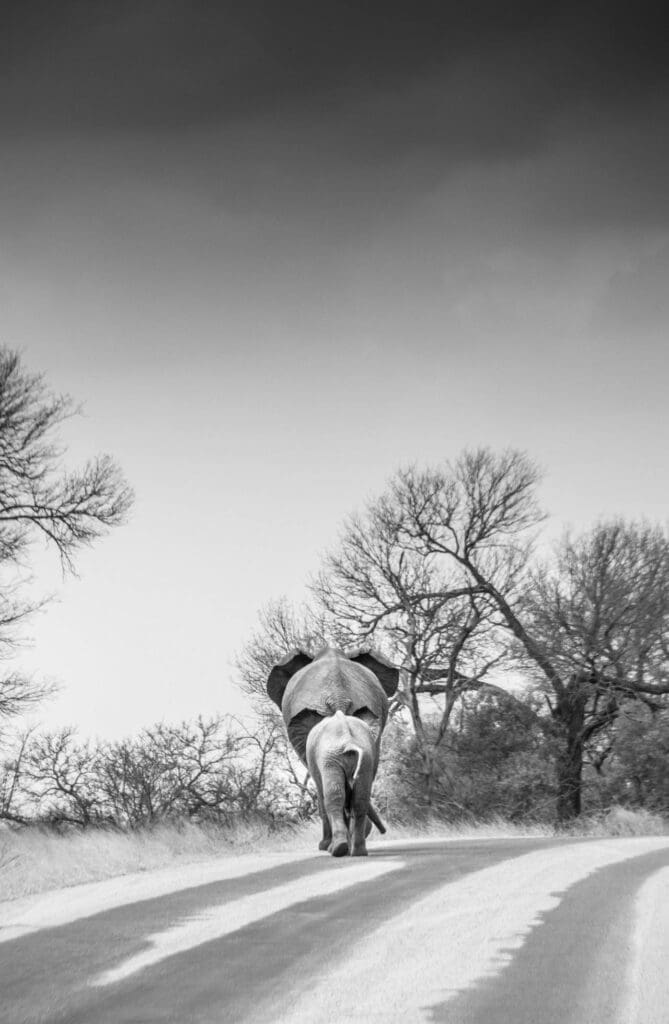
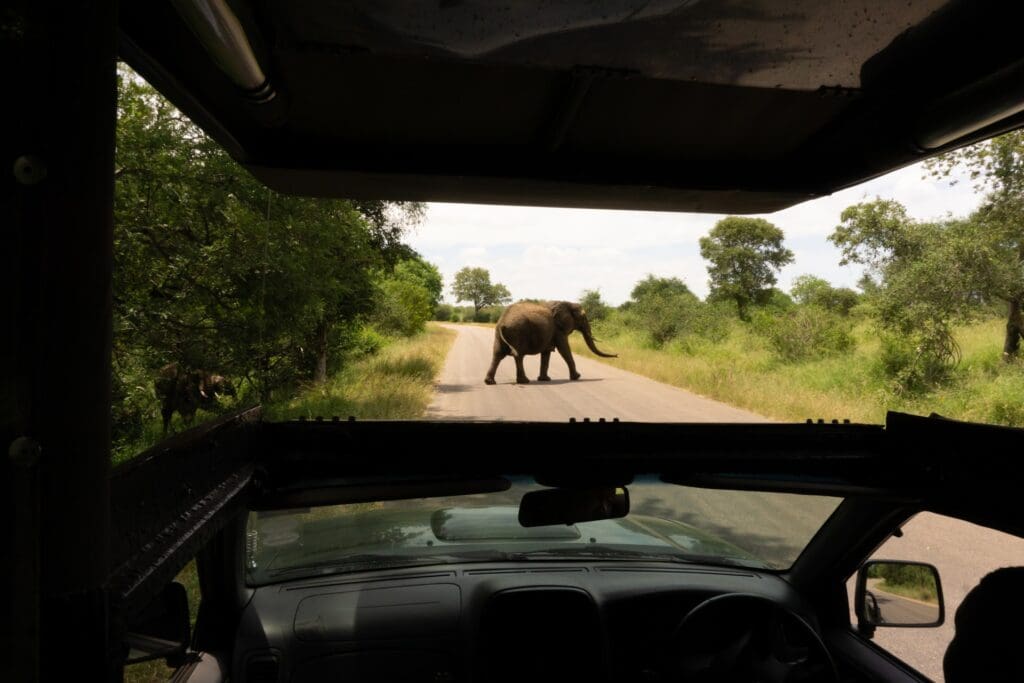
The park’s colossal size is what makes it a world-renowned conservation area capable of sustaining entire ecosystems, with enough space for elephants to roam freely, lions to hunt over vast territories, and visitors to feel like they’re on some old-world exploration, all within a single park.
How Many Days do you need to see all of the Kruger National Park?
If you’re still wondering how big is the Kruger National Park, let’s just say you cannot see all of the Kruger in one go.
For travellers planning a Kruger Park Safari, especially if it is their first trip, 3–5 days is the bare minimum sweet spot if you want a balanced wildlife experience that includes comfortable accommodation and ample time in the park, enjoying the wildlife, landscapes and the park’s rest camps, which are an experience all on their own.
If you’d like to explore all of the regions of the park, then 7–10 days is what you need to plan for. It takes quite a lot of time to travel the length and breadth of the Kruger.
Altogether, there are about 3 000 kilometres of tar and gravel roads in the park, and it is almost impossible to drive them all, even if you spend 10 days here. It would be like driving from the Kruger to Cape Town and back!
Trying to see the entire park in one Kruger trip is like trying to read an entire library over a weekend.
And in the rush you’ll completely miss the whole point of visiting such a wild and free place, which is to slow down, let the bush set the pace, and be in the moment, rather than rushing from gate to gate or camp to camp.
To make things easier for you, there are plenty of Kruger Park safari companies out there that cater to any and all kinds of travellers. Regardless of your budget or your expectations, you’ll find a tour that matches your holiday desires.
How does the Kruger National Park Compare to Other National Parks Worldwide?
The Kruger is a one-of-a-kind place.
It is one of the largest and most established wildlife reserves on the planet, and while some of the wildlife you see here can be seen elsewhere, for the most part, it is unique. But in all honesty, all of the other reserves around the world are unique in their own way, too.
As for how it compares in size (since you asked how big is the Kruger National Park?), the Kruger is certainly one of the biggest conservation areas in the world.
To give you an idea, Yellowstone in the United States is about 8 991 km², less than half the size of Kruger, and Tanzania’s iconic Serengeti, while larger than Yellowstone, at around 14 763 km², is still smaller than the Kruger by several thousand square kilometres.
Only a handful of African parks, such as Namibia’s Etosha at 22 270 km², come close in scale. And even then, the Kruger’s infrastructure, biodiversity, and accessibility set it apart.
It is also one of the very few places in Africa where you’ll be able to see the Big 5.
Sightings of these striking animals are not only possible, but during a 10-day safari, you are highly likely to tick them all off your list.
This is what makes the Kruger National Park an iconic place for a holiday.
How does the Kruger Compare to African Game Reserves?
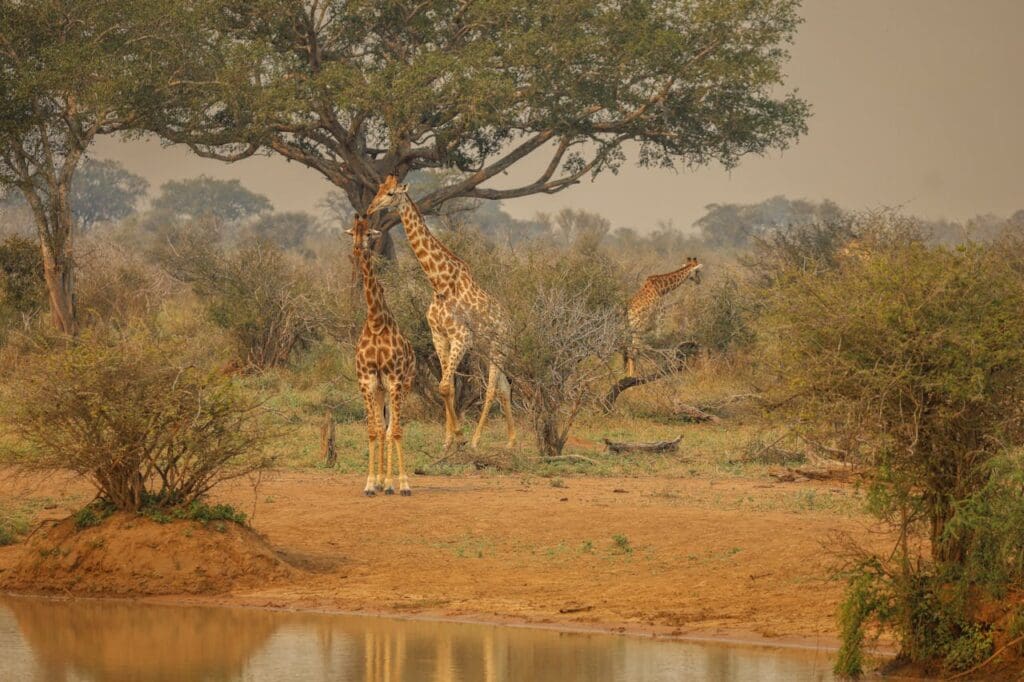
While the Kruger itself is enormous, the private reserves along its western boundary, collectively known as the Greater Kruger, are smaller, but they are that way to give guests a completely different experience.
These reserves share an unfenced border with the Kruger, meaning wildlife moves freely between both areas.
Private reserves like Timbavati or Sabi Sand are intimate and give their guests expertly guided and curated safaris.
The Kruger, on the other hand, gives you space, the option to self-drive, and a sense of exploring something truly meaningful.
Many travellers choose to have both experiences in one trip, with a few days spent driving the Kruger’s public roads, followed by a couple of nights in a private reserve, getting that laidback, full luxury treatment.
When compared to other iconic African reserves, like the Maasai Mara in Kenya, Serengeti in Tanzania, Hwange in Zimbabwe, Etosha in Namibia, or Botswana’s Okavango Delta, the Kruger is different because it is more modern and often gives travellers more variety.
While East Africa has vast open plains and dramatic migrations, and Botswana is one of the only places you can experience ultra-exclusive, water-based safaris, the Kruger is home to a variety of safari styles, it has big game density, and it is affordable.
And you can experience it all within a single destination (and that should also give you another answer to your question about how big is the Kruger National Park).
Is Kruger the largest national park in the world?
It might surprise you, but no, it isn’t.
The largest national parks in the world tend to be in places like Greenland and Canada, where protected areas span hundreds of thousands of square kilometres.
But the Kruger sits comfortably among the world’s most influential, most wildlife-rich, and most visited national parks, and it is certainly one of the biggest in Africa.

You can’t “do” the Kruger in a day, or even a week. The park is just too big.
But instead of thinking of this as some sort of drawback, think about how the size of the park is the perfect excuse to plan multiple visits to this famous place.
In the end, understanding how big is the Kruger National Park, is about appreciating the vastness of nature, the importance of preserving it, and understanding what a privilege it is to explore such an ancient, beautiful place.
Stop waiting for tomorrow to book that Kruger Park Safari. Come and be a part of those who fall in love with this special place.
The Kruger is closest in size to Wales, and also close to Slovenia and Israel.
No. But it is one of the largest and most significant wildlife reserves globally, especially when considering its ecosystems and wildlife density.
The Kruger is the official national park. The Greater Kruger includes both the Kruger and the private reserves that border it without fences, allowing wildlife to roam freely between them.
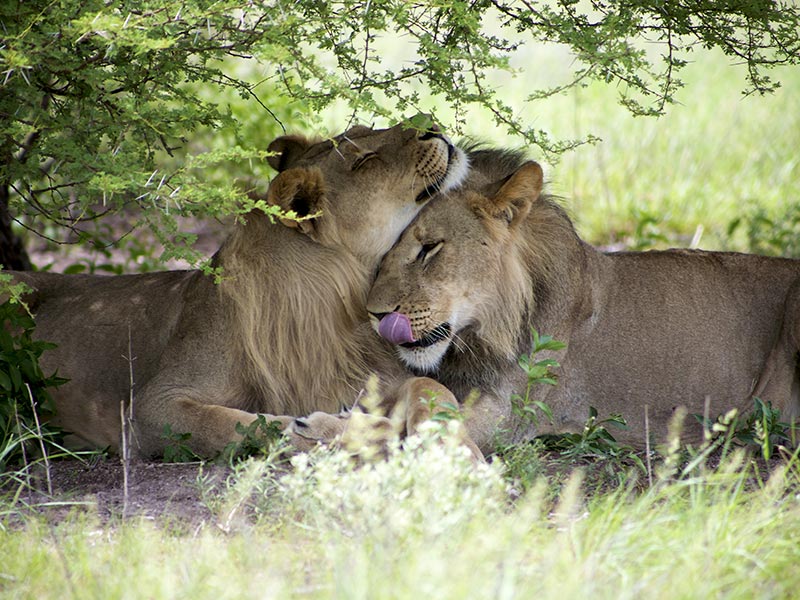
When some travellers ask how big is the Kruger National Park, they also begin to wonder about the size of some of the wildlife. Male lions typically weigh between 180–230 kg, while females usually range between 120–160 kg, depending on region and prey availability.
Its history, size (which we’ve spoken about in this guide about how big is the Kruger National Park), accessibility, incredible biodiversity, and year-round safari conditions have made Kruger one of the world’s most iconic wildlife destinations.