Table of contents
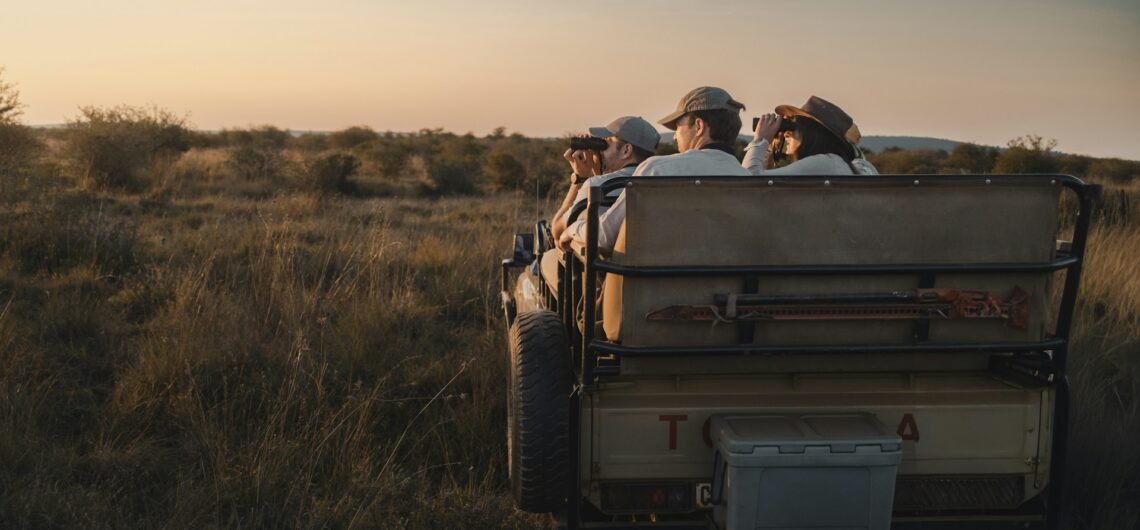
Peak and off-peak Africa travel, also known as the high and the low safari season, suit different types of travellers, for various reasons.
Some travellers, especially those coming to Africa for the very first time, like to have a trip that plays by the travel book: the weather is just right for a safari, dry and clear, the wildlife can be seen more readily, near waterholes and riverbeds, and the lodges are just full enough that stories can be shared during lively dinners around a boma.
Other travellers, and I fall firmly into the second category, prefer not to go by the book. Travelling during what is called the off-peak season gives a completely off-script experience: the weather is hot and balmy, with spectacular thunderstorms and sudden rain showers, the bush is green and full of wildflowers and intense scents, and the wildlife is still visible, only now you need to have a little more patience to see them.
The truth is that, no matter how much marketing you read about “the peak season” or the “best time to travel to Africa”, there is no best time, really.
Africa is huge, and the best time to visit one destination might be the worst time in another.
It is a continent that is beautiful year-round, and you have to pick your timing according to the experience you hope to have.
What is Peak Season Travel?
The Difference Between Peak and Off-Peak Season Travel
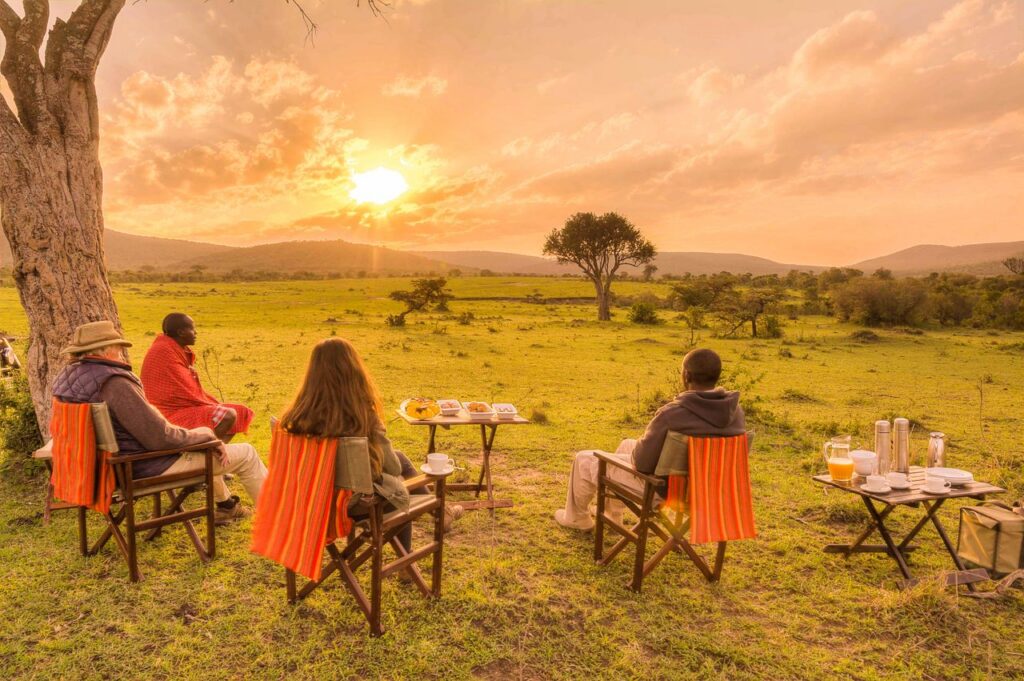
As the first light welcomes another day in Africa, and the first coffee arrives on the deck, somewhere beyond the tree line birds start their morning song, the crescent outline of a blood red sun skims the horizon, and in the distance, a lion begins his morning guttural roaring.
It is one of the best parts of a day on safari, whatever the month on the calendar, and this unassuming experience is often what draws a traveller back to Africa, again and again.
What changes with the season is almost everything around that one moment; the colour of the grass, the size of the herds gathered at the water, the chance of an afternoon shower, and even the price of that luxury suite you have been dreaming about.
Peak season travel in Africa is the period when the weather, wildlife viewing and tour demand all line up.
In safari country, this season usually falls between the driest months of the year.
It is a popular time to travel because animals gather more predictably around permanent water and the thinner bush makes for easier, closer sightings.
It is also when the most sought-after camps, private guides and river-facing suites tend to be booked furthest ahead, particularly in iconic safari destinations like Botswana, Kenya, Tanzania and Zambia.
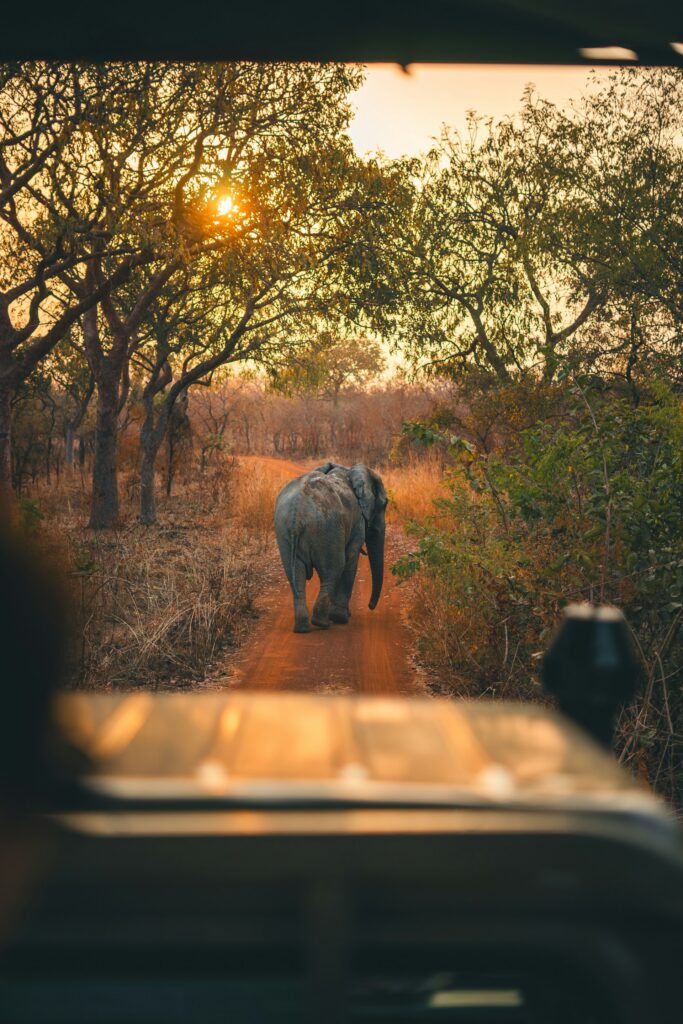
In Chobe National Park, for instance, the dry months between May and October draw large elephant numbers to the riverfront, which is part of why this stretch is so prized among seasoned safari travellers.
Peak season trips need to be booked much earlier than the usual holiday, with the best camps sometimes filling up 9 to 18 months ahead, especially when the itinerary focuses on safaris in migration areas or private concessions. School holidays can also result in peak season tours being booked out before you wipe your eyes.
Peak season does not have a universal date on a single calendar either.
Southern Africa’s dry months generally run from May to October, while East Africa’s peak season is determined by the less predictable rains and the wildebeest migration, which is exactly why a well-built itinerary needs regional knowledge instead of a one-size-fits-all date range.
Off-peak travel, sometimes called green season or low season, is entirely different.
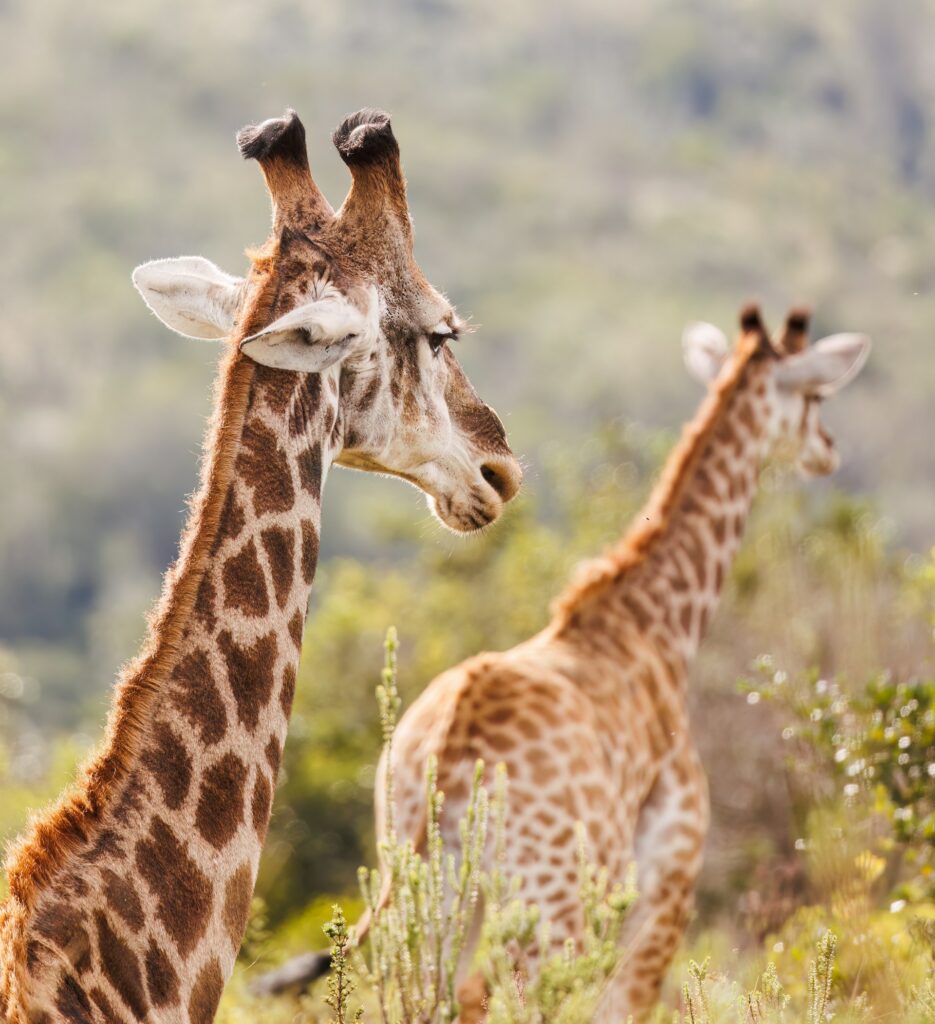
It is still a great time to travel because it is the season of seeing newborn animals walking around on wobbling new legs, it is a great time to watch dramatic cloud formations building over the plains, it is excellent for birding, and you’ll have an overall slower pace, particularly when travelling through Southern Africa between November and March.
The landscape becomes green and overgrown once the fertile summer rains arrive, birdlife becomes far more active, and rates for tour packages and accommodation drop considerably, with some properties reducing their fees by as much as 30 to 50 percent, compared to peak pricing.
It is a much quieter time for a holiday, and for many travellers it feels more personal, with fewer vehicles at each sighting and fewer guests in lodges.
Green season bookings for 2026 are becoming more popular too.
Travellers are beginning to understand that quieter camps, more affordable rates and rain-washed landscapes can be every bit as enchanting as the classic dry season experience, only carried out at a more laidback tempo, a pace that perfectly suits a honeymoon or a milestone trip rather better than a checklist safari.
Since not all trips to Africa are about going on safari, peak vs. off-peak might look a little bit different if your trip isn’t focused on seeing wildlife. For instance, in South Africa, peak season for the Cape and its Winelands is from December to February, right in the middle of the hot summer, which would be off-peak in the Kruger.
How To Decide When the Right Time is for Your African Holiday
The best time to travel is not when the guidebooks say you should come to Africa.
When selecting the season for your holiday, you need to think carefully about what you expect from your trip
Planning is rarely only about weather.
It is about privacy, ease, sightings, price, pace, and whether the itinerary should be finely planned down to the last minute with lots of activity, or a little more relaxed and secluded.
A useful way to choose between peak and off-peak for your holiday is to think about these three simple things:
First, you need to think about wildlife and how much of a priority animal sightings are for you.
If you want easier game viewing and the classic safari conditions seen in brochures, peak season is usually the ideal time to travel. If you want to see birds, baby animals, green scenery and have next to no other guests, then off-peak may be far better.
Second, you need to decide on the tone of the trip.
Peak season can feel energised and just really busy, especially at the famous reserves and riverfront lodges where every vehicle seems to know exactly where the lions are. Off-peak is a lot more laidback and better suited to travellers who prefer more space and less movement around them, and who do not mind swapping certainty of wildlife sightings for a more graceful holiday.
Third, you must consider how far ahead the trip is being planned.
If the dates are fixed, especially around July to October or the December holidays, your planning window should stretch out accordingly.
If you have the luxury to be more flexible with your timing, then the shoulder and green season often open the door to better value and a wider choice of properties.
A Country-By-Country Guide to Africa’s Travel Seasons
The Best Places for Each Season
Even the Victoria Falls changes her character with the seasons.
The high-water months, roughly from February to May, create a roaring curtain of spray that can soak onlookers from the viewpoints.
And the drier months give travellers clearer views into the gorge itself, which balances rather well with a safari planned around the same dry season window.
This is why experienced travellers tend to choose timing around the whole holiday and not one single sight.
Africa has 54 countries, and we are not exaggerating when we say that each is unique.
A date that suits one country can miss the mark entirely in another.
The table below sets out a general guide, though a good operator will always fine-tune it against the specific parks, camps and pace an itinerary calls for.
| Country or region | Peak season | Off peak / green season | What each season is known for |
|---|---|---|---|
| Kenya | July to October, plus January to February for calving | March to May, November | The Maasai Mara migration crossings in peak; quieter parks and newborn wildlife in the calving months |
| Tanzania | June to October | November, March to May | Serengeti river crossings and dry plains in peak; short rains bring green scenery and excellent birding |
| Botswana | May to October | November to April | The Okavango Delta and Chobe River draw concentrated wildlife in the dry months; green season brings newborn impala and incredible skies |
| Namibia | May to October | November to April | Cooler, drier air for desert clarity and waterhole sightings; summer brings heat and short bursts of rain in the north |
| South Africa, Kruger region | May to September | October to April | Winter thins the bush for easier sightings; summer is lush, with storm clouds and newborn animals |
| Zambia and Zimbabwe, Victoria Falls | May to October for game viewing; February to May for the Falls at full flow | November to April | Water levels at the Falls peak opposite to the dry safari season, so timing depends on which experience matters more |
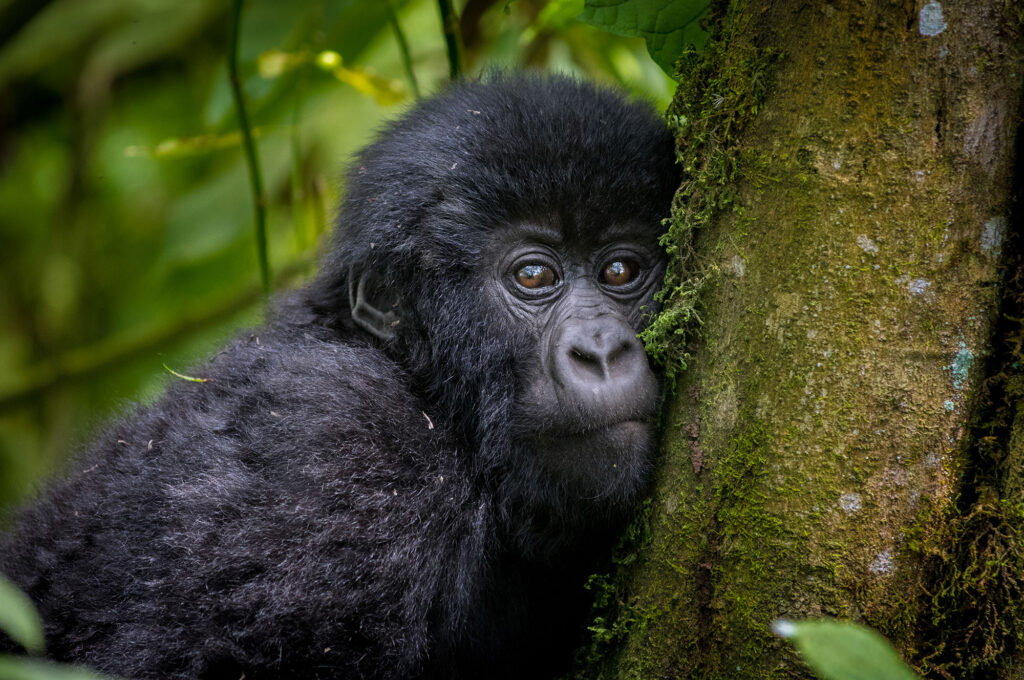
| Rwanda and Uganda, gorilla trekking | June to September, December to February | March to May, October to November | Drier trails make trekking more comfortable in peak; off-peak brings fewer permits booked and quieter forest paths |
| Mozambique, beach and islands | April to November | December to March | Calmer seas and clearer diving visibility in the dry months; the wet season carries a higher chance of tropical storms |
For peak season travel, Botswana, Zambia, Zimbabwe, Kenya and Tanzania are all wonderful destinations to visit, and for rather different reasons.
Botswana’s dry season concentrates wildlife beautifully around permanent water, while East Africa’s classic safari circuits become especially exciting with the migration and dry weather making wildlife sightings an almost certainty.
For off-peak or green season travel, South Africa, Namibia, Zambia, Zimbabwe and parts of East Africa can all be great options, depending on the exact region and month.
Green season does not mean heavy rain all day either, a misunderstanding that keeps many travellers away without good reason. In most regions, showers are brief and localised, often followed by long stretches of clear light, the type of light photographers wait their whole lives to see.
Planning Practicalities – Flights, Visas and What You Should Pack
Somewhere in the weeks before your departure, you need to start planning the more practical stuff.
A visa application left too late, a case packed for the wrong climate, or a fly-in transfer booked without enough buffer between flights can completely undo all the work you did to make sure that you booked your trip at the best time for you.
Peak season has been and probably always will be highly in demand.
Fly-in safaris and regional charter flights between camps tend to fill early in July, August and December, especially on routes connecting the Okavango Delta, the Serengeti and the Victoria Falls.
Off-peak travel usually leaves you more room to adjust your itinerary at shorter notice, and fares on some regional and long-haul routes can be a little easier on your pocket.
Entry requirements vary by nationality and by country, and they do change over time, so this is one detail that you should confirm closer to the departure date rather than blindly trusting an old itinerary.
Namibia, Botswana and South Africa allow visa-free entry for travellers from many countries.
Kenya, Tanzania, Rwanda and Uganda run electronic visa systems that are best applied for well ahead of time.
Zambia and Zimbabwe share the KAZA univisa, a single visa covering both countries that also permits day trips into Botswana through the Kazungula border, which suits a Victoria Falls itinerary well.
A good operator will flag exactly what is needed for each traveller.
What belongs in the suitcase also tends to change with the season more than most travellers expect.
Dry season mornings across Namibia, Botswana and the Kruger region can dip close to freezing before sunrise, even though the afternoon sun feels like summer, so you’ll want to pack clothing that you can layer.
And during the rainy green season, you’ll want to pack lightweight, quick-drying clothing, a proper rain jacket, and something to protect your camera, should you be caught in a sudden afternoon shower.
In both seasons, neutral tones, a wide-brimmed hat and proper sun protection are necessary, whatever the month.
There is a Season for Every Traveller
If you would like a bespoke African itinerary organised around seasonality, style and timing, African Travel Concept can help you create it.
Not always. Peak season usually suits classic safari viewing and easier logistics best, but off-peak can feel more elegant, more peaceful and better value depending on the destination and what the traveller is hoping to find.
Yes. Many luxury travellers prefer it, since the atmosphere is gentler, rates can be considerably kinder, and some of the most memorable moments arrive when a place feels quiet rather than busy.
For the most requested safari properties and seasonal routes, nine to eighteen months is sensible, with the upper end applying to highly specific itineraries and school holiday dates.
Kenya, Tanzania, Botswana and Namibia are classic peak season choices for concentrated dry season wildlife viewing. South Africa, Zambia, Zimbabwe and Mozambique are often great for off-peak travel and have better rates, quieter camps and lush scenery. The right fit depends on whether dry season certainty or a greener, quieter atmosphere matters more.
There is no single best time. The right answer depends on the region, the wildlife priority, the budget, how much privacy matters, and whether the traveller wants dry season certainty or the softer atmosphere of green season.