Table of contents
It was sometime in the 20th century that the term Big 5 switched from being a description used by hunters looking for a trophy to being used by conservationists and safariphiles as a way to describe 5 of Africa’s most iconic wildlife.
Lion, Cape Buffalo, Leopard, Elephant and Rhino are found in varying population densities throughout Southern and Eastern Africa, but not every safari country has them all.
There’s only a handful of places where you can book a Big 5 safari, and that number dwindles when you are looking for a luxurious holiday, where you can really get up close to these animals all while staying in the very best accommodation.
Big 5 safaris are for every kind of traveller, and in this guide, we’re going to share the best safari destinations in Africa to tick these 5 animals off your bucket list.
Best Big 5 Safari Destinations in Africa (And the Best Big 5 Lodges in Africa)
There is one thing that all Big 5 safari destinations have in common, and it is not the wildlife.
Each destination is a symbol of dedicated conservation efforts.
Once, in the not-so-distant past, many of the Big 5 animals were teetering on the verge of becoming endangered, and the rhino, as you probably know, has come close to extinction.
Today, these magnificent animals, along with several others, have returned from the brink and can once again be found gracing many of Africa’s most treasured Big 5 safari destinations.
If seeing the Big 5 has always been something you’ve day dreamed about, these are the destinations where your dream is most likely to come true:
South Africa
Each of the Big 5 plays a very different role in South Africa’s wild ecosystems.
Elephants can dramatically reshape vegetation, predators such as lions and leopards help regulate prey populations, while rhinos and buffalo influence grazing patterns and nutrient cycles. Together, they are part of the intricate web that keeps South Africa’s ecosystems functioning.
When you think about the best places to see the Big 5, South Africa is probably the country that comes to mind first.
There are various, easily accessible places in the country to see these animals, many of which are public parks.
But for a more exclusive sightings experience, travellers are increasingly gravitating to private concessions.
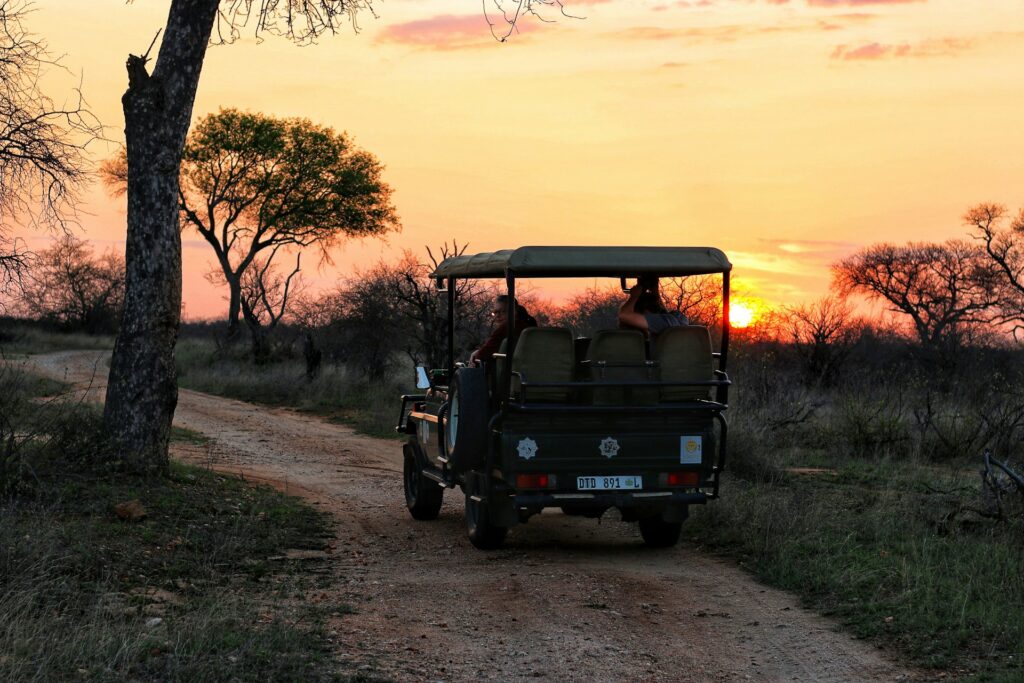
And Sabi Sands ranks among the very best Big 5 destinations, where intimate game drives, including night drives, are the norm.
Both Sabi Sands and its neighbour Timbavati, another popular concession, share neighbouring Kruger National Park’s ecosystem and its lion, leopard, elephant, rhino and buffalo populations, but allow off-road tracking and walking safaris with an armed guide, neither of which is permitted inside the Kruger itself.
There is no fence between these private reserves and the Kruger, allowing animals of all kinds to cross the invisible boundary as they please. It is one of the reasons sightings in Sabi Sands often happen up close, and with fewer other vehicles hovering around.
Sabi Sands is also quite famous for its safari lodges, including Lion Sands River Lodge, Langa Langa Tented Camp, Cheetah Plains and Singita Boulders. Each of these is privately owned, and many have the wildlife coming right up to the property fence.
Londolozi and Mala Mala in the Sabi Sands have been running photographic safaris for decades and have become popular amongst both seasoned photographers and amateurs, while Umlani Bushcamp in the Timbavati keep things simpler, with reed and thatch huts and no perimeter fence separating guests from the bush at night, increasing the chances of wildlife sightings right from your bedroom window.
Botswana
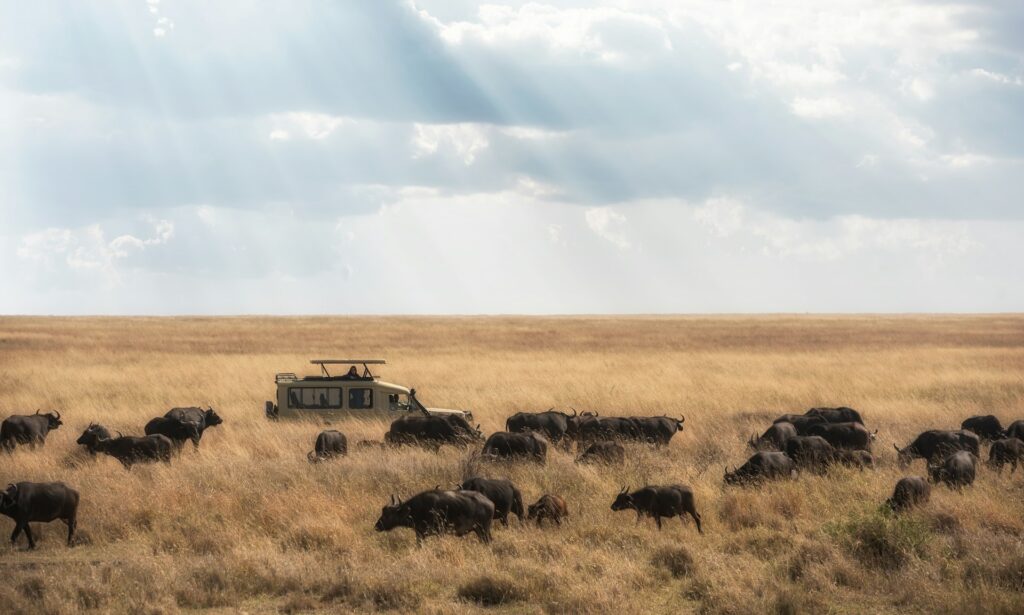
African buffalo are already impressive animals, and Botswana will give you sightings on a grand scale. During certain times of year, herds can number in the hundreds or even thousands. Watching a huge buffalo herd move across the landscape is a reminder that these animals are far more than the grumpy-looking cattle they sometimes resemble from a distance.
While its neighbouring safari countries have done a lot to promote safari parks and attract as many travellers as possible, Botswana has taken an entirely different approach.
It is said that there is more conserved land in the country than developed, and this has given Botswana a very interesting character.
Government policy has long favoured a small number of high-value camps over mass tourism, so well-known places like the Okavango Delta, Chobe National Park, and the Linyanti keep visitor numbers low, which makes each destination rather exclusive.
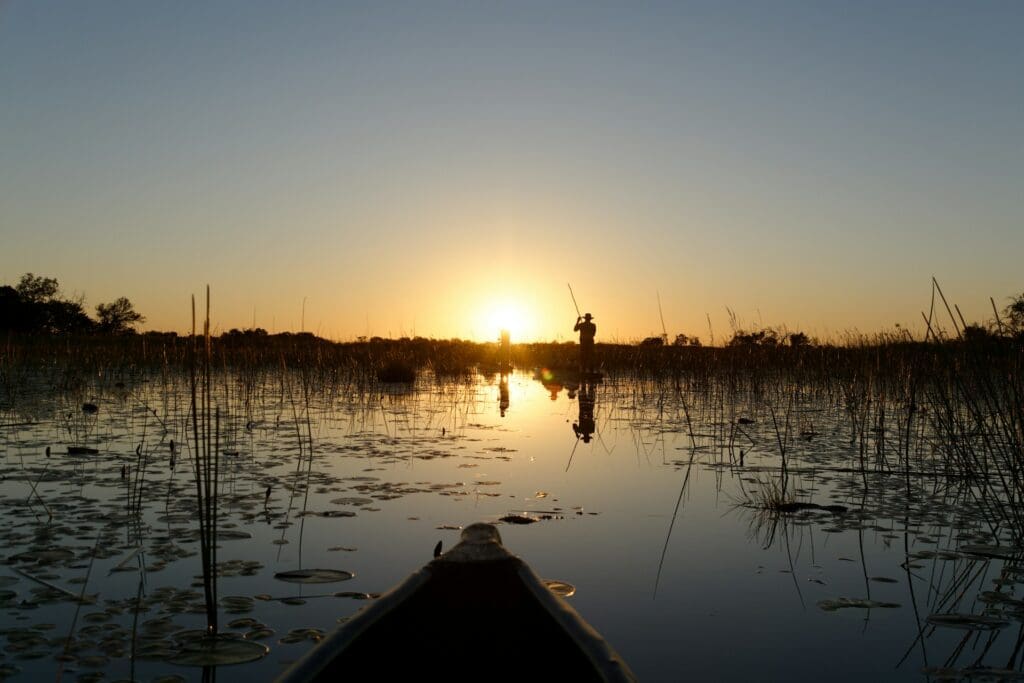
Much of the game viewing here happens from the waters of the Chobe River, where you’ll spend your early mornings in a mokoro gliding past elephants drinking at the delta’s edge and watch hippos grunting and splashing in the distance.
Botswana is not usually the choice for a first safari, but it is an exceptional destination to travel to if you are looking for an intimate destination where you can make the best memories.
Most of the camps in Botswana are purposely small, often no more than a dozen tents, a direct result of the same government concession policy that keeps vehicle numbers low.
Mombo Camp on Chief’s Island is regularly named among the best game-viewing camps on the continent, and Chief’s Camp and Zarafa in the Selinda Reserve work the same waterways with a similarly light footprint.
You’ll want to set aside at least 5 to 7 days for your Botswana safari, this is one country that does slow well.
Tanzania
Alongside the Big 5, cheetahs, giraffes, hippos, wild dogs, hyenas, crocodiles and countless bird species can all be seen on a single safari in Tanzania. And sometimes it’s the animal you weren’t expecting to see that becomes the highlight of your holiday.
Tanzania’s Serengeti and Ngorongoro Crater are the last Big 5 safari destination list and you should pay particular attention to the private conservancies bordering the parks, such as Grumeti, where you can have sightings just about all to yourself, which makes the experience something truly rare and wonderful.
Tanzania is best known for the Great Migration, when once a year massive herds of wildebeest and zebra follow the rain, sometimes walking, sometimes grazing and sometimes galloping across Tanzania’s famous wide open plans and through croc infested rivers.
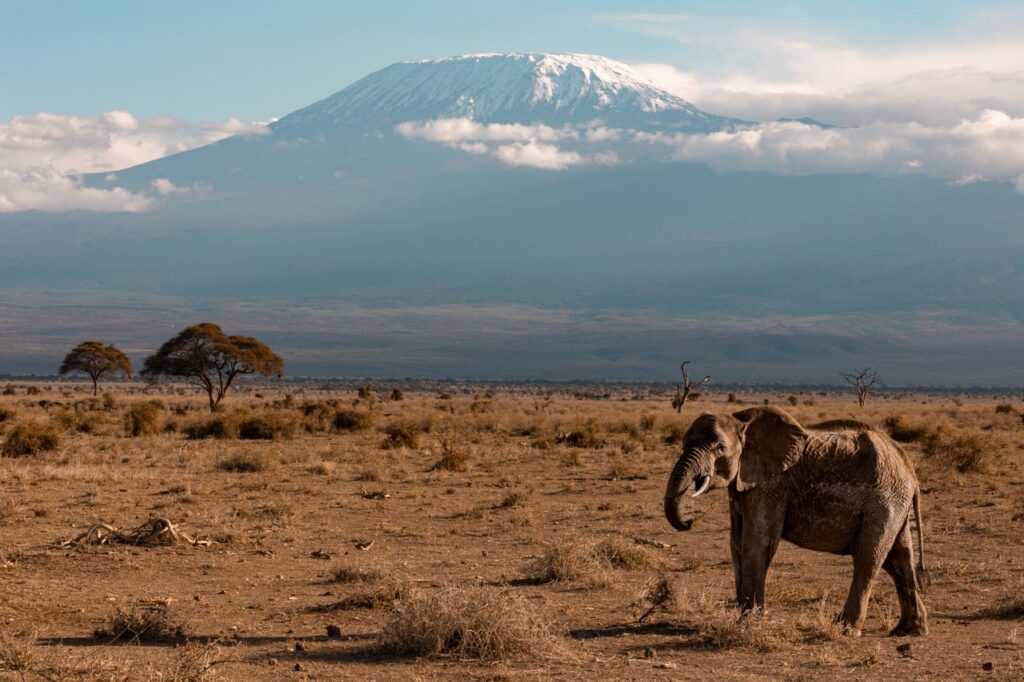
Along with watching the Great Migration, you can also see all of the Big 5 in Tanzania. Serengeti National Park is home to huge prides of lion, some of the biggest prides in Africa, and there are also massive herds of elephant and buffalo. As usual, leopard are a little more difficult to spot but they are there, and when travelling in the closed ecosystem of Ngorongoro Crater, black rhino are regular sightings.
Tanzania has a few luxury bush lodges to consider as well.
Most of the country’s best safari lodges are on private land bordering the national parks rather than inside them.
Singita Grumeti and the Four Seasons Safari Lodge Serengeti both look out onto the migration corridors, while places like Singita Sasakwa Lodge, Grumeti Hills, and Togoro Plains all border safari spots, helping you get an early start.
Which Big 5 Safari Destination Is Right for You?
South Africa, Botswana and Tanzania are all well-known in safari circles for being able to give travellers of all kind’s exceptional wildlife experiences, but they each are very different.
The right choice depends on what you want from your safari, how much time you have, and whether you’re looking for an easy first safari or something a little more remote and exclusive.
South Africa is a particularly good choice for first-time safari travellers.
There’s excellent infrastructure, a variety of stunning lodges and reserves to choose from, and plenty of ways to add other experiences, like a beach trip, to your safari.
Private reserves such as Sabi Sands and Timbavati specifically cater to the luxury market by having smaller guest numbers, off-road game viewing and, in many cases, night drives.
Botswana is for travellers who want to get away from it all, including other travellers.
The country’s never ending wilderness areas, small luxury camps and low visitor numbers give it an wonderfully intimate feel.
The Okavango Delta is also one of the best places in Africa to have a unique safari, with wildlife viewing from boats and mokoros being available alongside traditional game drives.
If your idea of luxury is space, silence and the feeling that you’re a long way from civilisation, Botswana is hard to beat.
Tanzania, meanwhile, is the destination for big skies, endless plains and some of Africa’s most spectacular wildlife scenes.
The Serengeti is synonymous with the Great Migration, but you don’t need to time your trip around the wildebeest to have an exceptional safari. Add the Ngorongoro Crater into the mix and you have the chance to experience an extraordinary variety of wildlife in a relatively concentrated area.
Ultimately, choosing between the three comes down to the kind of safari you want to have.
Want an easy-to-access first safari? South Africa.
Dreaming of remote wilderness and an intimate camp? Botswana.
Want vast landscapes and the drama of the Serengeti? Tanzania.
And if you’re still torn, don’t worry. That’s what safari planning is for.
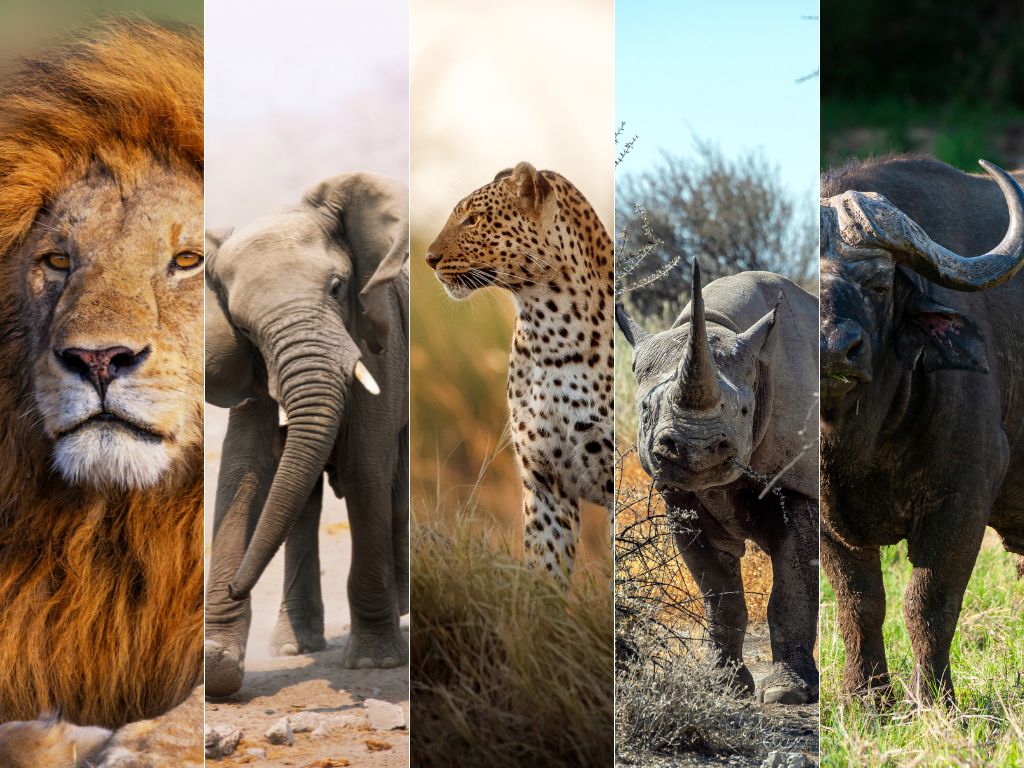
How Likely Are You to See the Big Five?
Let’s get one thing out of the way before you start planning your safari around a very ambitious animal checklist: there are no guarantees when it comes to wildlife sightings and anyone trying to make promises should not be trusted.
Yes, South Africa, Botswana and Tanzania are all excellent destinations for Big Five sightings, but these are wild animals don’t read itineraries, check calendars or politely seat themselves beside the road just because you’ve flown halfway around the world to see them.
What is true though is that some animals are naturally easier to spot through the thicket than others.
Elephants and buffalo, for example, can often be easier to spot because they live in groups and cover fairly open areas. It also helps that they are absolutely massive animals!
Lions can also be relatively predictable, particularly when prides have established territories.
Then there’s the leopard.
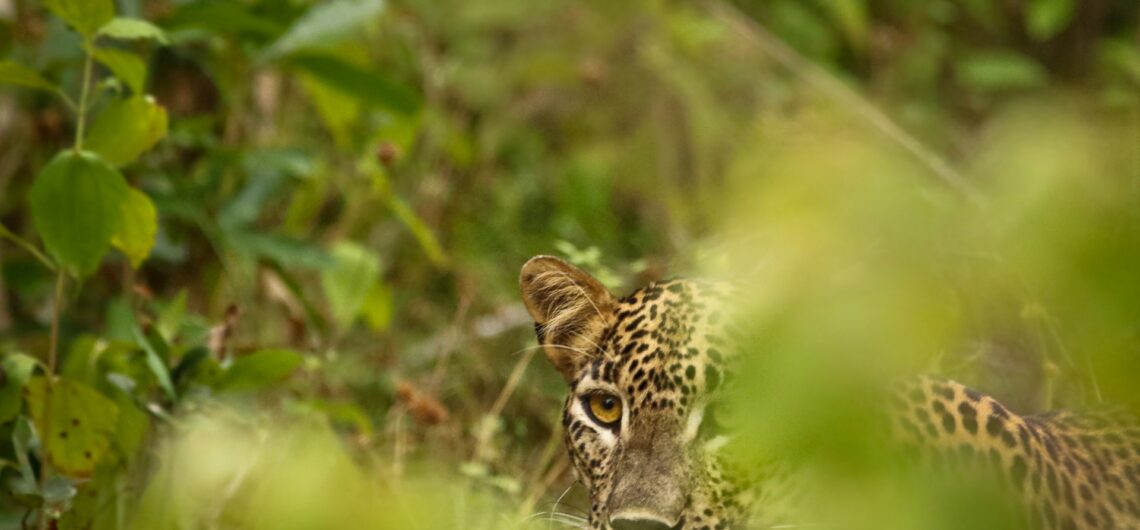
Beautiful, elusive and exceptionally good at disappearing, leopards are often the animal that has safari-goers scanning every tree and patch of grass with binoculars. It is also the animal that those last game drives of the tour focus all the attention on finding.
Rhino sightings can also vary depending on where you’re travelling, while vegetation, rainfall and the time of year can all influence how easy it is to spot them. Of all the Big 5, rhinos are often kept off of latest sightings lists to protect them from would be poachers.
The good news is that experienced guides and trackers know the bush like they know themselves; they understand animal behaviour, follow tracks and signs, listen for alarm calls and know where different species are likely to be at particular times of day.
Spending several nights in the same reserve also gives you a much better opportunity to see a wider variety of wildlife.
One game drive might produce elephants and buffalo, while the next brings a pride of lions, a sleepy rhino or that elusive leopard you’ve been straining your eyes to spot.
And remember, a great safari isn’t measured by how quickly you tick five boxes, but rather by how much you enjoyed your trip.
Find your perfect Big 5 safari and start planning your time in the African bush.
The term dates back to big-game hunting and originally named the five animals considered most dangerous to track on foot: lion, leopard, rhino, elephant and buffalo. Photographic safaris kept the same list.
In Southern Africa, the dry winter months from roughly May to September concentrate animals around water and thin out the vegetation. East Africa’s dry seasons follow a slightly different rhythm tied to rainfall rather than a fixed month.
No. Private concessions bordering the park, such as those in the Sabi Sands and Timbavati, share the same open ecosystem and animals, usually with far fewer vehicles at each sighting.
Not everywhere. Parts of KwaZulu-Natal, including Thanda, sit in a lower risk zone, while the Kruger area, Botswana and Tanzania are within malaria zones, so it is worth checking the specific lodge and speaking to a travel clinic.
Most sought-after camps recommend six to twelve months’ notice, particularly for the June to September peak season, since bed numbers are kept deliberately low.