Table of contents
You’ve probably read, on more than one occasion, if you are a Safariphile (someone simply obsessed with wildlife safaris), everything there is to know about the safari.
You know what to pack, where to go, how to have the best experience and when to travel.
But unless you’ve actually clicked booked now, boarded the plane and set off for the adventure of a lifetime, it is hard to imagine what the experience is actually like.
Some travellers paint the perfect picture of a luxury escape, one where they vanish from their world for a while and treat themselves to the most indulgent stay, while others will talk about flat tyres in the middle of nowhere, mozzies that would not leave them alone, and how roughing it was the most amazing thing they’ve ever done.
Everyone’s safari is different, so explaining what to expect and how it all feels is rather difficult, but we’re going to give it a go so that you can feel fully prepared and approach your wildlife safari like a pro.
What a Safari Really Feels Like (And You’ll See Why It’s Hard to Explain)
It’s quiet.
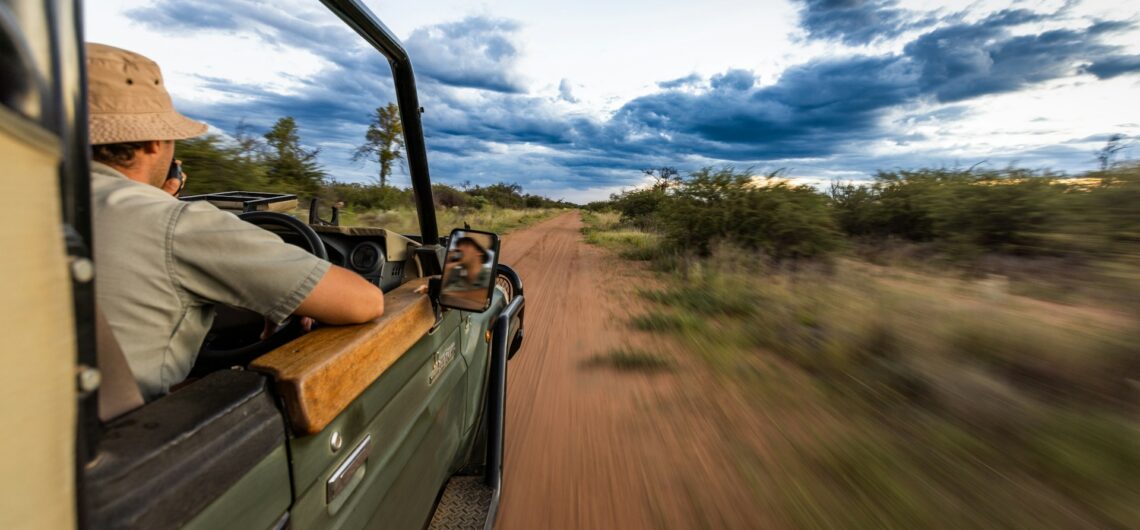
Walking through a bush camp in the frigid dawn light on a July morning, looking for a spot where you can comfortably watch the sun come up, is a profoundly peaceful experience and one that you probably did not expect to have, given how safaris are often marketed as high-energy and action-packed.
Most of us spend our lives running. It is just the way modern life is these days.
When you go on safari, you experience the exact opposite, as you are quite literally forced to slow down immediately. If you’ve heard of Africa time, then you are already familiar with what I am about to say.
From the moment you arrive, everything slows down.
If you are taking a road transfer, it is not rushed, but rather a part of the holiday. And when you arrive at your lodge or camp, the atmosphere is one of serenity, with every part of your stay painstakingly focused on giving you a laidback holiday.
The people you encounter are unhurried, and the heat, even in the middle of a winter day, encourages a certain amount of laziness, especially when the cicadas begin their shrilling songs, and all you want to do is doze off to the sound.
Then there is the fact that most safari destinations are so remote that you’ll quickly forget about the city buzz.
If you are the kind of person who struggles to slow down, it’s hard to explain how different you are going to feel while in the bush.
Adjusting to a slower pace can be frustrating, but by day 3 of your trip, you’ll be well accustomed to the pace of things. This is why you must book more than 3 days for your safari. 1 or 2 days is not only too little time to get acclimated, but you also won’t see as much as you could have, had you booked 3 or preferably more days.
There’s a Healthy Amount of Surreality
What else does a safari feel like?
Kind of surreal.
Most of the best safari destinations, like the Kruger or Sabi Sands, is a developed but primitive world of sorts.
On the one hand, you have world-class amenities and lodgings, but on the other, you are travelling in a wilderness that is untouched by the industry of man.
Being out in the bush somewhere, well away from the rest of the world, is like being given a look back in time, to an era when wildlife outnumbered people, and the land was left to grow and die just as nature intended.
Not only will you find that surreal, but also inspiring. The trend lately is going back to basics and to be inspired by tradition, so seeing this unique wilderness can make you rethink the world you know and perhaps encourage you to bring some nature and tradition back into your life.
You’ll Experience Apprehension, Anticipation, and Adrenaline
A wildlife safari can also feel like an emotional rollercoaster, mostly when you are out on a game drive.
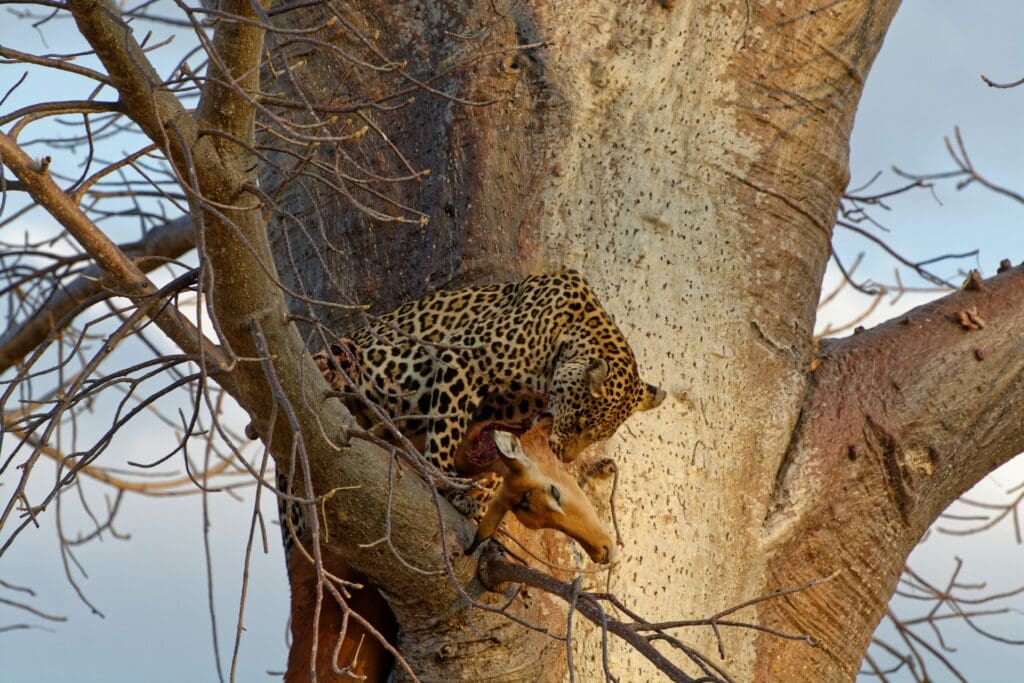
The anticipation of waiting to see something, followed by the rush of being the first person to spot the leopard in a nearby tree, watching a newborn calf walking alongside its mother on shaky legs, or going through the motions of seeing a hunt in real life, can be somewhat overwhelming.
There’s never a moment out on safari that is predictable, and you can go from tears of joy to tears of upset in the space of a single game drive.
Walking Safaris vs Game Drives – Which is Best for Creating a Deeper Connection?
The best kind of African wildlife safari is the one that is going to help you forge a connection to the land and its inhabitants.
There is no right or wrong choice when it comes to your safari, but the way that you experience it can make a big difference in the intensity of the connection you create.
Ideally, you should be able to include both a wilderness walk and a game drive during your wildlife safari. This way, you’ll be treated to the best of both worlds, and you’ll leave the continent having had a full experience (and all the feels).
Game drives are the quintessential part of the vast majority of conventional wildlife safari packages.
A game drive gives you distance and speed, the comfort of a vehicle between you and whatever is watching from the long grass, and it allows you to cover huge tracts of ground quickly. You can see a lot on a game drive, which is why it is the preferred safari method.
A walking safari is where your trip gets some added depth.
Standing on open ground near a herd of buffalo, with nothing but a guide’s calm voice and years of bush knowledge between you and the animals, does something to your posture and your breathing.
Most people who try a walking safari once find they want to do it again.
Your guide reads tracks in the sand, points out a scent on the wind long before you notice it, and teaches you to move at the pace the bush itself moves. There is no glass, no metal, no comfortable remove from the possibility of there being a curious but cautious animal hiding just ahead of you.
Many seasoned travellers prefer a walking safari because they find that a single hour on foot leaves them with a deeper impression than a full day in a vehicle, simply because it demands your full attention and it is a far more sensory activity.
While on a game drive, you will without a doubt have all of the excitement of being on safari.
Being barefoot in big cat country will have you going through all of the ups and downs, the apprehension, the shock, the primal tingle of fear, and the absolute euphoria of being in the wildest of places.
Private Reserves and National Parks Both Tell Different Stories
As far as feeling and emotion go, national and private parks could not be further apart.
A national park, sometimes called a public park, is a conservation area protected by government legislation. It is usually managed by a government board, and it is designed to appeal to a crowd of travellers.
The Kruger National Park is an example of a national park, and it sees some 1.5 to 2 million travellers each year.
First-time wildlife safari-goers usually begin their love affair with Africa while visiting a national park. After getting their fill from the national park options, they will then gravitate towards a private reserve.
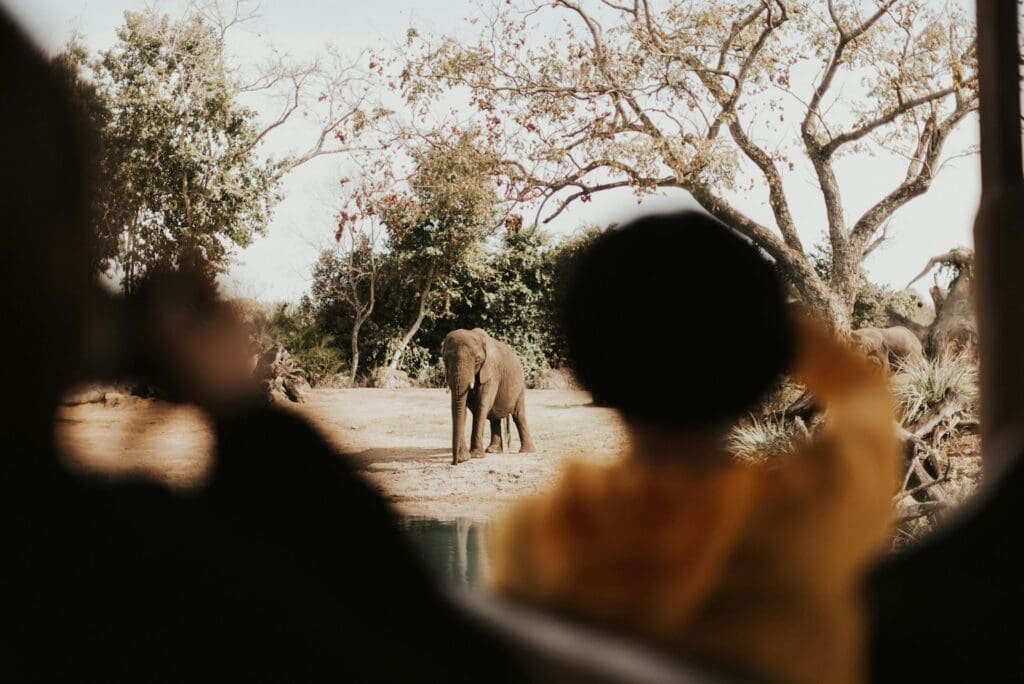
National parks are known for giving travellers a full wildlife safari experience, plus a sense of camaraderie. Everyone is there for the show and will usually stop on the road or in a camp to share where they saw what.
It is more of a communal experience, and it is a whole lot of fun.
A private reserve, on the other hand, tends to be characterised by fewer vehicles at each sighting, guides who often know individual animals by name and habit, and your guide will also have the flexibility to leave the road when a moment calls for it.
A great example of a private reserve is Sabi Sands, a destination well known for its resident leopard population. In places like Sabi Sands, you are looking at bespoke safari packages that allow you to have an indulgent trip that is crowd-free enough to give you time to reflect and enjoy everything the bush break has to give you, in utter peace and quiet.
Private reserves, as the name gives away, are privately owned and generally cater to the luxurious to ultra-luxurious market. The lodges are known for their immense attention to every detail, and for catering to guests’ demands. Some lodges are so luxurious that you can order a pedicure to your room at 1 am, if that’s what you want.
Neither option is superior. They simply suit different temperaments and different trips.
Why Your First Time Wildlife Safari Expectations Can Fall Short
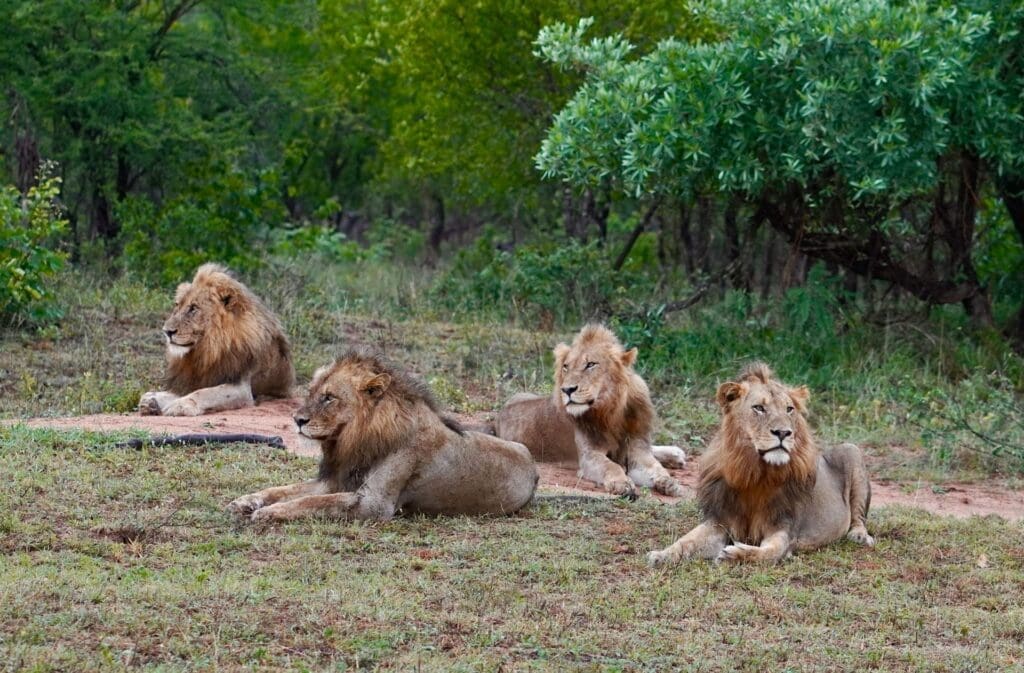
One of the greatest mistakes you can make when setting out on your very first safari is to think of it as a zoo trip.
It is a corny thing to say to someone like you, but there are still travellers who come to Africa with the idea that they are going to see everything they hope to see the moment they drive through the park gates.
But Africa dances to her own tune and is famously unpredictable.
While you certainly won’t leave your wildlife safari empty-handed, you are not going to see it as you would see wildlife in a zoo, all planned out and with a map showing you exactly which enclosure has an animal.
You will want to throw out the expectation that you’ll see wildlife on demand, though that shouldn’t discourage you from bringing along a checklist. It can add some fun to the game drive or walk.
Most first-time visitors also tend to think that their time in the bush is drama and action from start to end, a lion mid-hunt around every bend, if you will.
What you’ll find instead is slower and stranger, like long stretches of seeing absolutely nothing and then spotting an impala frozen mid-step for reasons only it understands.
For this reason, you need to leave the rush at the door, and spend your time slowing down not just your pace but also your mind.
We said it at the start of this guide, and we need to say it again.
If you are the kind who lives a rushed life, one of the best things a wildlife safari will give you is the chance to slow down and just be fully in the moment, instead of thinking about all the things you need to do.
And finally, you’ll want to make sure that you’ve booked the right package.
You need to make sure that your expectations fit the package you choose. If you expect luxury, don’t book the classic tour. If you expect to see all of the Big 5, book 5 days instead of 3. And if you want a private tour, don’t book a standard safari package that’ll have you sharing a vehicle with a crowd of strangers.
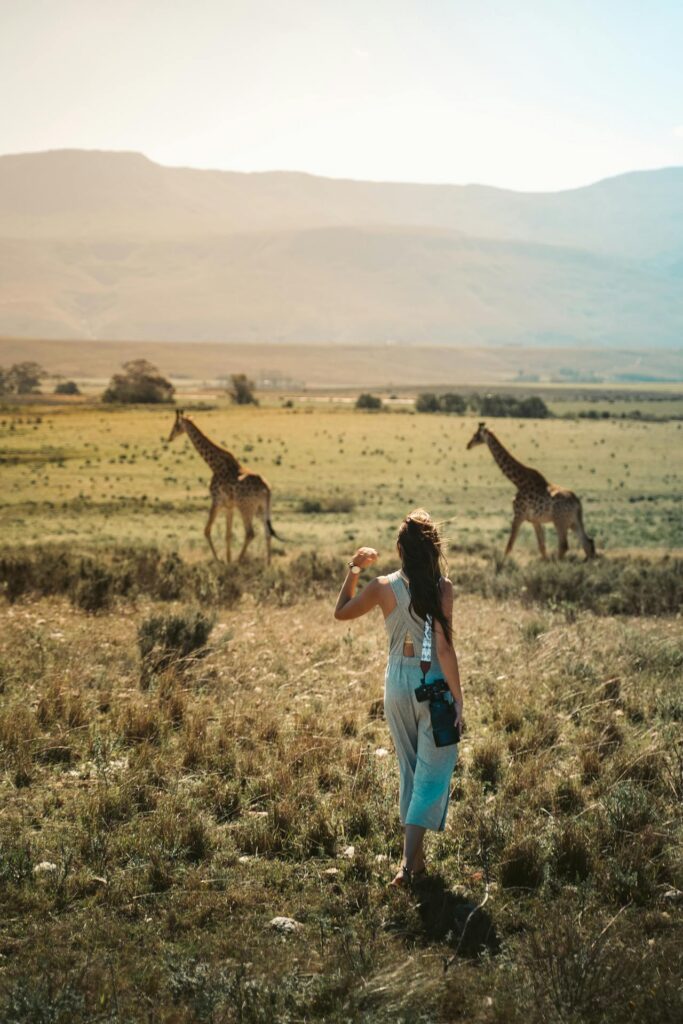
Honestly, the best way to figure out what a wildlife safari actually feels like is to stop procrastinating and book that holiday you’ve always wanted to have.
Yes, provided it is led by a qualified, armed guide. Briefings are thorough, and paces are kept gentle for those new to the bush.
Private reserves generally offer more flexibility and closer guiding, while national parks suit travellers who want a wilder, less curated experience. Many trips combine both.
Early morning and late afternoon tend to be most active, when temperatures are cooler and animals move more freely.
Not necessarily. A steady hand, good light and patience often matter more than the camera itself.
Most guides recommend a minimum of three to four nights, allowing enough time to settle into the rhythm of the bush rather than rushing between sightings.