Table of contents
- 1 Why Visit Malawi, And Why Now?
- 2 Who Malawi is Perfect for
- 3 Africa’s Most Underrated Safari Comeback Story
- 4 Community-Led Conservation
- 5 The Malawi Safari Experience
- 6 The Land of Lakes and Lions
- 7 Culture, Attractions and Experiences Outside of the Parks and Lakes
A small country wedged between Tanzania, Zambia and Mozambique, Malawi is fast becoming the destination of choice for travellers who dream of having an authentic African adventure.
The country is one of the most densely populated, but it still manages to keep its wild places wild.
Well away from the busy towns and cities, Malawi’s national parks are home to an abundance of animals, with conservancies like Nyika National Park and Liwonde National Park being well known for having huge herds of zebras and elephants.
But it’s not the wildlife that has put it on the traveller’s map; Malawi’s greatest claim to fame is its lake.
Stretching up the eastern border of the country, Lake Malawi is one of the most picturesque destinations on the continent and an increasingly popular one for a bush/beach break.
You can’t go wrong with choosing Malawi for your next African holiday, especially if you have exhausted the southern reaches of the continent and crave something completely different.
And in this guide, we’re going to give you an introduction to a country that lives by the motto of uMunthu (“I am because we are”).
Did you know?
- Malawi has a population of about 22.8 million people, and half the population is under 18.
- The country is landlocked in southeastern Africa.
- Lilongwe is its capital, and it sits in about the middle of the country.
- English and Chichewa are widely spoken.
- Lake Malawi, a UNESCO site, is home to more fish species than any other lake on earth.
- All of the Big 5 once again roam in Majete, with lions being reintroduced in 2018.
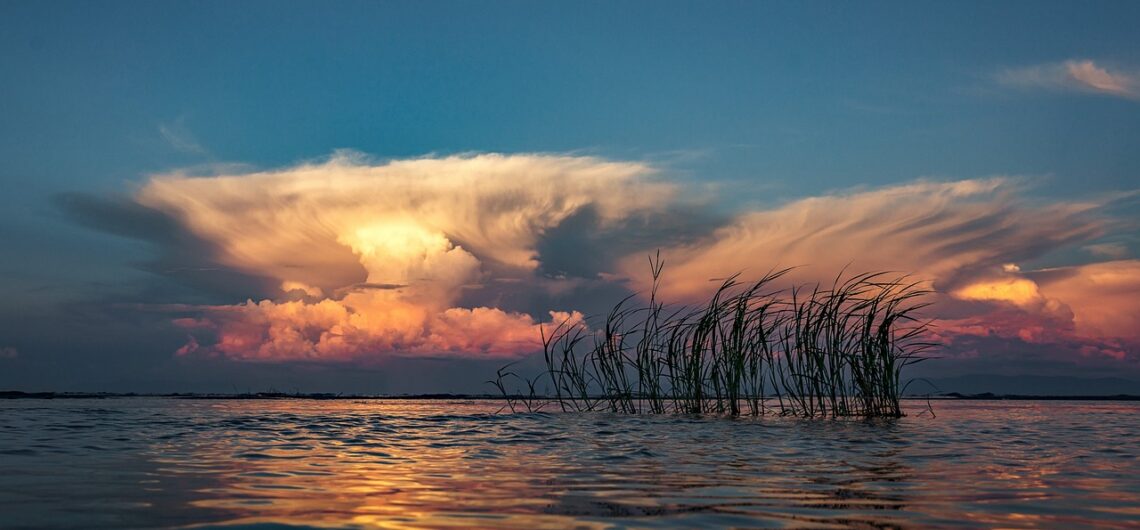
Just as the waters of Lake Malawi turn from pearl grey to rose to gold with the rising sun, and somewhere behind you a bird begins its morning song, you’re suddenly hit with this sensation or rather a realisation or a reminder, that there’s nowhere else you need to be, and nobody is hurrying you anywhere.
This is Malawi.
It’s far from the biggest country, and it doesn’t have the diversity of some of its neighbours, but it is astoundingly beautiful and will leave you absolutely enchanted.
Although it sounds a little cliche or made up by AI, the country has been given the nickname, “The Warm Heart of Africa”, because of the way that it welcomes you in.
Malawians are people who always wear a smile that reaches their eyes, and have time to chat. Learn a few small words like “Muli bwanji” (which means how are you), and “zikomo” (which means thank you), and you’ll see them light up with delight at the effort you make to connect with them.
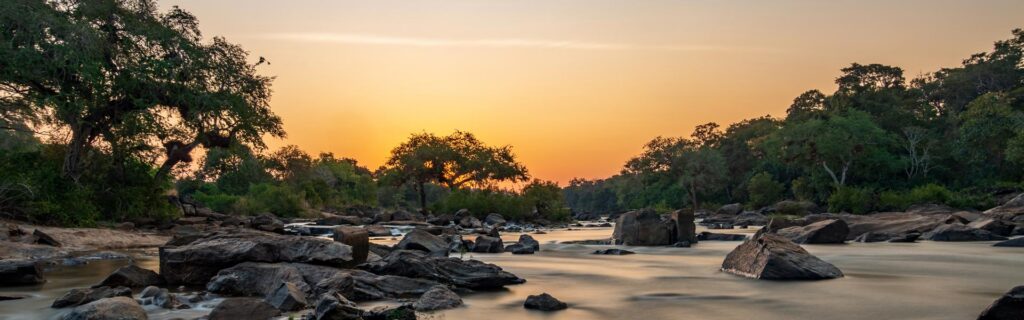
Here in this long stretch of land, lions have been returned to where they were once lost, elephants drift along the river, and a lake stretches so wide you may mistake it for the sea.
Small, owner-run lodges are tended by people who really care about how your stay is experienced, and guides go the extra mile to share a piece of their heritage with you.
Malawi is for the traveller who wants to experience Africa slowly, and who wants their time here to give them an authenticity that lacks these days in other parts of the world.
Why Visit Malawi, And Why Now?
Malawi has been on the safari circuit for years, but it has never quite been given the status it deserves. This is a bonus for travellers, because unlike its popular neighbours, Malawi’s lack of tourists makes it a dreamy destination for anyone who is over jostling through crowds.
Only 975 000 people crossed the border in the last year. By contrast, almost 2 million people visited the Kruger alone during that same time period.
A morning spent in one of the country’s parks can pass by with nobody for company but your guide and the animals themselves.
It’s not just the low visitor numbers that make Malawi attractive.
Most of its lodges are small, generally owner-run and intimate, and its destinations are plentiful and each designed to give you an exclusive experience.
This is low-volume travel in its truest form, and it is also luxury travel at its absolute finest.
And on the topic of luxury, in Malawi it has very little to do with 10 pm nail appointments, spa days and champagne (although all of that can probably be arranged if you wanted it).
It is about having time and space, and for your needs and expectations to be known. It is a guide who stays with a herd because you are not ready to leave, a table laid on the sands of Lake Malawi at sunset, and a day with no schedule except the one you make.
Itineraries here are designed to give you ample breathing room, allowing for the perfect combination of relaxation and sightseeing.
Who Malawi is Perfect for
We’d venture to say that Malawi is the ideal destination for anyone wanting something completely unlike what you see marketed on a Kruger Safari itinerary.
For repeat travellers who’ve already loved the classic circuits and now long for something more personal, Malawi will feel like the Africa you expected when you first came to the continent. It has a way of being able to give you that early explorer, old-world ambience and energy.
Malawi is for couples and honeymooners who prioritise privacy, candlelit dinners, lake sunsets and small lodges where the whole property feels like it stayed open just for your trip.
And Malawi, although rough and rugged around some of its edges, can be an exceptional place for a family vacation in Africa.
Its relaxed pace, warm people, and unique wildlife encounters suit curious children. If you are planning a family break, do ask each lodge about the minimum ages for things like walking safaris and boat activities.
Africa’s Most Underrated Safari Comeback Story
We said Malawi wasn’t always on the safari circuit, and this is why.
By the early 1990s, almost all the wildlife in Majete, Malawi’s main wildlife conservation park, had been wiped out. The land was still indescribably beautiful, but it was empty mostly due to poaching, habitat loss and conflicts between humans and the animals.
In 2003, the conservation organisation African Parks entered a partnership with Malawi’s Department of National Parks and Wildlife to manage Majete.
Majete is Malawi’s proudest comeback story. More than 2 500 animals, among them lions, rhinos and elephants, were translocated here, and every Big 5 animal now roams the reserve safely.
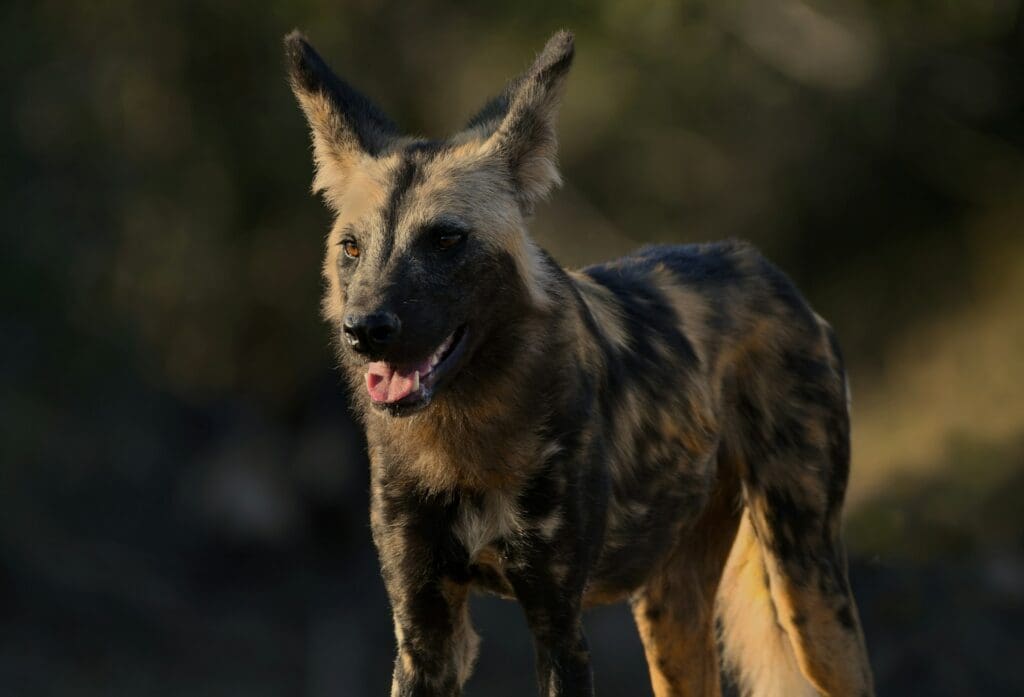
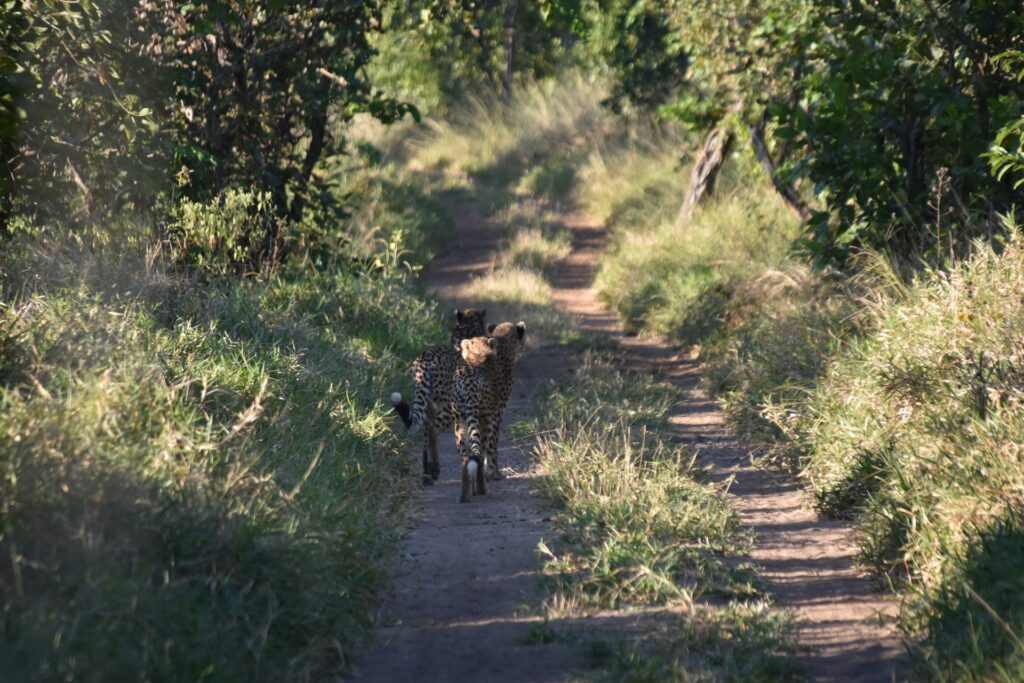
The return came very slowly; elephants were brought back in 2006, lions in 2012, giraffes in 2018, cheetahs in 2019 and wild dogs in 2021.
Compared to places like the Kruger, Majete is very much in its infancy, and every game drive through the park helps it to grow.
Liwonde National Park, Elephants, Hippos and the Shire River
After the success of Majete, long-term agreements followed in 2015 for Liwonde National Park.
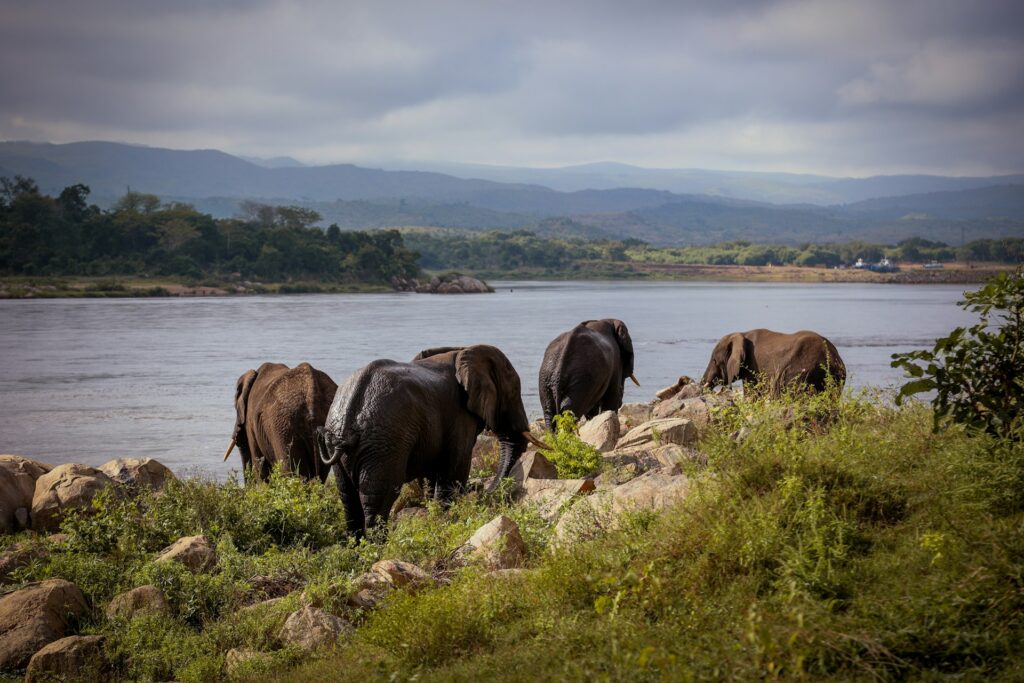
Liwonde lies along the peaceful Shire River, where hippos wallow, and elephants regularly come down to drink.
The Shire River is one of the loveliest places in the country to watch wildlife from a boat. The water is always a hive of activity, and busy with the sounds and sights of birds.
Its recovery has been remarkable.
When African Parks took over in 2015, the park held tens of thousands of wire snares; the snares vastly outnumbered the animals.
Once the park was cleared of snares and made secure from poachers, cheetahs returned first in 2017, followed by lions in 2018. 17 black rhinos later arrived from South Africa in one of the largest international rhino translocations.
Today the park is thriving and has become one of Malawi’s best safari destinations.
Nkhotakota and Other Reintroduction Successes
Nkhotakota Wildlife Reserve had lost most of its wildlife before 2015.
Together with the Malawian government, African Parks completed one of the world’s largest wildlife translocations, moving 500 elephants and around 2000 other animals into the reserve.
And Majete, the country’s original rewilding project, has become a source of new life elsewhere. Black rhinos, elephants, lions and cheetahs have since been moved from Majete to other reserves around Malawi.

Community-Led Conservation
Parks in Africa only thrive when the people living beside them share in their success and have something to lose if the park doesn’t work as it should.
In Malawi, rangers, community benefits and wildlife restoration have worked well together to bring the parks back. Conservation here is a shared effort, and it runs through every lodge, school and village that borders a reserve.
There are a few community projects you can visit or support while you are touring the country. And your contribution can be the most meaningful mark you leave on this small African nation.
Many tours can arrange visits that go beyond the ordinary. If this is something you are interested in, you should look for:
- School programmes where you can meet teachers and pupils in classrooms supported through park and lodge partnerships.
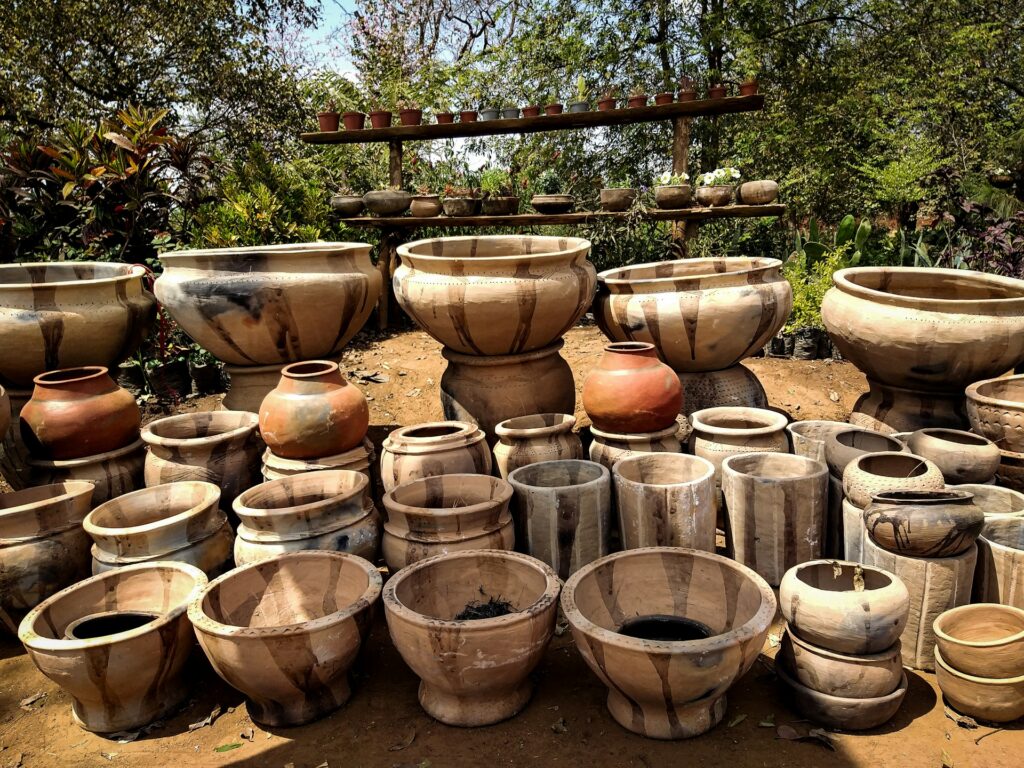
- Craft cooperatives. By buying carvings, baskets and textiles directly from the makers you can greatly contribute to the continuation of local communities, who in turn will be able to continue to protect the wildlife parks.
- Beekeeping. This is an extraordinary activity. You can visit hives that provide honey and income for local families, and learn more about this unique way of life.
- Guide training. You can learn how young Malawians train to become the next generation of guides and perhaps give a donation.
Every night you stay in Malawi is also a great contribution to the community.
Tourism supports jobs, and it pays for park protection and community programmes. Choosing small, locally run lodges keeps more of your spending in Malawi, and buying crafts directly from makers does the same.
If you are interested in learning more about this sort of thing, you can always ask your lodge and your tour agency how your stay gives back. The good ones are proud to tell you.
The Malawi Safari Experience
In Malawi, it’s all about the slow safari. It’s almost as though the country was made for the sort of traveller who shuns the rush that seems to have permeated the travel world. Here, a safari is not about jamming as much as you can in as little time as possible.
The slow safari in Malawi is about really giving the experience your full, undivided attention and forging a connection with the land.
The best safari is the one that allows you the time and space to go with the flow of nature and to understand that wildlife sightings are a privilege that becomes more predictable the more time you spend watching.
Walking Safaris in Majete and Liwonde
On foot, the bush becomes close and highly detailed, and it forces your senses to really sharpen.
You’ll notice tracks pressed into the sand, the scent of crushed leaves, a termite mound taller than you, and birdsong that a vehicle drowns out.
These tours can only be done with a skilled guide who will keep you safe and know how to read the signs of the wildlife around you. A walking safari is generally slow enough for anyone comfortable with an easy morning walk.
Boat Safaris Along the Shire River
Boat safaris are mostly synonymous with Botswana and its mokoros, but in Malawi you can also take to the waters.
Gliding along the Shire River at the end of the day, watching as hippos surface beside the boat, crocodiles bask in the last of the sunlight on the banks, and elephants wading in to drink water is the kind of experience that will give you memories to last a lifetime.
The Land of Lakes and Lions
Safaris are high up there on the list of travel experiences one can have in Malawi, but it is its other claim to fame that attracts travellers.
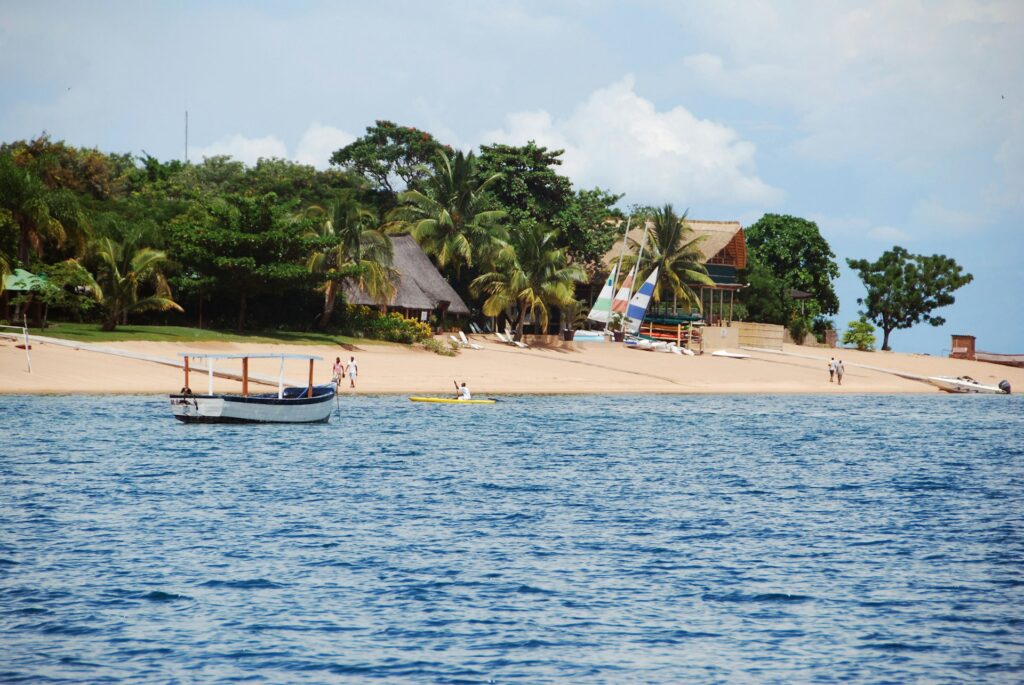
Often called the Lake of Stars, Lake Malawi is quite possibly one of the most stunning places on earth.
Stretching for hundreds of kilometres, in spots it is so wide that it looks like the sea. The water is clear and calm, and it is home to hundreds of brightly coloured cichlid fish found nowhere else on earth.
The lake makes Malawi just the place to have a bush and beach holiday.
You can start your tour with a few days on a safari in Majete or Liwonde, then head to the lake for the second half of the trip. The wildlife part will give you the thrill of the wild, and the lake will give you a place to unwind, sleep late and spend the rest of your time in Malawi with your feet up.
If you want a little more action, you can try freshwater diving and snorkelling. Slipping into warm, clear waters that are alive with colour, you’ll drift along with shoals of cichlids in shades of blue, yellow and orange.
You can also try kayaking, sailing, paddleboarding and island hopping, where you can set up your picnic basket and enjoy the breeze.
Some watery spots that you can explore include Cape Maclear, on the southern end of the lake; Likoma and Chizumulu, both remote islands that will treat you to a real sense of true seclusion; Nkhata Bay, with its rocky coves and a lively waterfront; and Senga Bay, arguably the easiest lakeside stop from Lilongwe, and great for a short beach interlude.
Culture, Attractions and Experiences Outside of the Parks and Lakes
There’s more to Malawi than its safari destinations and lake. Since this is such a once-in-a-lifetime sort of destination, you should plan your tour to include a few of the country’s lesser-seen attractions, such as:
Mount Mulanje and Zomba Plateau
Mount Mulanje, one of the largest inselbergs on the planet, rises just over 3 000 metres from the plains. It has forest streams and pools, and the locals who live around it believe it possesses spiritual powers. It is a World Heritage Site and an extraordinary sight to behold.
Separated by a 3-hour-or-so drive from Mulanje is Zomba Plateau. It has shaded paths, waterfalls and wide views over the valley.
Both can be explored on an easy day of walking with a guide.
Tea Estates of Thyolo and Mulanje
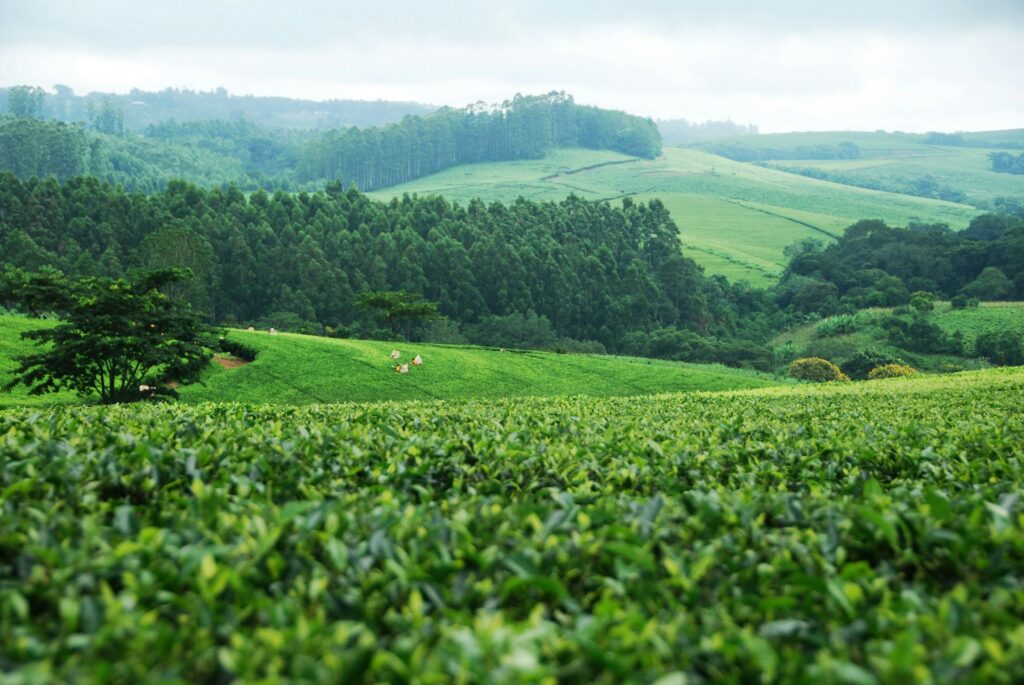
This part of Africa is famous for its rolling emerald rows of tea, and in Malawi they cover the hills around Thyolo and Mulanje.
A walk between the bushes, watching the leaves being picked, and then sitting down to a fresh pot with a view across the estate, is an experience you’ll be hard-pressed to find anywhere else.
Villages, Craft Markets and Traditional Dances
And something that will really give you a better understanding of Malawi is spending time with the people who give it its warm and welcoming reputation.
You can visit a village with a local guide, browse craft markets for hand-carved wood and woven baskets, and watch traditional dance.
Gule Wamkulu, the masked dance of the Chewa people, is recognised by UNESCO and is one of the country’s most striking traditions.
Greet people warmly before you ask anything.
Dress modestly in villages, with shoulders and knees covered. Ask before photographing anyone, and use your right hand, or both hands, when giving or receiving. A smile and a “zikomo” go a very long way.
Malawi is waiting. Come and be our guest.
Malawi is known for its friendly, easy-going atmosphere, and lodges and guides look after guests closely. As anywhere, use sensible precautions in towns and check your government’s latest travel advice before booking.
Yes. Every Big 5 animal can be seen in Majete Wildlife Reserve.
7 days gives you a introduction. 10 days allows time for a safari and a lake trip with room to relax, and 14 days is ideal for an all-round experience.
Very much so. Honeymooners love the privacy and lakeside settings, and families enjoy the relaxed pace. Do check minimum ages for walking safaris and boat activities with each lodge.
For wildlife, May to October is best, with September and October ideal for sightings at water. The lake is warm for much of the year, and November to April brings green landscapes and the best birding.