Table of contents
Enhance your reading experience—immerse yourself in the adventure with our audio version. Click play and let the sounds of Africa captivate you!
No screen can hold a child’s attention quite like a well thought out family safari in Africa can.
Although game drives can be long and warm, the anticipation, followed by the elation of seeing something emerging through the bush, is enough to restore energy and renew the initial excitement that you and your children had while planning a family safari in Africa.
Plenty of families never book the trip because the idea of exploring Africa, with young children in tow, looks from the outside to be both unsafe and a little bit overwhelming.
There are health precautions to take, long flights to juggle, and the worry of having one of your children all of a sudden unravel on a six-hour game drive.
We’re not going to lie and say that these concerns are unreasonable, but we will say that most of them are solvable, with planning made well in advance and safari experiences chosen according to the ages of your safari group.
In this guide, we’re getting seriously realistic by doing our very best to answer the questions parents actually ask before booking, not the ones a brochure assumes they should ask.
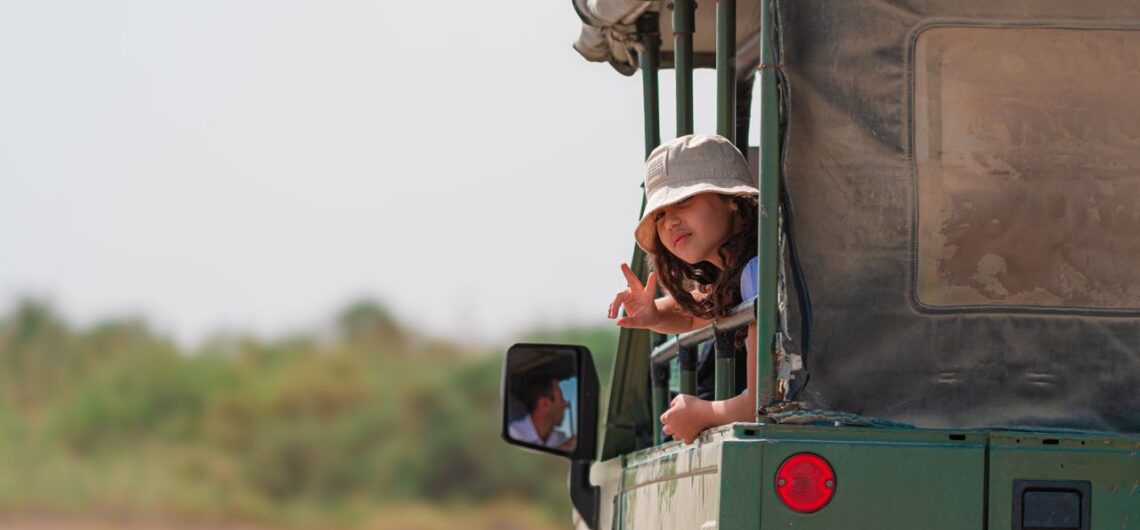
The Most Common Concern is Safety
Africa is stereotyped as being an unsafe place for a family holiday.
It is still very much treated as a “dark continent”, a place so unexplored that merely stepping off the plane means stepping out into the great unknown.
That idea is absolute hogwash. It’s codswallop. It’s mostly a load of hot air.
Every country on Earth has problems and safety concerns, and if you were to read deeply enough, you’d never step a foot out of your front door.
But as Bilbo told his nephew, “It’s a dangerous business, Frodo, going out your door. You step onto the road, and if you don’t keep your feet, there’s no telling where you might be swept off to.”
Travel is one of the best ways to gain life experience, make the best memories, and hopefully come back home changed, because you allowed yourself to be swept off in curiosity rather than held back by fear.
To give you an honest answer about a family safari in Africa and safety, when your holiday is arranged through reputable operators and includes established lodges, it is one of the safest holidays you can have, even though it includes spotting all kinds of fabulous wildlife that might be dangerous had you not been on a guided tour.
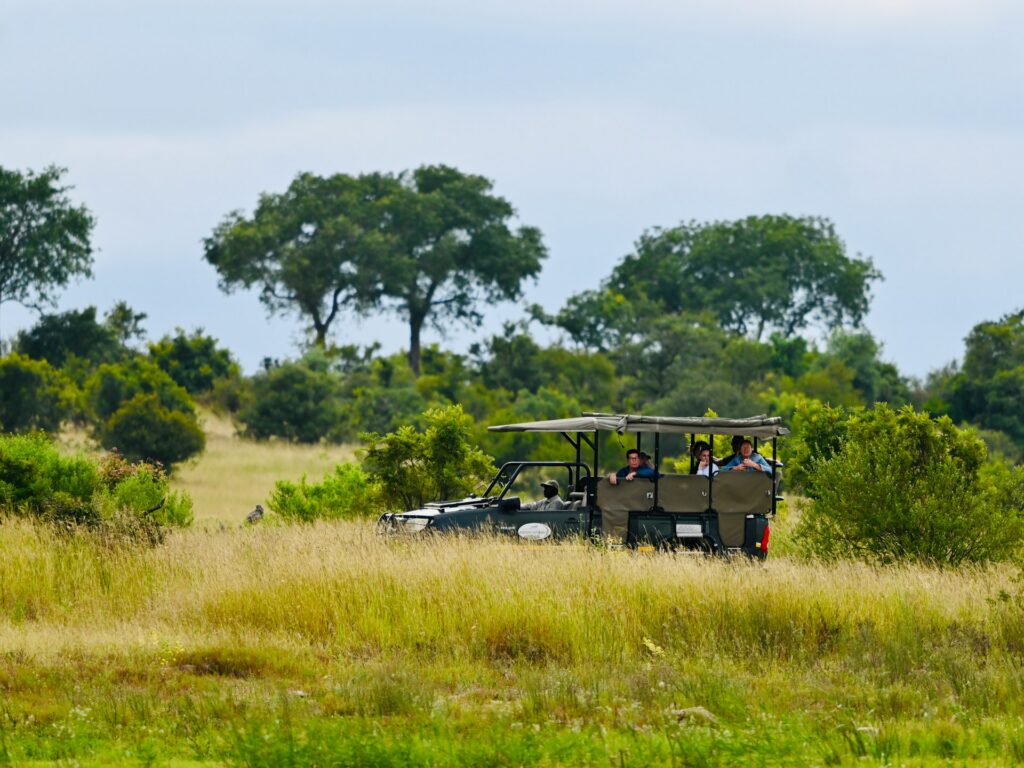
Private game reserves run under strict protocols, with field guides trained in first aid and vehicle procedures, and sightings are managed at a respectful distance by people who read animal behaviour for a living.
Aside from wildlife safety concerns, you also need to think about malaria, which is not nearly as deadly as it was some 100 years ago.
There are several reserves in South Africa and beyond, including parts of the Eastern Cape and reserves such as Madikwe, that are malaria-free.
Areas within the Kruger and the wider Lowveld, and East Africa, do carry seasonal malaria risk; however, you’ll be safe when travelling during the dry winter months.
If you have any health-related concerns, it is always best to consult with a travel doctor well ahead of your departure. They can give you great advice as well as prescribe preventative medication.
The 5 Best Places in Africa to Visit as a Family
Over the years, Africa has become popular with solo female travellers, adventurers, romantic couples and anyone with a healthy curiosity. Lately, families have also begun to fall in love with the continent.
If this is your first trip as a family, it’s best to start your explorations in one of these countries:
South Africa
South Africa is one of the easiest countries to do well with children, mostly because with so much to see and do, they won’t be bored for a moment.
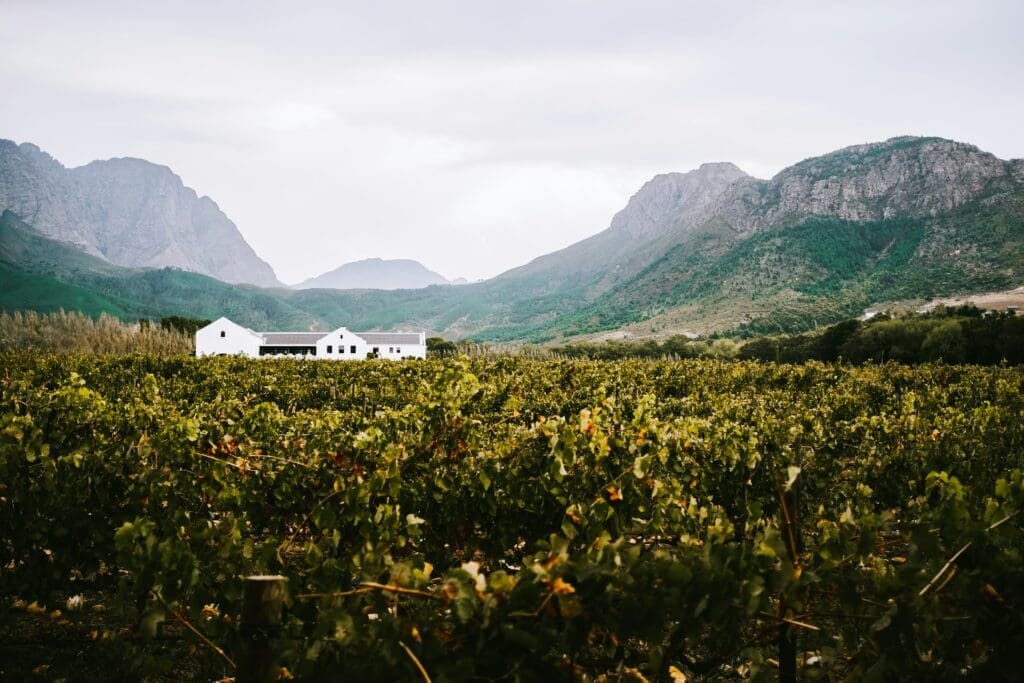
A few days in the Cape Winelands, walking between vineyards in Franschhoek or Stellenbosch with a babysitting service back at the hotel, followed by a trip to a private reserve in the Lowveld, like Sabi Sands, or Madikwe, where children’s programmes and shorter game drives are increasingly standard, will give you a peaceful pace and a holiday that keeps them entertained.
Botswana
Botswana’s Okavango Delta is home to some of the most exclusive family camps on the continent, with several running their own junior ranger activities.
While it might not be suitable for very young children, because they might get a little bit bored or frustrated, because there’s not a lot of excitement all the time, it is the ideal place for smaller groups with ages 12 and up.
Kenya
Kenya’s Masai Mara is an extraordinary place to see. Home to part of the Great Migration and endless, wide-open plains, it could have you mistakenly thinking that if you look out for long enough, you might just see the future. Kenya never fails to keep its guests enthralled and that’s why it is a great place for a family safari in Africa.
The lodges around Nairobi cater extensively to multi-generational groups, giving guests plenty of comfort between their game drives, regardless of their ages.

Tanzania
Tanzania’s northern circuit, taking in the Serengeti and Ngorongoro Crater, suits families who want to see a variety of wildlife in the smallest possible amount of time.
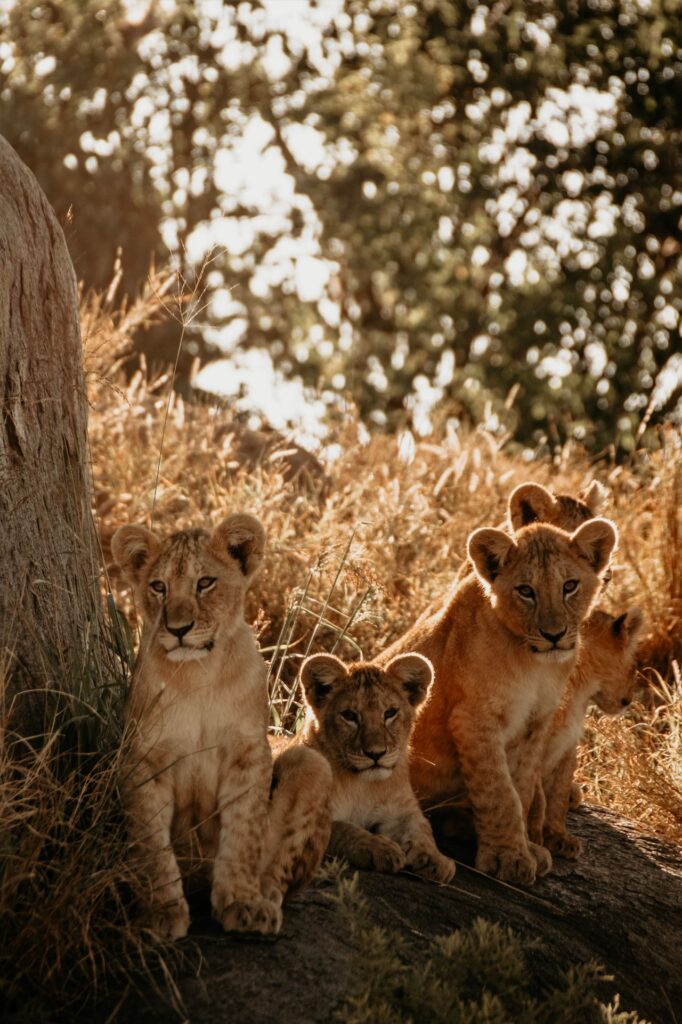
Tanzania is home to some of the biggest concentrations of large mammals on the continent as well as some 21 national parks. During a trip, you can see the Big Five, wildebeest, zebra, and all sorts of antelope, and if you have the time and you travel the western circuit, you can see a range of primates.
You can also turn your family safari in Africa into a beach break, because you’ll be close to both the Serengeti and beautiful Zanzibar.
Namibia
No place on Earth has landscapes like Namibia. Not only is it just the place for the most intrepid family road trip, but it has the bonus of being completely malaria-free, at least in its interior.
The intense heat of the desert will kill a mozzie that gets an idea to travel inland from the east.
Some of the activities that you can get up to while on a family safari in Namibia include desert wildlife tracking, sandboarding on the dunes, and quad bike adventures.
And you can imagine just how wide-eyed your children will be when you tell them that they’ll be visiting the Skeleton Coast.
Figuring Out How to Choose a Family Safari Destination
You’ll find that the destination you opt for will matter far less than the details.
A lodge built around family suites, with interleading rooms or a private guide for the day rather than a shared vehicle, can completely change the tone of the trip.
Shorter, more frequent game drives will often suit children better than the traditional early morning and late afternoon double session most adult itineraries are built around.
A reserve two hours from the nearest town with no clinic nearby is a different proposition for a family than one twenty minutes from a private airstrip and medical support.
And malaria status, the option of children’s programmes, and the time between activities will weigh more heavily in the decision than the name of the country on the itinerary.
You need to take all of this into consideration and then, when you start reaching out to tour companies, make sure that you ask the right questions.
How Young is Too Young for a Safari
There is no single correct age for a family safari in Africa, though most experienced operators agree on a few points and patterns.
Many shared game viewing vehicles set a minimum age of six, sometimes eight, largely because younger children struggle to sit still through a three-hour drive. Since no safari destination in Africa is like a zoo, sightings come and go instead of being a constant.
Walking safaris are typically restricted to sixteen and older, for reasons that have less to do with capability than with insurance.
Self-drive through public parks such as Kruger has no age restriction at all, since the family stays in its own vehicle throughout, but you’ll still have the same problem as with a shared safari in that your child will soon grow bored if the drive goes on for hours.
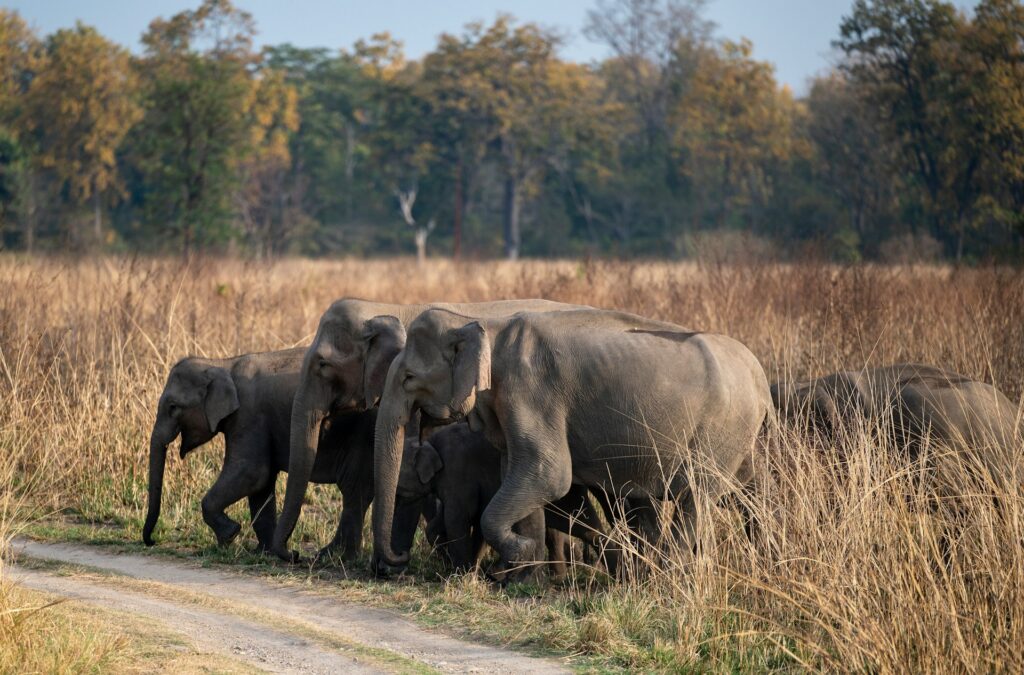
Most guides who work regularly with families point to six to twelve as the sweet spot; they are old enough to remember the trip, but young enough to still find a dung beetle endlessly fascinating.
What To Bring Along, Besides the Safari Basics
Aside from the safari staples such as a hat, sunscreen and binoculars, a few extra items make a difference when packing for your family safari in Africa.
Neutral coloured clothing matters more for children than adults, since bright colours and white both tend to unsettle animals and attract insects; tsetse flies in particular have a known fondness for blue.
A soft toy or familiar blanket can help with the first night or two in an unfamiliar bed, however comfortable the room, so be sure to add it to the bag.
You should also pack antihistamine cream for insect bites, something for motion sickness if winding roads tend to affect your child, and a small notebook for recording sightings. Most children take to this far more readily than a screen, which most lodges discourage in communal areas in any case.
You should also take it easy on the snacks and sweet treats. It’s nice to spoil the little ones while they are on safari, but too many sweets can push up their energy levels. When on a game drive, that energy will have nowhere to go, and everyone will end up going a little mad.
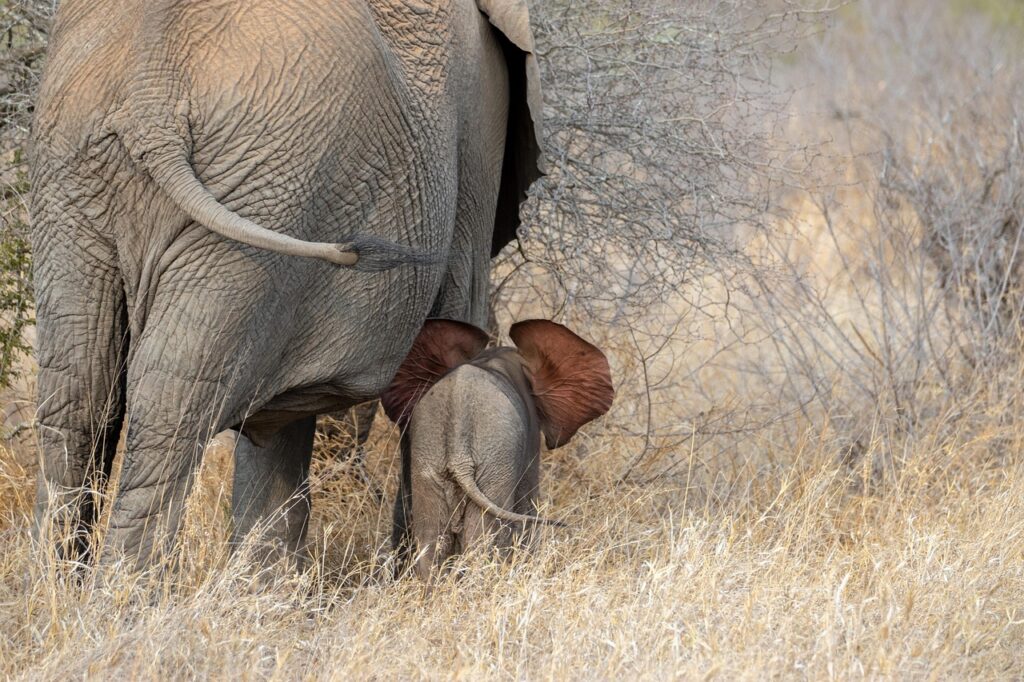
Not a single part of planning and setting out on a family safari in Africa needs to be complicated.
Choose the right tour operator, the right time, and allow enough patience for a six-year-old to study a chameleon, and the rest tends to take care of itself.
Yes, especially when the family safari in Africa is arranged with reputable operators and well-established lodges. The main considerations are malaria risk in certain regions and choosing age-appropriate activities, both easily managed with the right planning and a malaria-free reserve if travelling with under-fives.
Most experienced operators will say that six to twelve as the easiest range for family safari in Africa, since shared game drives often set a minimum age of six. Younger children can still travel successfully on private vehicle bookings or in malaria-free reserves.
South Africa, Botswana, Kenya, Tanzania and Namibia each cater well to families, with South Africa making it easiest to combine a safari with a Cape Winelands stay in one trip.
This depends entirely on the region and the child’s age, and should always be confirmed with a travel doctor. Many family-friendly reserves are malaria-free, which is often the deciding factor when choosing a destination for very young children.
Seven to ten days tends to work well, allowing time to settle into the pace of game drives without rushing, plus a few days at the start or end for a Cape Winelands stay or coastal stop to break up the travel.