Table of contents
Enhance your reading experience—immerse yourself in the adventure with our audio version. Click play and let the sounds of Africa captivate you!
I have spent almost 4 decades living here, travelling the length and breadth of the Kruger National Park.
I have also seen the roaring Victoria Falls in full flood, and I have held onto my seat, looking the other way, as my family drove through the crowded, busy streets of Maputo.
Often, I take it for granted that I can drive 45 minutes and be in a forest, sitting under a waterfall, or spend the day hiking through a part of the Drakensberg that pretty much no one else knows exists!
I also realise that what is everyday life here in Africa might seem unusual to travellers like you, especially if you’ve come across this piece in search of genuine, non-AI-generated travel tips, written by someone who actually lives it.
The Africa I know is a place of cultures that will fight like brother and sister and then stand together to turn on anyone from the outside who interferes. It’s a place that often gets a bad rap but is also unfairly treated because it is so misunderstood.
And it is hands down the most rewarding place to go on a holiday.
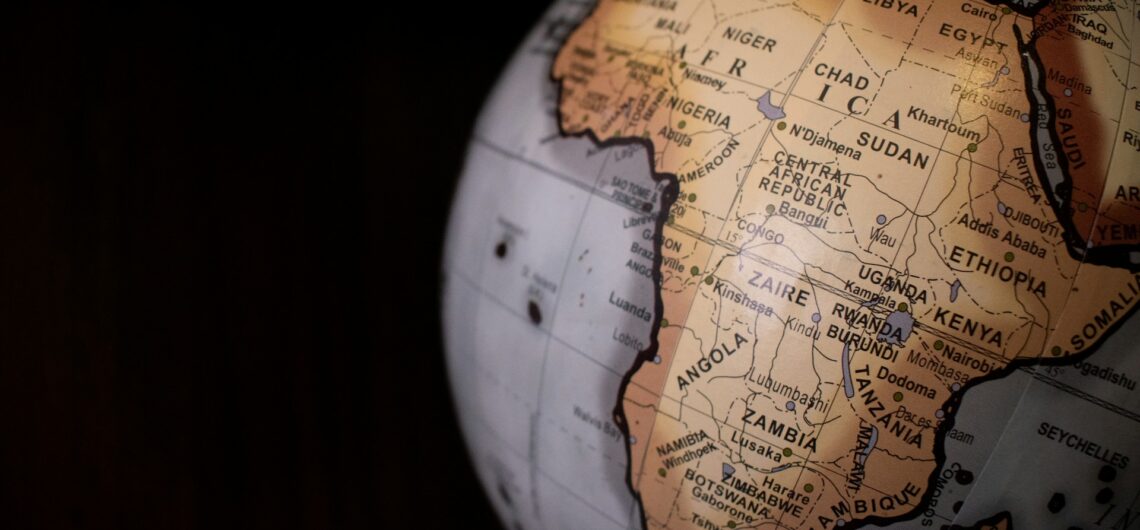
To see Africa in the extraordinary light that it should be seen, we have put together a few African travel realities that you’ll benefit from knowing before you land at Cape Town International.

The 10 African Travel Realities No One Tells You About
- English is Spoken Differently
Most African nations have English in either their list of official languages or they use it as the primary language to do business in.
But the dialects, colloquial language and slang can make English spoken in Africa sound like a foreign language to even the most British ear.
To give you an example, now, now now, and just now are all phrases you’ll hear in South Africa when asking someone when something is going to happen or when they are going to do something.
You’ll also hear sharp sharp (a way of saying you agree), you’ll hear people talking about robots (which are traffic lights, not AI gone wild), and you’ll hear the word shame used in a way that is more than likely not sympathetic (this is a versatile word in South Africa that can mean everything from expressing sympathy to referring to something cute.)
Shame does not refer to that scene from Game of Thrones, the one where Cersei is being paraded through the streets, so don’t take offence.
All that said, English is spoken in Nigeria, Ethiopia, Zimbabwe, Zambia, Namibia, Kenya, Tanzania, Uganda, and plenty more places, so you’ll be understood pretty much wherever you go.
Just be aware of the nuances in the language, and you’ll be fine.
- A Laugh can be a Friendly Warning
And not in a violent or mean sort of way.
I saw an Instagram reel a while back, one where Sonny Side from the YouTube channel Best Ever Food Review Show was sitting at a roadside café somewhere in Africa, asking the guide if the food he was about to eat was safe.
The guide gave a laugh, a-hea-hea sort of sound, that I instantly recognised.
I scrolled to the comments, and every African in the comments section said, ” Hey, that guy is in trouble!”
Basically, if you hear that laugh, it’s kind of a warning like, a-hea-hea, you’re going to regret taking that bite, but you need to learn this on your own, sort of thing.
You’ll hear this laugh often when listening to conversations, especially around politics and business, as it is often also used as a way to express utter disbelief in what you are hearing/being asked.
- A Stare is Common
One of the running jokes in SA, and something you’ll see during your African travel, is the stare you get from guys on the back of a bakkie when you’re stopped at a red robot (traffic light).
They can stare into the depths of your soul, not because they are being funny but because that’s just what we do here.
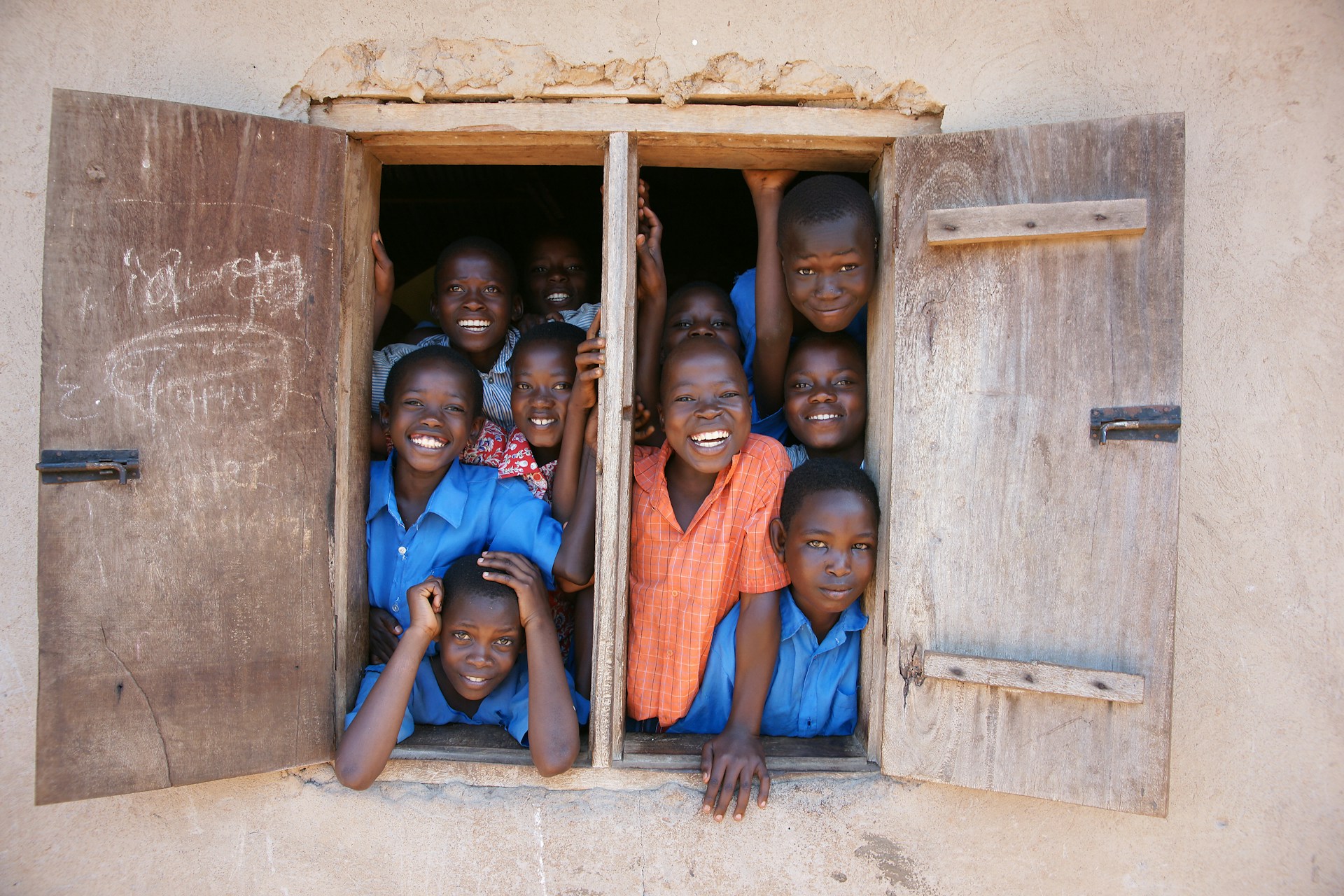
Further up in Africa, and among children in particular, the sight of tourists almost always brings with it that stare, though it is out of polite curiosity at seeing a stranger in a place they don’t always see them.
- Prepare for TIA (This is Africa)
An optimist would say that Africa is wonderfully unpredictable.
During your African travel, power outages, delays at airports, slow service in some places, and all sorts of other things that you have unlikely experience back home sometimes happen.
Patience is not just something that you should take with you on safari; you need to take it everywhere.
When things go wonky here, we usually shrug and say TIA, this is Africa, and get on with the show. Things usually right themselves rather fast, and everything is figure-outable if you have the patience.

- Someone Might Try to Bribe You
Guided tours are always the best option, because locals know the nonsense that other locals can try.
If you are self-driving, you might come across an unsavoury copper who hints at needing a Coke or a KFC meal, because it is lunch time and he is hungry.
What he is actually doing is asking for a bribe.
Instead of getting upset, say you don’t have what he wants, but that you are happy to pay a fine if he can give you an official ticket.
Often, if you’ve done nothing wrong, he’ll tell you to go. If he does give you a ticket for no reason, it can be argued, just talk to the company you hired your car from.
Never, ever pay a bribe.
- Feeling Overwhelmed is Normal
Outside of the big cities and away from luxury lodges, much of Africa is incredibly humble, and by humble, I mean poor.
Coming from overseas, seeing this kind of way of life can feel overwhelming.
I was born here, and when I travel to Mozambique and see how the people live, I feel awfully guilty about the silly things I complain about.
But you’ll also feel overwhelmed for the best reasons.
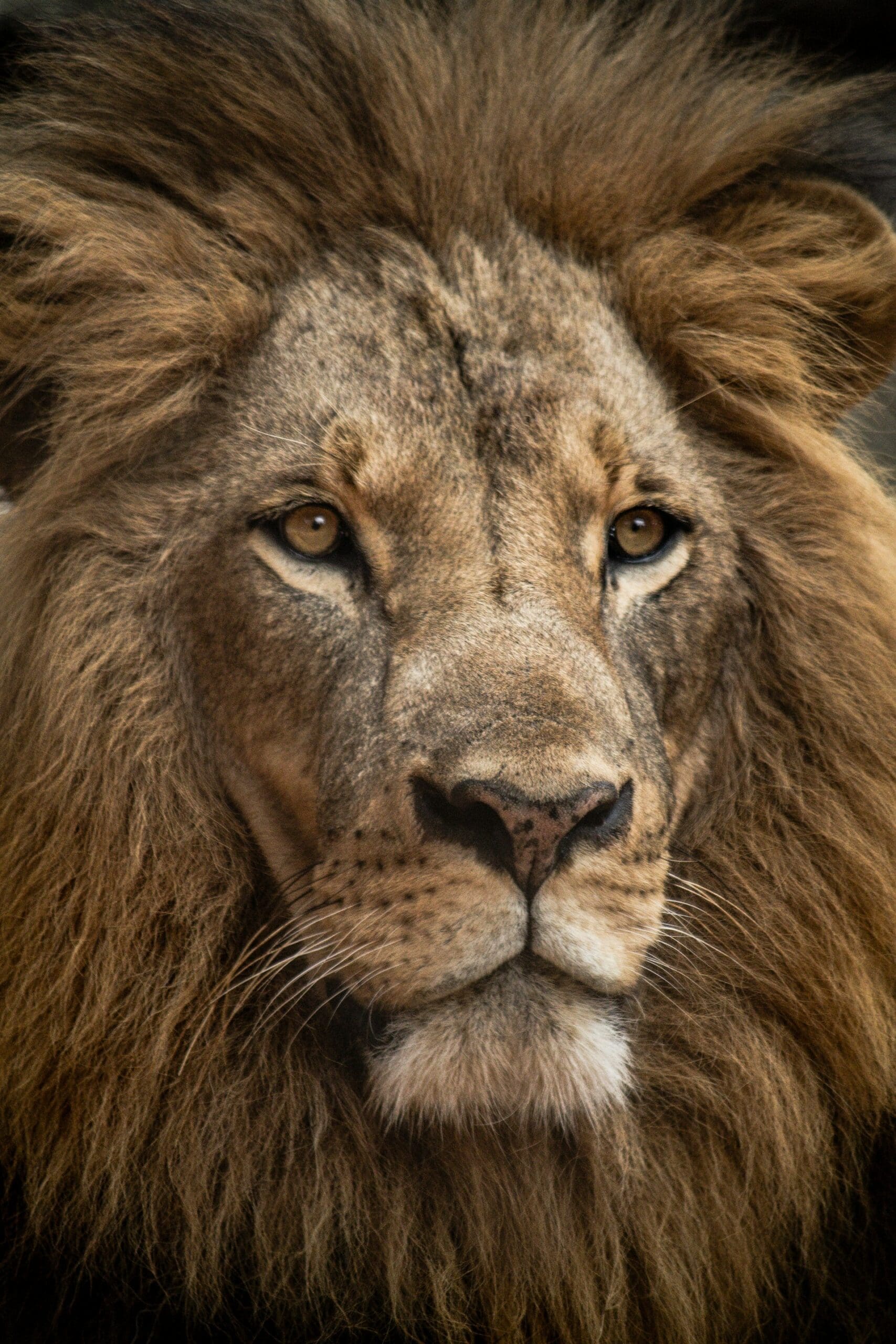
Watching and hearing a lion roaring at sunrise is something that can bring you to tears, and there are waterfalls and mountains, and forests and beaches, that are so stunning you can hardly believe they are real!
So be overwhelmed and enjoy the ride, Africa will leave you changed.
- Everybody Smiles, and Everyone has Time for a Chat
Africans are happy people.
You won’t drive past a group of children who aren’t full of smiles and who’ll shout the happiest greetings.
And when you stand in line somewhere, strangers will start conversations, and when you are at a lodge, the staff will give you great travel advice.
Bring a happy, open attitude to your African travel, and you’ll make plenty of new friends.
- Get Ready for Days in the Bush
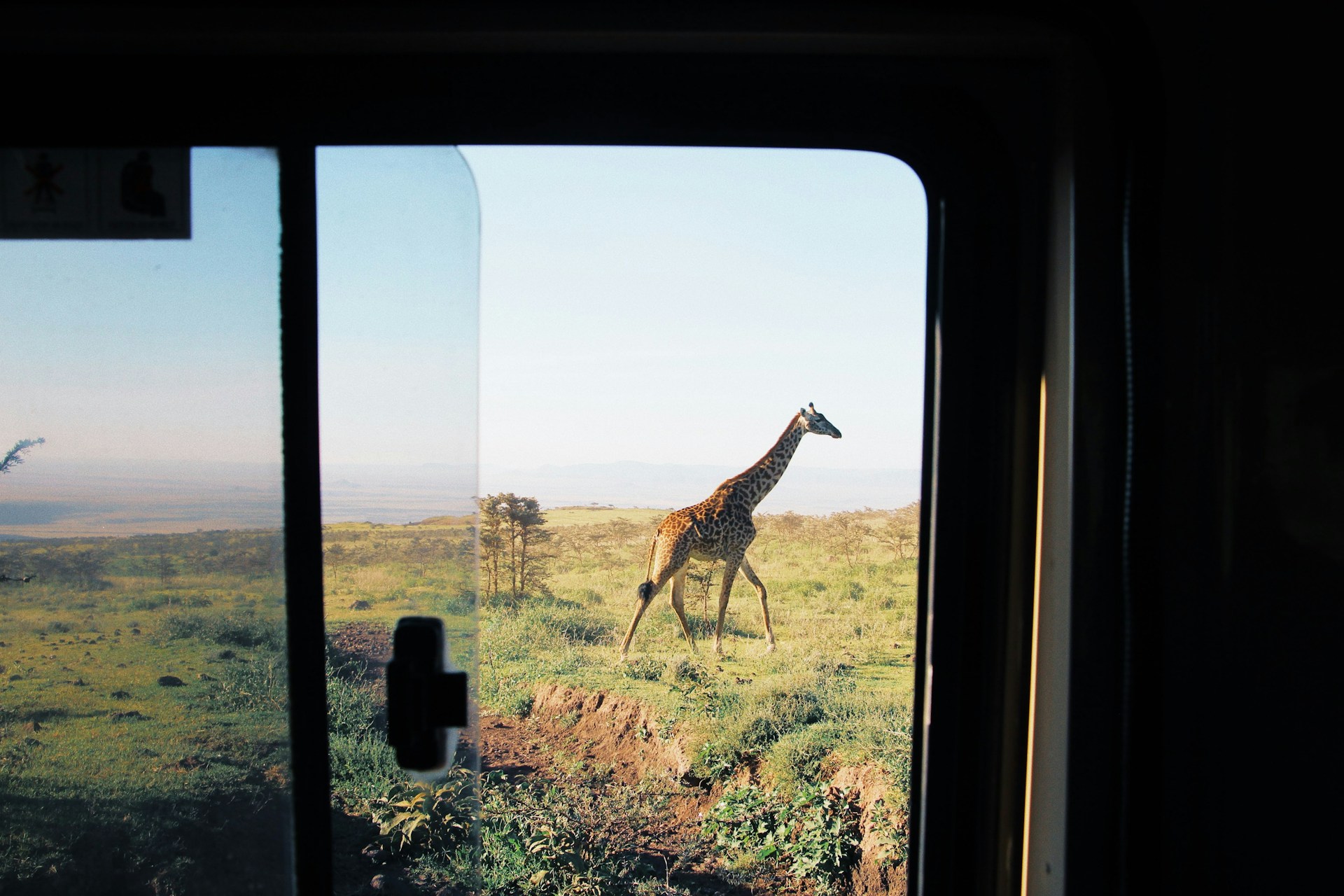
The best safaris take place over 8 hours.
For some travellers, this can be a bit much if they have not mentally prepared to be on the road that much, and for other travellers, it barely seems like enough time!
Safari durations differ from one company to the next, so be sure to do your research before your trip, especially if you want shorter drives.
- Sometimes You’ll be Off-Grid
We’re all so very much connected to the web these days that, unless you are an 80s baby like me, you might not even remember a time before Wi-Fi.
Having access to the internet is actually the norm in most developed parts of Africa, but if you are having the full off-the-beaten-track experience, there might be times when you aren’t connected.
If you think about it, we weren’t meant to live in such a busy and demanding world, so having the opportunity to not have those notifications bringing you right out of your bosveld bliss is actually a tonic for the soul.
And I promise you, your guides will still be connected to humanity should an issue arise.
- Not all Places Will Accommodate Your Diet
Being a vegetarian, a vegan, anti-gluten, anti-sugar, or a salad-only kind of gal is not going to make your travels as easy as they could be if you were travelling through Europe.
Africans are big on meat, maize, potatoes, and the occasional veg. Portions are not as generous as they are in the USA, but they are always filling enough to have you dozing by the time dinner comes to an end.
Now, this is not to say that you are out of options, because most luxury lodges, and it’s safe to say just about all restaurants and cafes in urban areas will accommodate all sorts of diet preferences. But when you are travelling remotely, your options will be limited.
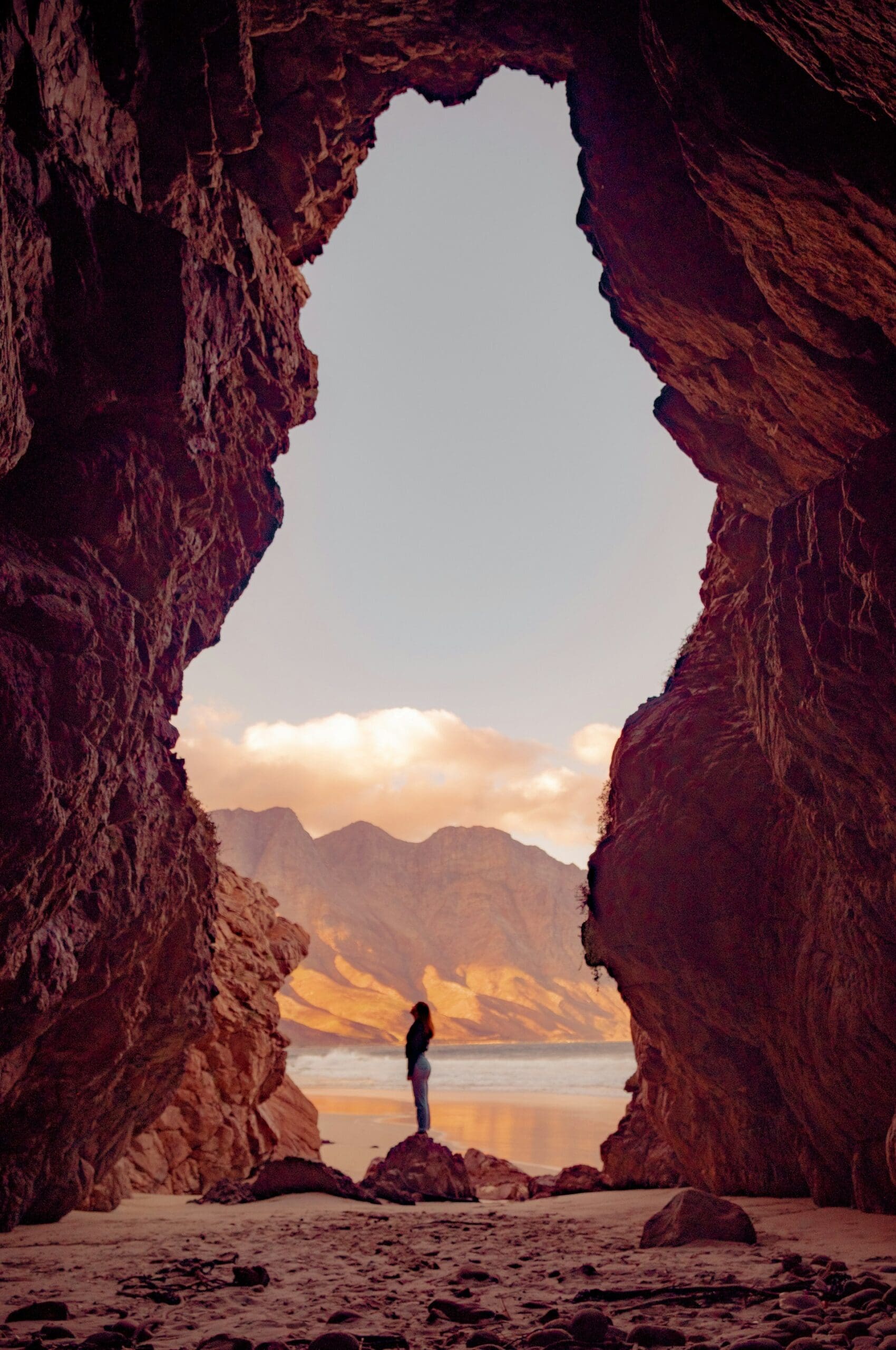
Everything about African travel is exciting, and it is only if you are unprepared that your trip can feel a little bit daunting.
Africa is not a destination you simply visit. It is one you come back from changed, already wondering when you can return.
For nearly twenty years, African Travel Concept has been helping travellers find their version of it. We know this continent well, and we put that knowledge into every trip we build.
Start your planning with a conversation with us, and we will take it from there.
Visa requirements for Africa vary significantly depending on both your nationality and the specific country you plan to visit. Some destinations, such as Kenya and Tanzania, offer visa-on-arrival or e-visa options that are straightforward to arrange in advance. Others require applications through an embassy before departure. It is always advisable to check the entry requirements for your destination country at least eight weeks before travel, as processing times and regulations do change.
Recommended vaccinations for Africa typically include hepatitis A and B, typhoid, yellow fever (which is a legal requirement for entry into several countries), and a course of malaria prophylaxis. Tetanus and rabies vaccinations may also be advised depending on your itinerary. It is best to consult a travel health clinic or your GP at least six to eight weeks before departure, as some vaccines require multiple doses over time.
Africa is home to some of the world’s most welcoming communities and well-established tourism infrastructure, and many solo travellers, including women travelling alone, journey through the continent with great ease and joy. Safety does vary by region and country, so it is worth researching your specific destination carefully, booking reputable accommodations, and connecting with a trusted local travel specialist who can tailor your experience. Staying within guided safari circuits and established tourist areas adds an additional layer of reassurance.
The ideal time to travel to Africa depends on the region and what you hope to experience. For East Africa’s Great Migration in the Serengeti, the dry season between June and October is widely considered the finest window. Southern African safari destinations such as Botswana and Zimbabwe are at their best between May and September, when the vegetation thins and wildlife gathers around water sources. For North Africa and beach destinations, spring and autumn tend to offer the most comfortable temperatures. Your travel specialist can help match your travel dates to your priorities.
Africa does not use a single currency, and each country operates its own. US dollars are widely accepted as a secondary currency across much of East and Southern Africa, particularly for safari lodges and tour operators, and are useful to carry alongside local currency for smaller purchases and tipping. Euros are similarly useful in some West and North African nations. It is advisable to carry a mix of cash and a travel-friendly bank card, and to exchange money at reputable bureaux de change or banks rather than at airports where rates are typically less favourable.