Inhaltsübersicht
Von allen Urlauben, die man machen kann, ist die afrikanische Safari diejenige, die am längsten in Erinnerung bleibt.
Es ist der Urlaub, von dem Träume gemacht sind, wenn Ihre Träume aus Wildtieren, Trekking durch die Savanne, manchmal zu Fuß, in den luxuriösesten Lodges verweilen und so weit weg vom Klingeln der Benachrichtigungen und Menschenmassen sind, dass Sie vielleicht denken, Sie seien in eine Zeit zurückversetzt, in der nur sehr wenige Menschen den Kontinent betreten haben.
Als ich das erste Mal auf eine richtige Safari ging, war ich Ende 20.
Als ich in Afrika aufwuchs und die meisten meiner Kindheitswochenenden im Krüger-Nationalpark verbrachte, war ich mit dem Selbstfahr-Erlebnis mehr als vertraut, aber ich wusste nicht viel über eine geführte Tour.
Als ich mir schließlich eine Safari gönnte, war ich überrascht, wie anders die Erfahrung war.
Die Begleitung durch einen professionellen Reiseleiter und die Fahrt auf Straßen, die ich selbst nicht genommen hätte, ließen mich überdenken, was ich über Safaris zu wissen glaubte, und dann begann ich mich zu fragen, wie viele andere schon gefragt haben: “Wie ist eine Safari in Afrika wirklich?”
Wie funktioniert eine Safari in Afrika?
Sie haben wahrscheinlich Online-Reiserouten durchgeblättert und gesehen, wohin die Reise Sie führen wird, aber das Einzige, was ein wenig vage erscheinen mag, ist: “Wie funktionieren Safaris?”
Es gibt zwei Arten von Safaris: Selbstfahrer oder geführte Touren.
Autonomes Fahren ist einfach.
Sie mieten ein Fahrzeug bei einer Autovermietung, von denen viele oft Autos am Flughafen haben, und machen sich dann mit GPS und einer Karte auf den Weg zu Ihrem Safari-Ziel Ihrer Wahl.
Selbstfahrertouren kann im Voraus geplant und über ein Reiseunternehmen gebucht werden. Sie planen Ihre Route, buchen Ihre Safari und kümmern sich um Ihre Unterkunft, aber Sie fahren selbst von einem Ort zum nächsten.
Aber wenn Reisende fragen, wie Safaris funktionieren, meinen sie normalerweise die weitaus bequemere und üblichere Option, nämlich das geführte Erlebnis.
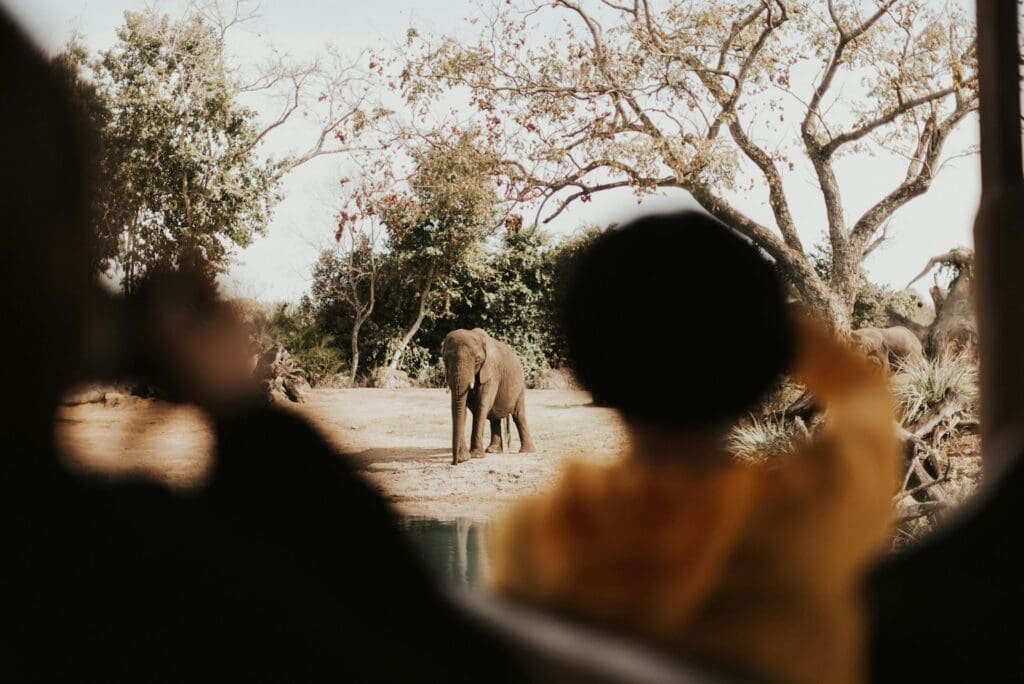
Pirschfahrten finden meist in einem modifizierten Safarifahrzeug statt, das offen oder geschlossen sein kann. Offene Fahrzeuge sind die klassische Art von Safari-Transportmitteln und sind so gebaut, dass sie Ihnen die beste Sicht auf die Tierwelt ermöglichen.
Alle Safaris beginnen früh.
Sie können erwarten, dass Ihr Tag früh und hell beginnt, sobald das erste Licht der Morgendämmerung erscheint.
In diesen frühen Stunden ist die Luft kühl und die Tierwelt am aktivsten. Es ist auch die Tageszeit, zu der man am ehesten Raubtier-Beute-Interaktionen beobachten kann, und das Licht ist perfekt für die Fotografie.
Je nachdem, wie Ihre Tour aufgebaut ist, können Sie etwa 4 bis 5 Stunden, vom Morgengrauen bis etwa 11 Uhr, auf Safari verbringen.
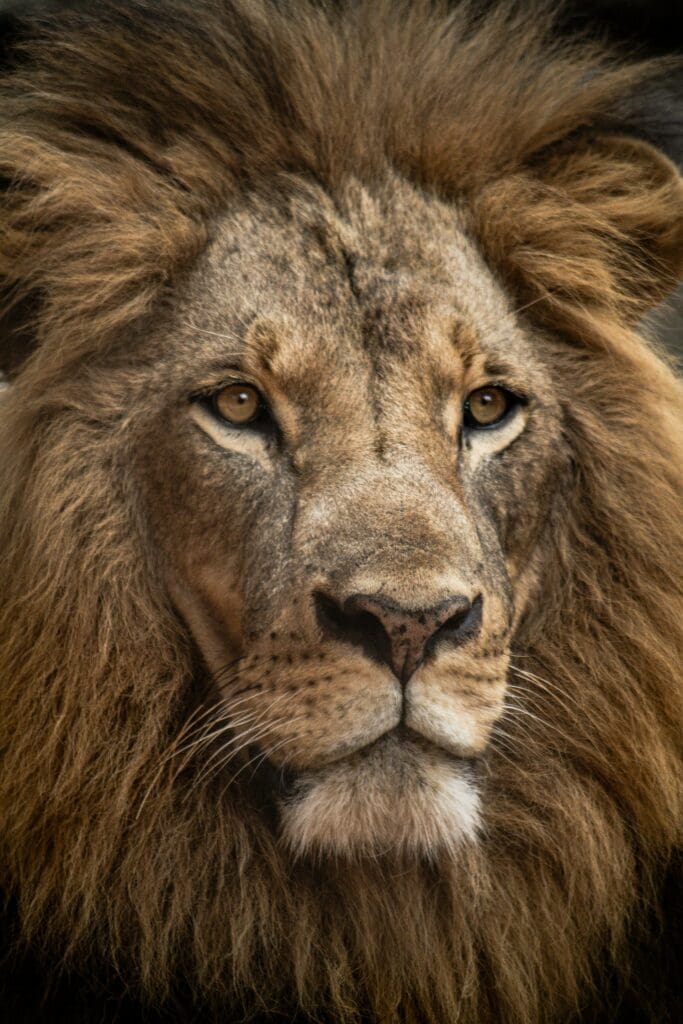
Ich entschied mich für eine morgendliche Pirschfahrt, und sie stellte sich als eine der Die besten Wildtiererlebnisse die ich je hatte. In nur wenigen Stunden sah ich eine Elefantenherde, eine Hyänenmutter mit ihren Jungen, Impalas, Kudus und eine Löwenfamilie!
Wenn Sie sich für ein paar Tage anmelden, können Sie mindestens 2 Pirschfahrten pro Tag erwarten, normalerweise eine am Morgen und eine am Nachmittag.
Es gibt reichlich ausgezeichnete Afrikasafari-Touren verfügbar, die jeweils auf eine Vielzahl unterschiedlicher Reisender zugeschnitten sind.
Die Art des Erlebnisses, das Sie haben möchten, hängt davon ab, was Sie tun möchten, was Sie einbeziehen möchten und was Sie bereit sind zu zahlen.
Private Safari-Pirschfahrten, wo es normalerweise nur du und dein Familie oder Freundesgruppe, teurer als eine herkömmliche geführte Tour, die eine Mischung von Personen beinhaltet, die sich alle ein Erlebnis in einem Fahrzeug teilen.
Und es sollte selbstverständlich sein, dass ein Luxus-Safari in Afrika wird auch mehr kosten als die anderen Optionen. Luxus-Safaris sind in jeder Hinsicht hochwertig, und Sie können sich darauf freuen, das Beste vom Besten von allem zu erleben.
Es gibt mehrere, leicht erreichbare Reiseziele
Obwohl die meisten Reisenden und Blogger sagen werden, dass Safaris die ganze Zeit aufregend sind, könnten einige feststellen, dass das Erlebnis nach 3 Tagen an einem Ort etwas langweilig werden kann.
Ich persönlich werde es nie leid, im Busch zu sein.
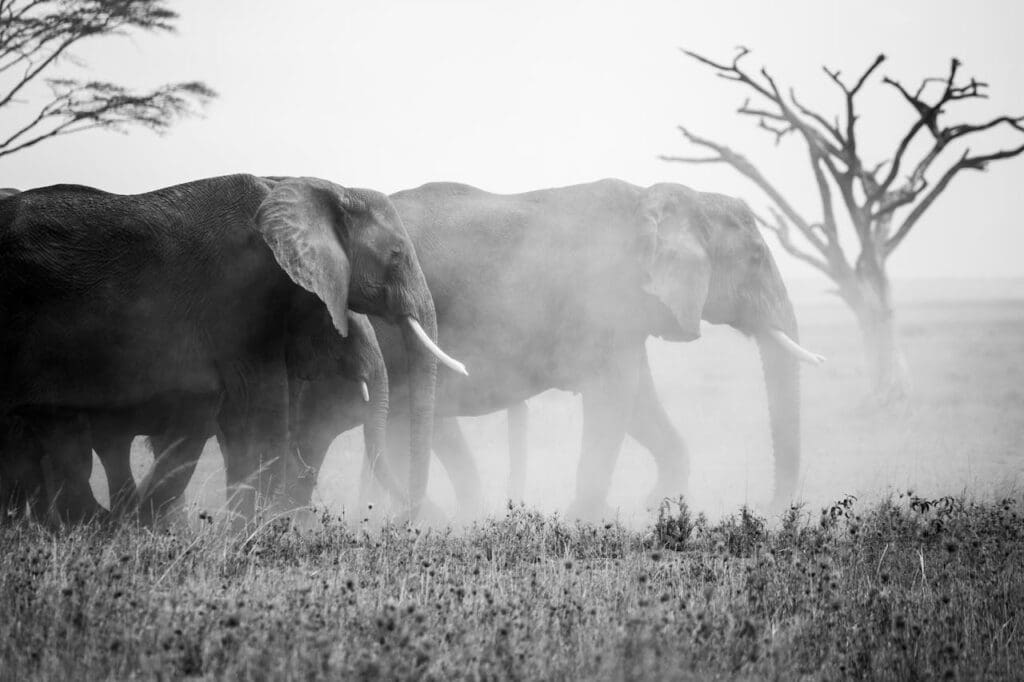
Egal wie oft man eine Giraffe an seinem Auto vorbeilaufen sieht oder eine Elefantenherde eine Straße überqueren sieht, es ist immer etwas Besonderes.
Aber verständlicherweise können manche Reisen, sozusagen, etwas in die Jahre kommen.
Die beste Methode, um Langeweile zu überwinden, ist, Ihre Tour so zu gestalten, dass sie mehr als ein Reiseziel umfasst.
Du könntest anfangen bei Hluhluwe-iMfolozi-Park in Südafrikas Kwa-Zulu Natal, wo Sie mit ziemlicher Sicherheit die Große 5, und dann reisen nach der Krüger für ein paar Nächte, bevor wir uns in völligen Luxus stürzen in Sabi Sands.
So haben Sie die echter Safari die Sie sich schon immer gewünscht haben, und gleichzeitig verschiedene Orte sehen.
So sieht ein Tag auf einer afrikanischen Safari wirklich aus
5:30 Uhr: Früher Weckruf
Ein Tag auf Safari beginnt viel früher, als man erwarten würde, und doch fühlt es sich nie wie eine Zumutung an.
Ein Safari-Morgen beginnt mit einem leisen Klopfen an der Tür, einem Tablett mit frisch gebrühtem Tee oder warmem, kräftigem Kaffee und dem Ruf eines Ziegenmelkers, der seinen letzten Gesang anstimmt, bevor das Sonnenlicht erscheint.
Am besten ist es ziehe dich im Zwiebellook an, denn obwohl der frühe Morgen recht kühl ist, kehrt gegen 8 Uhr morgens, wenn die Sonne aufgeht, die Hitze zurück.
Es hilft, seine Kleidung am Abend zuvor herauszulegen, damit keine einzige Minute des Morgens verloren geht.
6 Uhr – 9 Uhr: Morgendliche Pirschfahrt
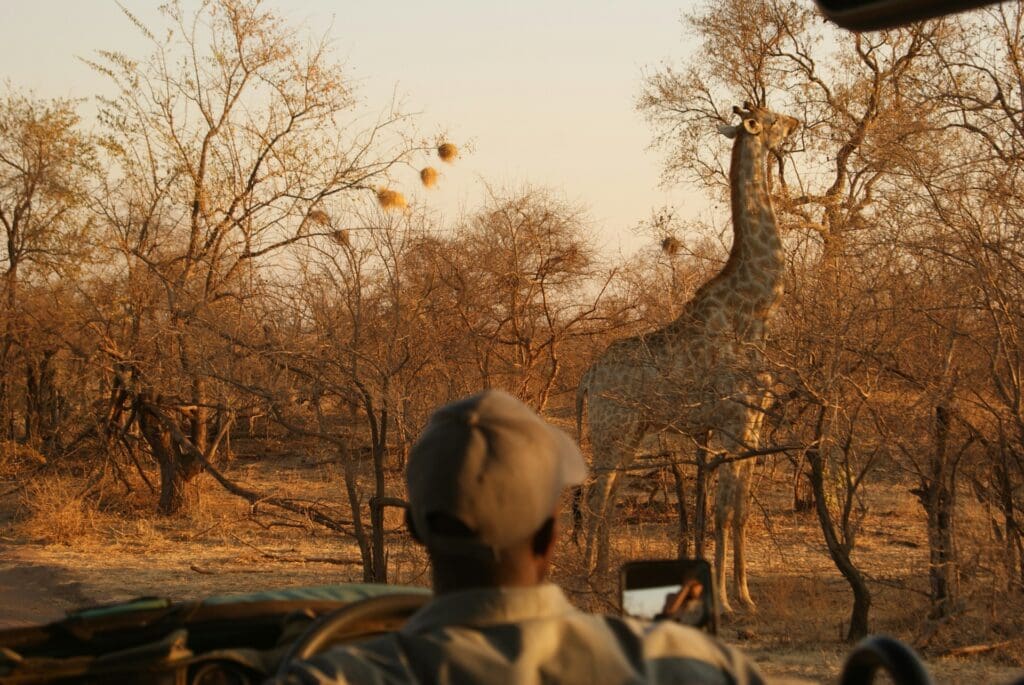
Das offene Fahrzeug bewegt sich durch die Dämmerung, während der Gesang des Morgens um Sie herum anschwillt; der frühmorgendliche Vogelgesang, unbeeinträchtigt vom Lärm der Stadt, das Brüllen eines Löwen, der seine Anwesenheit in der Savanne ankündigt, und das leichte Rascheln von Blättern, die im Wind umhergeweht werden.
Raubtiere beenden das Werk der Nacht; Löwen ziehen sich in den Schatten zurück, während das Licht golden und warm wird, während Leoparden mit der ihnen eigenen Eleganz in ihre privaten Refugien auf den Baumwipfeln zurückkehren.
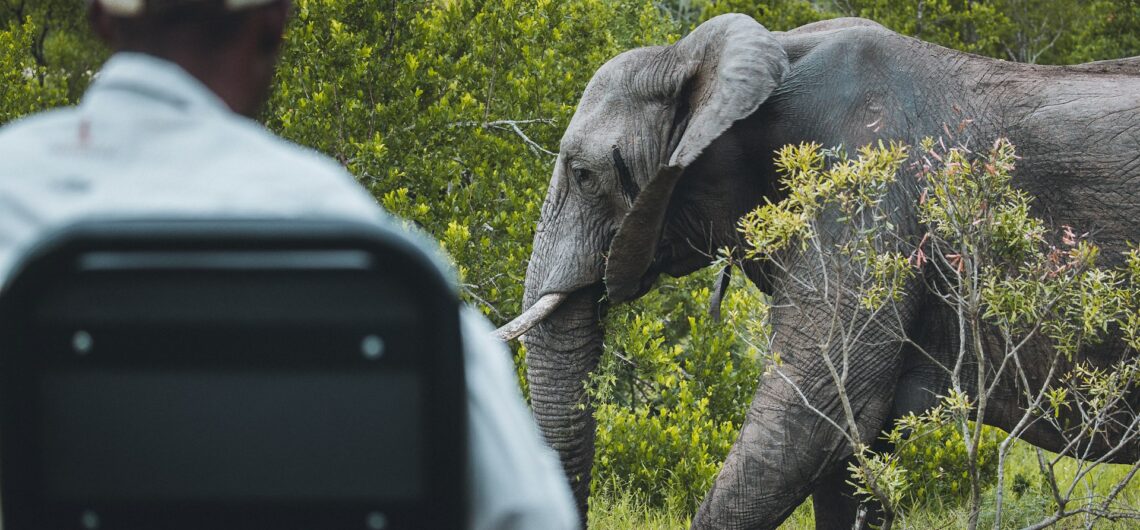
Elefanten ziehen in einer langsamen, majestätischen Prozession zum Wasserloch, ihre Spiegelbilder spiegeln sich perfekt in der spiegelglatten Wasseroberfläche, und Antilopen treten aus dem hohen Gras hervor, wobei Nebel und Tau sanft ihr Fell berühren.
Auf halber Strecke hält Ihr Reiseleiter an und serviert Tee oder Kaffee, der aus einer Thermoskanne mitten im Busch ausgeschenkt wird.
9.00 – 11.00 Uhr: Ausgiebiges Frühstück in der Lodge
Am Vormittag hat die Hitze ihren langsamen, goldenen Aufstieg begonnen und die Tiere haben sich größtenteils in den Schatten zurückgezogen, um abzuwarten.
Sie werden etwas Ähnliches tun, indem Sie zur Lodge zurückkehren, wo ein großzügiges Frühstück an einem schön gedeckten Tisch serviert wird.
Je nach Lodge kann das Frühstück eine vollständige warme Mahlzeit, eine üppige kontinentale Auswahl oder etwas dazwischen sein und ist immer frisch, reichhaltig und wird mit der besonderen Herzlichkeit serviert, für die die beste afrikanische Gastfreundschaft bekannt ist.
Es gibt ein ganz besonderes Vergnügen, sich nach stundenlangem Aufenthalt im Freien an eine richtige Mahlzeit zu setzen, die Eindrücke des Morgens noch lebendig im Gedächtnis und das Licht schon weich und hell werdend.
11 Uhr - 15 Uhr: Ruhen, Erkunden und Erholen
Die mittleren Stunden des Tages gehören Ihnen ganz und großzügig, um damit zu tun und zu lassen, was Sie möchten.
Manche Gäste treiben gerne mit einem Roman und einem kühlen Getränk zum Pool und machen es sich auf einer Sonnenliege gemütlich, ohne andere Absichten, als ganz im Moment zu sein.
Andere buchen eine Behandlung im Spa und wählen nach dem frühen Aufstehen etwas Wohltuendes und herrlich Verwöhnendes.
Und für diejenigen, die lieber nah am Busch bleiben, ist eine geführte Wandersafari während dieser ruhigeren Stunden ein seltenes und intimes Erlebnis, das Sie der Natur näher bringt, als Sie es je waren.
Das Mittagessen wird in aller Ruhe serviert, und ein anschließendes Mittagsschläfchen ist genau der richtige Weg, um die restlichen wärmsten Stunden des Tages zu verbringen.
Das ist schließlich genau das, wie sich Erholung anfühlen soll.
16:00 – 19:00 Uhr: Nachmittags-Pirschfahrt und Sundowner
Nach einem langen Tag sengender Hitze beginnt die Temperatur mit dem Untergang der Sonne zu sinken, und bald schon taucht die Tierwelt wieder aus ihren Verstecken auf.
Die späten Nachmittagsfahrten sind eine außergewöhnliche Zeit für Tierbeobachtungen, insbesondere von Wildhunden, Löwen und anderen Raubtieren, die gähnend und streckend herauskommen. Antilopen, Giraffen, Zebras, Gnus und anderes Steppentier sind ebenfalls häufige Sichtungen zu dieser späten Tageszeit.
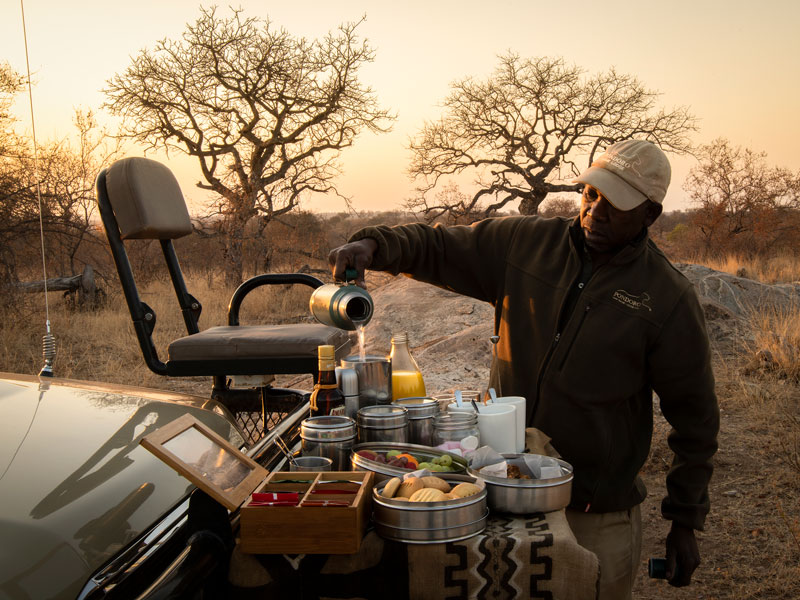
Auf halbem Weg während dieser Pirschfahrt halten Sie normalerweise an, um eine der unvergesslichsten Safari-Traditionen zu genießen: den Sundowner. Ihr Reiseleiter wird einen sicheren Ort auswählen und Sie steigen aus dem Fahrzeug aus, um etwas zu trinken, normalerweise ein Bier oder ein Glas Wein, serviert im Safari-Stil auf der Motorhaube des Autos.
Wenn Sie in einer der privaten Konzessionen wie Sabi Sands unterwegs sind, wird Ihre Nachmittagsfahrt zu einer abendlichen Tour, bei der Sie eine Vielzahl nachtaktiver Tiere sehen werden.
19:30 Uhr: Abendessen unter freiem Himmel
Nach einem erlebnisreichen Tag an der frischen Luft werden Sie Appetit bekommen.
Am Boma mit seinem warmen Feuer, das Sie in tiefste Entspannung versetzt, oder schick gekleidet für eine elegante Menüveranstaltung an einem wunderschön geschmückten Tisch, mit den Geräuschen der Savanne als Hintergrund, ist das Essen auf Safari ausnahmslos außergewöhnlich.
Sorgfältig zubereitet, lokal inspiriert und mit einer verwöhnenden Wärme serviert, ist es die Art von Mahlzeit, von der man noch lange nach der Rückkehr nach Hause erzählt.
In einigen Lodges versammeln sich Mitarbeiter im Boma, um im Feuerschein zu singen und zu trommeln, was dem Ganzen etwas Heiliges verleiht.
21:00 Uhr: Früher Abend
Safari-Tage sind früh zu Ende, und das ist dankbarerweise so.
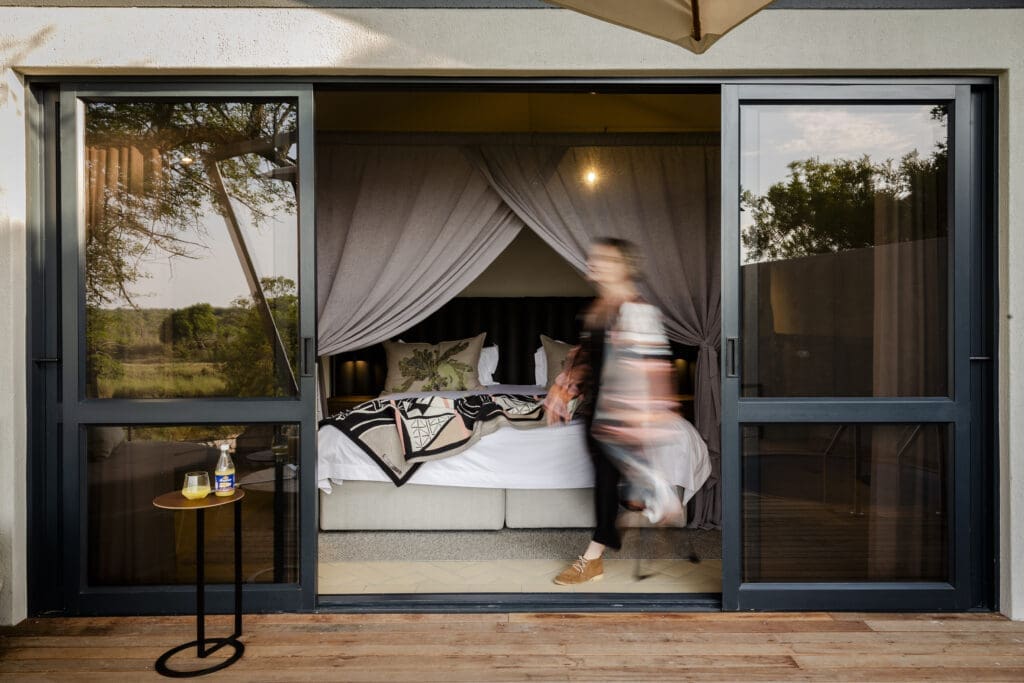
Da die morgendliche Fahrt nur wenige Stunden entfernt ist, ziehen sich die meisten Gäste gerne gegen neun Uhr zurück und gleiten zwischen kühlen, frischen Laken in ihr Bett, während die afrikanische Nacht um sie herum hereinbricht.
Die Geräusche, die dich hier finden, wie das tiefe, resonante Rufen eines Löwen irgendwo in der Dunkelheit, das Heulen einer Hyäne, das über die Stille trägt, der Chor von Fröschen, der aus einem nahegelegenen Wasserloch aufsteigt, sind anders als jedes Schlaflied, das du kennst.
Es gibt keine Entscheidungen mehr zu treffen, keine Benachrichtigungen zu prüfen, keinen anderen Lärm als den, den die wilde Welt frei und großzügig schenkt.
Du schließt die Augen und spürst es, dieses besondere, unersetzliche Gefühl, genau dort zu sein, wo du hingehörst.
Eine Afrika-Safari hinterlässt ein Gefühl der Zufriedenheit und eine Sehnsucht, die Sie noch lange nach dem Ende der Safari begleitet, und das ist vielleicht der ehrlichste Grund, warum Afrika die Menschen zurückruft.
Sich von Verantwortung zu lösen und an einem Ort zu sein, an dem man wirklich frei sein kann, ist wahrscheinlich das, was eine afrikanische Safari zu einem so nachsichtigen und süchtig machenden Urlaub macht, und zu einem Erlebnis, das Sie sich verdient haben.
Eine Safari in Afrika ist ein interaktives Erlebnis, das zwischen aufregenden Pirschfahrten und langen, ungestörten Ruhe- und Stilleperioden wechselt. Die Tage folgen einem natürlichen Rhythmus, der von der Tierwelt und dem Licht geprägt ist und vor Sonnenaufgang beginnt und nach dem Abendessen unter den Sternen sanft ausklingt. Es ist eine Mischung aus Erregung und Gelassenheit, und die meisten Reisenden empfinden sie als einzigartig im Vergleich zu allem, was sie bisher erlebt haben.
Ein typischer afrikanischer Safaritag beinhaltet zwei Wildbeobachtungsfahrten, eine am frühen Morgen und eine am späten Nachmittag, wenn die Tierwelt am aktivsten ist. Zwischen den Fahrten steht Ihnen Ihre Zeit zur freien Verfügung, sei es eine Spa-Behandlung, ein geführter Buschspaziergang, ein Schwimmbadbesuch oder einfach nur Entspannung mit einem guten Buch. Erfrischungen am Morgen und Nachmittag, Frühstück, Mittagessen und ein mehrgängiges Abendessen sind über den Tag verteilt, sodass er sich wunderbar ausgefüllt anfühlt, ohne sich jemals gehetzt zu fühlen.
Absolut. Afrikanische Safari-Lodges und Camps sind so konzipiert, dass sich die Gäste vom Moment ihrer Ankunft an absolut wohlfühlen, mit erfahrenen Guides, aufmerksamem Personal und durchdachten Reiserouten, die Ihnen jegliche Rätselraten ersparen. Erstbesucher stellen oft fest, dass die Struktur eines Safari-Tages, weit davon entfernt, einschränkend zu wirken, einer der entspannendsten Aspekte des Erlebnisses ist.
Ihre erste Pirschfahrt wird wahrscheinlich einer der denkwürdigsten Morgen Ihres Lebens sein. Sie fahren vor Sonnenaufgang in einem offenen Fahrzeug los, mit einem sachkundigen Führer, der die Landschaft um Sie herum liest. Sie können eine bemerkenswerte Vielfalt an Wildtieren erwarten, die ihren natürlichen Geschäften nachgehen. Die Sichtungen variieren je nach Reiseziel und Jahreszeit, aber Begegnungen mit Elefanten, Büffeln, Löwen, Giraffen und einer Fülle von Vogelwelt sind in vielen der besten afrikanischen Reservate üblich.
Die meisten Reiseexperten empfehlen mindestens drei bis vier Nächte an einem einzigen Safariort, um genügend Zeit zum Eingewöhnen, zum Finden des eigenen Rhythmus und zum Erleben des gesamten Verlaufs des Buschlebens zu verschiedenen Tageszeiten zu haben. Viele Reisende entscheiden sich für die Kombination von zwei oder mehr Zielen für ein reichhaltigeres, abwechslungsreicheres Erlebnis. Eine Woche bis zehn Tage gelten weithin als goldene Mitte für eine erste Safari, die genügend Raum für Tierbeobachtungen und echte Erholung lässt.