Table of contents
- 1 A Park the Elephants Made
- 2 Addo’s Marine Reserve and Algoa Bay Islands
- 3 Addo vs the Kruger
- 4 Helpful Things to Know about Addo Elephant Park
- 5 What to Pack for Addo Elephant Park
- 6 The Best Time to Visit Addo Elephant Park
- 7 A Responsible Safari in Addo
- 8 A Responsible Safari in Addo
- 9 How Long to Stay in Addo Elephant Park
- 10 Why Travelling with a Guide is Always the Better Choice
- 11 Some Final, Quick and Helpful Tips for Your Addo Trip
- 11.0.1 Addo Elephant Park can’t really, or at least fairly, be compared to anywhere else.
- 11.0.2 To make the most of your time on safari, all you really need to do is have an early start, pick a slow road, travel with a guide who knows where to wait, and spend your evenings watching the elephants arrive at the water as though they own the place.
- 11.0.3 Which, of course, they do.
- 11.0.4 Is Addo Elephant Park good for a luxury safari?
- 11.0.5 Can you see the Big 5 in Addo?
- 11.0.6 What is the Big 7?
- 11.0.7 How far is Addo from Gqeberha?
- 11.0.8 Is Addo better than the Kruger
By the end of the 1920s, the elephants of South Africa’s Eastern Cape province had been hunted almost out of existence.
Only 11 remained, hiding in bush so dense that a person could walk within metres of an elephant and never know it was there.
In 1931, those 11 elephants became the foundation of Addo Elephant National Park.
The first boundary fence enclosed just over 2 000 hectares, a small patch of land set aside for the last of a once-numerous herd and at the time, nobody could have said then whether it would be enough space to give the herd a chance.
But it was, and within the safe confines of their new, protected home, the herd grew.
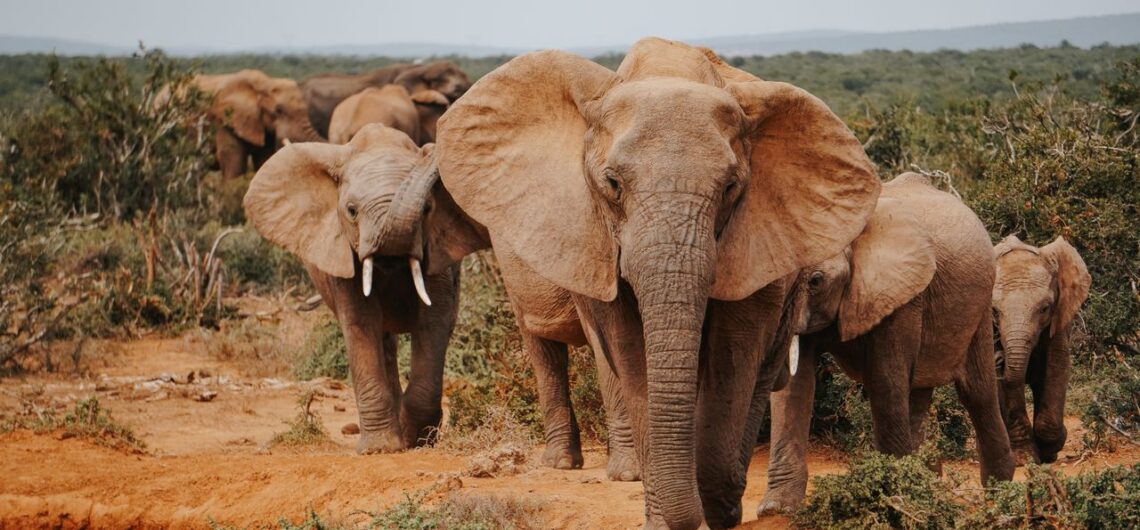
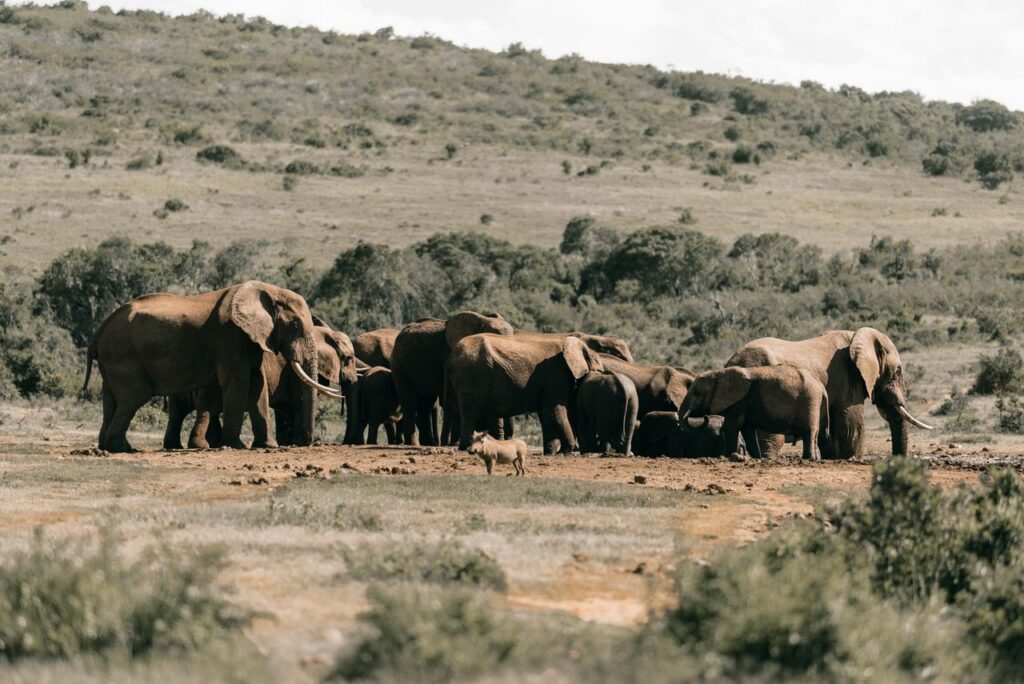
Today, more than 600 elephants move through Addo, making it one of the largest protected populations in South Africa.
At dusk and dawn, family herds file down to waterholes with calves tucked between the legs of their mothers, while a small number of safari vehicles make their way past.
The park that began with a handful of survivors now stretches across more than 180 000 hectares, from the Sundays River Valley to Algoa Bay, and reaches out to the islands of St Croix and Bird Island, where penguins and gannets nest above the waves.
It is also a place that has become one of the preferred safari destinations for travellers who don’t necessarily want to compete with others at sightings.
In this guide, you’ll learn everything there is to know about Addo, from its elephants to its islands, what to expect and when to go.
A Park the Elephants Made
In the early 20th century, citrus farms had spread across the Sundays River Valley, and the Knysna elephants of the Eastern Cape thicket, which to this day are considered functionally extinct, were raiding the crops and competing with farmers for water.
In 1919, the government hired professional hunter Major P.J. Pretorius to clear them out. He shot an estimated 120 elephants, and a population that once moved freely through the bush was reduced to just 11 animals.
P.J. Pretorius was a big-game hunter, so not only were the elephants killed to stop them from breaking farms, but their tusks were harvested for the ivory trade, which at that time had no limitations.
When the public learned about what had happened, there was an outcry and in 1931, Addo Elephant National Park was proclaimed to save the last of these unique elephants.
But while the officials had put up fences to keep the animals inside their new home, the elephants had other ideas and kept wandering onto neighbouring farms, where they again were at risk.
It took until the 1950s for an elephant-proof fence to be installed to hold them, and it had to be built from old tram rails and steel cable from elevators. It was called the Armstrong Fence and was specifically developed for the park.
The cull of the 1920s left a horrible mark that is still visible today.
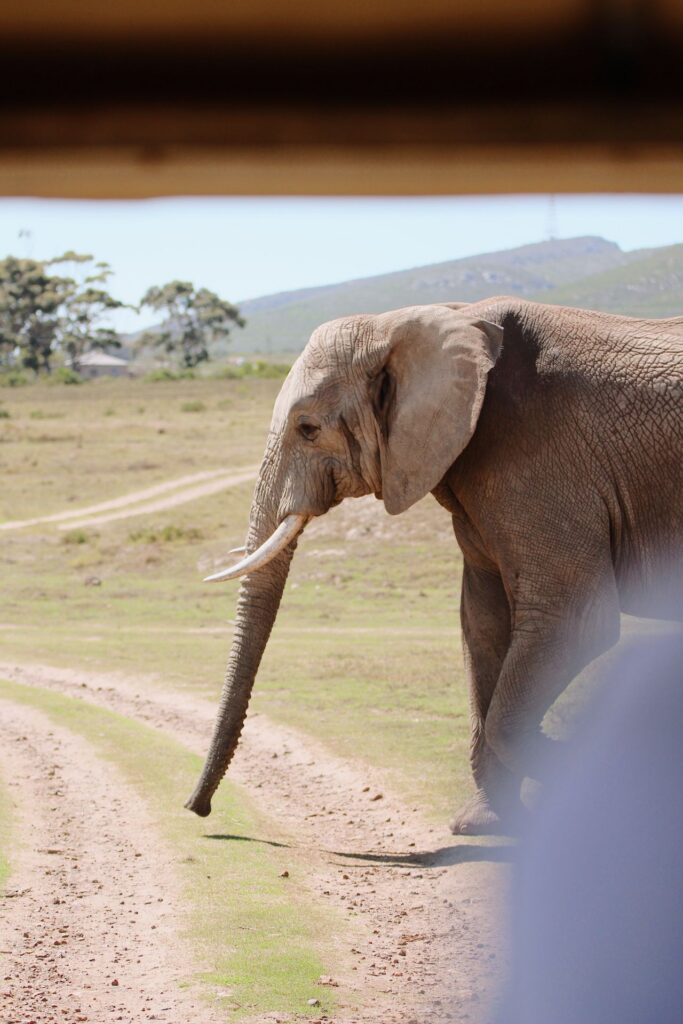
You’ll notice that many of Addo’s females have no tusks at all, a trait that spread through the herd from the survivors of the hunting.
Boundaries have been extended many times since then, taking in new thicket, the Zuurberg mountains and the coast of Algoa Bay.
The park visitors drive through now was built from that meagre 200 hectares into South Africa’s 3rd largest national park.
Addo’s famous elephant population descends from animals that survived extensive hunting in the Eastern Cape. The park was created specifically to protect the last survivors.
Addo’s Marine Reserve and Algoa Bay Islands
Addo is one of the best places to see elephants and the rest of the Big 5, but what really sets it apart from all of South Africa’s other national parks is that part of Addo is ocean.
Its marine protected area reaches into Algoa Bay and includes the Bird Island and St Croix Island groups.
St Croix Island is internationally recognised as an important place for the continued conservation of African penguins, while Bird Island supports the world’s largest breeding colony of Cape gannets, alongside penguins and roseate terns.
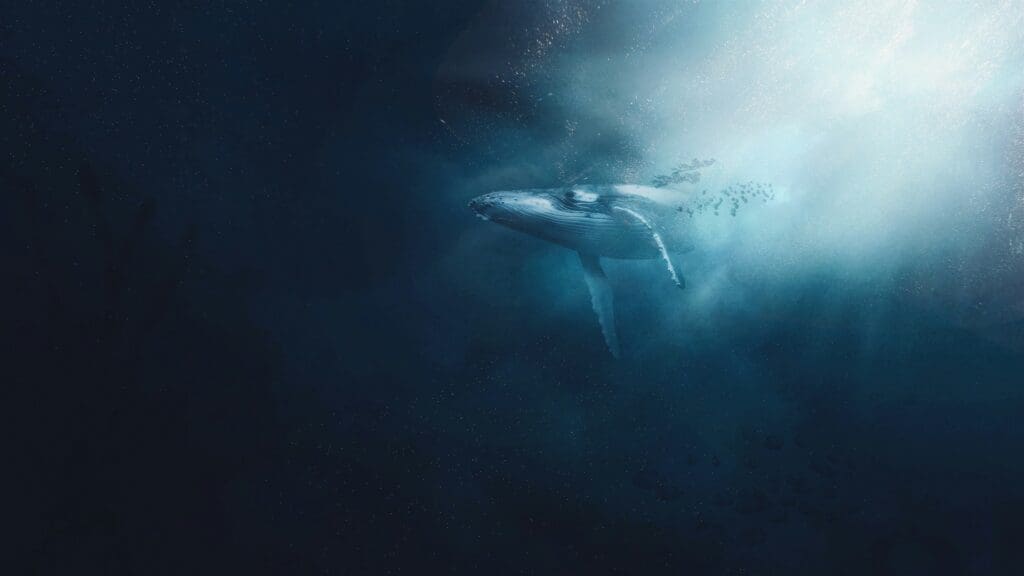
In the right season, from June to about November, which just happens to be the best time for a safari, southern right whales move through these waters, and humpback and Bryde’s whales are also present.
Great white sharks and bottlenose dolphins complete what Addo calls its Big Seven: the traditional Big 5 plus southern right whale and great white shark.
To make a trip a really luxurious retreat, you can book a private marine excursion from Gqeberha.
It is quieter than a land-based game drive, more atmospheric, and gives you a better view of penguins, gannets and whales.
The islands themselves are ecologically sensitive and public access is limited, so choose a licensed operator to ensure that your trip is above board.
Addo vs the Kruger
The Kruger is and probably always will be Africa’s greatest wildlife destination, and for a first safari where you want to see as much game as possible, it should be the very first place on your African travel bucket list.
Addo Elephant Park is more suitable for the traveller who has already seen some of Africa and now wants a less tourist-crowded, more contained and more diverse experience. After all, the Kruger can’t give you bush and beach on the same day.
Where the Kruger is expansive and often busy year-round, Addo is smaller in scale, with almost deserted roads and a strong sense of seclusion. Its location, under 2 hours from Gqeberha and close to the Garden Route, makes it especially appealing when your safari is but one chapter of a longer holiday.
Addo is also known for exceptional elephant encounters and the marine Big 7, while the Kruger is renowned for its Big 5 density and predator viewing.
And if you want a more luxurious holiday, Addo has small lodges, and it is close to the Karoo and Cape Winelands. The Kruger, by contrast, is defined by established safari lodges, private reserves and a long-standing guiding culture.
All this said, neither park needs to replace the other. You can and should visit both, because why not?
The Kruger is the choice for a dedicated, wildlife-intensive safari, while Addo is ideal for a relaxed, curated South African holiday that moves easily between bush, coast and winelands.
Helpful Things to Know about Addo Elephant Park
On choosing where to sleep
Addo Main Camp is the park’s hub, and it has chalets, cottages, safari tents, a shop, fuel station, swimming pool and the Cattle Baron Grill and Bistro. It is practical, well located and ideal for travellers who want to be close to the main game viewing network.
For a more secluded stay, Nyathi Rest Camp, at the foot of the Zuurberg mountains, is positioned as the park’s more exclusive SANParks accommodation.
Matyholweni Rest Camp, near Colchester, is suitable for guests arriving from the Garden Route and will give you a comfortable, indulgent southern base from which to visit the park.
For the more luxurious options, look to:
- Gorah Elephant Camp, a colonial-era tented camp on a private concession within the main section, known for canopy beds, private decks and guided drives.
- RiverBend Lodge, an exclusive-use property in the Nyathi area, suited to families or small groups wanting privacy and a dedicated vehicle.
- Kuzuko Lodge, in the northern section, with hillside suites, wide Karoo views and a wellness focus.
Where to Eat
At Addo Main Camp, you can stop at the Cattle Baron Grill and Bistro. It serves familiar South African dishes, grills and breakfasts, and it’s a great place to recharge before or after a morning drive.
The park shop covers all of your picnic essentials, coffee, fuel and last-minute supplies.
Depending on who you are travelling with, you can arrange a bush breakfast or sundowner through your private lodge or guided safari operator.
There’s nothing quite like pouring a hot cup of coffee while stopped on Hapoor Road watching elephants on the move.
Outside the park, Addo village and the Sundays River Valley have small country restaurants and farm stalls, though hours can be limited, so you might want to book ahead.
Which Routes to Take
The best way to explore any national park, the first time at least, is with a guide. They’ll make sure that you see the best of the park, and as much wildlife as possible, because they know the routes so well.
The main game viewing area is ideally explored in loops rather than as a single route.
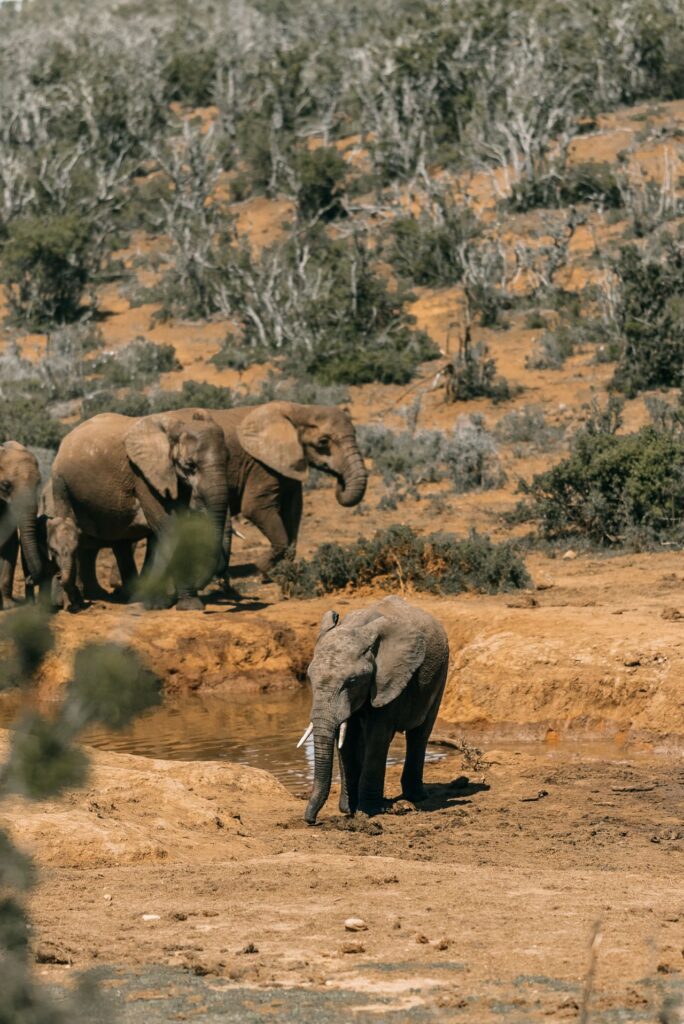
For first-time visitors, the Hapoor Dam circuit is the essential drive. It passes through some of the most abundant elephant country and includes Hapoor Dam, one of the park’s most reliable waterholes for seeing elephants, rhinos, and lions at dawn or dusk.
Other routes worth taking the time to drive include:
- Domkrag Dam route, another dependable waterhole area for large game.
- Rooidam and Spekboom Dam, good for a slower circuit with varied habitat and regular antelope sightings.
- Zuurkop lookout, for a wider view across the park and a sense of its scale.
- The southern section from Matyholweni, useful for guests arriving from the N2 and for a peaceful first drive.
Allow at least three to four hours for a main loop. Addo rewards patience more than speed.
What to Pack for Addo Elephant Park
You will want to pack lightly and have clothing suitable for cool mornings, warm middays and dusty roads. Your bag should have:
- Neutral coloured clothing that you can wear in layers, including a light fleece or down jacket
- A wide-brimmed hat, sunglasses and high-factor sunscreen
- Closed walking shoes and socks that survive red dust
- Binoculars, for those further away sightings
- A camera with a zoom lens, plus a soft cloth for dust
- Refillable water bottles and snacks for longer drives
- A light rain shell in summer and warmer jackets and jerseys from May to August
What you don’t want to pack is bright colours, strongly scented perfumes and anything too fancy. The best safari luggage is useful and easy to stow away.
The Best Time to Visit Addo Elephant Park
Addo is a spectacular year-round destination, but the experience changes with the seasons.
- May to August brings cooler air, clearer light, thinner vegetation and excellent game viewing.
- September to November is lovely for looking at wildflowers, young animals and comfortable temperatures.
- December to February is warm and green, with longer days, though it is busier around South African school holidays.
- June to November is the strongest period for southern right whale watching along the coast.
You will want to make sure that you book your tour package and accommodation (if it is not included in your tour) and marine excursions well ahead, particularly if you are planning your visit during the winter whale season.
A Responsible Safari in Addo
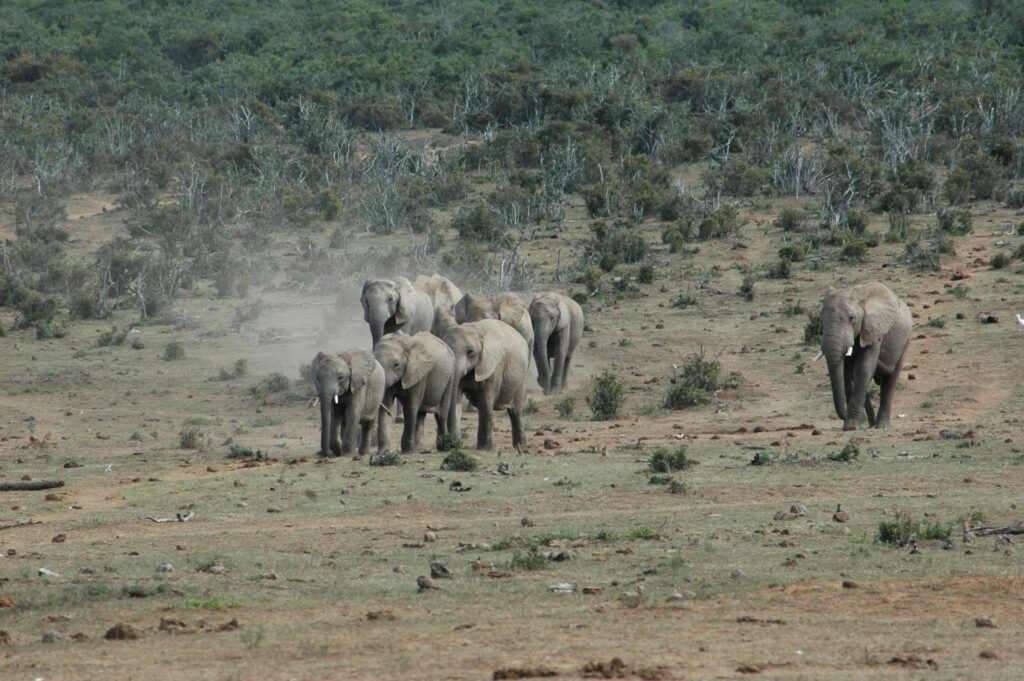
Responsible travel in Addo is mostly about restraint. Keep to marked roads, remain in the vehicle, give elephants space and never encourage a closer approach for a photograph.
Elephants may look calm, but they are wild animals with strong family bonds and long memories.
Choose operators who explain animal behaviour, limit vehicle numbers and support conservation rather than simply promising close encounters.
You can book your entrance entry online in advance where possible, carry valid identification for every adult passenger, and follow SANParks gate procedures.
A Responsible Safari in Addo
Responsible travel in Addo is mostly about restraint. Keep to marked roads, remain in the vehicle, give elephants space and never encourage a closer approach for a photograph.
Elephants may look calm, but they are wild animals with strong family bonds and long memories.
Choose operators who explain animal behaviour, limit vehicle numbers and support conservation rather than simply promising close encounters.
You can book your entrance entry online in advance where possible, carry valid identification for every adult passenger, and follow SANParks gate procedures.
How Long to Stay in Addo Elephant Park
Since this park is not the size of the Kruger, 3 nights is more than enough for a first Addo safari, if your focus is on seeing the land animals.
5 nights will give you time for both land and marine experiences without feeling hurried, and 7 nights for a whole tour allows you to combine Addo with the Garden Route, a Karoo stop or a few days in the Cape winelands.
A particularly elegant itinerary might look like this:
- 2 nights at a private lodge in the main section
- 1 night at Matyholweni or nearby Colchester
- 1 marine excursion from Gqeberha
- 2 or 3 nights continuing along the Garden Route
Why Travelling with a Guide is Always the Better Choice
A good guide really gives the safari a whole lot more character.
Where a self-driver sees an elephant, a guide notices the matriarch testing the air, the younger males keeping their distance, and the exact moment a herd decides to cross the road.
Guides also know which waterholes are best visited at which hour, how to read tracks, and when to wait rather than move on. In Addo, where the bush can be thick and animals appear suddenly, that knowledge turns a pleasant drive into an informed wildlife experience that you’ll reminisce about for years to come.
For luxury travellers, a private tour can also handle the logistics.
There is no navigating, no gate queue anxiety and no need to divide your attention between the road and the bush.
Some Final, Quick and Helpful Tips for Your Addo Trip
- Enter through the Addo Main Gate so that you start in the central game area, or aim for Matyholweni Gate if you are arriving from the Garden Route.
- Check seasonal gate times before you travel; SANParks lists entry from 07:00, with exit times changing by month, from 18:30 in winter months to 19:00 in summer.
- Guests with accommodation bookings may enter or leave after closing time but before 22:00, provided reception is informed. After 22:00, access requires prior arrangement.
- Carry passports or ID documents for all adult passengers, as SANParks requires valid documentation at entry and exit.
- Book a marine excursion before the safari, not after, as weather and sea conditions can affect departures in the afternoon.
- Have your game drives in the morning, when the day is still cool.
Addo Elephant Park can’t really, or at least fairly, be compared to anywhere else.
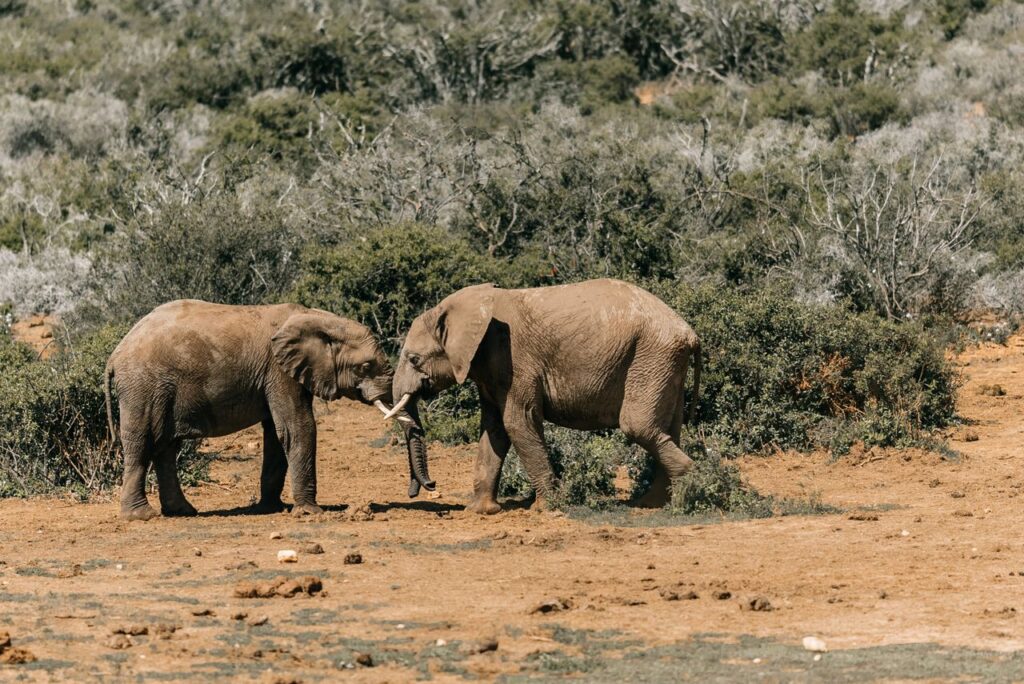
To make the most of your time on safari, all you really need to do is have an early start, pick a slow road, travel with a guide who knows where to wait, and spend your evenings watching the elephants arrive at the water as though they own the place.
Which, of course, they do.
Yes. Small lodges and guided marine excursions make it especially well- suited to travellers who value privacy, design and expert guiding.
Yes. Addo has elephant, lion, leopard, buffalo and black rhino, although leopard sightings require patience and good guiding.
Addo’s Big 7 adds the southern right whale and great white shark, which live in the park’s marine protected area, to its Big 5 inhabitants.
The main gate is roughly 72 kilometres north of Gqeberha, making it one of South Africa’s most accessible major safari parks.
Neither is better overall. Kruger is stronger for high-density Big 5 viewing, while Addo is better for a quieter, more flexible and coastal safari experience.