Table of contents
Enhance your reading experience—immerse yourself in the adventure with our audio version. Click play and let the sounds of Africa captivate you!
There’s something almost poetic about the Swartland.
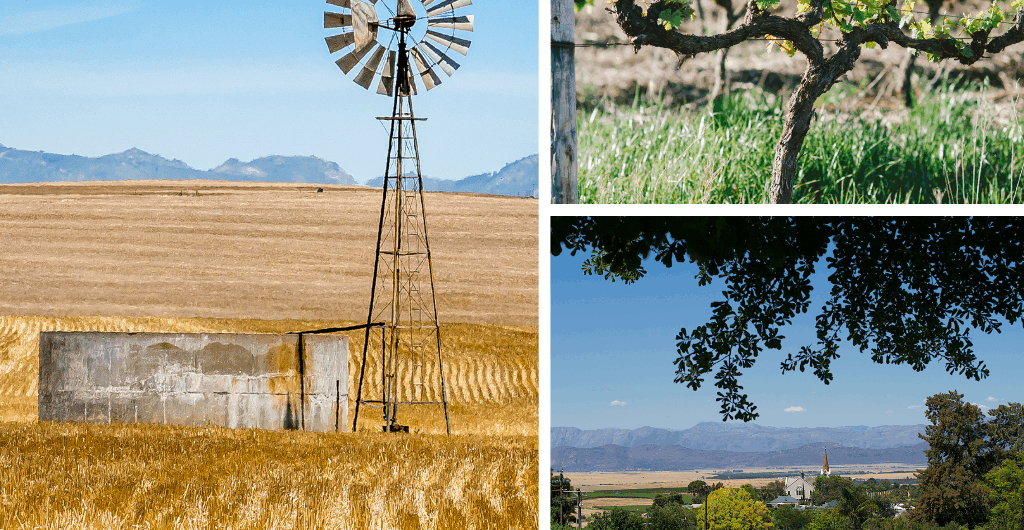
Just an hour north of Cape Town, the roadside and surrounding views change from the familiar city skyline into rolling wheat fields and undulating vineyards, which glow in the early morning and late evening light.
It’s the kind of place that makes you want to take your foot off the accelerator, roll down the car windows, and let the scent of the earth and wild herbs drift in.
If you are a wine connoisseur and you’ve been following South Africa’s exciting wine industry, or if you’re into woodworking, chances are good that you’ve heard the name Swartland before.
Swartland is a spectacular region, and unlike the Cape’s more polished wine areas, it wins you over gently, through conversations with winemakers who pour their wines with passion rather than pretence, through its small-town bakeries where the bread is made using generations old techniques and recipes, and through its beautiful clear skies that turn amber at sunset, as if someone has brushed the sky with gold.
If you’ve ever longed for a corner of South Africa that feels a little secret, where life moves to its own rhythm and each encounter feels like something only you’ve had the pleasure of experiencing, the Swartland has a way of pulling you in, quietly, completely, and with just enough mystery to make you want to stay longer than planned.
From the rolling wheat fields and rooibos plantations to the exquisite wine and olive estates of Kloovenburg and AA Badenhorst, every moment in the Swartland is something out of the ordinary. To inspire your next adventure in South Africa, have a look at our YouTube video.
Why is it called the Swartland?
The name “Swartland” comes from the Dutch phrase het Zwarte Land, which literally means “the black land.”
Early settlers, who arrived in 1652 under Jan van Riebeeck’s leadership, noted how the veld of renosterbos, also known as rhino bush, turned a deep, dark shade after the heavy winter rains, painting the landscape in tones that from afar looked dark and sombre.
Later writings from 1701 also suggest that the name referred either to the darkened foliage or, although less credibly, to the soil’s rich dark colour. Either way, that rich, moody hint of shadow across the fields gave rise to a name that lives up to those early descriptions to this day.
During the winter, when the grape vines die back and turn a dark brown and the skies grow grey and heavy with rain, the Swartland does justice to its name.
Which areas fall under Swartland Municipality?
Swartland Municipality sprawls across roughly 3 700 km² in the beautiful West Coast District of the Western Cape. It covers areas of farmland as well as long stretches of sandy beaches.
The two areas couldn’t be more different, but for the holiday maker, it’s rather ideal, as you can plan your trip to include a well-rounded visit to various areas, spending your time dozing on the beach on one day and walking through vineyards and enjoying hearty warm meals by a fire on the next.
At the centre of the Swartland, you’ll find Malmesbury, the municipality’s administrative seat, just shy of 70 km north of Cape Town along the N7.
But the administrative town is not where you want to spend your trip. Throughout the area, aside from the natural attractions and old wine farms, you’ll also find a variety of small towns and villages where you can spend some time meandering this way and that, visiting old shops and indulging your taste buds at bakeries and cafes that specialise in making traditional treats and other delicacies.
Some of the towns and villages worth taking your time in include:
1. Moorreesburg
Moorreesburg, a wheat-farming hub in the Swartland, is often called the “breadbasket” of South Africa.
The Wheat Industry Museum, one of only three in the world dedicated to wheat farming, is a must-visit where you’ll learn about vintage farming equipment, see historical photos, and hear the story of how wheat shaped the region’s economy and culture.
2. Darling
Darling is an artsy village known for its creative spirit and scenic beauty.
The Darling Brew Tasteroom is a must for craft beer enthusiasts. This award-winning microbrewery specialises in making unique, locally inspired beers like the “Slow Beer” lager, which was named after the region’s tortoises.
3. Riebeek-Kasteel
Riebeek-Kasteel, which you’ll find at the foot of the Kasteelberg, is a haven for both artists and foodies.
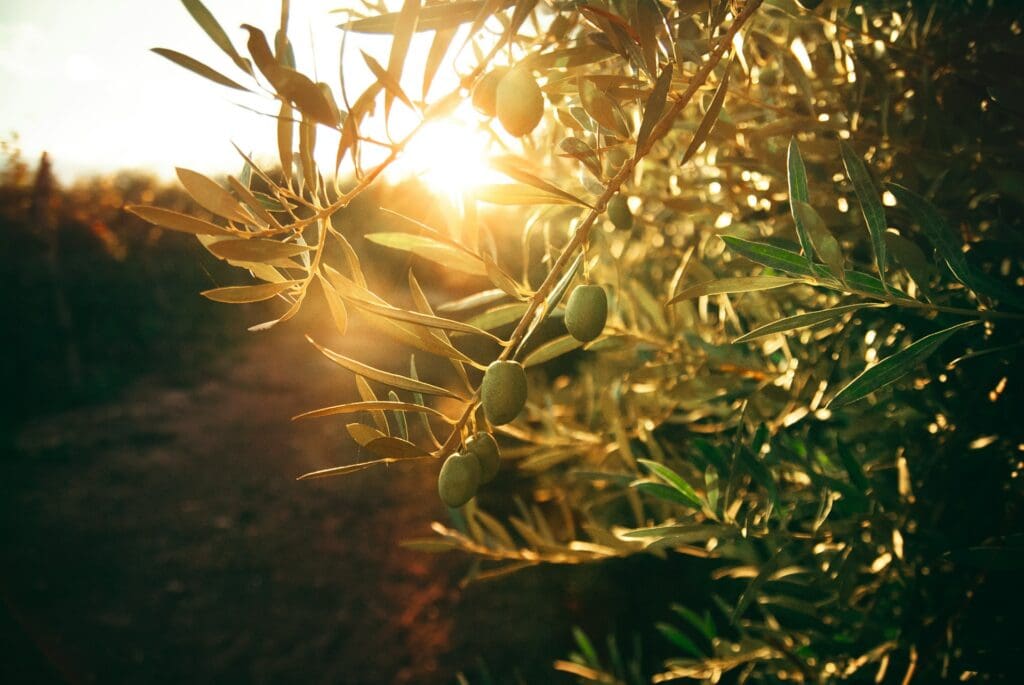
If you travel here in May, you can spend some time at the Riebeek Valley Olive Festival, an annual celebration of the region’s olive industry. You can also visit olive farms like Kloovenburg Wine & Olive Estate for tours and tastings.
4. Riebeek West
The birthplace of two South African prime ministers, Jan Smuts and D.F. Malan, Riebeek West is steeped in history.
You can visit Allesverloren Wine Estate, one of South Africa’s oldest wine farms, established in 1696, which is known for its robust red wines, particularly Shiraz. The cellar’s history and family-run appeal make it a standout stop for wine lovers.
5. Yzerfontein
Yzerfontein, a coastal town on the West Coast, is famous for its beaches and laid-back vibe.
And if you are looking for a memorable thing to do, you can visit the !Khwa ttu San Heritage Centre, a unique attraction located just outside Yzerfontein. The centre gives guests a comprehensive education on the history and traditions of the San people, and features guided walks, rock art exhibitions, and storytelling sessions.
6. Koringberg
Koringberg, a quiet farming village, embodies the tranquillity of the Swartland’s wheat country.
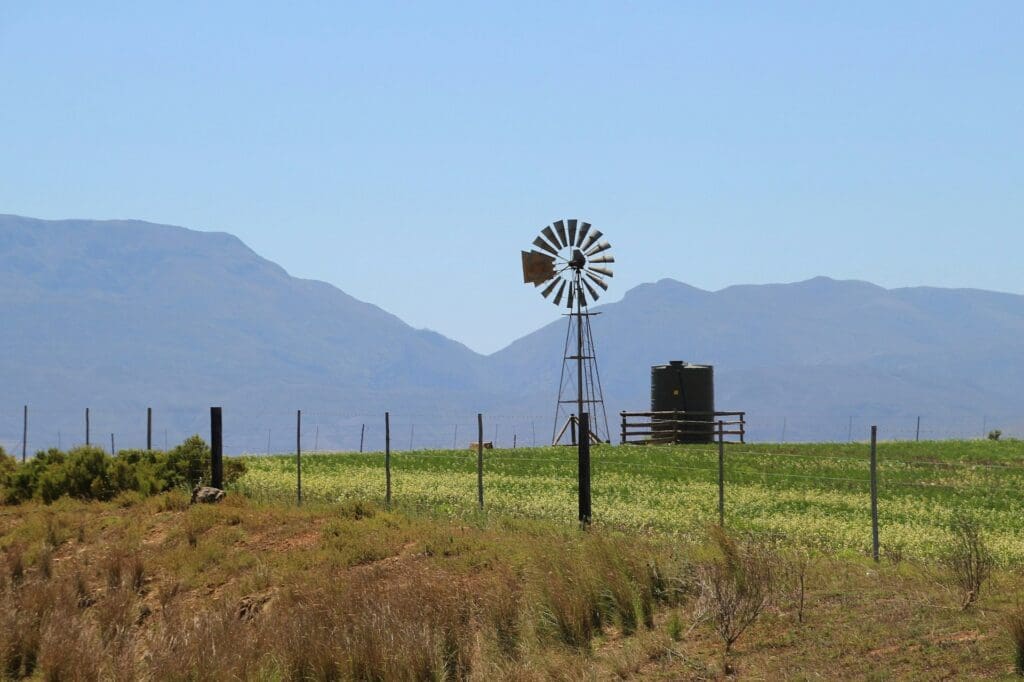
The Koringberg Windmill is a quirky, functional relic of the town’s agricultural past and just the place to stop while in the town. This restored windmill, one of only a few still standing in the region, gives you a glimpse into 19th-century grain milling, and at certain times of the year, you can see it in action.
7. Chatsworth
Chatsworth, a small rural community, is known for its tight-knit atmosphere and deep agricultural roots.
The Chatsworth Farm Stall is just the place for foodies. This roadside stop is packed with homemade preserves, fresh baked goods, and local delicacies like biltong and koeksisters. It’s a great spot to chat with locals, pick up picnic supplies, and soak in the laid-back vibe of rural Swartland.
8. Abbotsdale
Abbotsdale, a historic mission village, has both an interesting cultural heritage and scenic beauty.
The Moravian Mission Station, established in 1846, is a big attraction. The beautifully preserved church and surrounding buildings tell the story of the Moravian missionaries’ influence on the area. Visitors can explore the site, which often hosts community events, and enjoy the peaceful gardens that reflect the village’s serene character.
9. Kalbaskraal
Kalbaskraal, a lesser-known village, is a quiet stopover with a strong sense of community.
The Kalbaskraal Railway Station will give you a nostalgic peek into the region’s past, as it was once an important transport hub for farmers. Though no longer in regular use, the station’s old architecture and occasional community markets make it a lovely spot to explore, especially for those with an interest in trains and photography.
10. Riverlands
Riverlands, a small agricultural settlement, is surrounded by fertile fields and natural beauty.
The Riverlands Nature Reserve is a haven for birdwatchers and nature lovers. This lesser-known reserve features hiking trails that will take you through fynbos and wetlands, where you can spot species like the African marsh harrier or the stunning malachite sunbird. In the spring, the area becomes carpeted in wildflowers, making it a photographer’s dream.
What is the Swartland famous for?
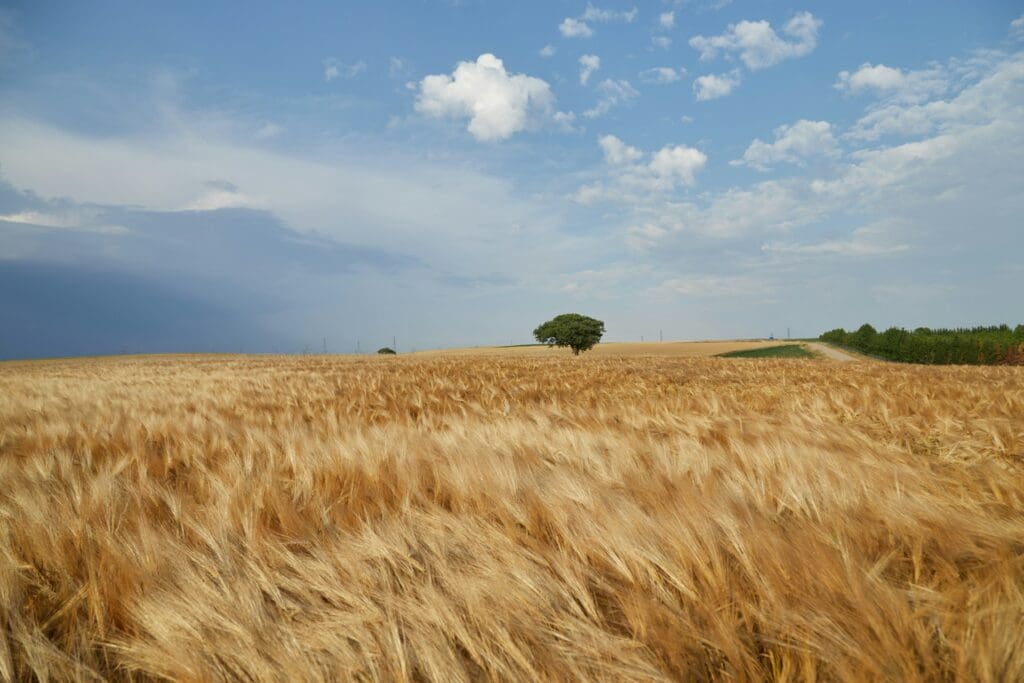
Swartland earned its fame first as the “breadbasket” of Cape Town, with its vast wheat fields stretching to the mountain foothills.
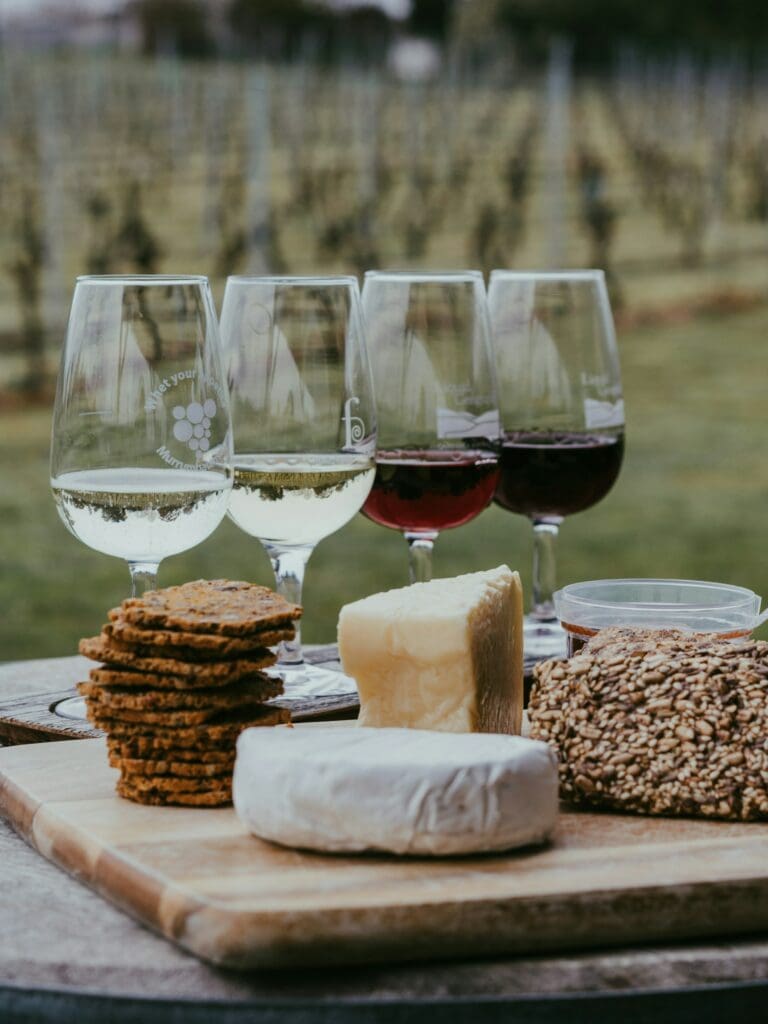
While wheat farming remains very much part of the region’s backbone and many locals will excitedly tell you how spring turns the countryside into a shimmering sea of gold, Swartland has been quietly establishing itself as one of South Africa’s most stylish wine regions, thanks to its dry-land vineyards and centuries-old bush-vine stock that produce concentrated, characterful wines with minimal irrigation.
Winemakers like Eben Sadie, one of the pioneers of the so-called “Swartland Revolution”, have charted new styles of natural, terroir-driven vintages, positioning the region on the international wine map.
But Swartland’s fame isn’t limited to landscapes or vineyards. In places like Riebeek-Kasteel, you’ll find the Royal Hotel, South Africa’s oldest colonial hotel, plus art galleries, Victorian architecture, intimate wine tasting spots, and olive producers that press fruit into liquid gold.
Is the Swartland worth visiting?
Absolutely, especially if you want something more personal than the usual tourist circuit.
If your idea of the perfect holiday includes meandering along dirt roads lined with indigenous foliage, impromptu food and wine tastings at small, fiercely authentic wineries, and drizzling olive oil straight from the grove, pure, honest, unpretentious, over a freshly baked slice of ciabatta bread slathered in roasted tomatoes, a trip through the Swartland will more than meet your expectations.

What time of year is it best to visit the Swartland?
The ideal time depends on what experiences you’re after.
For those who want to see the golden wheat fields, late spring into early summer (say, October to December) is the right time.
For wine lovers, the harvest season, late summer into early autumn, is the best time to visit as you’ll be spoiled for choice with festivals and open weekends at wineries.
You might also want to attend the Swartland Olive Festival in Riebeek-Kasteel. These are two days filled with olive tasting, music, food and convivial local energy that usually takes place in September.
*
From its dark-toned origins to its golden fields, from humble wheat farms to the terroir-rich vineyards leading a wine renaissance, Swartland is a place that invites you to stay longer.
If you’re plotting a South African holiday and crave a place that feels as welcome as it is revealing, let Swartland be your next intrepid destination.