Table of contents
There comes a time in everyone’s life when you just want to put up your feet.
You don’t necessarily need the pampering of a spa treatment, but rather a couple of days where you answer to no one, spend your time as you please, and for a while feel it is safe enough to leave your worries at the door.
We live life on the move, and many of us are taught that downtime means time wasted. But everyone needs rest, and if you do not prioritise your wellness, somewhere along the line you’ll have to make time for illness.
Wellness retreats are becoming a welcome pause to the madness, and nowhere in the world does rest and rejuvenation like Africa.
A wellness safari in Africa is the ultimate experience, and if what you’ve just read resonates with your tired soul, this is your guide to everything you need to know.
Wellness and Safari: The Connection
One of the greatest misconceptions of the term “wellness safari” is that the focus is on spa treatments.
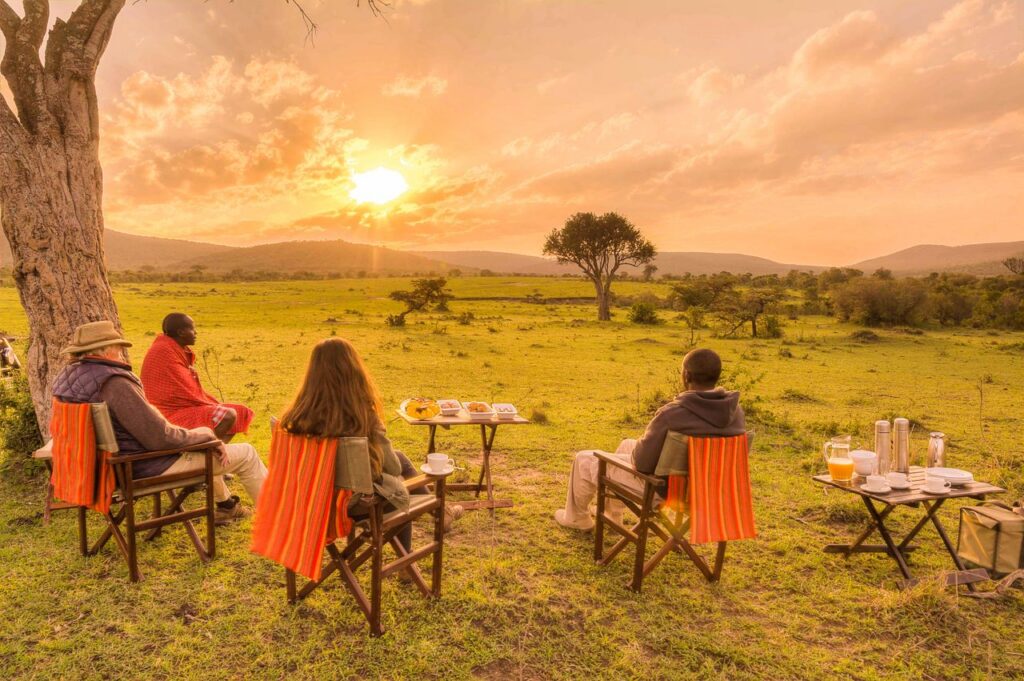
While that can certainly be a relaxing part of your stay, this is a style of travel that treats rest as seriously as it treats wildlife, and the concept and its execution is based on the understanding that a change of pace and a change of place both do wonders for a tired mind.
And this idea is no new-age concept; has deep, old roots.
Long before spa menus and yoga decks became a thing in the bush, safaris were already a kind of medicine, a tonic for the soul.
Early travellers wrote of returning from weeks spent in the African wilderness, feeling calmer, sharper and strangely lighter, long before anyone had measured cortisol or called safaris “nature therapy”.
More recently, the Global Wellness Institute’s Africa initiative named longevity, framed through an African lens of ritual, community and rest, as one of the continent’s defining wellness trends for 2026.
It is, in effect, a formal recognition of something safari guides already know so well: that enough time in the bush will leave you reenergised and ready to face the demands of the world again.
What turns an ordinary safari into a wellness safari has a lot to do with making a few consistent choices:
A wellness safari should be slow from the outset, with longer stays rather than a rushed circuit between them being the norm.
It should have lodges or camps that have a dedicated wellness space, not just a single treatment room, along with somewhere set aside for yoga, meditation, or simply sitting still for a while.
The food should be wholesome, seasonal, and local.
And the safari activities themselves- walking above driving, hides above open vehicles, silence above constant chatter- are all chosen to slow a guest down rather than to maximise sightings and drive up the energy of the tour.
Best of all is that you don’t have to sacrifice anything or be expected to turn your body into a pretzel during an intense Pilates class in order to sign up and enjoy a wellness safari.
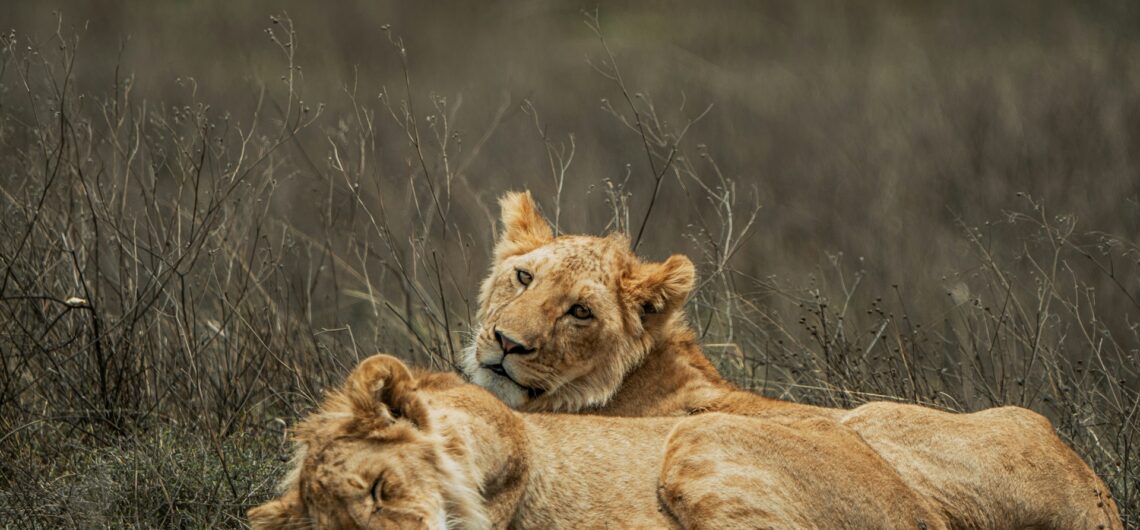
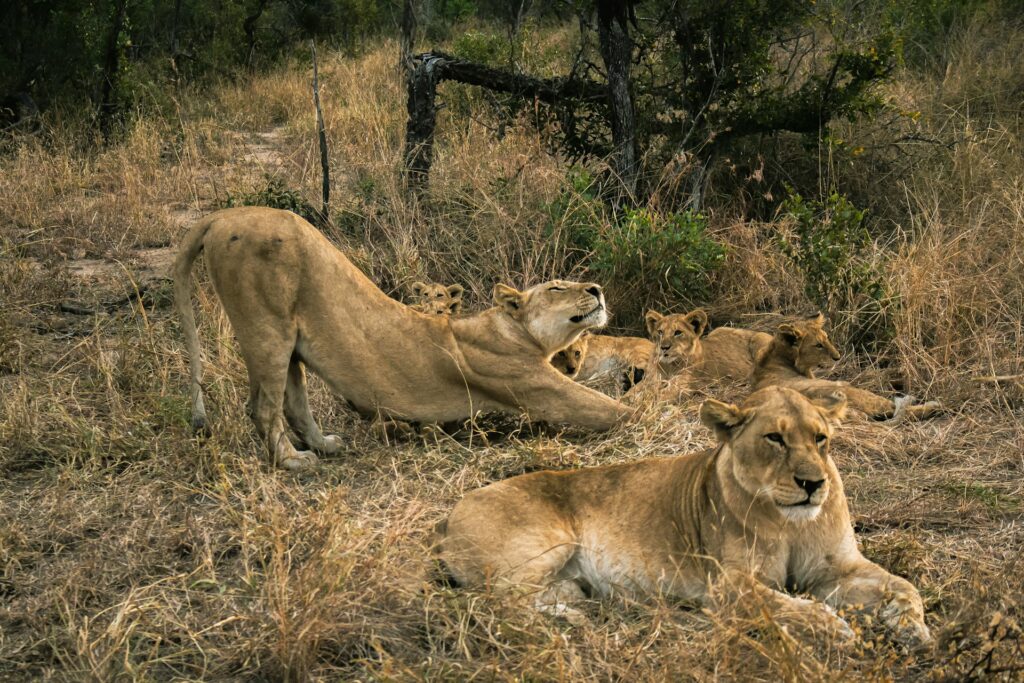
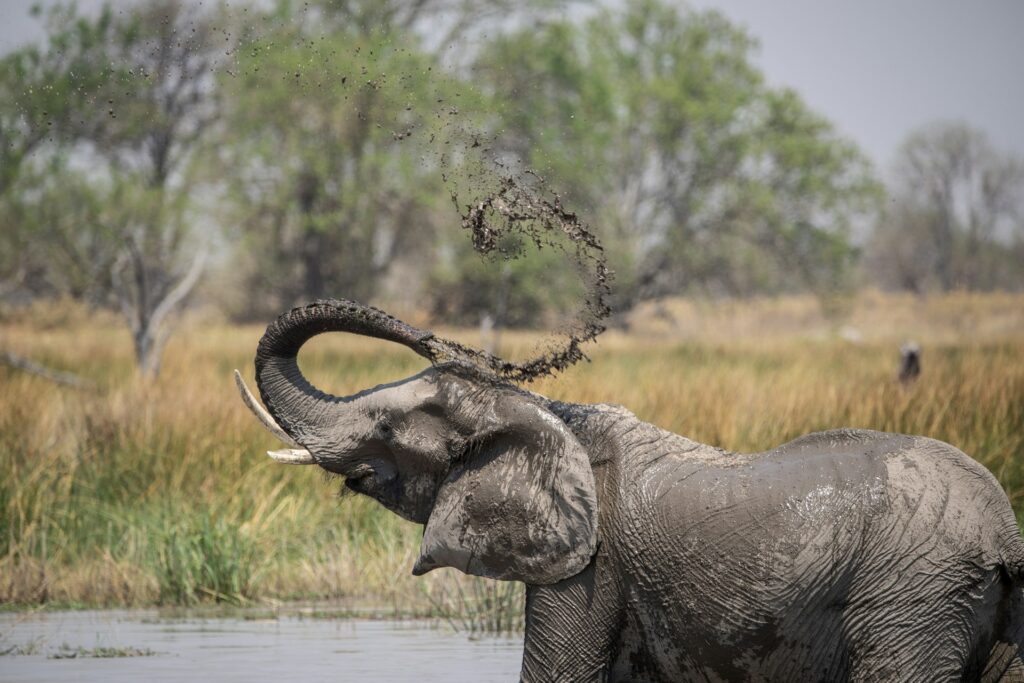
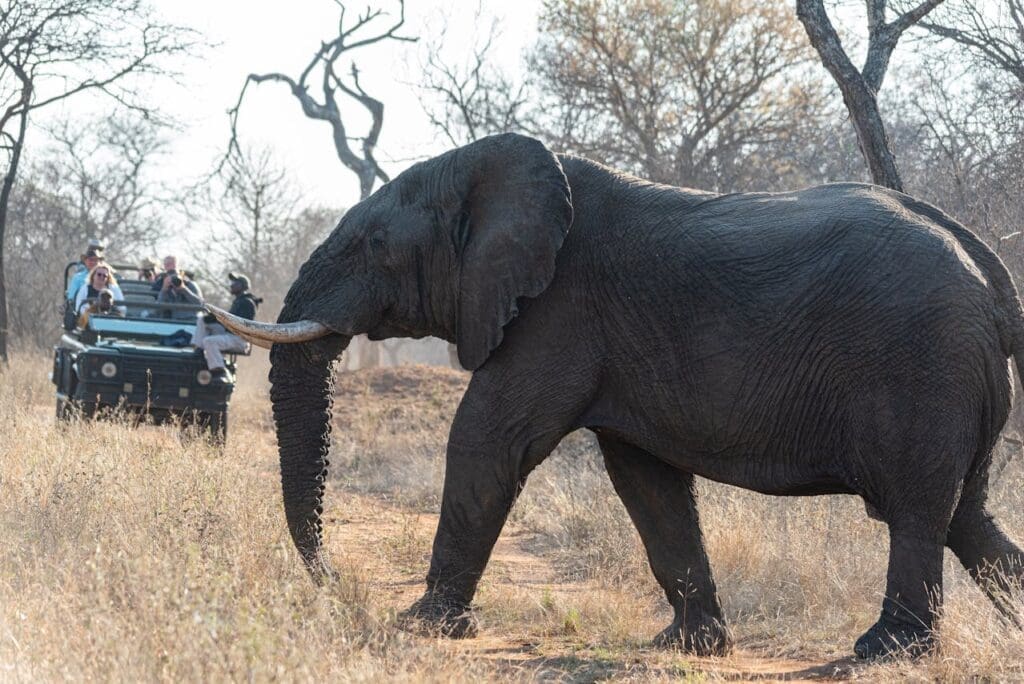
A proper wellness safari will still give you the possibility of lion sightings at first light, herds of elephants marching alongside roads, and leopard tracks pressed fresh into the sand close to where you are staying; it simply wraps the experience in enough quiet, and enough care, that the body has time to completely relax all while having the most memorable African holiday.
Africa’s Best Wellness Destinations
Given the laid-back nature of the majority of African nations, it would be hard to throw a dart at a map and not hit a country that can give you a wellness experience.
The country you choose for your holiday will likely be based on your expectations; do you want luxury, are you on a budget, or do you want the full authentic safari trip with all of the trappings of comfort?
Southern and East Africa are about the best areas on the continent for a safari that will have that wellness focus, so we suggest having a look at these destinations:
South Africa
South Africa is by far the easiest place to try a wellness safari for the first time, with direct flights into Johannesburg or Cape Town and short hops from there into the bush making the experience more accessible than most places.
In the remote south-eastern corner of the Kruger National Park, places like Singita’s Lebombo and Sweni lodges will treat you to leopard sightings along the N’wanetsi River and spa suites set on private decks, where you can indulge in the signature “Ndzi Lorhe Africa” treatment (it’s name means “I dreamed of Africa”) which combines exfoliation with a full body massage using naturally scented products.
If you prefer to travel further west, in the malaria-free Cederberg, Bushmans Kloof with its ancient San rock art and total silence are ideal for travellers who want their reset without a mosquito net.
Botswana
Botswana is a real wilderness, with most of the large swathes of the land dedicated to conservation and tourist numbers kept small on purpose. For travellers looking for the ultimate wellness safari, Botswana will give you the peace and quiet your soul yearns for.
This is not a place to rush through; you’ll want to take as much time as you can.
The Okavango Delta‘s seasonal floodwaters cause the camps to become naturally remote, reachable almost only by light aircraft. For many years, Botswana safaris have been structured around rest rather than game viewing.
That said, Botswana has some of the most incredible luxury retreats, with much of the focus being on giving guests exclusivity; with few other guests around, you can rest without interruptions.
If you are looking for the full spa experience, you can head to Wilderness, which opened its first dedicated spa concept, The Sanctuary, at Mombo in October 2025. It is an 820 square metre space with a lap pool, sauna, ice bath and open-air yoga deck. The spa also has Remedy Bar, which is built around local plants such as wild sage and jackalberry.
Kenya
Kenya’s Laikipia Plateau sits close to 1 800 metres, high enough that the air itself is thinner, cooler, cleaner, and invigorating.
At Segera Retreat, set on a 20 000-hectare former cattle ranch turned conservancy, you’ll find a wellness centre that has been created around a Rasul steam tower and saltwater pool, with yoga and meditation as well as dawn walks all part of the wellness experience.
The walking safari tradition here, tracker-led and slow, does much of the actual therapeutic work before a single spa appointment begins.
The intense altitude, space and the near-total absence of noise are, as Laikipia’s better lodges worked out some time ago, wellness amenities in their own right.
And after some time spent here, you can extend your travels further into Kenya, where you can visit the world-famous Maasai Mara National Reserve. Although it sees plenty of tourists, the reserve is quite remote and generally favoured by seasoned travellers rather than the excited crowds you find in places like the Kruger.
Rwanda
Rwanda is not a country that gets much attention in wellness circles, but for those wanting to avoid conventional safari destinations, that is precisely what makes it an excellent choice.
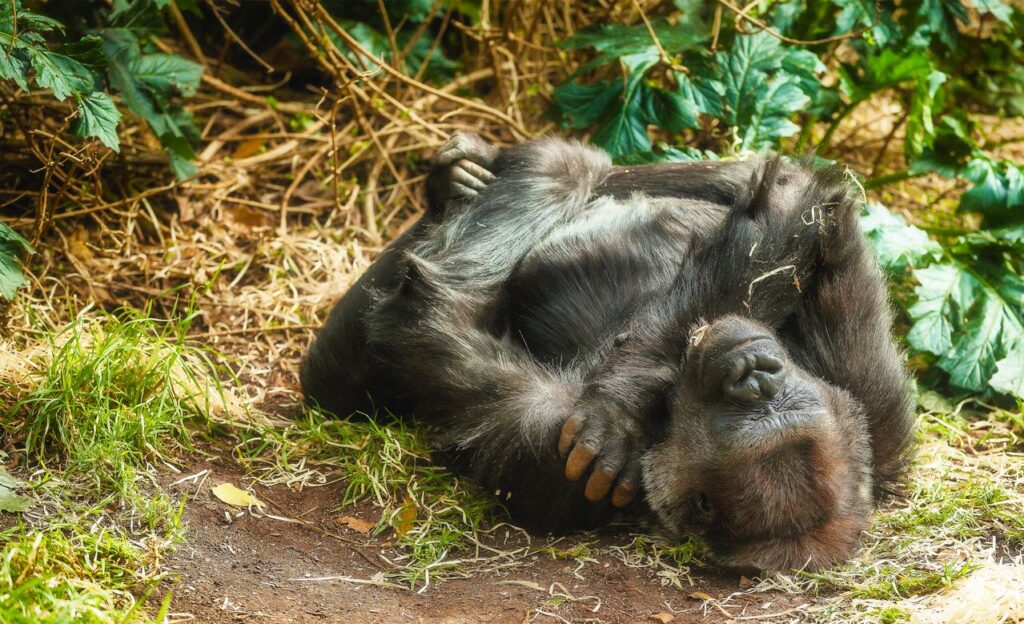
A morning spent hiking through bamboo forest to sit with a mountain gorilla family leaves most travellers with tired legs and a full heart in roughly equal measure, making it an unusually profound place to recover from your tired state.
Wilderness Bisate, set in the Volcanoes National Park highlands, has opened a sister spa to the one at Mombo in early 2026, sharing the same design language and treatment philosophy.
And nearby, Singita’s Kwitonda Lodge closes most days with an easy sunset yoga session overlooking the peaks of Kenya’s inactive volcanoes.
Zambia
Zambia’s South Luangwa Valley is regarded by most in the industry as the spiritual home of the slow safari.
It was here, in the 1950s, that conservationist Norman Carr pioneered the walking safari, moving guests through the bush on foot at a pace that forces attention and has a way of bringing you out of your worried mind.
Camps in the Nsefu sector, along with Mfuwe Lodge’s spa treatments overlooking its own lagoon, have simply formalised what the walking tradition already understood: that moving slowly through wild land, at eye level with the animals living in it, is a form of therapy in itself.
Tips for Planning Your Wellness Safari
Booking the right wellness safari starts with deciding what kind of rest you are looking for (physical recovery, mental peace, or simply time away from a screen?), and then matching it to a destination and the right operator, the one who can find and organise the best trip for you.
A specialist African travel consultant, rather than a general travel agent, will know which lodges include wellness in their ethos and which only have a single treatment room as a part of the existing safari camp.
There are a few things you should check before making your booking:
- Make sure the property has a spa and has a variety of treatments, if this is important to you.
- Include at least four nights per property. Wellness safaris don’t really work as a one-night stopover, since your nervous system needs time to properly downshift, especially if you’ve had a long flight.
- If you are planning a walking safari, in places such as South Luangwa or Laikipia, you’ll want to travel during the dry season, when the firmer ground and thinner bush make it easier to move around.
- Pack for temperature swings. Dawn game drives in an open vehicle can be properly cold, even in destinations known for heat.
- Confirm your malaria prophylaxis requirements early, and consider staying in a malaria-free reserve, such as the Cederberg or Madikwe, if that is a concern for you.
- Ask about the lodge’s digital policy. To keep things wild and to add to the wellness factor, some lodges limit Wi-Fi to specific areas.
- Include a physically demanding leg, such as gorilla trekking or a multi-day walking safari, with a slow activity and a luxury lodge. Wellness safaris shouldn’t be action-packed.
- Travel with an operator who can include a conservation or community visit. Something that can make your safari restorative is understanding the place you are resting in.
Wellness and safari might seem like an unlikely pairing, but in truth, with the right specialist planning your trip, your safari will give you all the best sightings plus enough time for leisure.
A wellness safari mixes traditional game viewing with rest and often includes proper spa or wellness facilities, a slow pace, and activities such as walking or sitting quietly in hides rather than a packed schedule of drives. The wildlife stays the main event. Wellness is woven through it, not added as an afterthought.
The difference sits mostly in pace and design. A standard safari is usually built around fitting in as many sightings as possible across a tight schedule, while a wellness safari favours longer stays at fewer camps, more time on foot, and lodges with a considered spa or mindfulness programme rather than a single treatment room.
South Africa, Botswana and Kenya have the most established wellness lodges, thanks to properties such as Singita in Kruger, Wilderness’s Sanctuary spa at Mombo, and Segera Retreat in Laikipia. Rwanda and Zambia are quieter options but increasingly strong ones, particularly for travellers recovering from gorilla trekking or a multi-day walking safari.
Four nights per property is a reasonable minimum. Wellness safaris are built around slowing down, and the nervous system needs a few days in one place before it properly downshifts, so hopping between camps every night or two tends to undercut the point.
Layers matter more than most travellers expect, since dawn game drives can be properly cold even in destinations known for heat. Beyond that, swimwear for spa pools, comfortable shoes for guided bush walks, and anything needed for malaria prophylaxis, if the chosen reserve is not malaria-free, round out the list.