Inhaltsübersicht
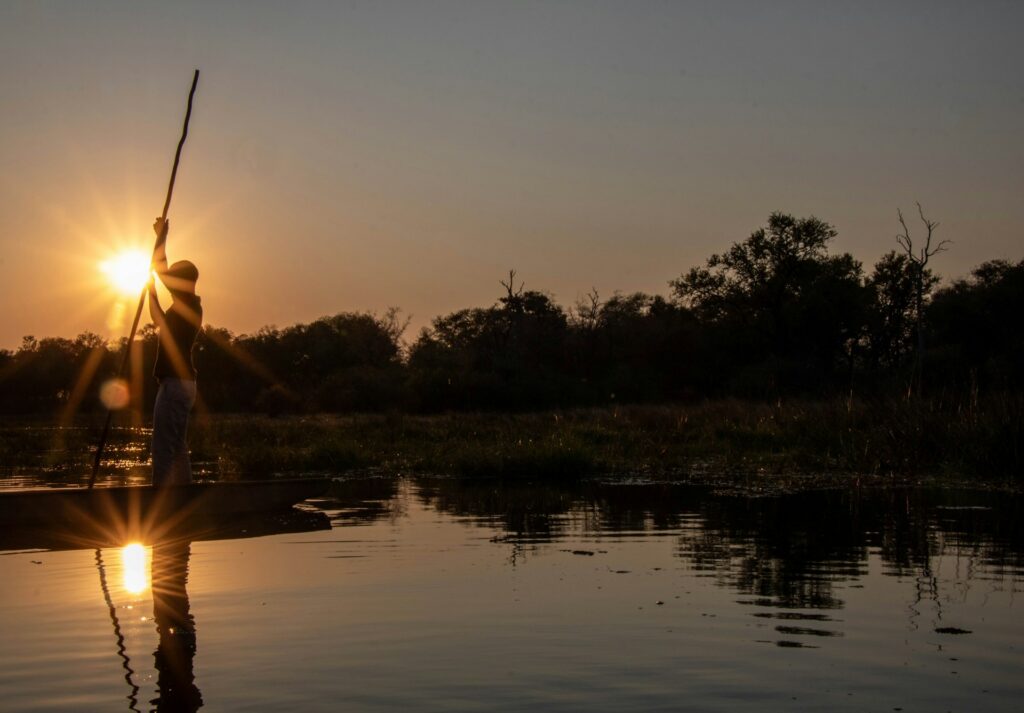
Seit Jahrhunderten, lange bevor die Außenwelt von ihrer Existenz erfuhr, lebten die Gemeinschaften entlang des lebensspendenden Okavango-Delta Wir haben Mokoros genutzt, um uns fortzubewegen.
Sich in einer so rauen und erbarmungslosen Umgebung schnell und ohne allzu großen Energieaufwand fortzubewegen, war für ihr Überleben von entscheidender Bedeutung, und für viele der Menschen, die heute hier leben, ist es das nach wie vor, nur auf andere Weise.
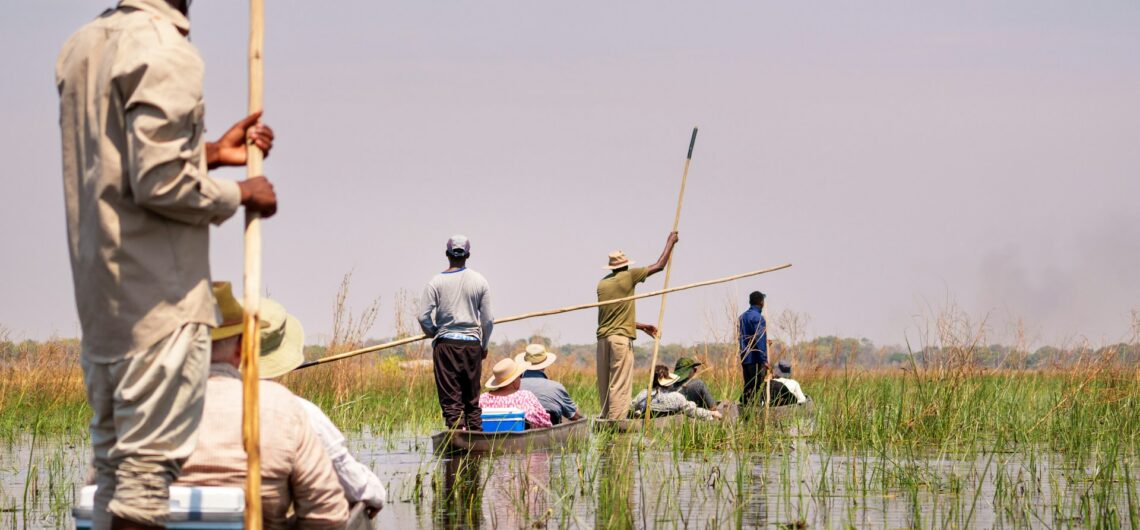
Mokoros haben hier eine Möglichkeit für Gemeinden geschaffen, ihren Lebensunterhalt zu verdienen, einen Lebensunterhalt, bei dem Touristen aus der ganzen Welt langsam diese alten Wasserstraßen entlanggefahren werden.
Die Bootssafari ist zu einem legendäre Art zu reisen in den letzten Jahren als Ergänzung zur traditionellen Pirschfahrt, aber es gibt nur eine Handvoll Orte in Afrika, an denen man ein so exklusives Erlebnis haben kann.
Wussten Sie schon?
- Es gibt ein jährliches Mokoro-Rennen. Bei der Nkashi Classic, die seit 2018 in Botswana ausgetragen wird, treten Stocherer aus Dörfern im gesamten Delta gegeneinander an, um zum Schnellsten gekürt zu werden, mit Kategorien für Männer, Frauen und Senioren.
- Während der Flutzeit kann der Okavango auf fast 20.000 Quadratkilometer anschwellen und genau jene Kanäle umgestalten, durch die Poler mit ihren Booten staken.
- Mokoro-Führer haben dabei geholfen, das Delta zu kartieren. Das Okavango Wilderness Project von National Geographic hat sich auf erfahrene Poler verlassen, um Expeditionen zu leiten, die den Quellflüssen des Deltas zurück nach Angola folgen.
- Nicht jede Gemeinschaft nennt es ein Mokoro. In der Sprache der Wayeyi bedeutet das Wort “xobega” “Überquerung”, eine kleine Erinnerung daran, wie zentral diese Boote für das tägliche Leben sind.
- Viele Poler besitzen ihre Boote komplett. In gemeindebasierten Trusts wie dem in Seronga besitzt jeder Poler sein eigenes Mokoro, und die Einnahmen aus dem Tourismus fließen direkt in das Dorf zurück.
Was sind traditionelle Mokoros?
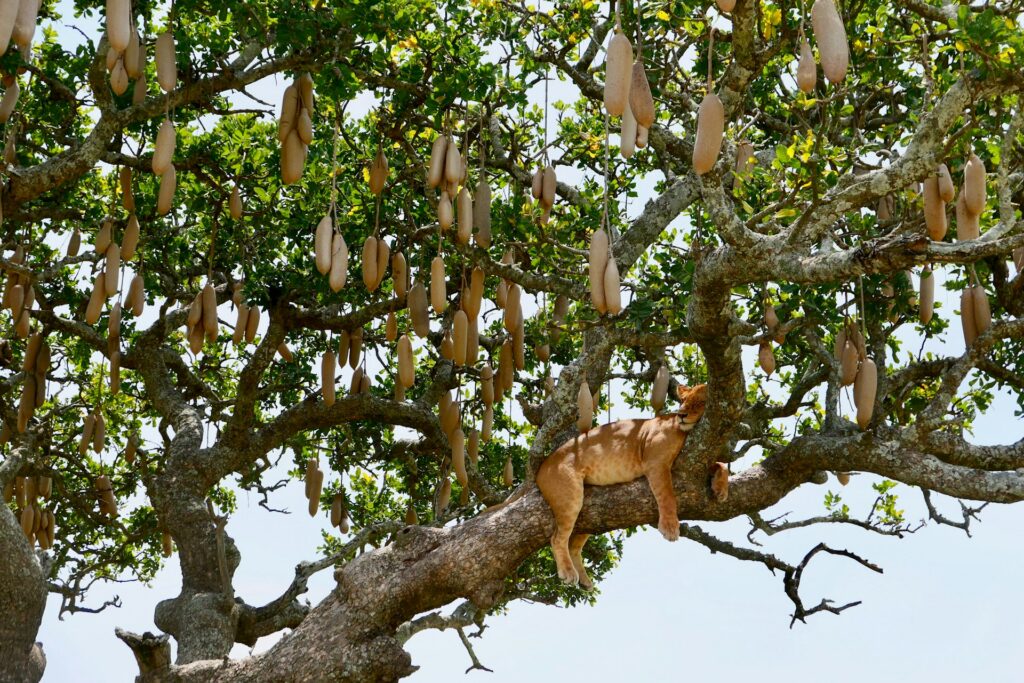
Ein Mokoro ist ein Einbaum, der von Hand aus einem einzigen Baumstamm ausgehöhlt wird, in der Regel von einem Kigelia-Baum, der auch als Wurstbaum bekannt ist, und durch flaches Wasser geststangelt statt gepaddelt wird.
Das Wort “mokoro” stammt aus dem Setswana, und in der Mehrzahl ausgesprochen hört man es als “mekoro”.
Dem Volk der BaYei wird im Allgemeinen zugeschrieben, das Mokoro in das Okavango-Region im 18. Jahrhundert, als sie weiter aus dem Norden kamen und sich am Rand des Deltas niederließen. Als sich die Idee erst einmal herumgesprochen hatte, übernahmen die Ngami und andere am Delta lebende Völker sie als ihre bevorzugte Fortbewegungsmethode.
Lange vor der Existenz der ersten Safari-Lodge war das Mokoro einfach das beste Fortbewegungsmittel, das von einer Familie genutzt wurde, um ihre Angelplätze und Schilfgebiete zu erreichen, Dinge zu transportieren und mit ihren Nachbarn über das Wasser hinweg in Verbindung zu bleiben, wobei sie der allgegenwärtigen Gefahr von lauernden Krokodilen und Flusspferden aus dem Weg ging.
Einheimische nutzen Mekoro nach wie vor zum Fischfang, zum Ernten von Schilf für die Korbflechterei und zum Reetdachbau sowie für die täglichen Wege von einer Insel zur anderen, weshalb das Mokoro nach wie vor ein so unverkennbares Stück Botswana Kultur heute und warum sie sich so leicht in die Safariszene integriert hat.
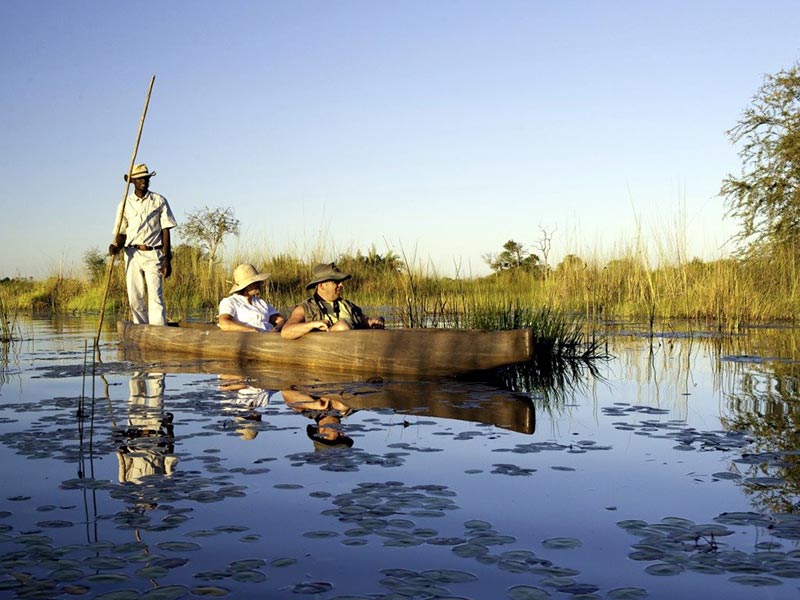
Ein traditionelles Mokoro-Kanu ist schmal, niedrig bordig und normalerweise etwa 6 Meter lang von Bug bis Heck.
Der Stocherer steht am Heck, und das Boot befördert meist nur eine geringe Anzahl von Passagieren, die tief nahe der Wasserlinie sitzen, nah genug, um mit der Hand durch Seerosen zu streichen, wenn der Stocherer es erlaubt.
Wie werden Mokoros hergestellt?
Traditionell begann die Herstellung eines Mokoros mit dem Fällen eines einzigen, geraden Hartholzbaumes, meistens des Leberwurstbaumes oder des Jackalbeerbaumes, der wegen seiner Festigkeit ausgewählt und manchmal sogar gesegnet wurde, bevor die Axt ihn berührte.
Der Baumstamm wurde von Hand ausgehöhlt, wobei zuerst Feuer verwendet wurde, um das Holz weich zu machen, und dann eine Dechsel, um es zu behauen – ein Prozess, der mehrere Wochen geduldiger, eintöniger Arbeit erfordern konnte, unter Anwendung von Fertigkeiten, die vom Vater an den Sohn weitergegeben wurden.
Und auch wenn es vielleicht nicht so aussieht, erfordert es einiges an genialer Ingenieurskunst und Physik, um sicherzustellen, dass das Mokoro das tut, wofür es gedacht ist.
Ein Mokoro schwimmt nicht, weil es leicht ist – denn ein Stamm aus frischem Hartholz ist alles andere als das –, sondern weil seine hohle Form eine Wassermenge verdrängt, die dem Gewicht der Passagiere oder der jeweils transportierten Last entspricht.
Der niedrige, flachbodige Rumpf sorgt zudem dafür, dass das Kanu im flachen Wasser stabil bleibt, was von enormer Bedeutung ist, wenn Ihr einziger Ballast ein aufrecht stehender Stocherer ist.
Der Poler treibt den Mokoro mit einer langen Holzstange an, die als Ngashi bekannt ist und traditionell aus einem Terminalia-Zweig geschnitten wird, der gegen den Flussbett gedrückt wird, auf dieselbe Weise, wie man ein Boot einen englischen Fluss hinabstakt.
Kinder in Stocherkahn-Familien lernen die Technik oft, bevor sie richtig schwimmen können, was viel darüber aussagt, wie alltäglich diese außergewöhnliche Fertigkeit für die Menschen ist, die damit aufgewachsen sind.
Wo in Afrika werden sie verwendet?
Das Okavango-Delta im Norden Botswanas ist die wahre Heimat des Mokoro.
Das Okavango-Delta gehört seit 2014 zum UNESCO-Weltnaturerbe und ist einer der wenigen Orte der Erde, an denen ein Fluss nicht im Meer, sondern in einer Wüste mündet. Es ist eines der wichtigsten Ökosysteme des Kontinents und eines der angesehensten Safariziele.
Jedes Jahr fließt der Regen, der im angolanischen Hochland fällt, etwa 1000 Kilometer nach Süden, bevor er als Hochwasser im Okavango ankommt, meist zwischen Juni und Oktober, füllt die Kanäle des Deltas und bietet Reisenden auf einer Mokoro-Safari ein absolut einmaliges Erlebnis.
Sie finden Mokoro auch bei der Arbeit am Chobe Fluss further east and also in Botswana, and the tradition continues along waterways in the Caprivi Strip, now also known as the Zambezi Region, of Namibia and parts of Sambia und Simbabwe, wherever a shallow channel makes a pole more sensible than a propeller.
Botswana in particular has built its tourism around protecting these waters, keeping guest numbers deliberately low so that the delta’s ecology, and the mokoro tradition that depends on it, has room to continue.
Warum der Mokoro ideal ist, um durch das Delta zu gleiten
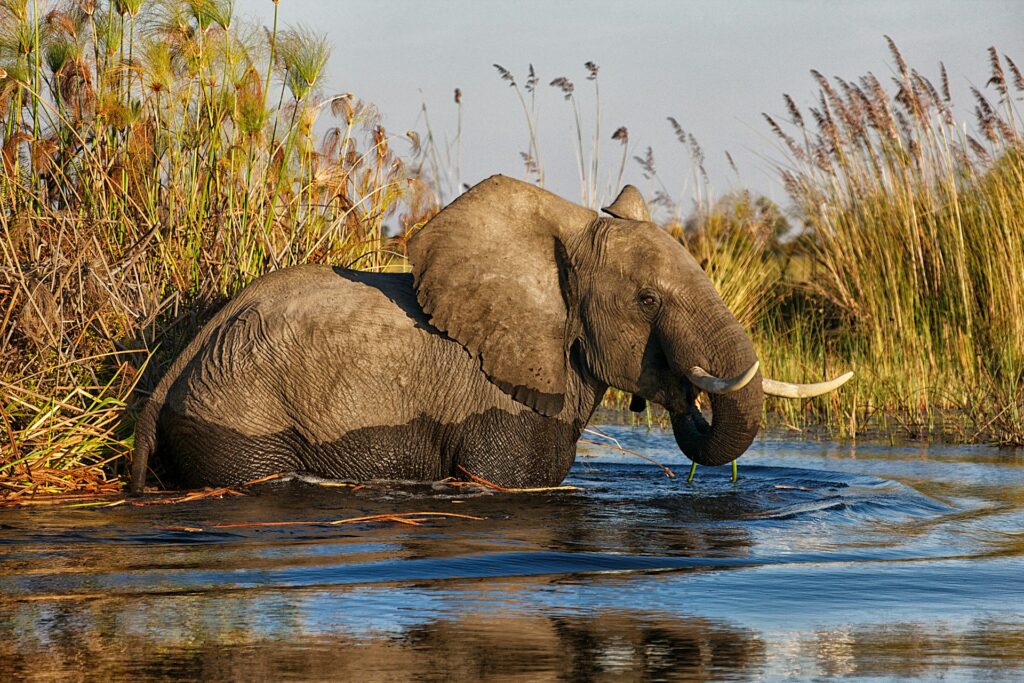
Much of the Okavango-Delta is shallow, with channels that shrink to a few centimetres in places and vanish into papyrus reeds that no propeller could pass through.
A mokoro sits so lightly on the water that it can cross places that a motorboat would run aground on, which is precisely why they are so suitable for these waterways.
They are also ideal because they make absolutely no sound.
Aside from the drip of water off the pole, a family fishing or a small group of tourists taking to the waters at first light are no more disruptive to a heron or a lechwe than the breeze blowing gently through the reeds.
Andere traditionelle Boote in Afrika
Elsewhere in Africa, other types of traditional boats are also used for transport and tourist excursions.
Across the continent, communities living alongside rivers and coastlines have created their own vessels from what the land gave them, each one suitable to specific weather conditions and a particular way of life.
Some of these boats are still used, though mostly for tourism.
Die Dau
Along the Swahili coast, from Lamu down to Sansibar und Mosambik, the dhow has carried goods, people, and stories for centuries.
Its triangular lateen sail was designed to catch the monsoon winds, allowing traders to sail east on one seasonal wind and home again on the next.
Built from timber and at one time stitched together with coconut fibre before nailed planking became common, the dhow can still be seen moving through harbours where the scent of spice and salt has changed very little over time.
Die Feluke
On the Nile, in Egypt and Sudan, the felucca has long been the vessel of choice for those who know the river intimately.
Flat-bottomed and rigged with a single broad lateen sail, it was built to work with the Nile’s currents rather than fight them, letting the wind do the labour while the boatman simply steers.
Today, a felucca ride at sunset near Luxor or Aswan is one of the most spectacular ways to see the river, and the ancient Egyptian temples, as they were always meant to be seen.
Das Pirogue
Along the Niger River in Mali, and the Atlantic coastline of Senegal, the pirogue takes on many forms, but its look is quite unmistakable.
Long, slender and often painted in bold, layered colour, it is poled through the shallow channels of the Niger Inland Delta or paddled out into ocean swell by fishing crews before dawn. Hand-carved from a single length of wood, much like the mokoro, the pirogue speaks to a shared understanding across the continent that a boat should be built by the same hands that will depend on it.
Die Ngalawa
Off the coast of Zanzibar and along the Tanzanian shoreline, the ngalawa carries fishermen out past the reef each morning.
Carved from a single mango tree and steadied by two outriggers, it is a fine example of engineering born entirely from experience.
Its small triangular sail and shallow draft make it perfectly suited to the short, purposeful trips of daily coastal life.
Was sind Mokoro-Safaris?
A mokoro safari is usually an hour or so spent gliding through the delta’s side channels, seated low near the waterline while a local poler takes you along routes they’ve known since childhood.
The best time is at dawn or dusk, and when you include a game drive or a bush walk afterwards, you’ll have the complete Botswana safari experience.
But before booking one, there are a few things you should know:
- Timing affects the experience
During the June to October flood, the delta opens up and poling becomes really easy. In the drier months, when the water levels drop, some camps swap mekoro for walking safaris instead. It is best to ask if this experience will be available when you intend to travel.
- You sit quite low
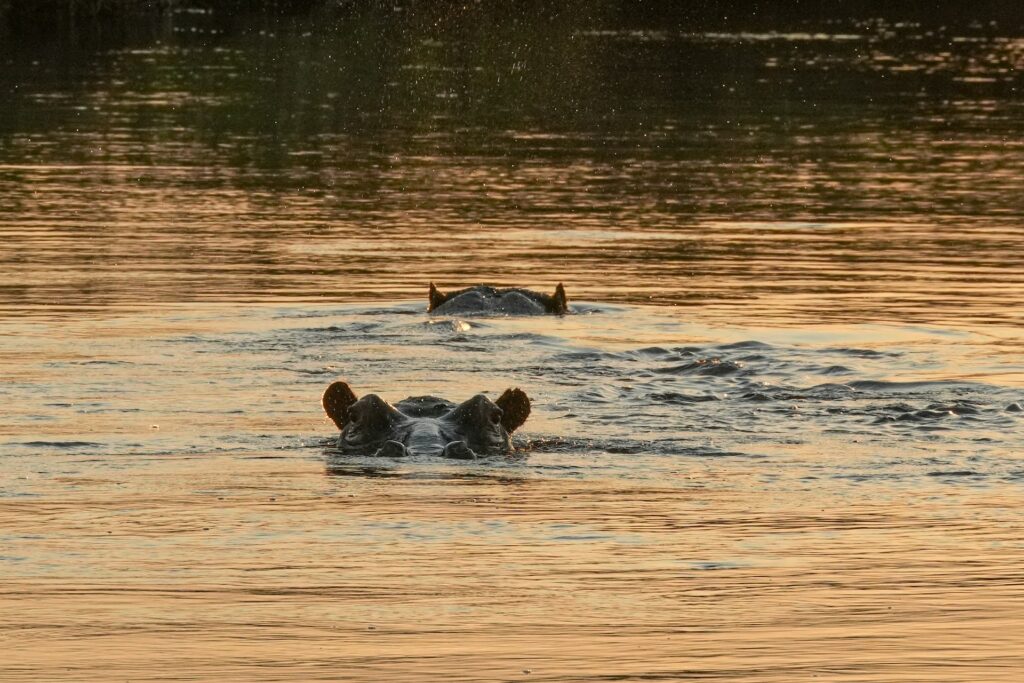
If you’ve already been on a game drive, you might be used to the idea of sitting up high. When you are on a mokoro, you’ll be sitting just above the waterline, which will bring you eye level with lily pads, dragonflies, and perhaps even the curious eyes of a hippo.
- That said, hippos are taken seriously
Polers are trained to read the water and give hippos and crocodiles a wide berth, which is why you should never sign up for a mokoro safari with just any operator. Only go with the one your tour company is working with or one recommended by your lodge.
- It suits most people
A mokoro safari asks very little of the body compared with a walking safari, which makes it a gentle option for travellers who want an intimate wildlife encounter without exertion.
- Pack light and pack dry
Space is limited to a poler and one or two guests, and the ride can get wet. Make sure that your camera is in a splash-proof bag and your jewellery is left at camp.
Moderne Alternativen zu traditionellen Mokoros
Most mekoro used for safaris these days are made of fibreglass rather than wood, and there is a good reason for it.
A carved wooden mokoro has a lifespan that lasts only three to five years before rot sets in, which means that sustaining the tourism trade on wood alone would place unnecessary pressure on the delta’s slow-growing hardwoods.
Fibreglass mekoro have the same shape, low profile, and silence, while lasting for years and leaving the sausage trees and jackalberries standing.
These days, some camps even have glass-bottomed mekoro, which let guests watch African pike and nembwe moving through the channels beneath them.
That said, there are still a handful of camps that keep one or two wooden mekoro for demonstrations or for shorter outings on special occasions. If you’d like to see the real thing, it doesn’t hurt to ask.
Whichever hull you end up in, the skill of guiding such a boat has not changed at all.
There are only a few experiences that let you do something the same way it was done a hundred years ago.
A mokoro is one of them.
Mokoro is the Setswana word for a dugout canoe. The plural, mekoro, is the form you will hear most often once you are on the ground in Botswana.
With an experienced local poler, yes. Guides are trained to read the water and steer well clear of hippos and crocodiles, which is why a skilled poler matters more than the canoe underneath you.
The delta is at its fullest between June and October, once floodwater from Angola arrives, though many camps run mokoro trips whenever water levels allow.
Most excursions run for around an hour and are often combined with a game drive or a walking safari at the same camp.
Both exist. Most safari camps now use fibreglass to protect the delta’s hardwood trees, though a few keep a wooden mokoro for heritage demonstrations.