10 Places to Visit During Africa’s OFF SEASON
Highlights from the Blog
- Off season travel in Africa means different things in different regions.
- The Serengeti is beautiful from January to March, when wildebeest calving draws predators to the short-grass plains.
- Botswana’s Okavango Delta and Zambia’s South Luangwa become lush, bird-rich and wonderfully peaceful during the emerald season.
- Cape Town’s winter works well with whale watching in Hermanus and fireside lunches in the Winelands, while the Kruger and Sabi Sands are otherworldly during November and December.
- Zanzibar, Victoria Falls, Rwanda, Namibia and Mauritius each have slow seasons that suit luxury travellers wanting privacy and a more considered trip.
See Africa Differently
The end of the busy season is the start of Africa’s most extraordinary experiences.
Driving through the Kruger, on my way to Sabi Sands, in the middle of December was an experience to say the least.
The park was quiet but hot and humid, and by mid-morning, I had to stop at Skukuza (I took the long road, the scenic route, because it had been a while since I was in the bush and I was hoping to see a lion) for an ice cream.
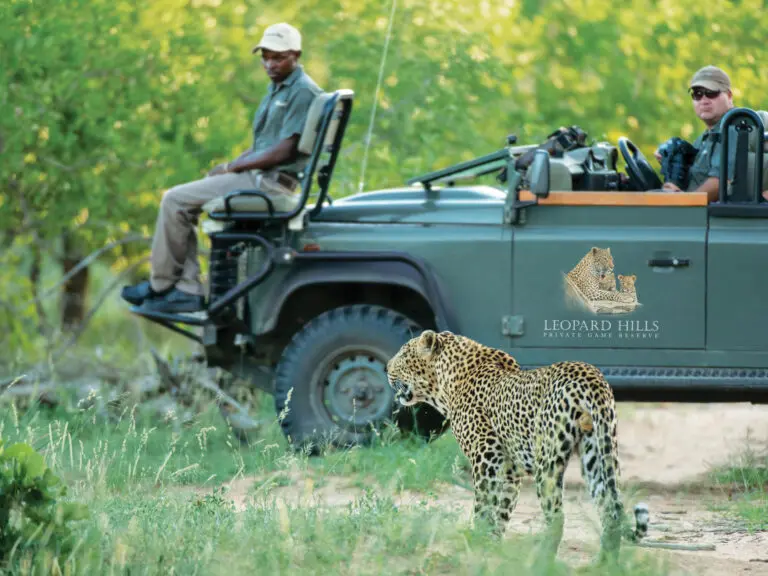
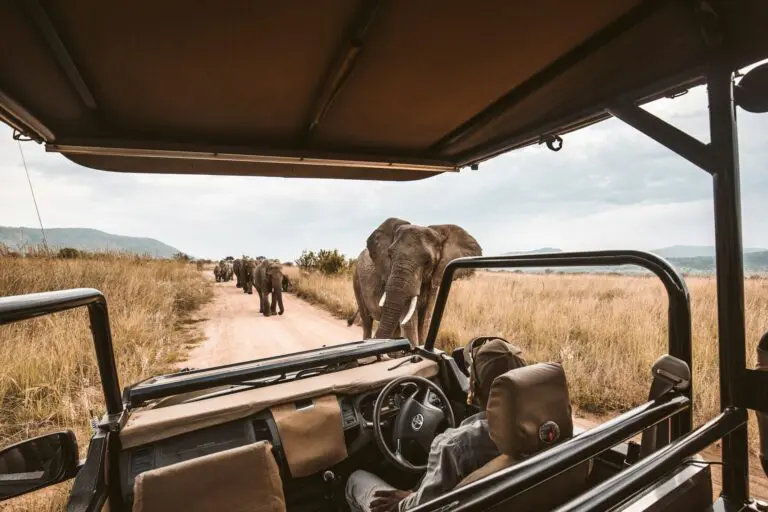
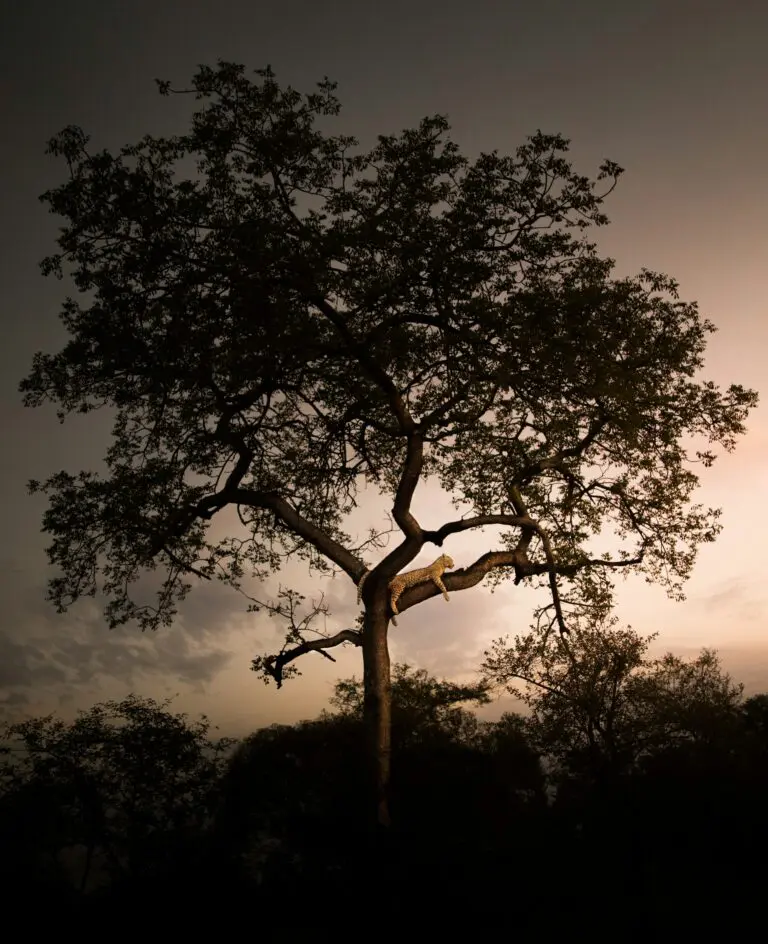
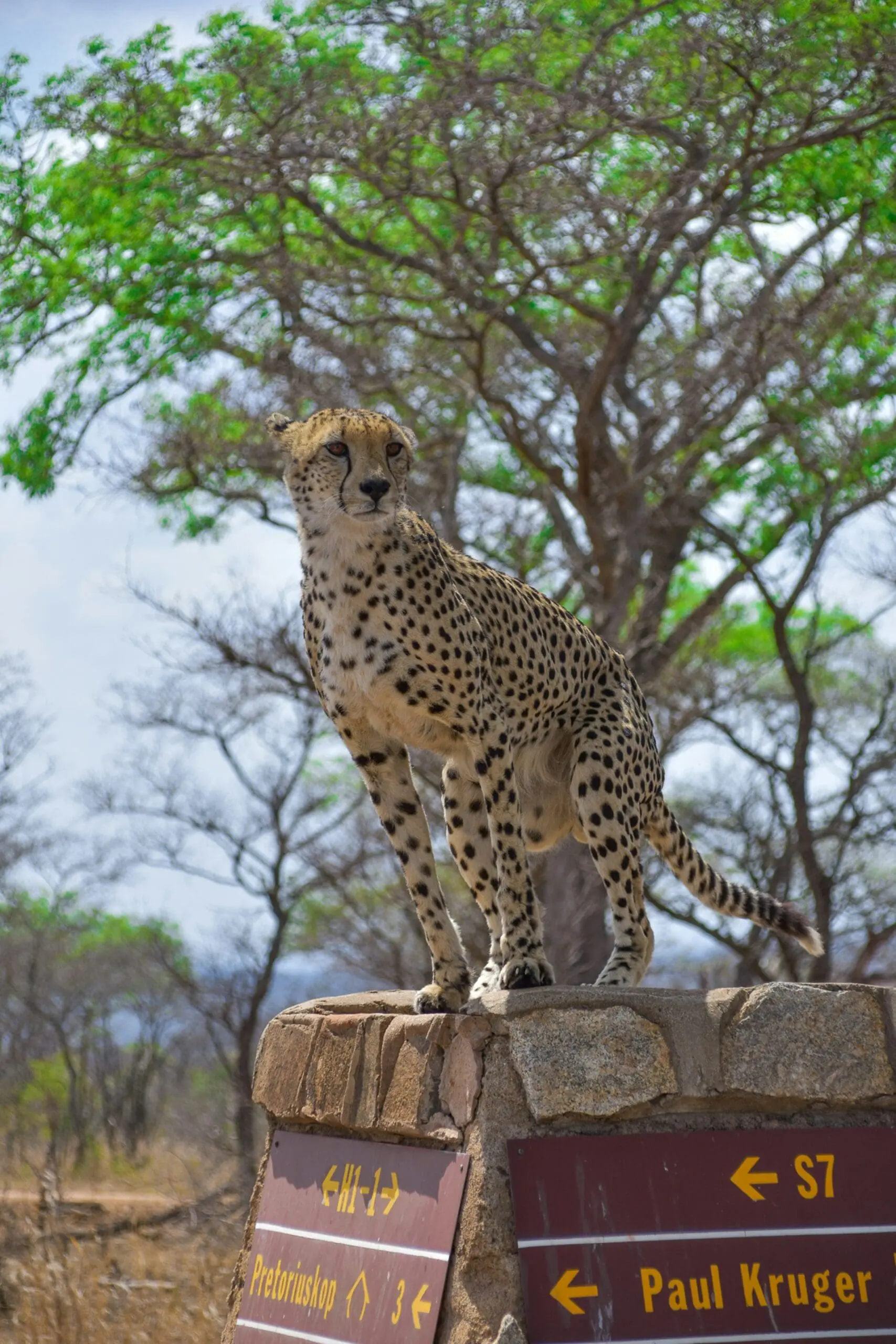
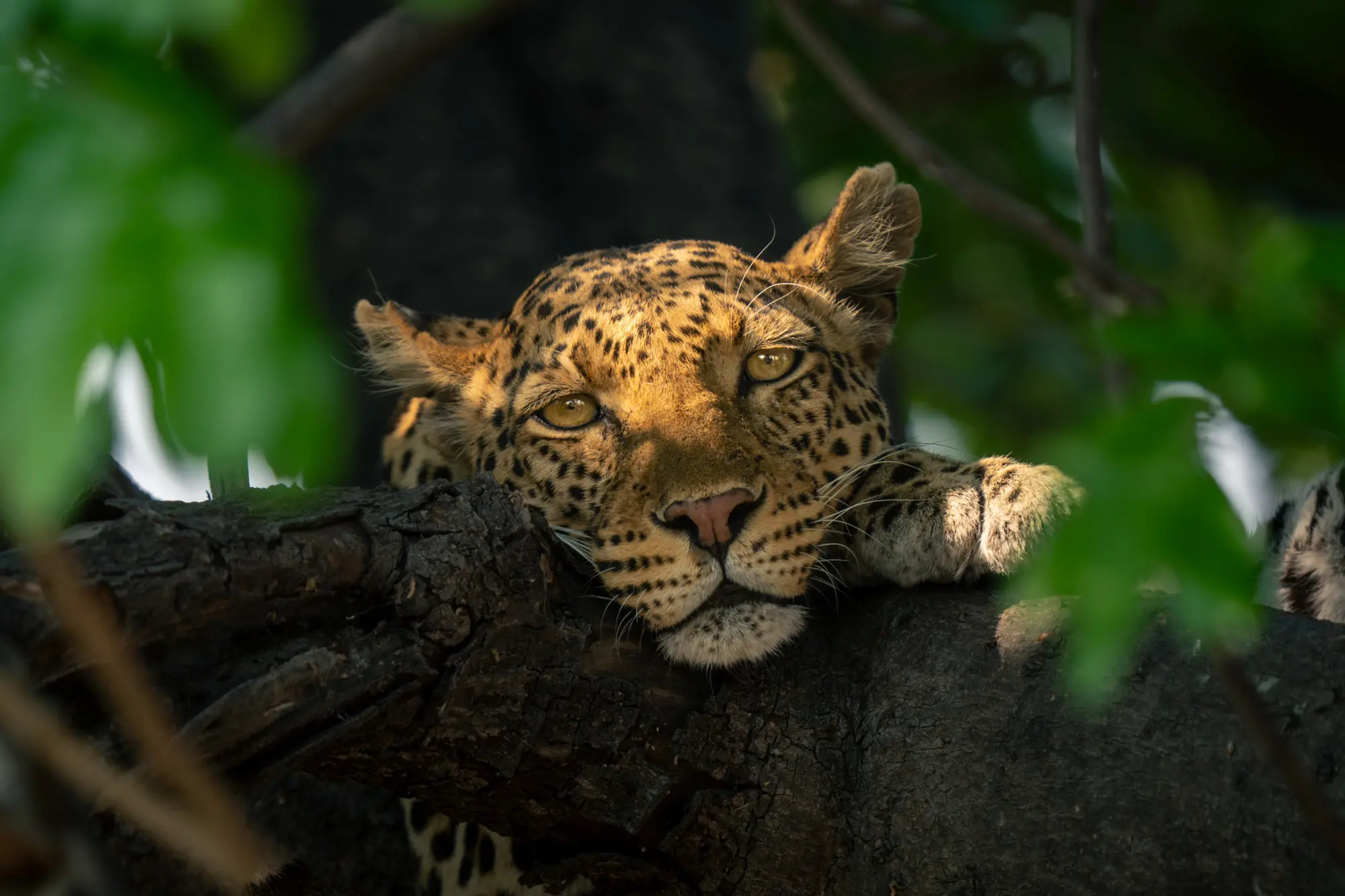
This part of the world is off-season, and yet, while in the park, I saw 4 of the Big 5, including a leopard panting under a tree, and a python headed for the coolness of a nearby rocky outcrop.
What I didn’t have much of was other cars on the road.
The off season is a severely underrated time to visit Africa. Marketed as a bit of a pauper season, the off-peak months are generally, and in my opinion unfairly, looked at, when in reality that can give you one of the most luxurious, exclusive getaways.
In this modern era of safari travel, there’s technically no longer a “best” time to travel.
Every season will give you a magnificent time, and in this guide, we’re going to break down the 10 places you’ll want to visit during Africa’s off season.
What Is the Off Season and When Is It in Africa?
Africa does not have one off season.
It has many, because the continent moves to several different weather systems at once.
In East Africa, the long rains generally arrive from late March and continue through May.
On Zanzibar, April is typically the wettest month, with average rainfall of around 409 mm, while May begins to ease before the drier Kusi winds arrive.
In Southern Africa, the safari low season is during the wet summer months, from late November to March, when afternoon storms turn the bush luminous and green.
The word “off season” can be misleading because it certainly does not mean less.
It just means different.
You’ll see newborn antelope in the Serengeti rather than the thundering groups of wildebeest, migratory birds in the Delta rather than the flood, dramatic clouds over the plains instead of clear open skies, and lodges where you can linger over breakfast and staff who can tell you where a leopard was seen near the river the night before.
For luxury travellers, the off season is when you will have the most private and secluded holiday. The camps are so much quieter with barely another guest in sight, the guides are able to give you more personal attention, and the sightings you’ll have will feel as though they are just for you.
Our 10 Offseason Africa Travel Favourites
Serengeti, Tanzania for Calving Season and Endless Green Plains
From January to March, the southern Serengeti and Ndutu region becomes one of Africa’s great wildlife theatres.
Hundreds of thousands of wildebeest gather to give birth on the short-grass plains, and predators follow closely behind.
The off season comes around twice a year here: April and May, when the rainfall is intense, and November and early December, when the rainfall is not as intense but enough to keep other guests away.
The rains bring fresh grazing, which attracts herds with newborn calves, and the season also has extraordinary photographic light.
The trade-off is occasional rain, so we advise you to choose a tour with flexible scheduling and a strong guiding team.
Okavango Delta, Botswana for the Emerald Season
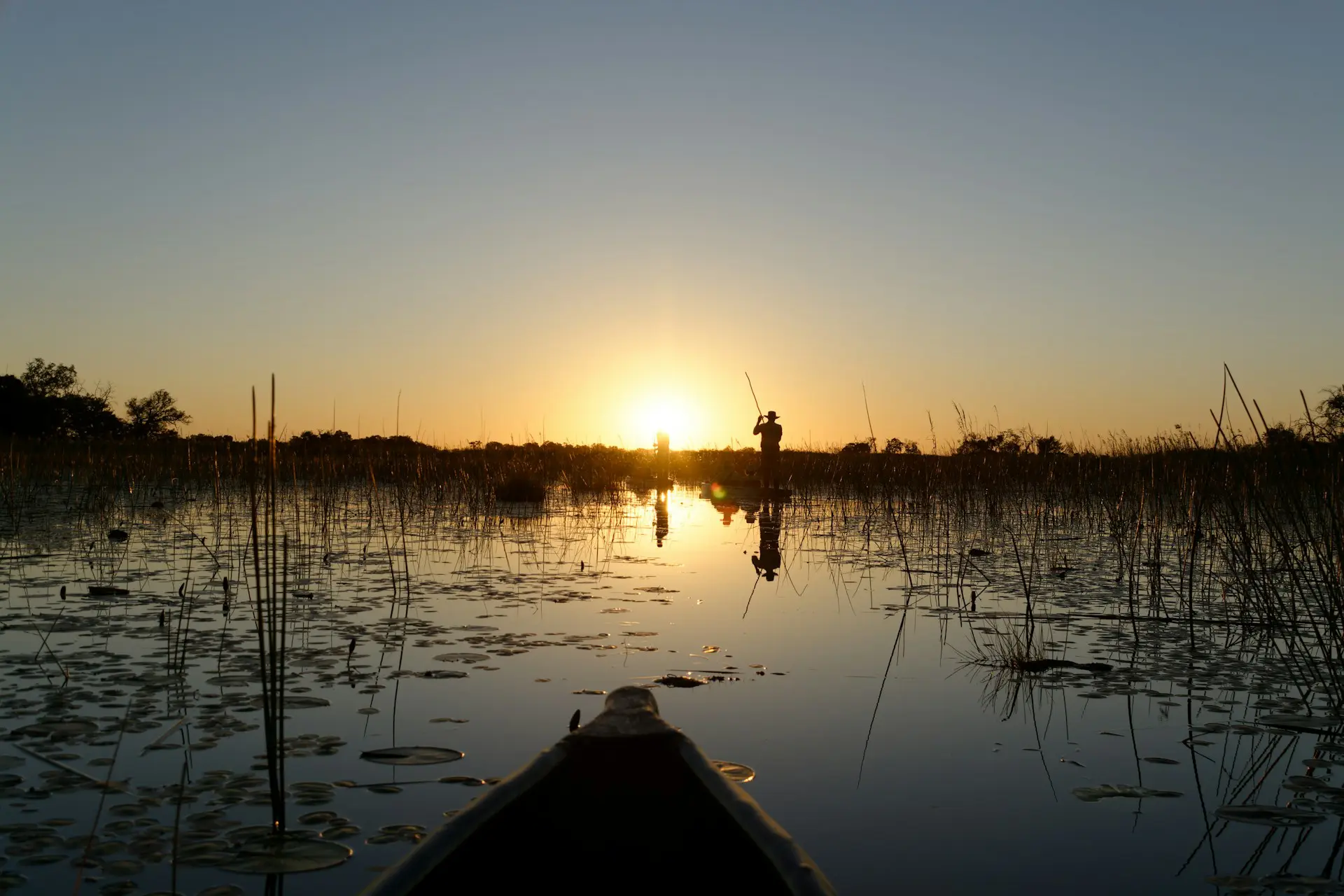
Botswana’s green season, roughly November to March, turns the Okavango Delta into a watercolour painting.
Mornings may begin under a bruised-purple sky, followed by spectacular golden light after the rain clears and the smell of the wet earth rises from the floodplain.
Although the rains are falling fairly regularly, the weather remains humid and warm. It’s hard to explain what that kind of climate can do for the soul. It’s almost as though the heat and humidity force you to relax, and travelling in December is particularly soothing if you are looking for the BEST place to celebrate Christmas with the family.
Wildlife viewing during the off season takes a little more patience, because the animals tend to scatter into the thicker vegetation.
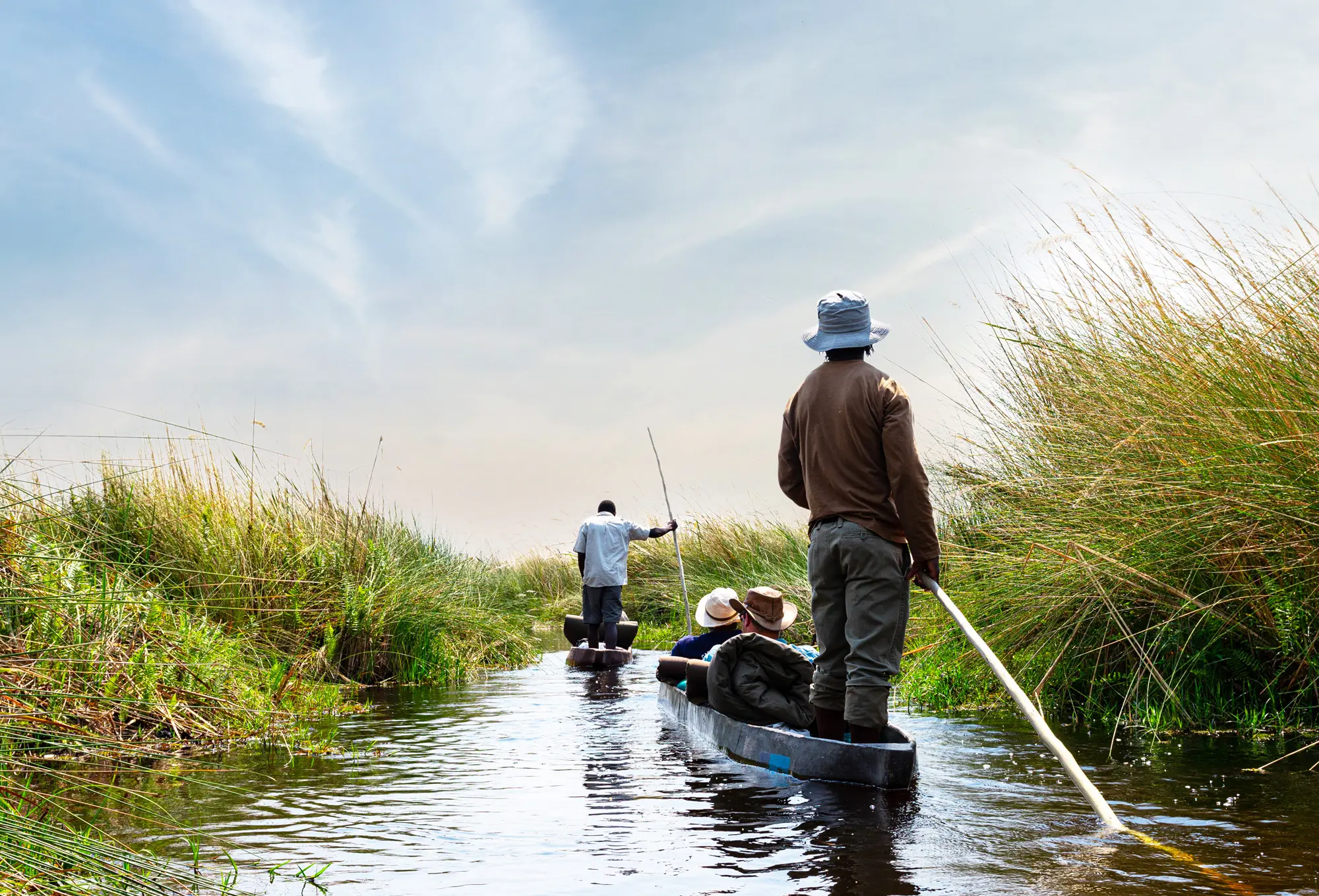
But you’ll have the Delta almost all to yourself, and the birdlife will be brilliant; newborn antelope can be spotted all over the place, and it’s a great time of the year to have both game drives and mokoro excursions.
Luxury travellers will especially love this time of the year, because you’ll be able to book at a small, owner-run camp and travel in private vehicles. There are plenty of tour operators who’ll be able to accommodate your travels at this time of the year.
The off season will give you the space to watch a herd of elephant’s drink, undisturbed, while a storm builds on the far side of the channel.
The Kruger and Sabi Sands, South Africa for the Summer
The Kruger and its private neighbour, Sabi Sands Reserve, share an off season, from about November to March/April.
After the first summer rains, which can arrive as early as September or as late as December, the bush becomes green, dense and fragrant, almost overnight; the rivers run more strongly, and the landscape has a painterly quality, especially at sunset when the skies can be washed in pastel colours.
Like the Okavango Delta, you need to be patient when on a game drive during the off season.
Animals can disappear into the thicker vegetation, but newborn impala, zebra and giraffe can be seen across the reserve, while migratory birds arrive in colour and number.
Afternoon storms are my favourite thing about this season, because they build suddenly and dramatically, then clear just as quickly to leave a clean, luminous evening light.
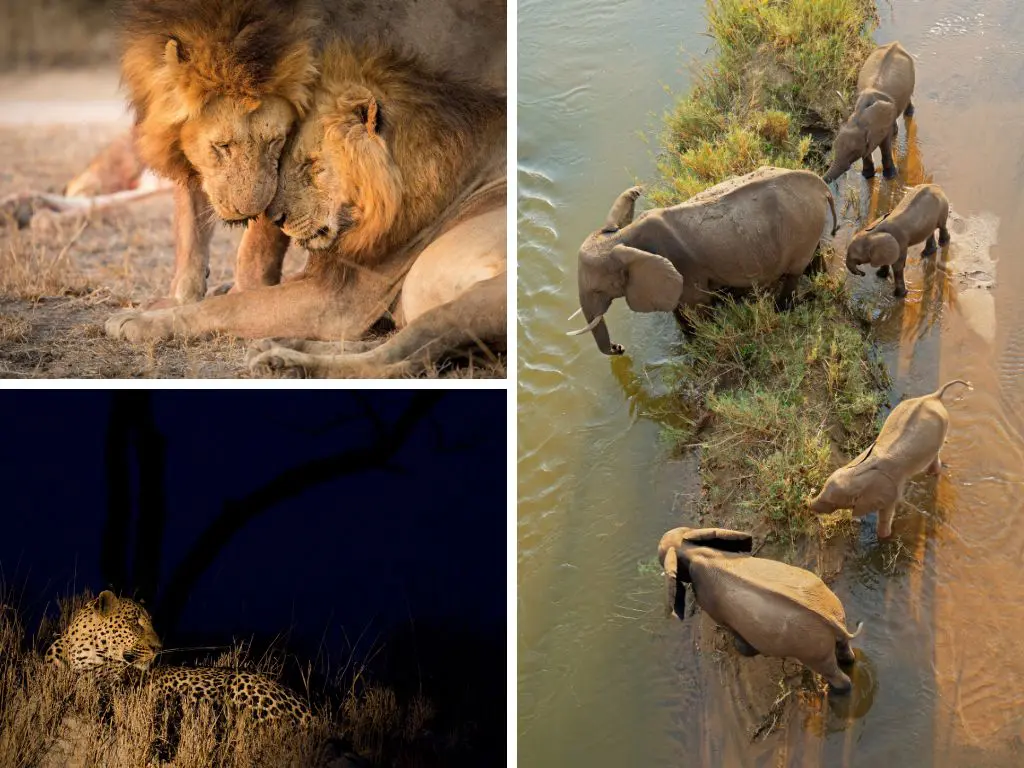
When I was in Sabi Sands on that December afternoon, a storm had passed just before sundown. I took a walk around the lodge soon after, and the smell of wet earth and crushed grass, and the sound of a herd of elephants munching nearby marula trees, have become one of my favourite memories of my time there.
And with barely another guest on the property, I felt like something of a rockstar, having such a luxury place almost all to myself.
South Luangwa, Zambia for a Walking Safari
Zambia’s South Luangwa is one of Africa’s great walking-safari destinations, and its green season will give you a totally unique experience if you’ve already done the dry season and now want to see the park in a completely different light.
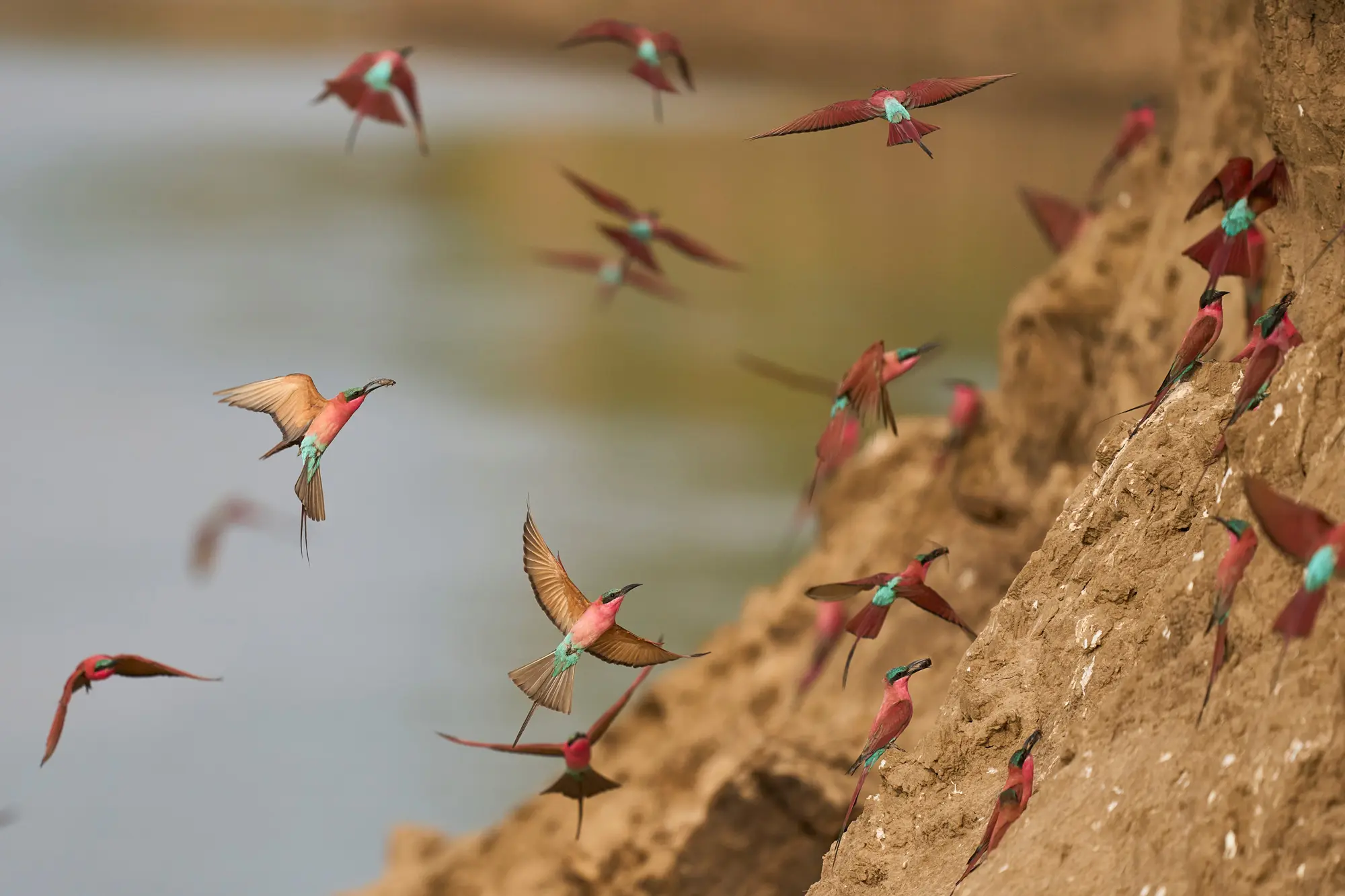
During this off season, the Luangwa River swells, the ebony groves take on a deeper colour, and the park becomes a haven for birds, butterflies and newborn animals.
Some lodges close during the heaviest rains, so you need to be on top of your timing.
Ideally, you should book your trip during the shoulder period, when the conditions are warm and green, but the camps are still fully operational and walking safaris remain possible with experienced guides.
This is a destination for travellers who have already done the classic Big 5 circuit and now want something more intimate. A good walking guide does not simply show you animals. He teaches you to read dung, tracks, alarm calls and the sudden silence that means something is moving nearby.
Victoria Falls, Zimbabwe and Zambia, for when the Smoke That Thunders Roars
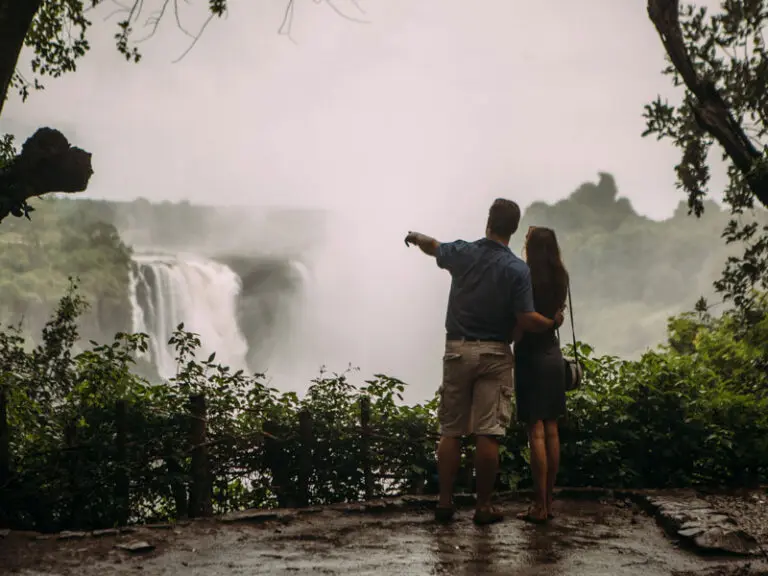
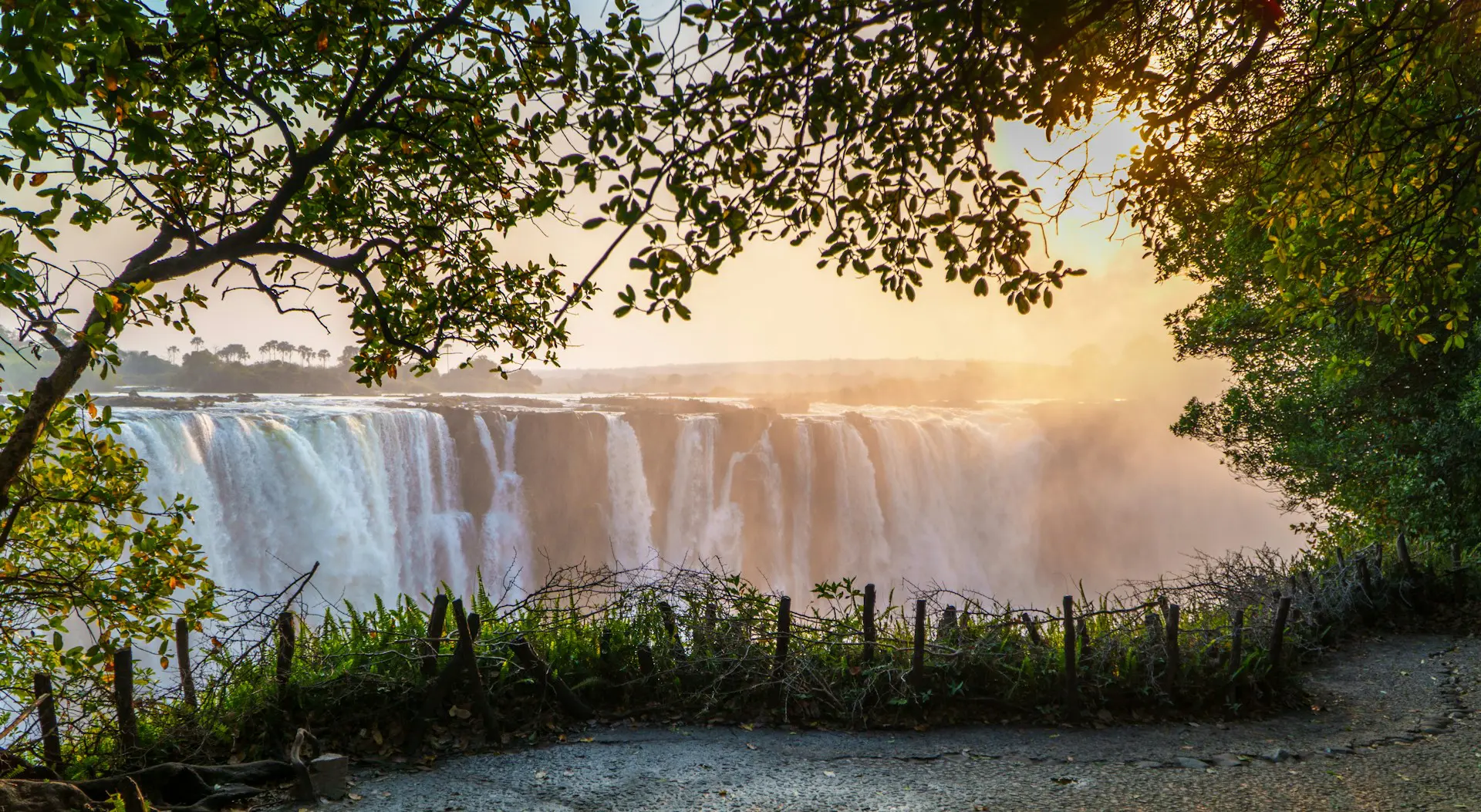
The Victoria Falls is at its most powerful from about February to May, after the region’s rains, when the Zambezi thunders over the basalt cliff in a wall of spray.
The local name, Mosi-oa-Tunya, means “the smoke that thunders”, and in high water it is entirely apt.
The falls are at their fullest when the surrounding bush is green, which makes this a beautiful time to combine Zimbabwe or Zambia with a safari. The spray can be heavy, so bring a waterproof layer and protect cameras, but the spectacle is unforgettable.
For a softer experience, visit in the shoulder months when water levels remain impressive, but the mist is less overwhelming. A sunset cruise above the falls, with elephants coming down to drink, makes a graceful end to the day.
Cape Town and the Winelands, South Africa for Whales, Firesides and Winter Light
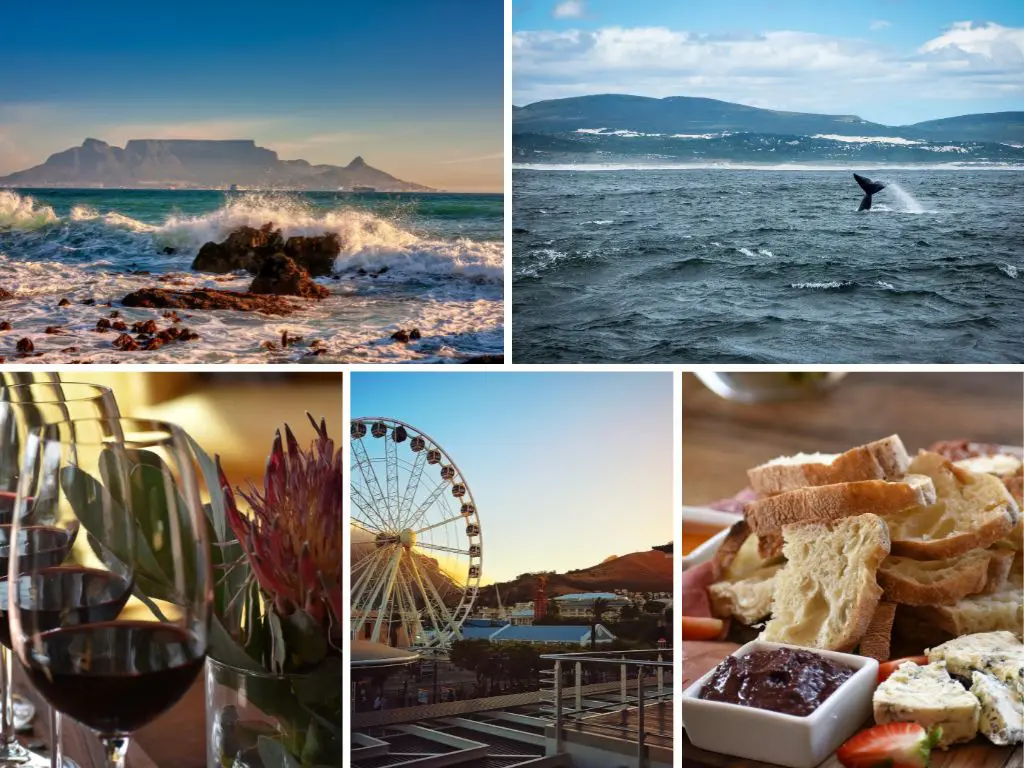
Cape Town’s winter, from June to August, is cold and wet, but it brings one of the city’s great seasonal pleasures: southern right whales along the Western Cape coast.
They begin arriving around June and remain until about November, with the best sightings usually happening from August to October.
Hermanus, roughly two hours from Cape Town, is one of the world’s best places to watch whales from land. From the cliff path, you may see a mother and calf resting in Walker Bay, their slow exhalations carrying across the water.
Winter is also the season for long lunches beside a fire in Stellenbosch or Franschhoek, Cape Malay curries in the city, and a walk around the numerous galleries and museums without the summer crowds.
The off season will give you Cape Town at its most intimate.
Zanzibar, Tanzania for the Short Rains and Spice Island Days
Zanzibar’s off season needs to be planned with very careful timing.
November and early December can bring short, passing showers between sunny spells, while the long rains from late March to May are heavier and less reliable if you are planning a beach stay.
For a luxury escape, you’ll want to go with a lodge that stays fully operational through November, so you should confirm spa, restaurant and transfer schedules, and build in a flexible day or two for weather.
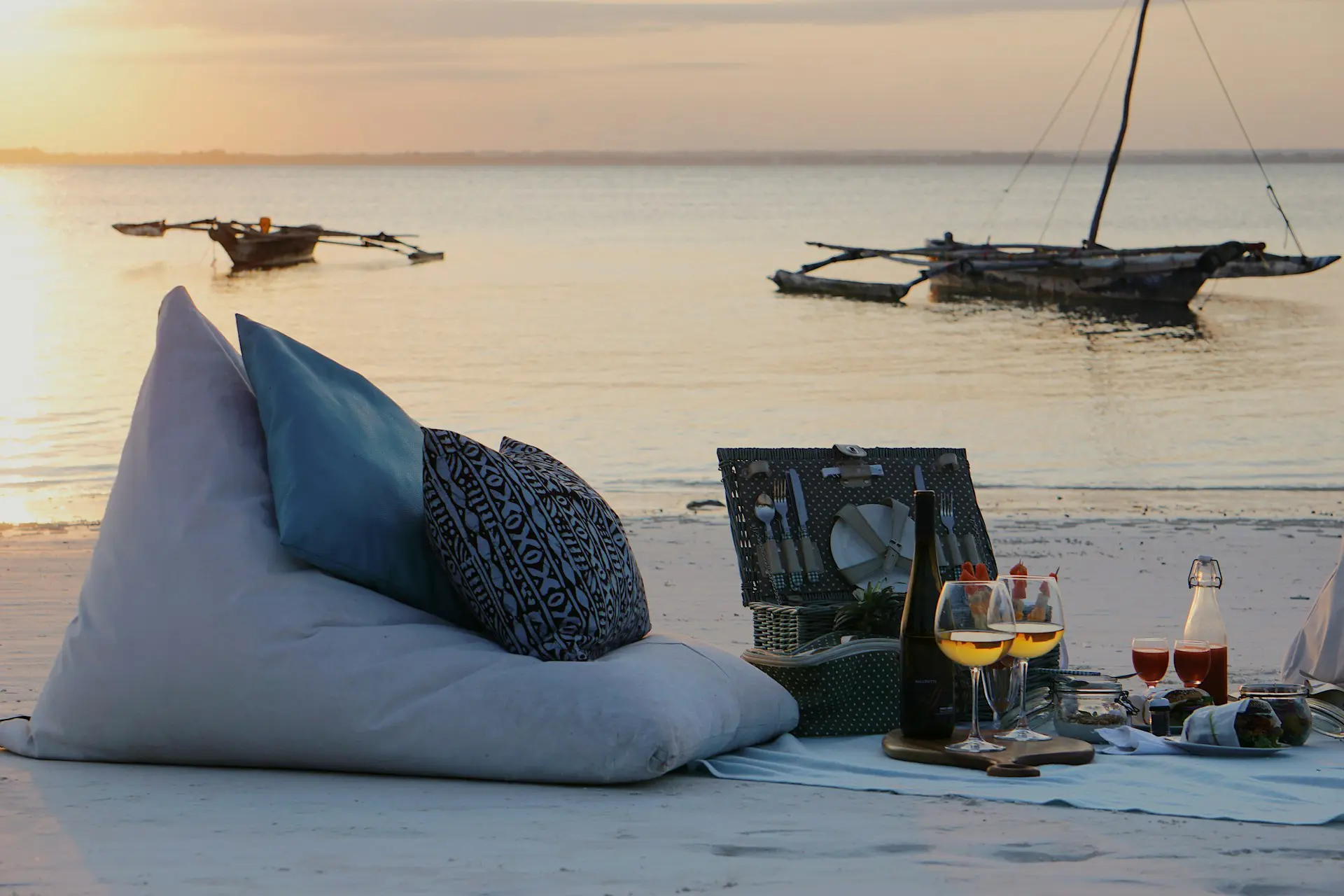
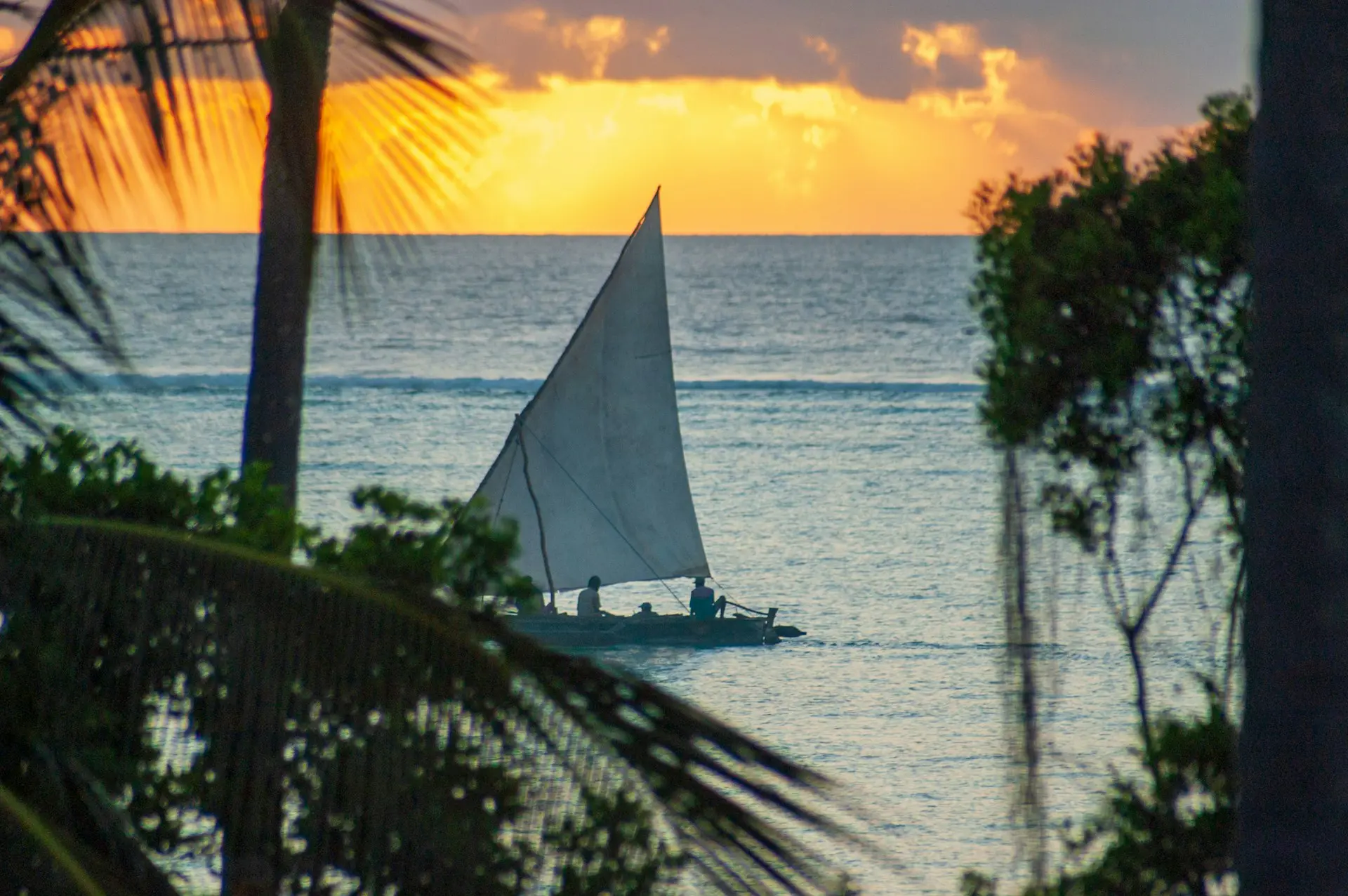
For a luxury beach stay, November is the more appealing low-season window. The island is greener, the beaches are calmer, and rates are often lower, while Stone Town’s carved doors, spice markets and rooftop restaurants remain wonderful in any weather.
I would pair Zanzibar with a Serengeti safari in the green season, then finish with a few slow days by the Indian Ocean.
After early mornings tracking wildlife, nothing beats an indulgent late breakfast, a swim in warm water and having nowhere to be until dinner.
Volcanoes National Park, Rwanda for Gorillas in the Mist
Rwanda’s gorilla trekking season runs year-round, but the wetter months give Volcanoes National Park the most ethereal atmosphere.
When the mist settles over the bamboo forests, the trails become soft underfoot, and the mountain air smells of damp earth and wild celery.
Trekking conditions can be a little more tedious, but with a private guide, porters and well-planned logistics, your trip should run perfectly, and in return, you’ll get to have a more contemplative experience in one of Africa’s most moving conservation stories. This is a place that survives because people chose to protect it.
You can spend a good hour watching a family of silverbacks rest after feeding, while the youngsters tumble through the vines.
Sossusvlei and the Namib, Namibia: Desert Silence Without the Crowds
Namibia’s low season varies by region, but the quieter months do something quite extraordinary to Sossusvlei and the NamibRand. The dunes change colour by the hour. At dawn they can look a cool grey, but by late afternoon, they turn the colour of burnt orange. It’s a paradise for any landscape photographer looking for an unusual subject.
And the desert is never empty.
If you look closely, you will spot oryx moving like a silhouette across the gravel plains, ostriches hiding in the shade of a camelthorn, and the delicate tracks of beetles stitched across the sand.
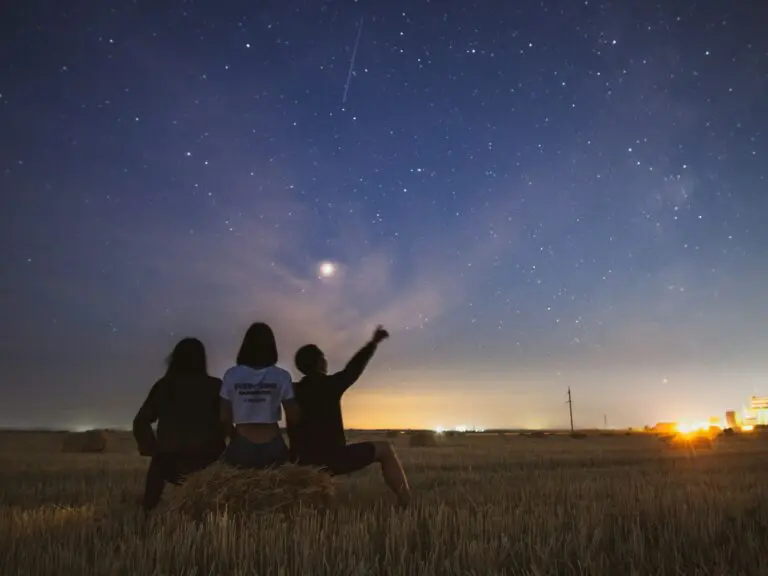
During the off season, nothing beats falling asleep in a secluded desert lodge, going on a sunrise balloon flight over the dunes and ending each day with dinner beneath a sky so clear that the Milky Way seems close enough to touch.
Mauritius for the warm Indian Ocean
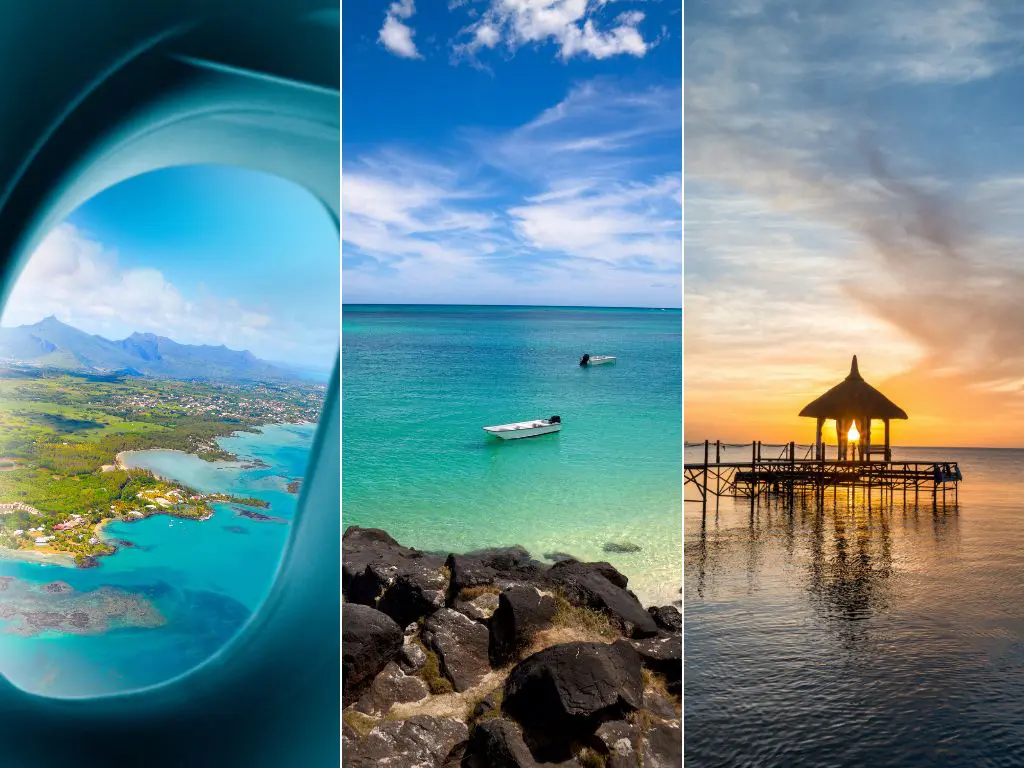
Mauritius is often thought of as a winter-sun escape, but its shoulder season can be a beautiful time to visit if you are the sort of traveller who yearns for a more relaxed break, with fewer people about.
The island’s cooler, windier months bring excellent conditions for sailing, hiking in the Black River Gorges and exploring the interior’s tea routes and colonial estates.
The sea remains inviting, the resorts are calmer, and the island’s Creole, Indian, French and Chinese influences feel especially present in its food. A private catamaran day, a rum-tasting in a historic estate or a long lunch in a hillside village gives the island a depth beyond its shoreline.
For a multi-country trip, Mauritius pairs beautifully with South Africa, Kenya or Tanzania, giving your off season holiday in Africa the most memorable ending.
A Few Last Words of Advice From Us
All trips to Africa require careful planning, but travelling during the off season is best done with the help of professional African travel specialists.
We do all the legwork, making sure which camps remain open, confirming roads and flight access, and we can advise you on what to pack for the changing conditions.
We believe that the best travel is the type done with intention, which is why we choose lodges that employ locally, support conservation and work with surrounding communities.
The green season is a reminder that Africa is a living system, at its most alive when the rains arrive. And that makes it a brilliant time for a holiday.
Make the Off Season Your Travel Season
Experience Africa’s wild side, but without the crowds.