The Safari Renaissance: Travel Trends for 2027
2026 was a year for safaris, and 2027 looks to be the same, but with a few twists.
Despite global upsets and soaring fuel prices, Africa has seen a boom in tourism in 2026.
More travellers are shunning conventional destinations in favour of real-life experiences that they can look back fondly on for years to come.
In 2026, African safaris have moved firmly from being a niche, once-in-a-lifetime trip to a mainstream luxury treat.
This is also the year that we reinvented our website to give you a more thorough way to book your tours.
The new African Travel Concept website is packed full of helpful insider info, and it also has Chobi, our AI travel planning assistant, designed to help you find, plan and book your trip with us.
As incredible as 2026 has been for Africa travel, the trends forecast for 2027 get us just as excited!
We can’t wait to see what the new year brings and, in the meantime, between our exploration visits to create new tours to new destinations and our continuous development to bring you the best of Africa, these are some of the trends we’ve been reading about and seeing on the horizon.
What Does Interest in African Travel Currently Look Like?
Interest in safari travel is broad, aspirational and increasingly driven by younger travellers who want bucket-list, Instagram-worthy trips.
In Squaremouth’s 2026 survey, 52% of travellers said they were interested in taking a safari, making it the second most popular bucket-list trip after luxury island holidays. (Psst, we do both kinds of tours)
The interest is not limited to a small group of seasoned luxury travellers.
More than half of travellers aged 18–34 (54.23%) and 35–54 (52.37%) who have never been on safari say they daydream about going, compared to 31.45% of travellers aged 55 and over.
Safari demand is also enduring.
Squaremouth’s booking data showed safari bookings up 10% year on year in 2026, even amid rising costs, global uncertainty and health-related advisories in parts of Africa.
For safari companies, the audience is growing outside of the traditional high-net-worth travellers to include younger professionals, multigenerational families and milestone celebrants who see safari as a defining life experience.
Where Are People Going on Safari in Africa?
Southern and East Africa are the conventional safari destinations, and they remain popular.
South Africa leads in accessibility and value, Tanzania and Kenya remain the classic big-game heartlands, while Botswana, Rwanda, Uganda, Namibia, Zambia and Zimbabwe are increasingly attracting travellers who are looking for more specialised wilderness experiences, like mokoro boat safaris, treks with gorillas, desert tours, walking safaris and trips to see the magnificent Victoria Falls.
Squaremouth’s first-half 2026 booking data placed South Africa first, accounting for 36.5% of safari travellers, followed by Tanzania at 21.4% and Kenya at 20.9%. Botswana followed with 6.8%, then Uganda, Rwanda, Namibia, Zimbabwe and Zambia.
Overall, the data they shared looks like this:
| Country | Share of safari travellers | What it is known for |
| South Africa | 36.5% | Big Five reserves, Kruger, Cape Town combinations, strong value |
| Tanzania | 21.4% | Serengeti, Great Migration, Ngorongoro, remote southern parks |
| Kenya | 20.9% | Masai Mara, conservancies, community-led tourism, beach pairings |
| Botswana | 6.8% | Okavango Delta, low-impact luxury, water-based safaris |
| Uganda | 3.4% | Gorilla trekking, primates, adventure-led itineraries |
| Rwanda | 3.1% | Mountain gorillas, Volcanoes National Park, conservation-led luxury |
| Namibia | 2.8% | Desert-adapted wildlife, Skeleton Coast, self-drive and fly-in journeys |
| Zimbabwe | 2.7% | Victoria Falls, Hwange, walking and green-season safaris |
| Zambia | 2.3% | South Luangwa, walking safaris, uncrowded wilderness |
Which Safari Countries Are Most Popular?
South Africa’s popularity remains undefeated.
Its popularity has a lot to do with the country’s world-class private reserves, established infrastructure, easy and abundant flight connections and the ability to combine a trip to the Kruger with a couple of days spent enjoying Cape Town, the Winelands or having a beach stay in neighbouring Mozambique.
The Kruger remains a flagship safari destination in Africa, thanks to its exceptional large-mammal diversity and its easy access to luxury private concessions like Sabi Sands.
Tanzania and Kenya continue to anchor East African safari travel.
Kenya, Tanzania and South Africa are also among the strongest performers in 2027 booking growth, with Kuoni reporting a 42% year-on-year rise in African bookings and with Kenya, Tanzania and South Africa leading the markets.
What’s really interesting is that Rwanda is emerging as one of the continent’s most compelling premium destinations.
Travellers are keen on gorilla trekking, with interest rising sharply, helped by renewed global attention following David Attenborough’s centenary birthday and the release of A Gorilla Story: Told by David Attenborough in 2026.
Zimbabwe and Uganda are also gaining momentum.
One travel report
cited a 252% surge in Zimbabwe bookings and 143% growth for Uganda in 2027, suggesting that travellers are becoming more open to destinations outside of the best-known safari circuits.
What Do Travellers Want to Do & See in Africa?
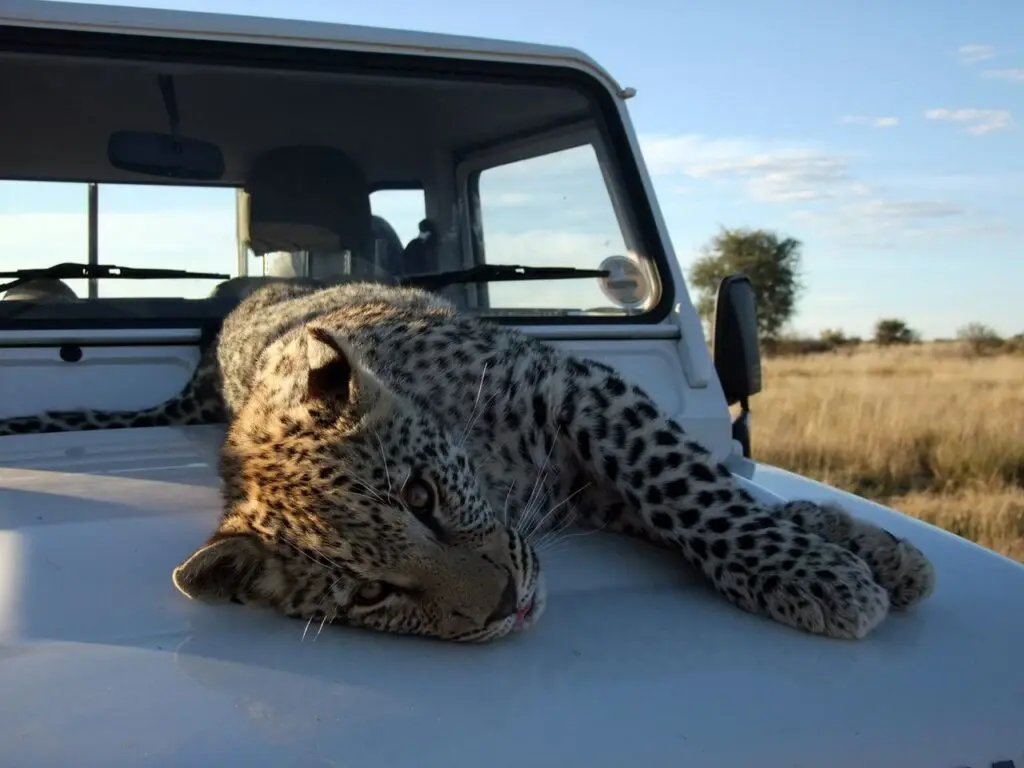
The traditional game drive will always be a quintessential part of travelling to Africa. It is iconic, and its popularity is not going anywhere, but it is no longer enough on its own.
Travellers increasingly want to understand the ecosystems they visit, meet the people who protect them and participate in experiences that are exclusive and personal.
Basically, and we totally get it because we are the same, travellers don’t necessarily want a cookie-cutter package that everybody else is having.
For a first-time trip, a packaged tour that focuses on the basics might be good enough, but for a second visit there is this need for something more than a dusty game drive.
In 2027, some of the more in-demand Africa travel experiences will likely include:
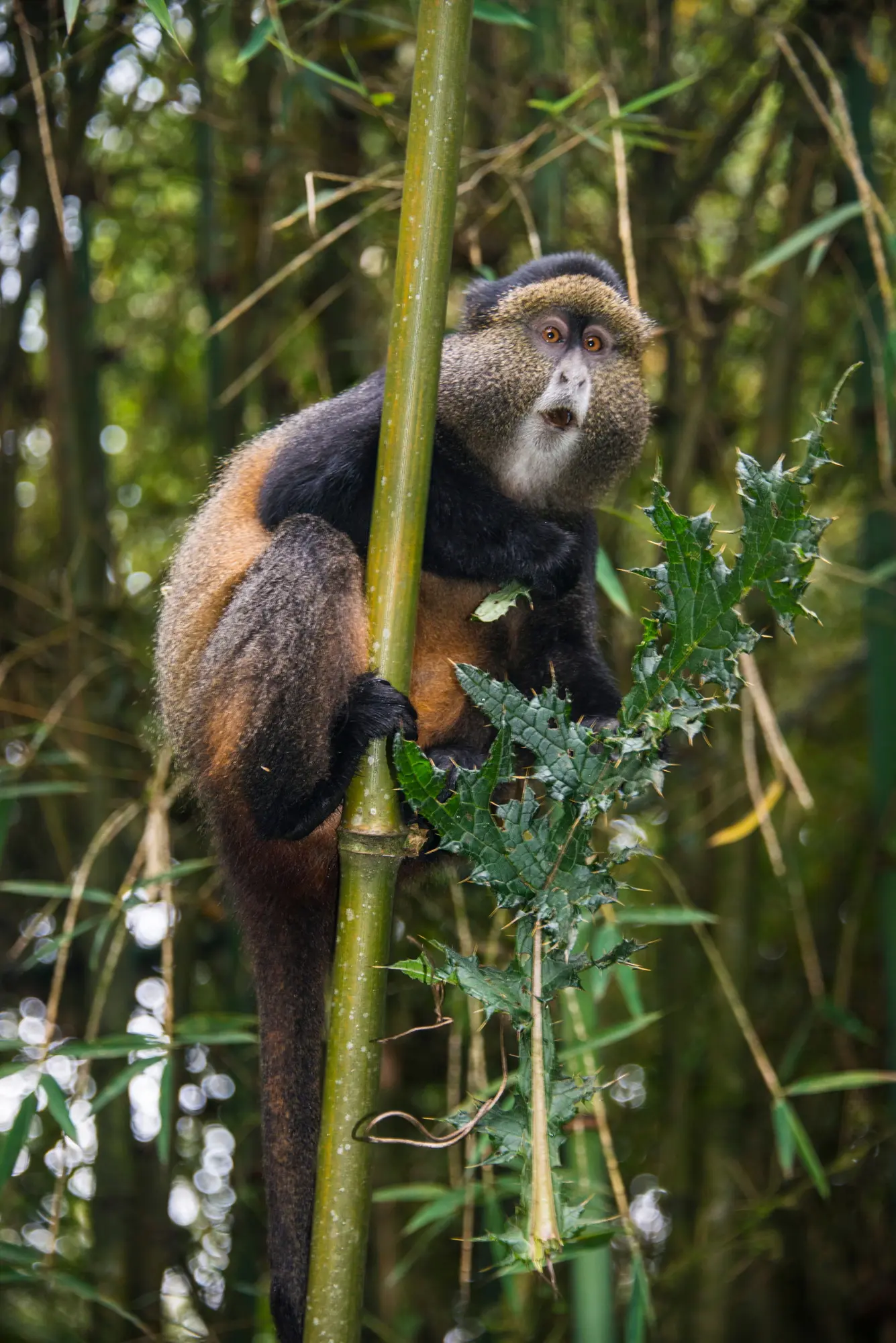
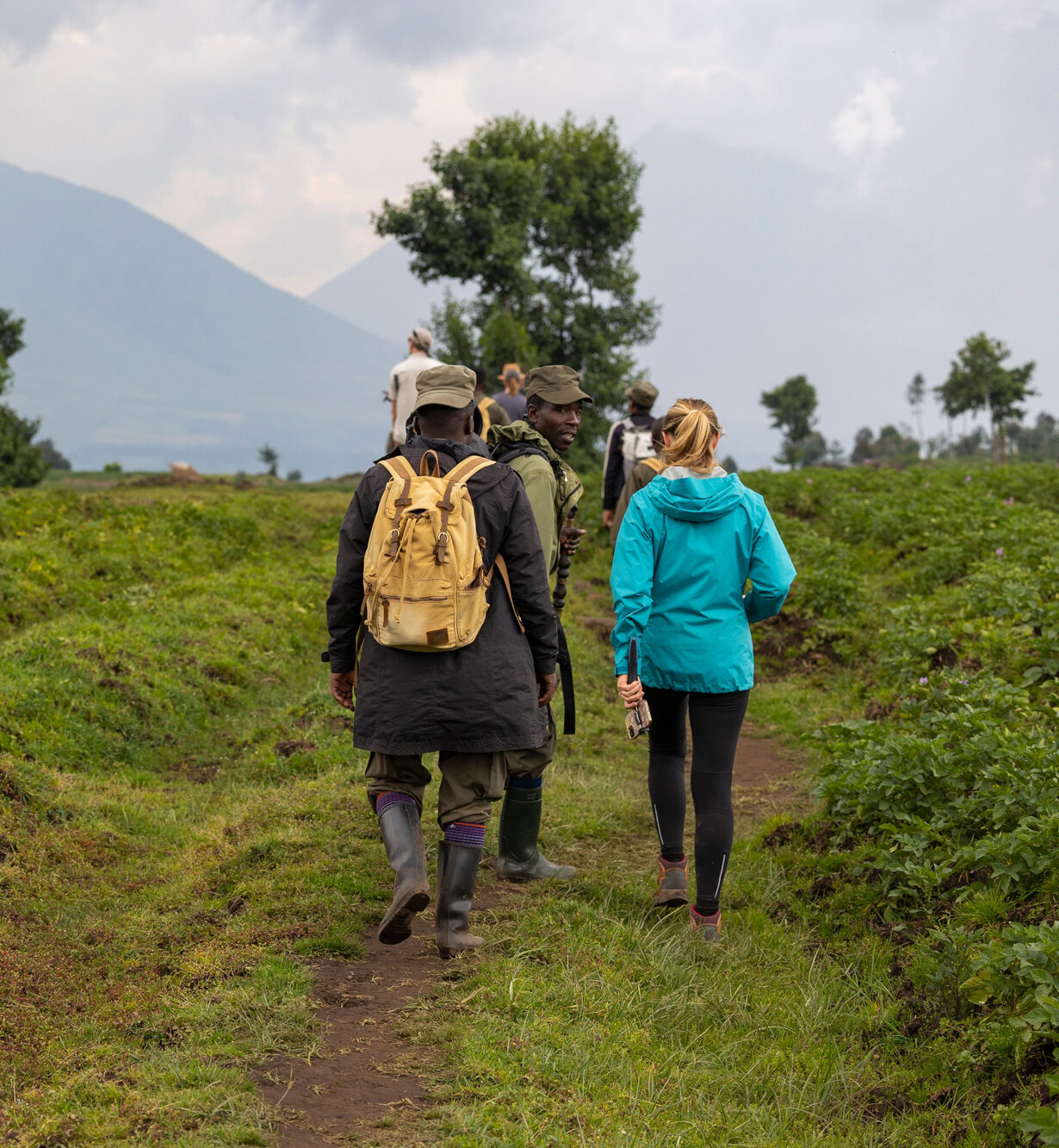
- Gorilla and chimpanzee trekking, particularly in Rwanda and Uganda, where intimate wildlife encounters are especially appealing because they can be emotional and will allow you to play a small role in the conservation of these exceptional species.
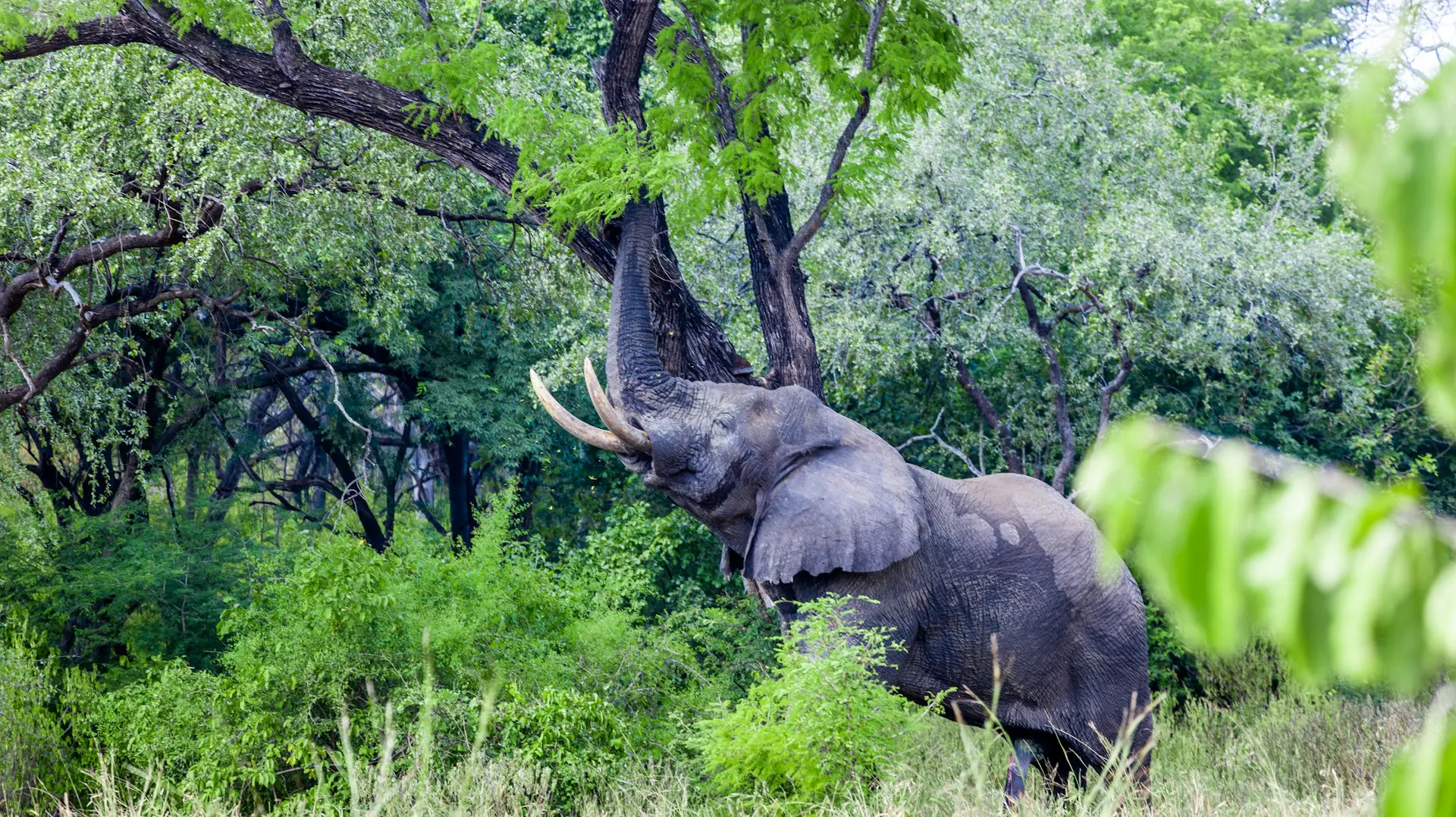
- Walking safaris, especially in Zambia’s South Luangwa, because travellers can experience the bush at ground level while learning how to trek spoor.
- The Great Migration, which continues to drive interest in Tanzania’s Serengeti and Kenya’s Masai Mara.
- Conservation experiences, including anti-poaching education, habitat restoration, wildlife monitoring and community-led conservancy visits.
- Cultural experiences, like Maasai and Samburu community partnerships, and San-guided experiences in Botswana’s Makgadikgadi Pans.
- Water and wilderness journeys, such as Chobe River safaris, Okavango mokoro excursions and Zanzibar beach extensions.
- Wellness in nature, including slow safaris, private yoga, restorative food, sleepouts and time in places where there’s no cell connection.
Luxury travellers are also asking more sophisticated questions. They don’t only want the answer to “What will I see?” but also “What does my trip support?”
They want evidence that their tourism revenue reaches conservation programmes, creates local employment, supports community enterprises and contributes to habitat protection.
Safari Trends Going Into 2027
Privacy is the new luxury
Exclusivity is fast becoming the defining marker of high-end safari travel.
Requests for exclusive-use camps, private vehicles, private villas and specialist guides have reportedly risen 70% year to date compared with 2025, particularly among multigenerational families and celebration travel.
Private aircraft, dedicated guides and flexible daily schedules will give you access to remote reserves, and you’ll still have comfort and autonomy.
In 2027, the ultimate indulgence will be staying at a 5-star lodge and having more control over the pace, privacy and experiences you have while on your safari.
Fewer stops, longer stays
In bygone years, multi-country holidays were all the rage. But they came with an exhausting downside; it all felt so rushed.
Modern travellers want longer stays, 3 or 4 nights in each location, fewer internal flights and transfers, and room for a little spontaneity.
Longer stays can help you create a bond with a place, and it allows for more an increase in local spending and a healthier environmental footprint.
Conservation becomes participatory
Sustainability was a trend a couple of years ago. These days, it has transformed into the regenerative travel genre.
Rather than simply choosing an “eco-friendly” lodge, travellers in 2027 want to contribute to rewilding, community conservancies, wildlife corridors and anti-poaching work.
And as local communities increasingly become active decision-makers rather than passive beneficiaries, tourism increasingly supports both wildlife recovery and local livelihoods.
Multi-country and safari-plus holidays will grow
Africa’s improving connectivity is making detailed itineraries more accessible.
Popular combinations include Cape Town and the Kruger, Masai Mara and Zanzibar, gorilla trekking in Rwanda with beach downtime, or Victoria Falls paired with a Big Five safari.
These “safari-plus” holidays are ideal for anyone who wants one extraordinary trip to give them wildlife, culture, coastline, wellness and adventure.
Value, timing and protection
With the average safari costing American travellers more than $25,000 in 2026, travellers are becoming more deliberate about when and how they book.
Squaremouth found that 8 of the 15 most expensive countries to visit in 2026 were safari destinations, with Botswana ranked as the most expensive.
Green-season and shoulder-season (off-peak) safaris are certainly becoming more attractive because they will give you better value, plus extra things like exclusivity (there are barely any crowds).
Early booking is also becoming more important for sought-after camps, popular wildlife activities like Migrations, and gorilla permits.
Finally, if you are travelling to Africa in 2027, we highly recommend you plan protection as carefully as you plan wildlife experiences.
Squaremouth found that 82% of safari bookings lacked Cancel for Any Reason or Interrupt for Any Reason coverage, despite the high cost and complexity of many safari itineraries.
2027 is the Year of the Discerning, Luxury Safari Traveller
We know that what you want in 2027 is more wildlife and more luxury.
You want space, privacy, expert guiding, authentic cultural interactions, and a trip that allows you to leave Africa better than you found it.
We’ve spent the better half of 30 years helping travellers just like you figure out where they want to go, when to travel, how to travel responsibly, and how to create a holiday that is both exceptionally luxurious and beneficial to the people and places that make them possible.