10 Wildlife Experiences That Will Change How You See Africa
When you’ve travelled on dozens of safaris, seen all of the Big 5, and signed up for most of the typical “safari must-do” bucket list recommendations, you might think that you’ve just about had the whole safari experience and that there is not one thing left to do in the bush.
You’d be wrong, though.
Africa is a smorgasbord of activities. With dozens of safari-focused countries, you can bet there’s still an excursion out there that is unique, one of a kind, outrageously inimitable to experience.
Africa has a way of pushing your boundaries, and if you think you’ve seen the best of it, we have 10 wildlife experiences that we promise will change how you see the Mother Continent.
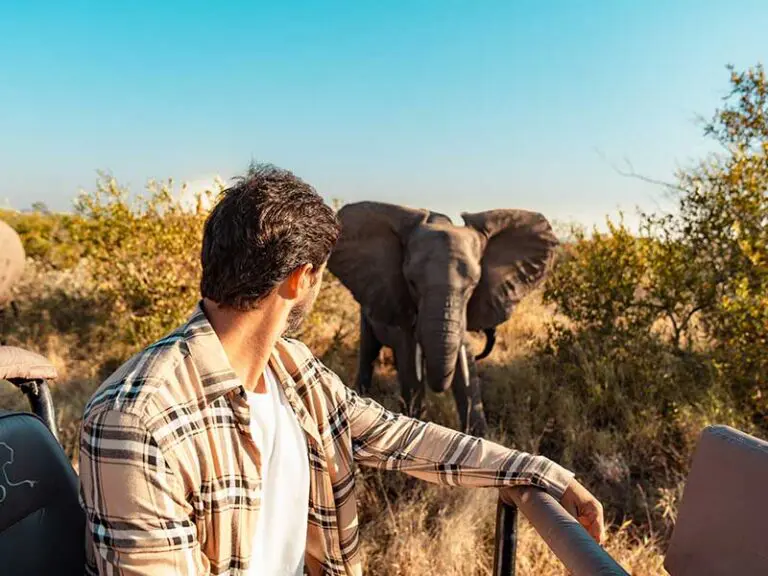
Come Face to Face With Wild Africa
You can read about it, or you can stand ten metres from it. We know which option we would choose…
Follow Desert-Adapted Elephants in Namibia
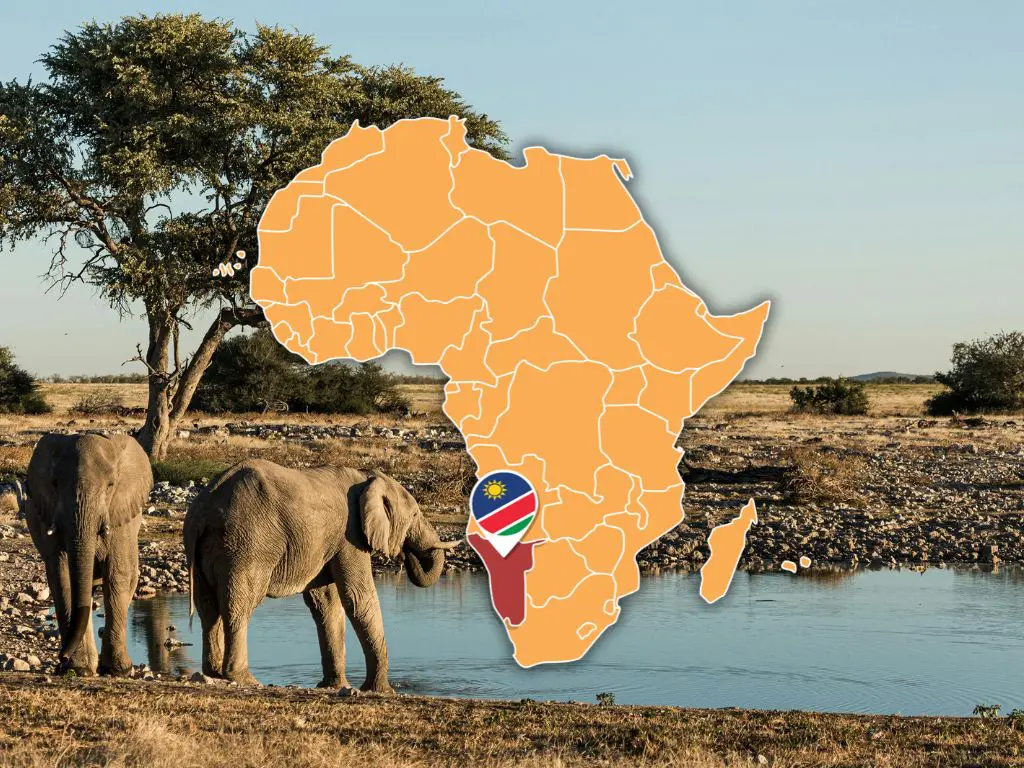
Life in the Namib is harsh. It’s hot, there’s barely a naked tree branch for shade, and some years, rainfall is a meagre 2mm, far from enough to sustain a plant, let alone an animal the size of a safari car.
But deep in Damaraland, along the dry riverbeds that wind between rocky hills, and where the air carries the faint scent of sage and sun-warmed stone, desert-adapted elephants have learned to survive.
And seeing them in the flesh is quite something.
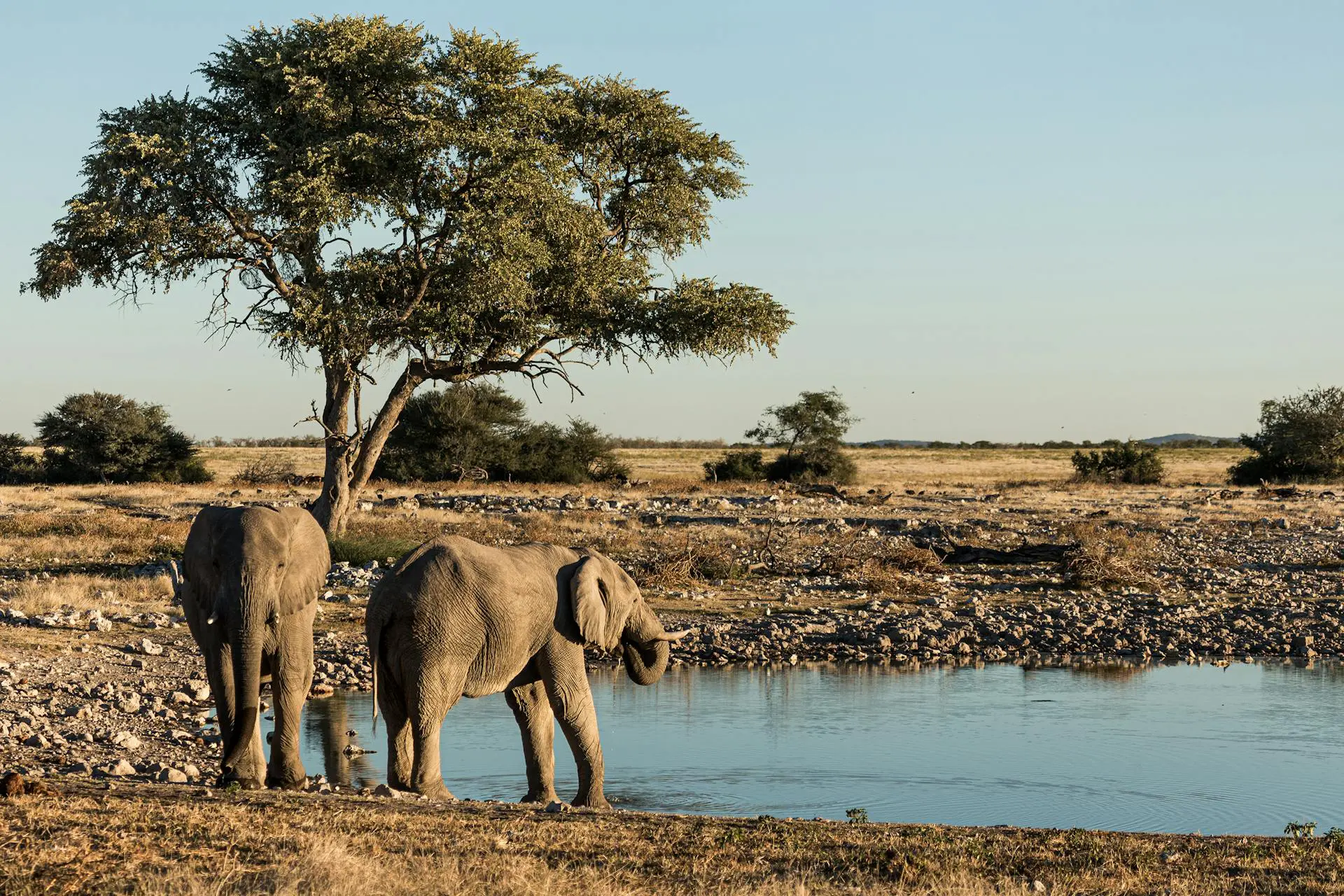
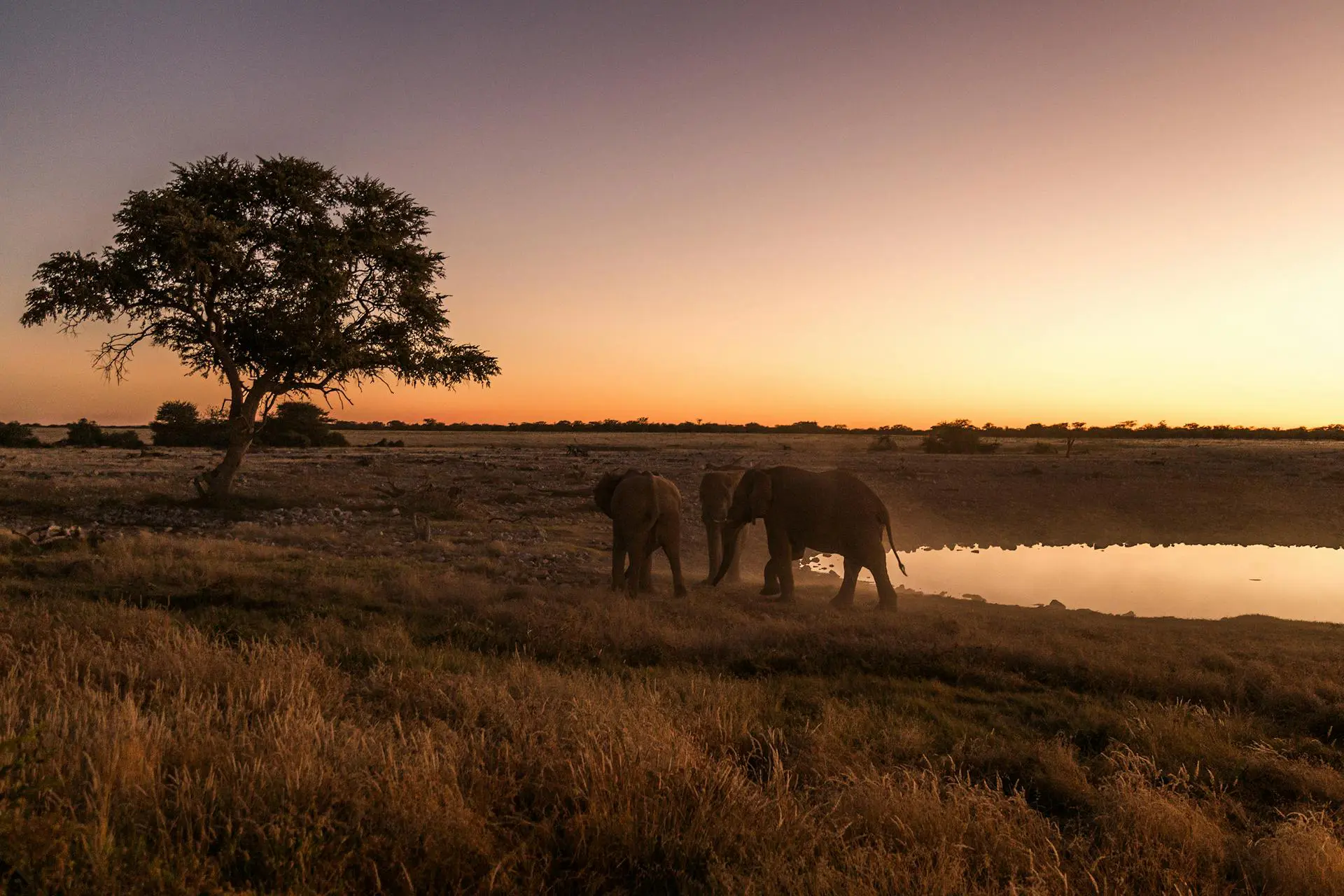
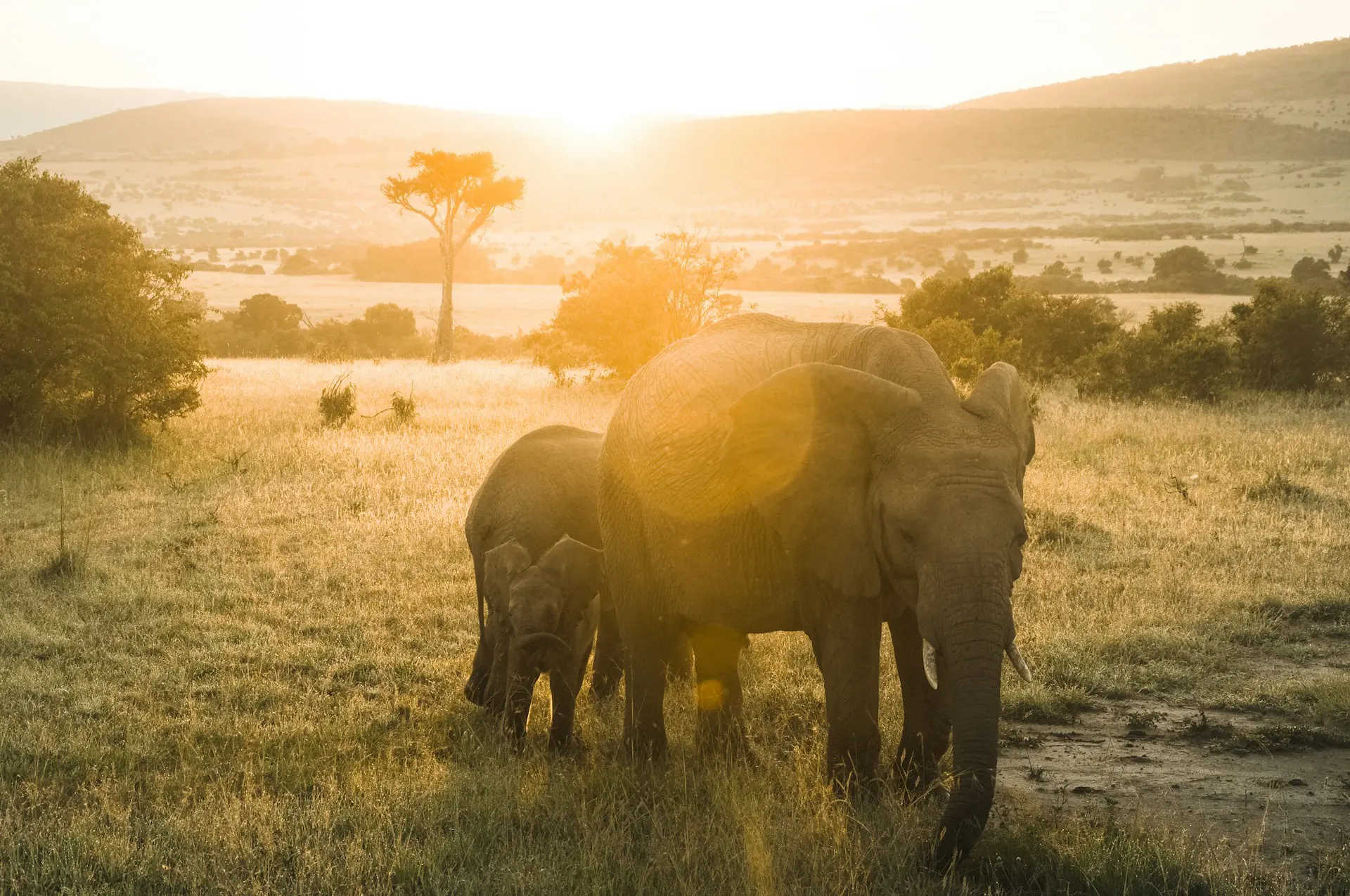
They are still African elephants (Loxodonta africana); they’re just different.
Desert elephants survive in the desert by relying on wisdom passed down through generations and through their uniquely adapted physique.
The best way to see them is in the company of an expert guide and tracker.
On a tour, you can follow their tracks across ancient riverbeds, pausing here and there to read the signs of their presence in the broken branches, fresh footprints, the distant clouds of dust that give away the movement of the herd.
There are no guarantees that you’ll cross paths with these incredible animals, but the possibility is worth the trip (and if you don’t see them, you’ll still get to explore the rest of Namibia, so you have nothing to lose!).
Advice from Our Travel Consultants
Damaraland is best combined with the Skeleton Coast or the remote north-west of Namibia.
You should stay at least 3 nights in the region because desert elephants move widely, and the more time your guide has to track them, the better your chances of seeing them
That said, there are no guarantees that you’ll cross paths with these incredible animals, but the possibility is worth the trip, and if you don’t see them, you’ll still get to explore the rest of Namibia, so you have nothing to lose.
Desert-adapted elephants are among the regional specials that many experienced guides consider more exciting than simply chasing the Big 5.
Walk into the Wild in Zambia
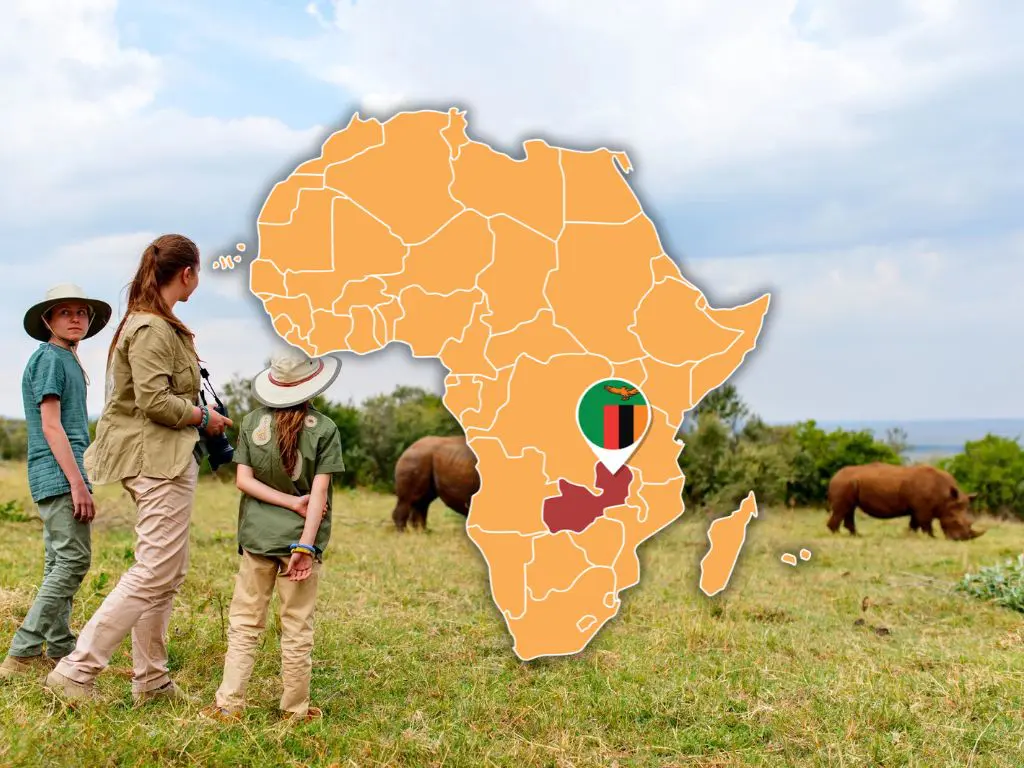
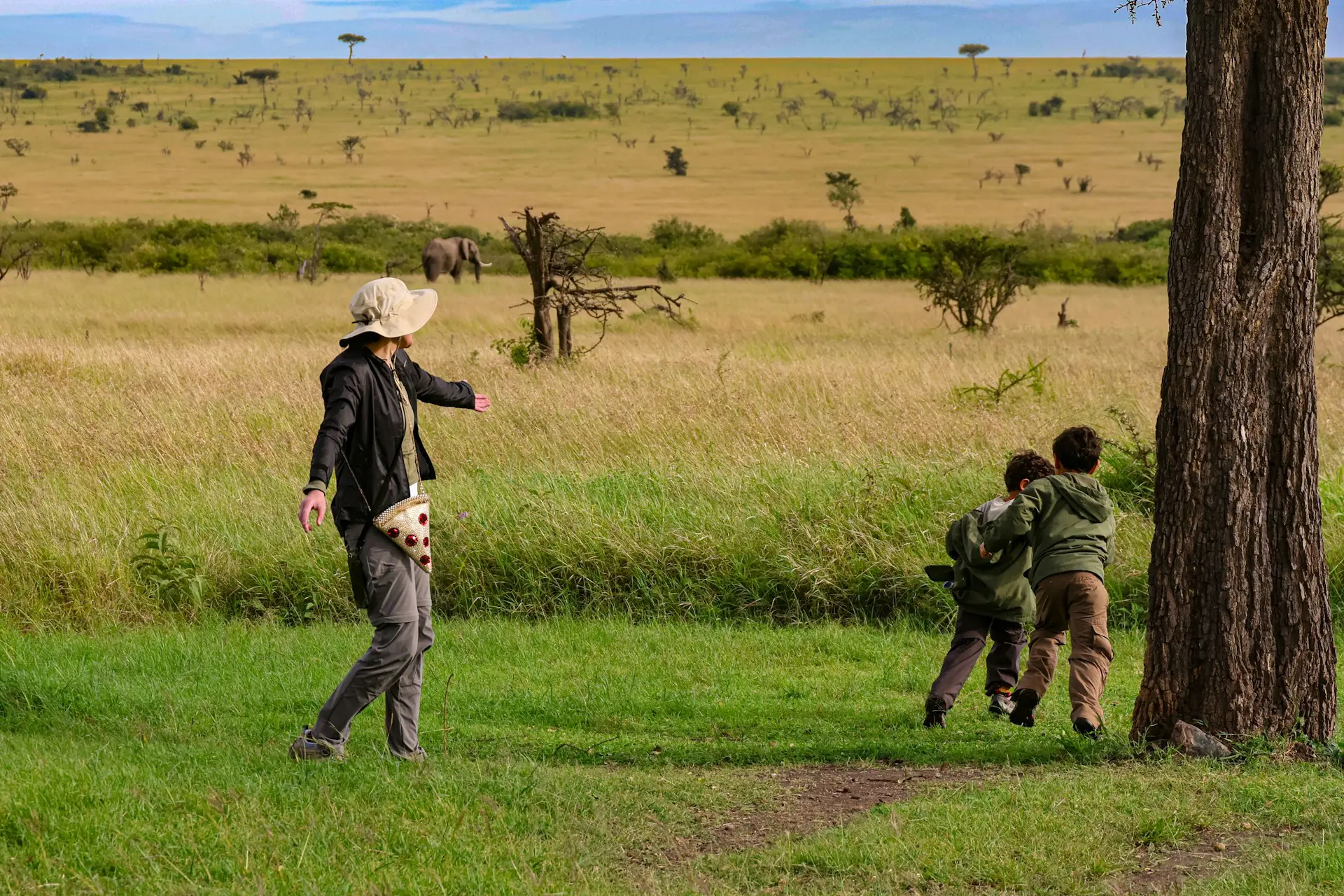
Seeing Africa slowly, on foot, is a highly sought-after experience, and the best place to go for a walk through the bush is in the country that pioneered the walking safari.
In South Luangwa or the Lower Zambezi, you leave the vehicle behind and, along with your armed guide, you’ll set out on foot, looking for the delicate tracks of a genet, listening to the alarm call of a troop of monkeys, smelling the scent of crushed grass, and looking for the reason why the bush has suddenly become so still that you can feel the anticipation in the atmosphere.
South Luangwa is one of the few places where walking is not an occasional add-on, but rather the central part of the safari experience.
Advice from Our Travel Consultants
Walking safaris are best in the dry season, generally from May to October, when trails are firmer, and wildlife is concentrated around permanent water.
Choose a camp with a strong walking reputation and ask whether walks are led by the same guide throughout your stay; continuity makes a significant difference to what you learn.
Drift through the Okavango Delta by Mokoro
At first light, the Okavango Delta is all reflection and stillness.
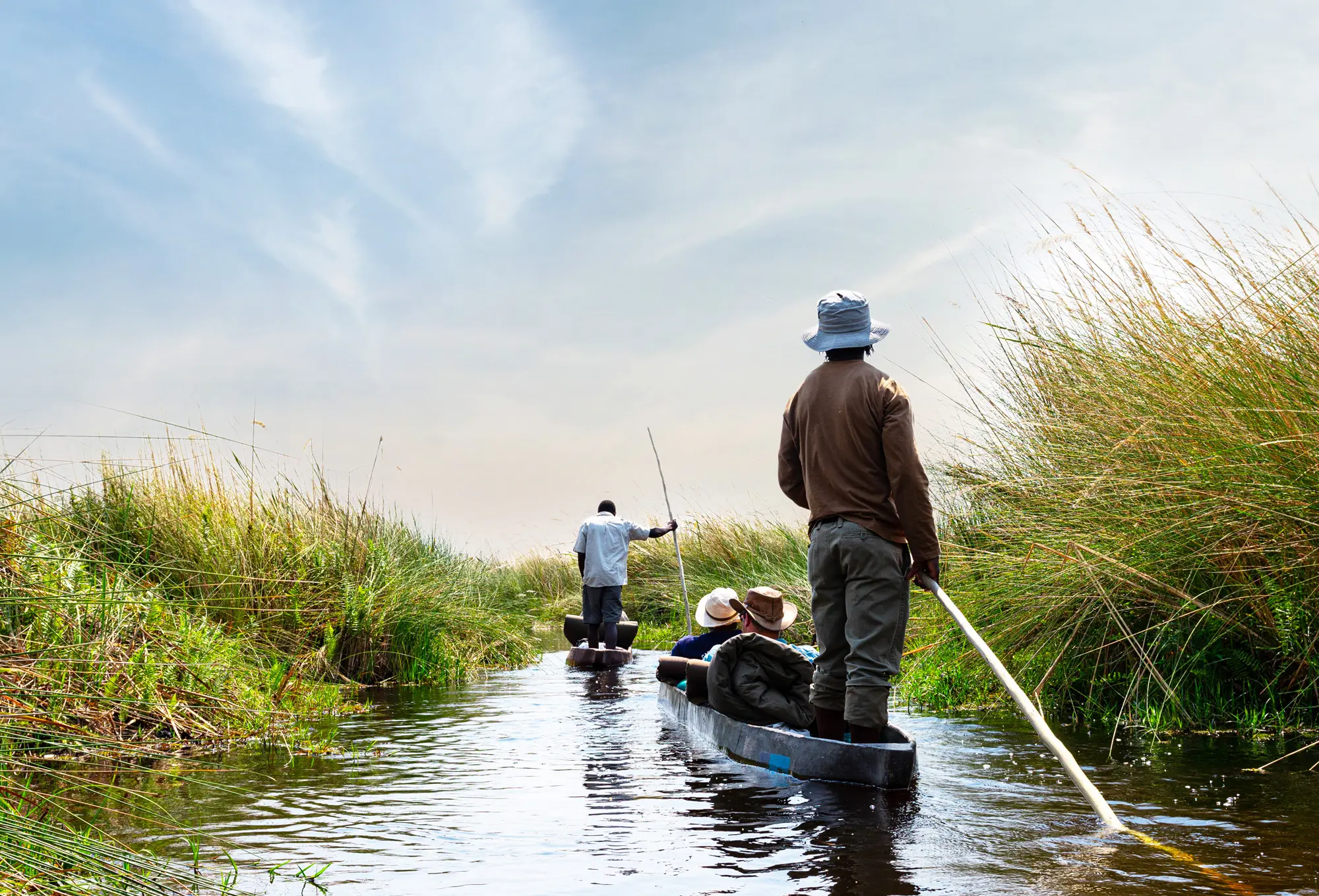
And after you’ve slowly sipped an energising cup of coffee, you’ll slip into a traditional mokoro and your poler, a local who has been drifting through these waterways since they could walk, will guide you through narrow channels lined with papyrus and water lilies.
There are no engine sounds to distract you or upset the stillness, and any sense of having to rush just melts away, leaving you with the sound of the soft dip of the pole in the water and the calls of birds shrouded by the reeds.
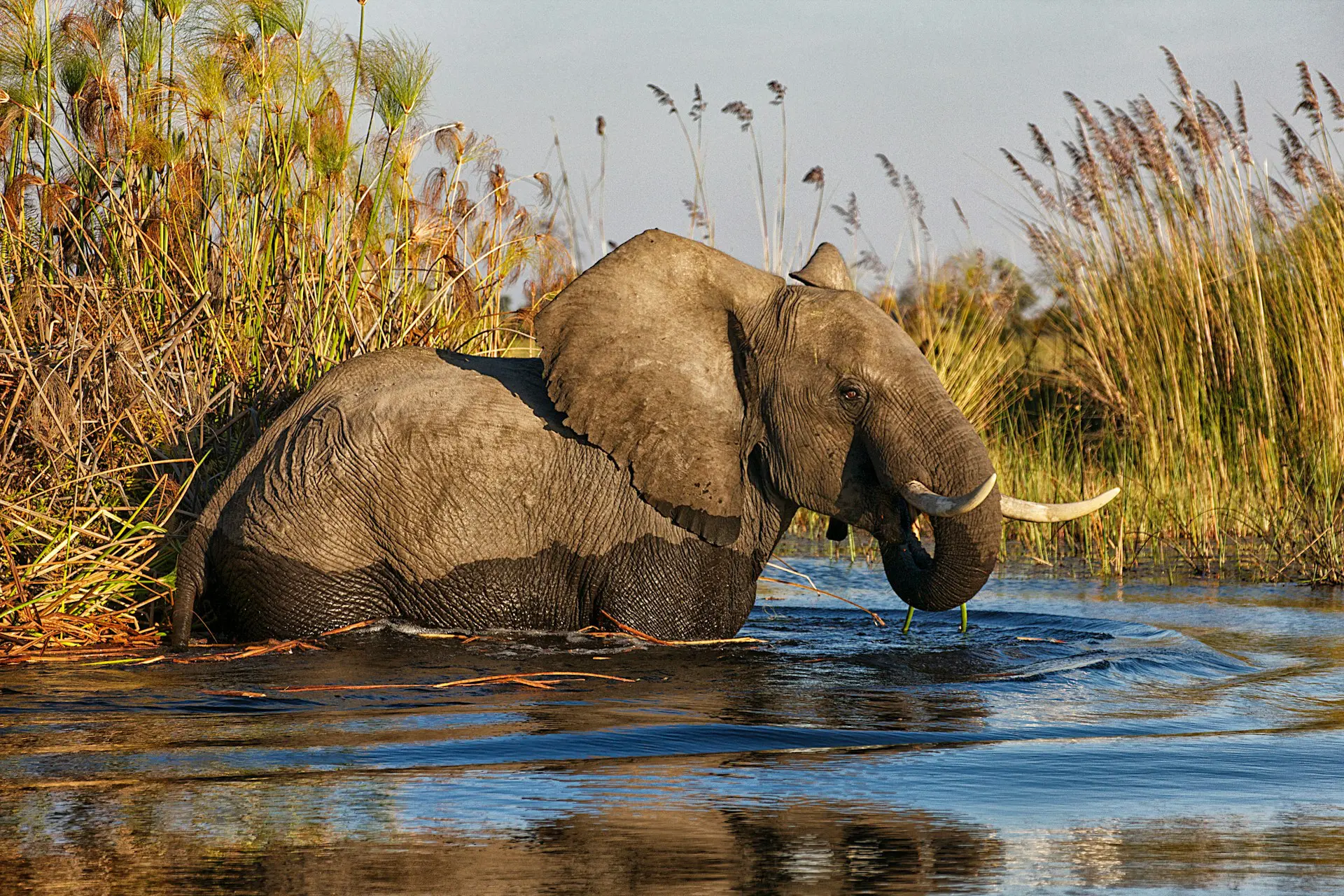
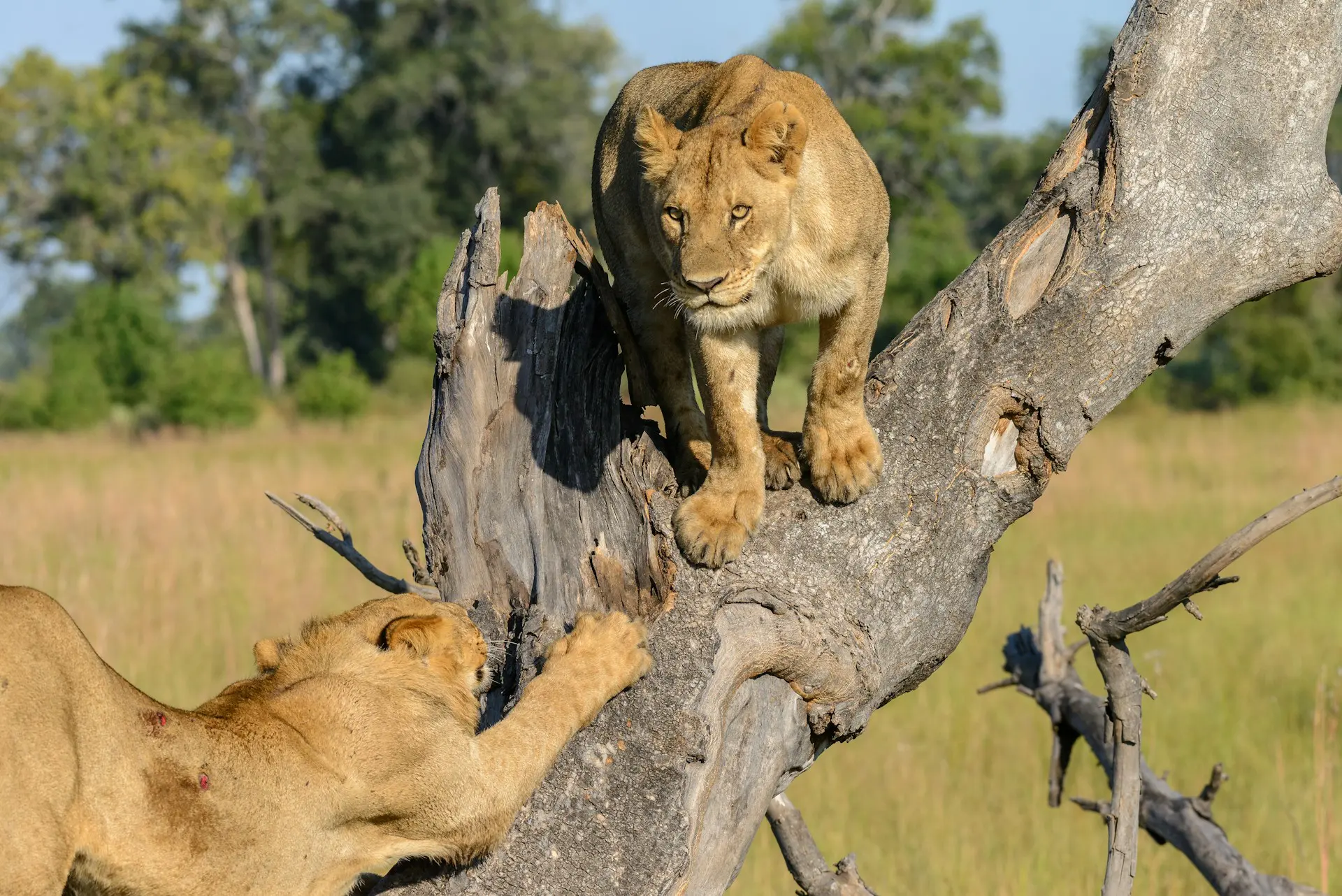
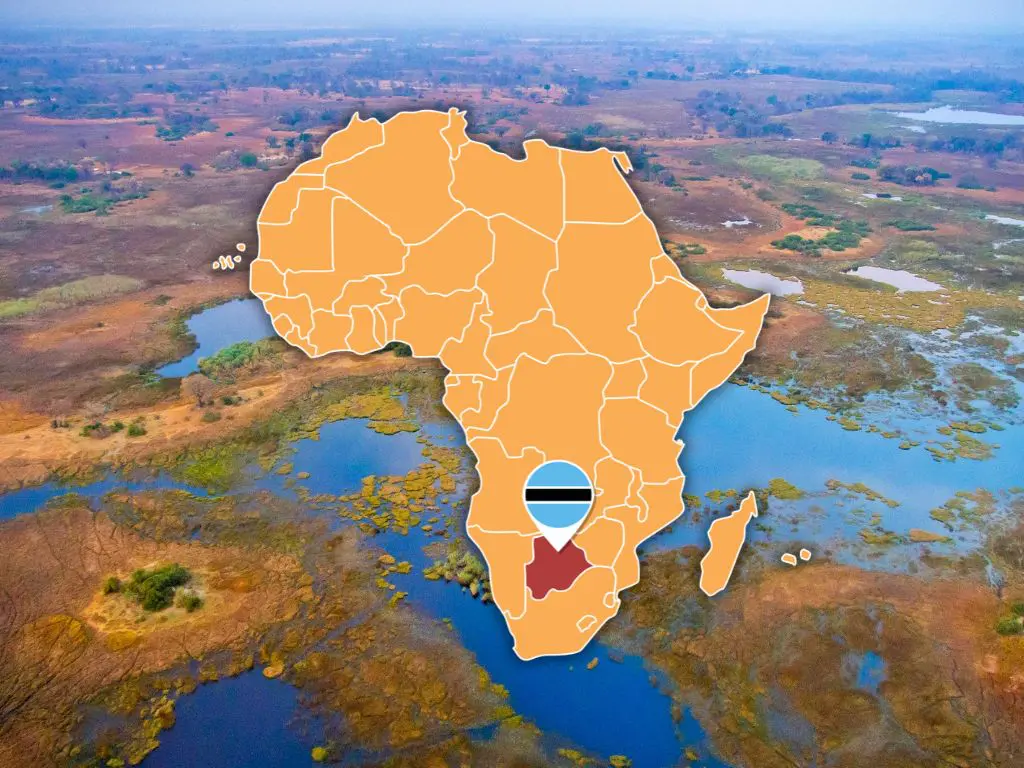
The Okavango is one of the world’s largest inland deltas, fed by seasonal rainfall that falls in the Angolan highlands and takes months to reach northern Botswana.
This delayed flood is what makes the Delta so unique because when much of the rest of southern Africa is bone dry, the Okavango can be at its most water-rich, creating a scene of water channels, islands and floodplains, all drawing wildlife for a drink.
Advice from Our Travel Consultants
Mokoro excursions are best in the higher-water months, typically from around June to August, when channels are more navigable.
For the most complete experience, you can combine a water-based camp with a land-based camp; this will give you the best of the country.
Meet the Mountain Gorillas
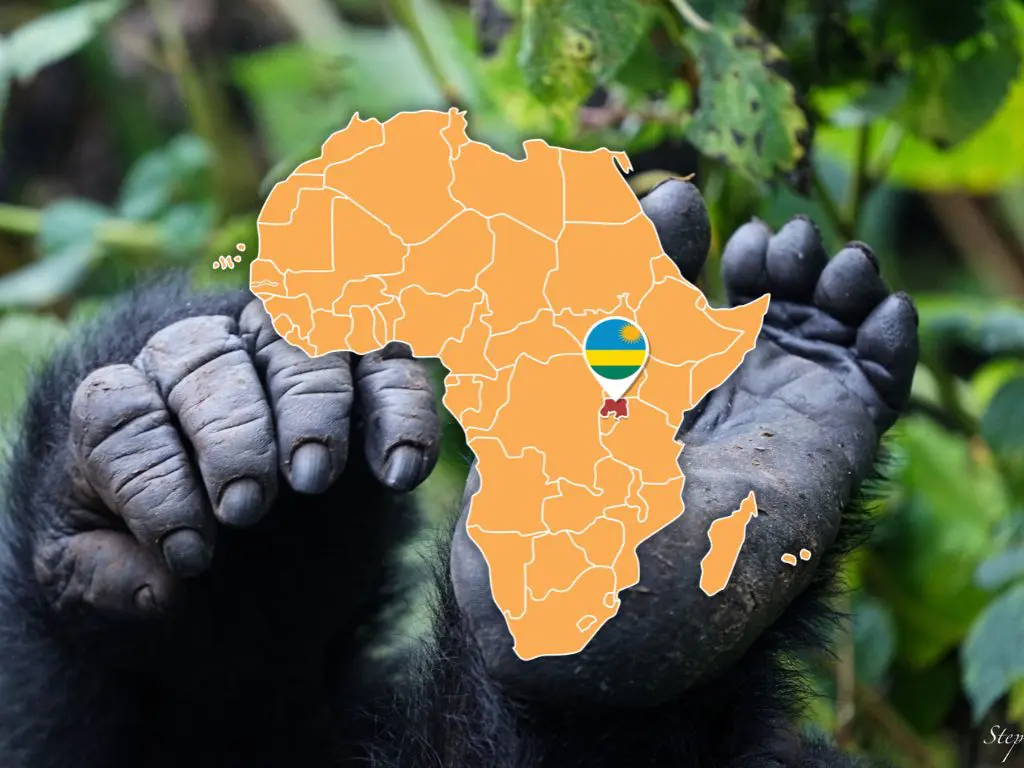
When the mist gathers between the volcanic slopes of Rwanda or the ancient rainforest of Uganda, it creates a shrouded world that adds to the excitement when you are walking with your guide, who stays one step ahead of you, carefully following signs that are invisible to most of us.
The air grows cooler, and the forest seems to close around you, and then, suddenly, there they are.
A mountain gorilla family rests in a clearing, and for the permitted hour of your tour, time feels suspended but at the same time fleeting.
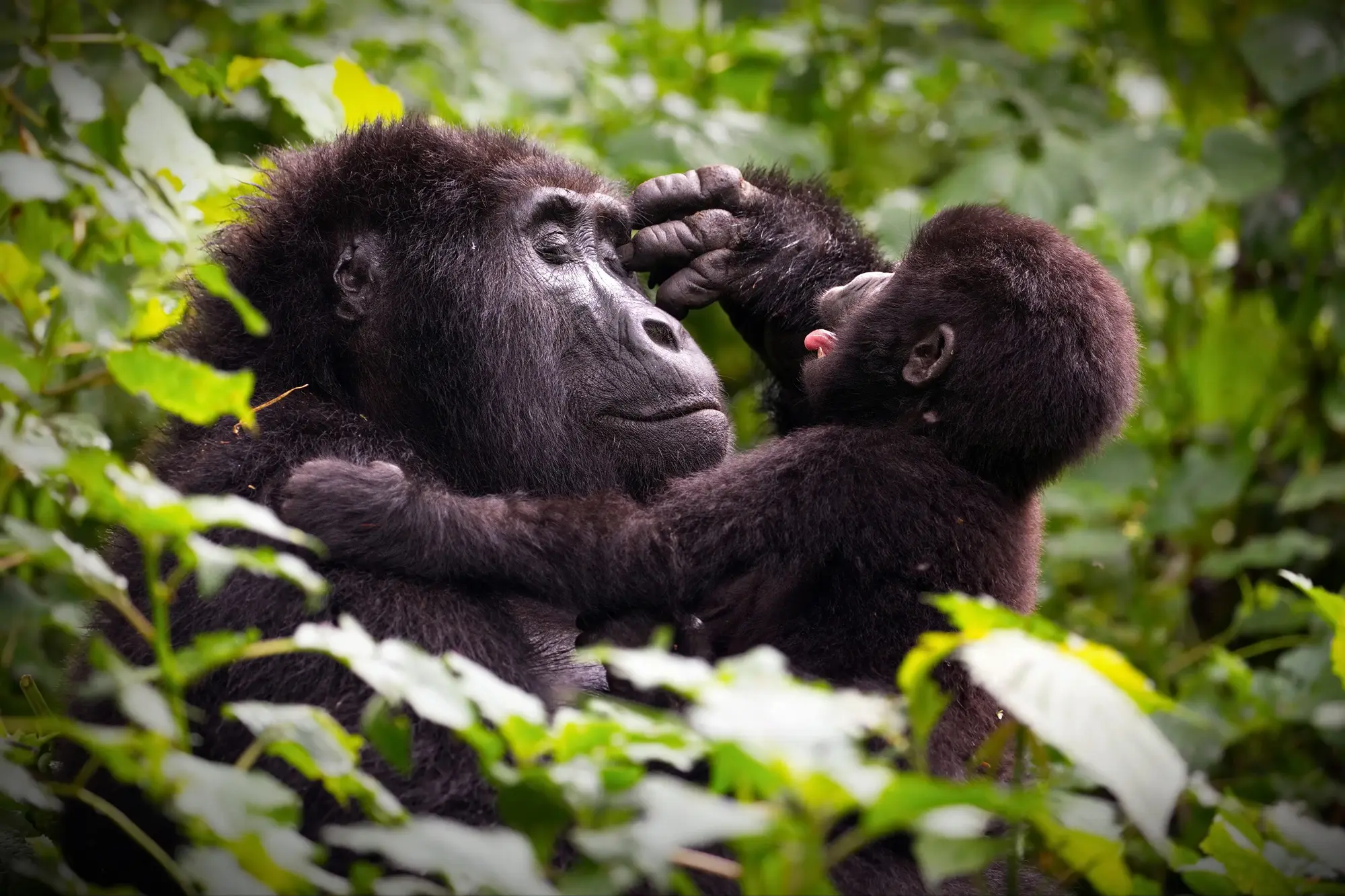
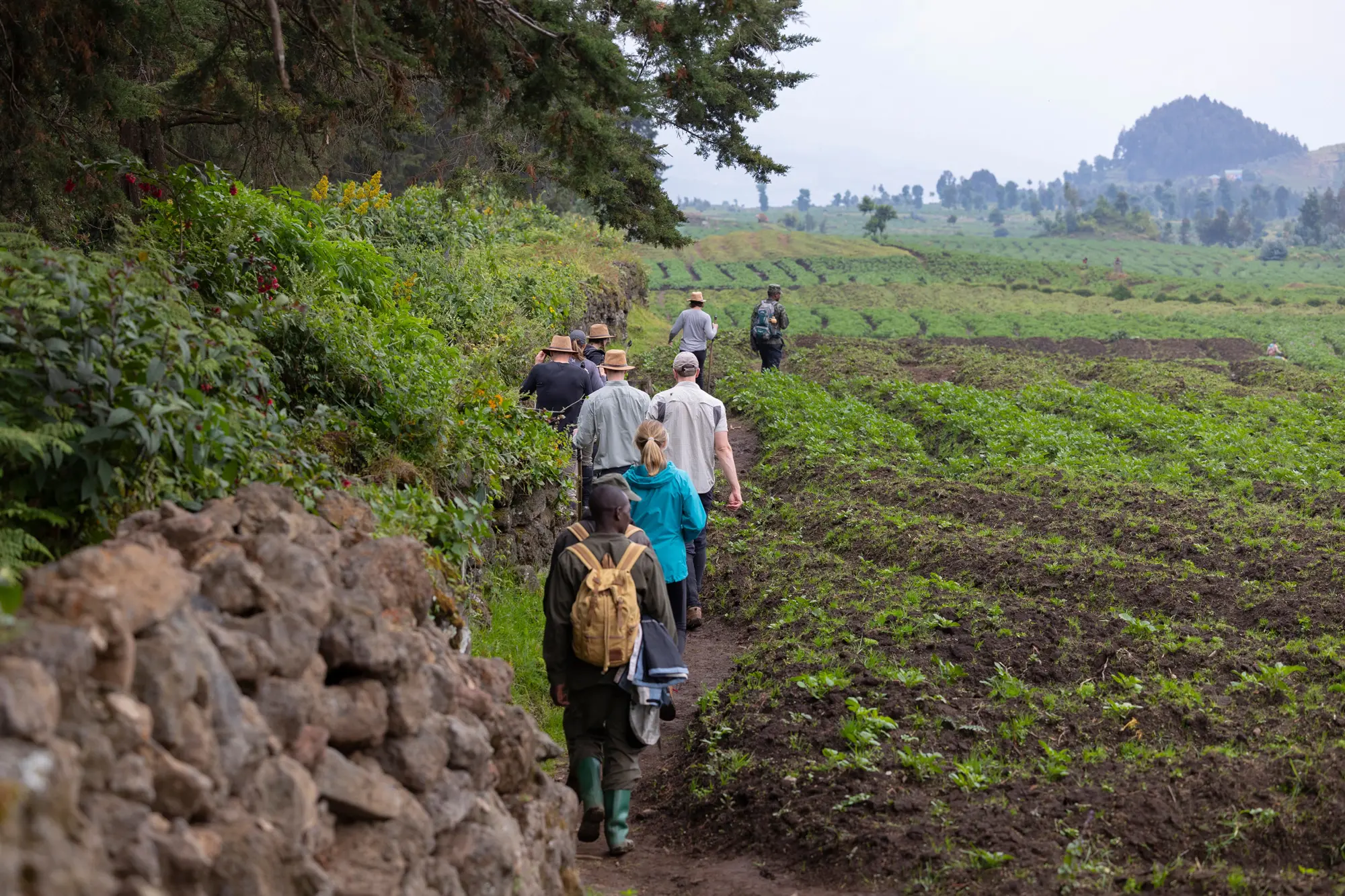
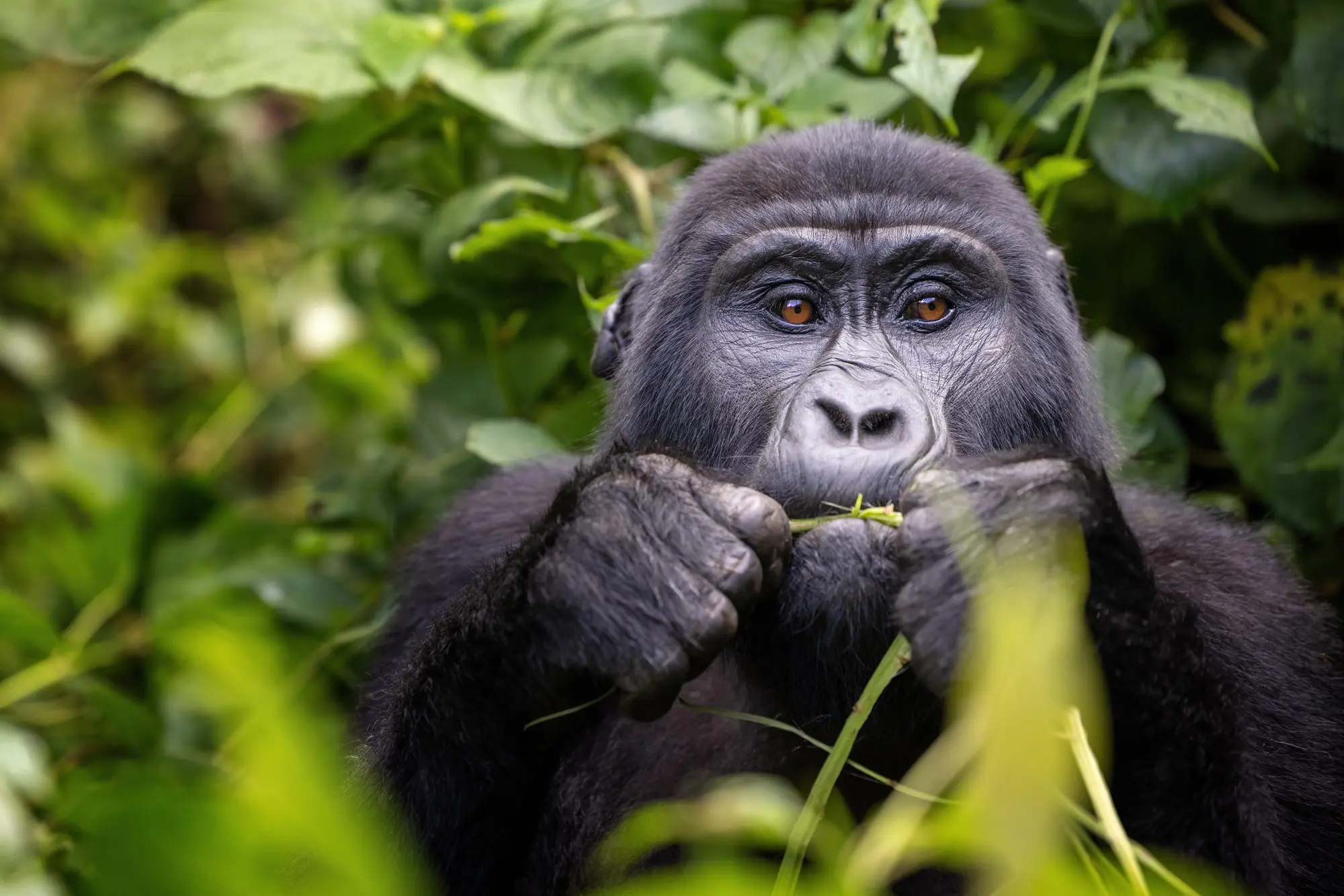
This is far from a simple wildlife encounter; it is one of the most profound connections a traveller can make with the natural world.
Mountain gorillas live only in the Virunga Massif, spanning Rwanda, Uganda and the Democratic Republic of Congo, and in Uganda’s Bwindi Impenetrable National Park.
Rwanda’s Volcanoes National Park is roughly 2 and a half hours from Kigali, making it the quickest option for those with limited time, while in Uganda, there are more trekking tours to visit habituated families, and the country has a unique four-hour Gorilla Habituation Experience for travellers who want to spend a little more time with these incredible primates.
The experience does not come cheap though; Rwanda’s standard gorilla permit is US$1 500, while Uganda’s is US$800.
Advice from Our Travel Consultants
The walk itself can last anywhere from under an hour to 6 hours or more if the trail is steep and muddy, and the minimum age is 15 in both countries.
You will want to hire a porter even if you are fit; they can carry your daypack, will lend you a steadying hand on difficult sections, and your support of their work contributes directly to local livelihoods.
You should also book your permit early if you want to trek during the popular June-to-September and December-to-February periods.
Visit Madagascar
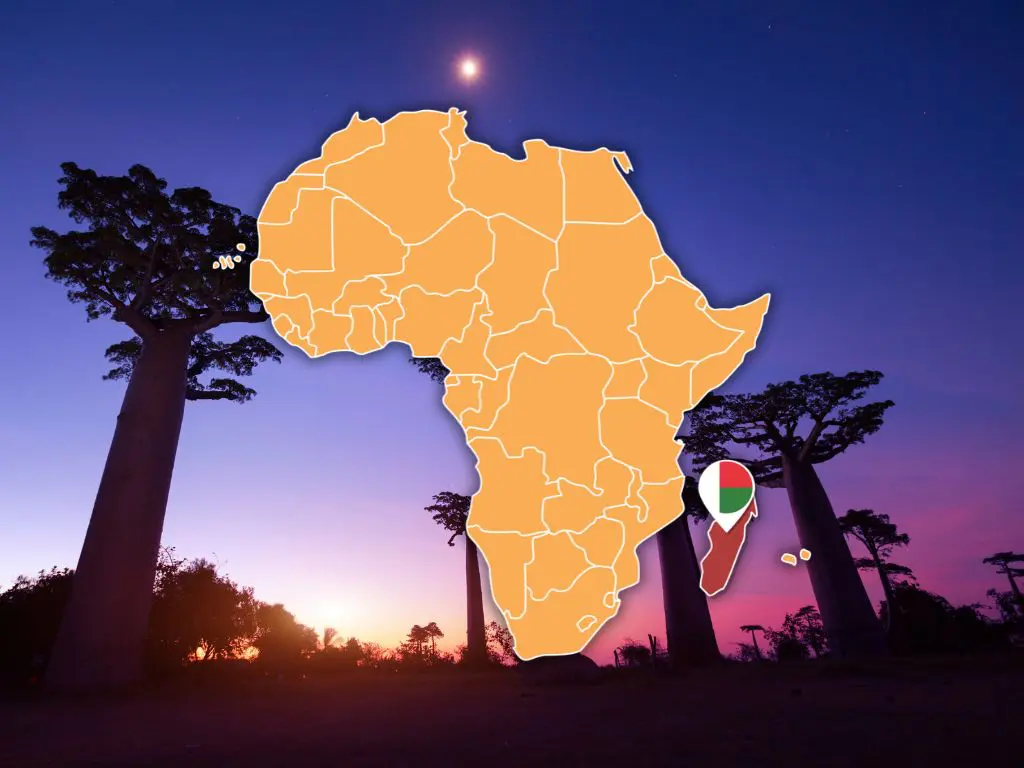
Madagascar is unlike any place you’ve been to, and its forests are filled with species found nowhere else on Earth.
In Andasibe, the deep, resonant call of the indri echoes through the rainforest and has become the soundtrack for those exploring this spectacular place. Madagascar separated from the African mainland millions of years ago, allowing its wildlife to evolve in extraordinary isolation.
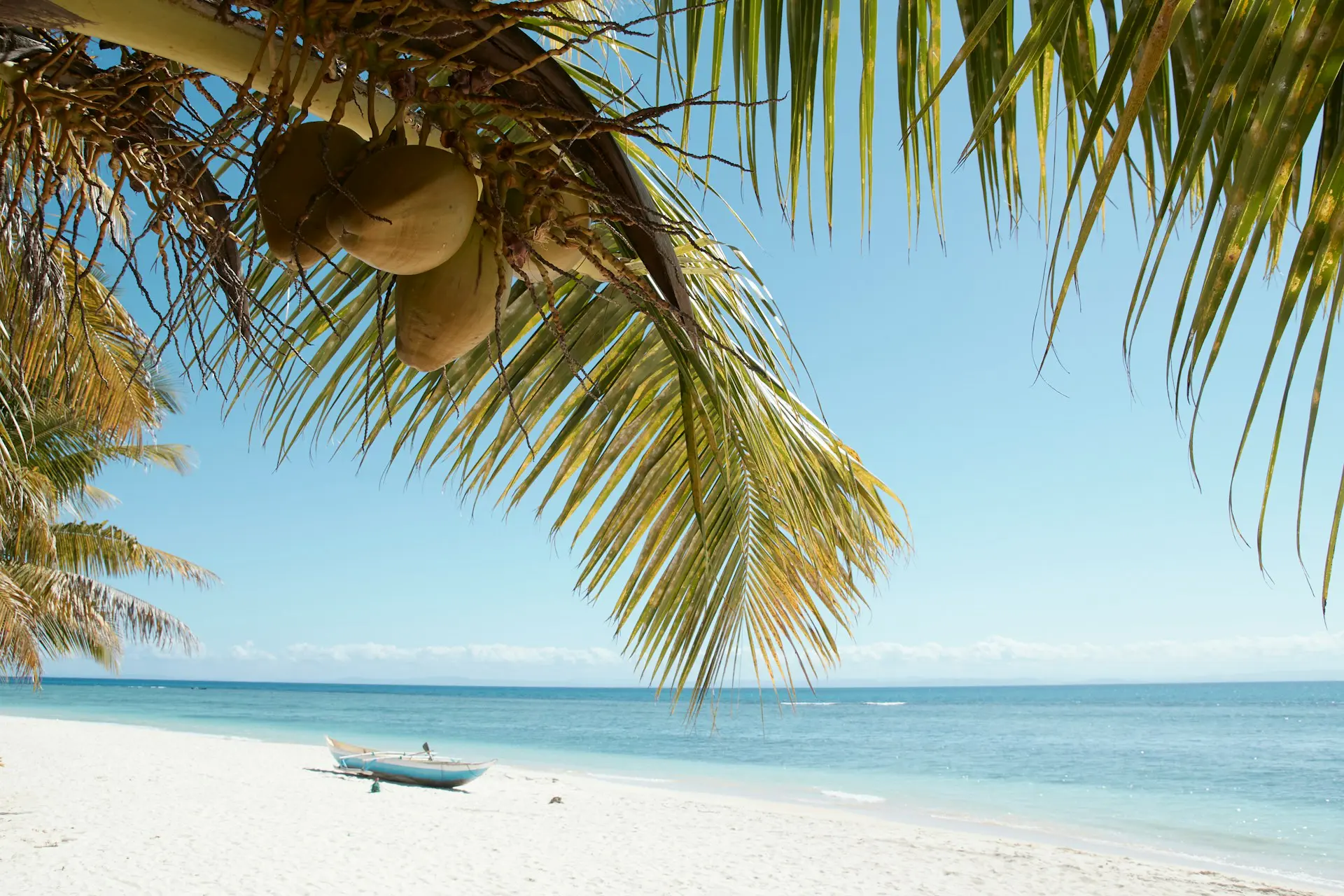
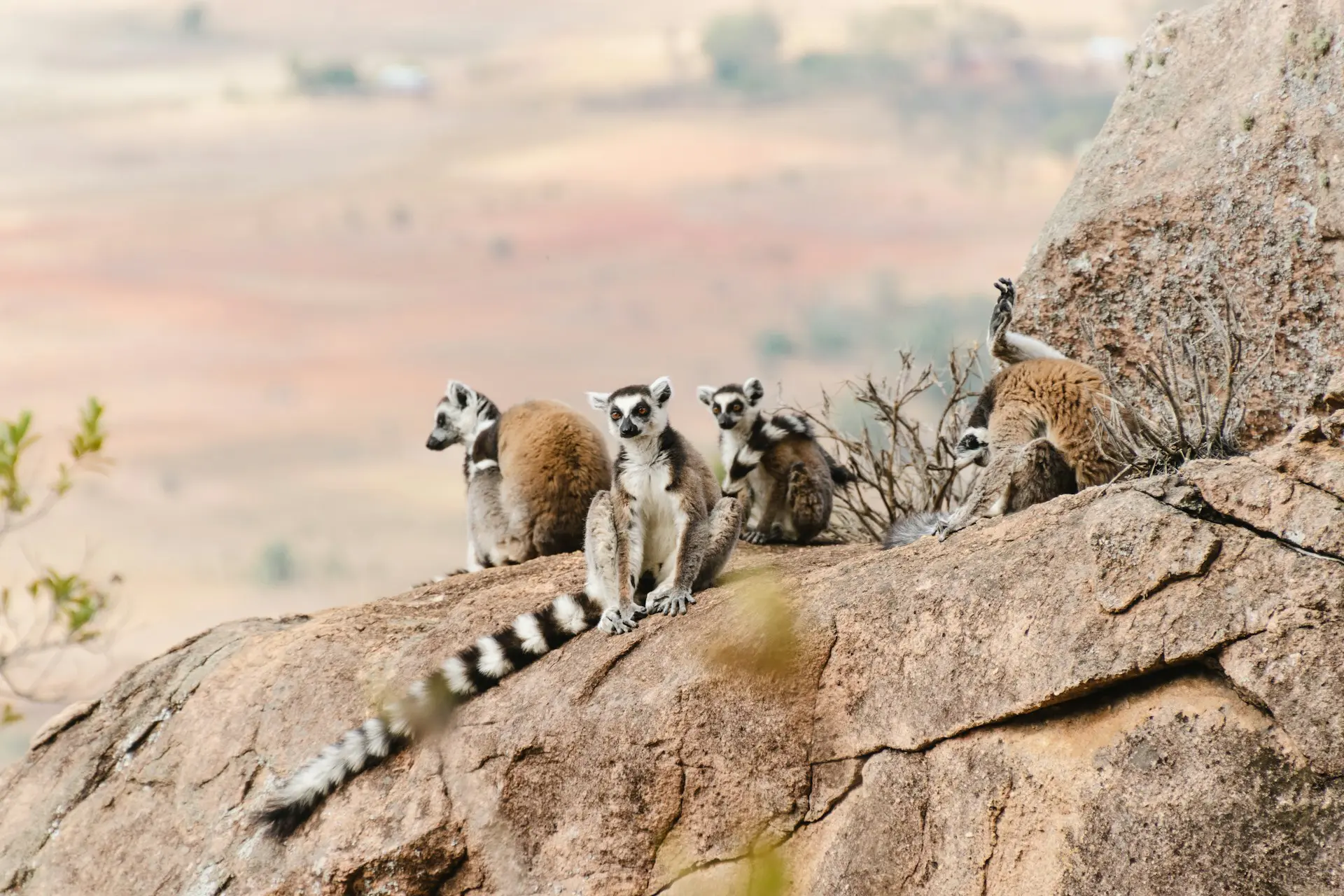
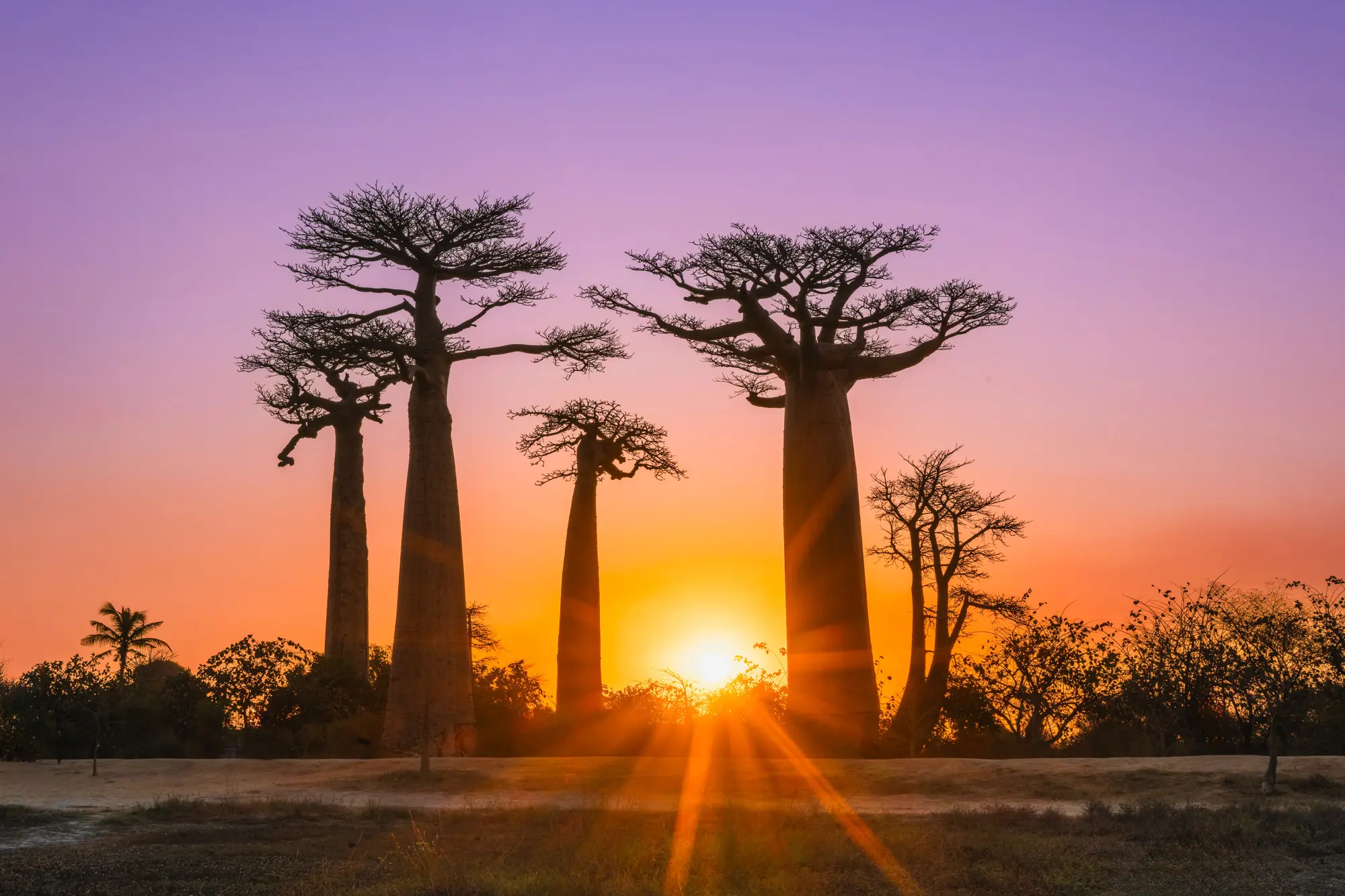
Today, the island is home to more than 100 lemur species, alongside an array of endemic birds, reptiles, amphibians and plants. It is not a conventional safari destination; it is a destination for travellers who love the strange, the rare and the utterly unexpected.
A trip to Madagascar adds a rare dimension to any African tour itinerary. It pairs beautifully with a classic safari for those who want both iconic wildlife and something entirely unexpected, though you might need an additional flight to get between this destination and the mainland’s safari parks.
Advice from Our Travel Consultants
Madagascar is all about slow travel.
Rather than trying to cover the whole island, focus on visiting 2 or 3 well-chosen regions, such as Andasibe for indri and diurnal lemurs, Ranomafana for rainforest species, and Anjajavy or the northwest for a more secluded coastal-and-forest combination.
The country’s road network can be challenging, so give yourself extra time, use domestic flights where possible, and travel on a guided tour. Locals always know the best spots.
Search for African Wild Dogs
There are sightings you’ll take for granted, and then there are sightings that take your breath away, and not for the reasons you might think.
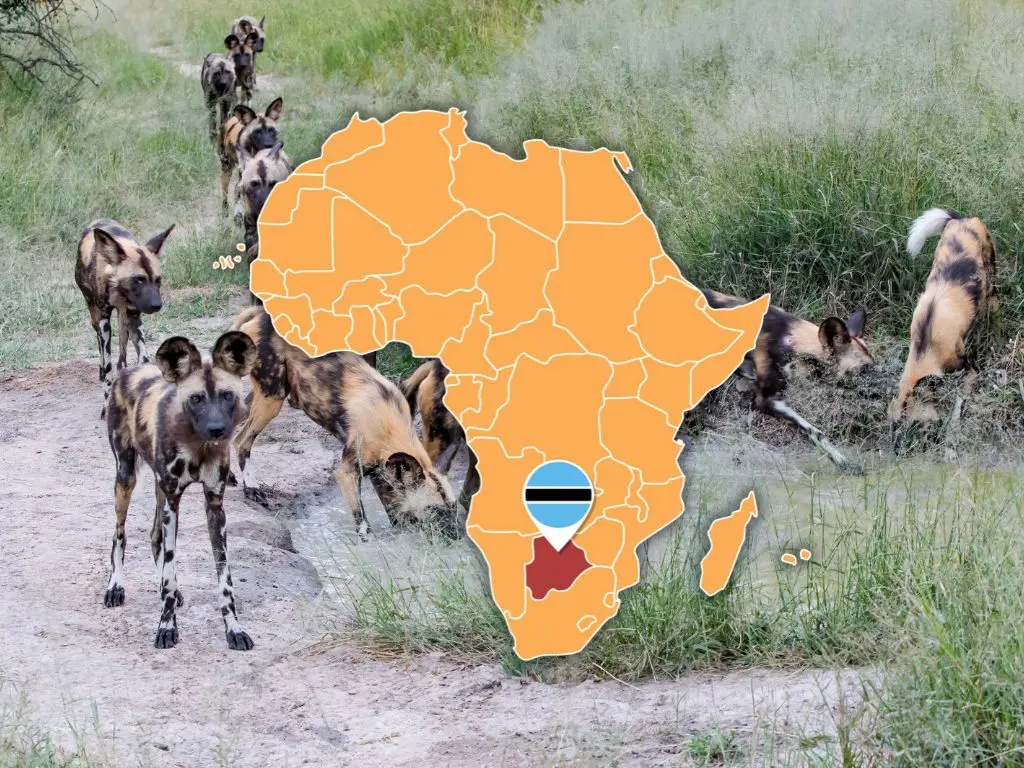
African wild dogs are one of the most intriguing and rare sightings, partly because they are masters at staying well hidden.
Spotting a sudden flash of painted coats through the grass, a burst of movement, then the extraordinary coordination of a hunt is far more uncommon than seeing the Big 5!
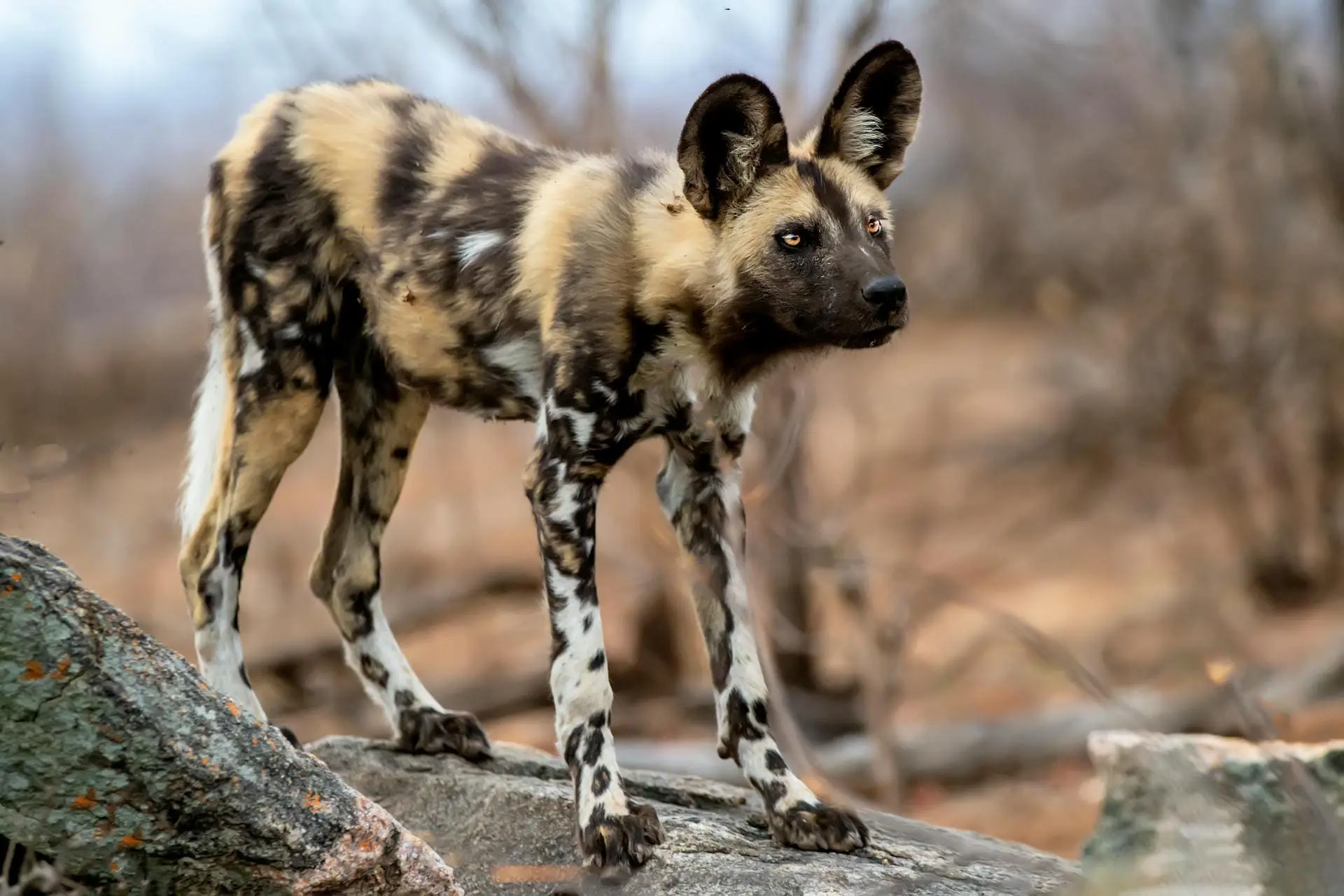
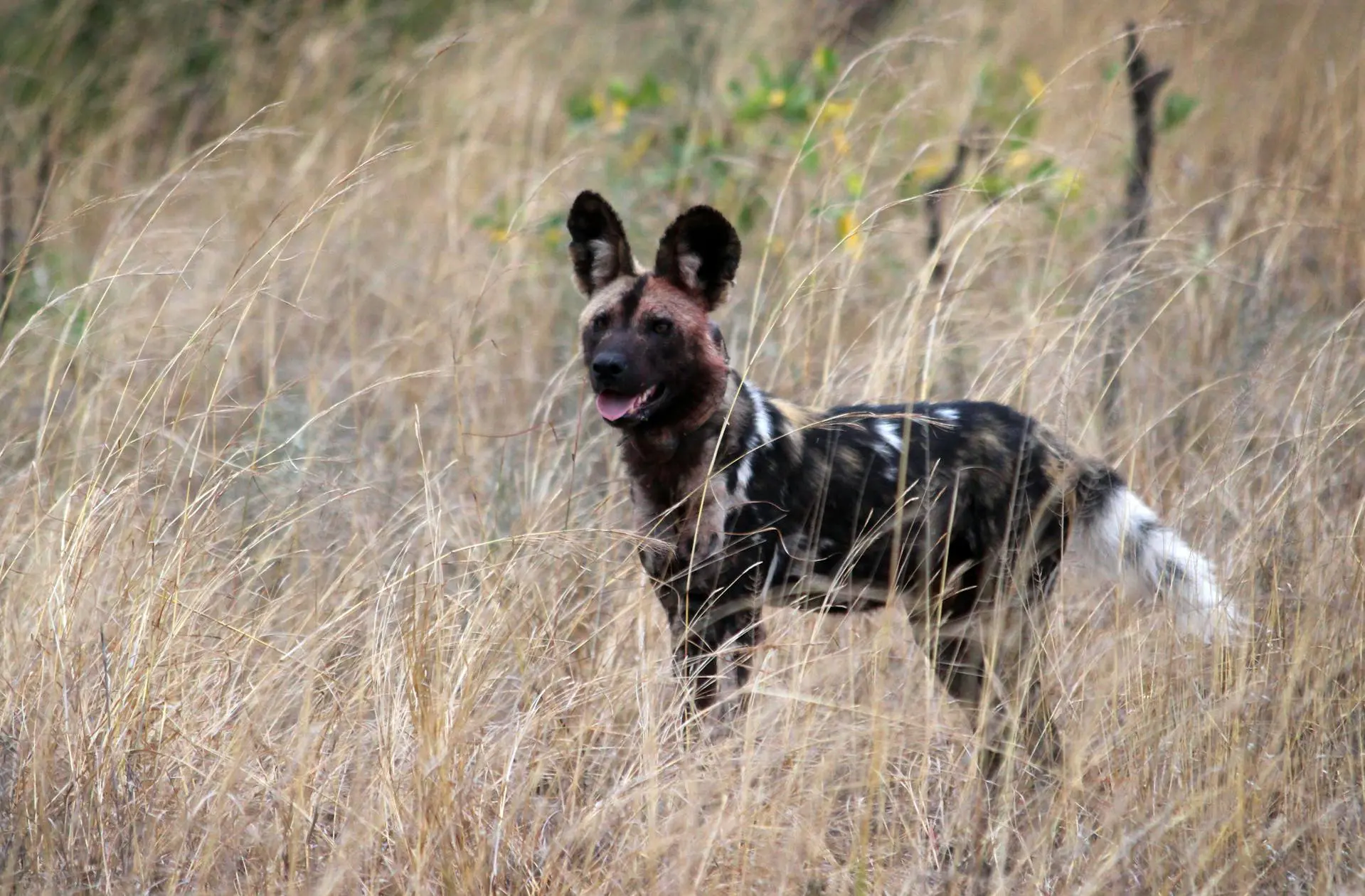
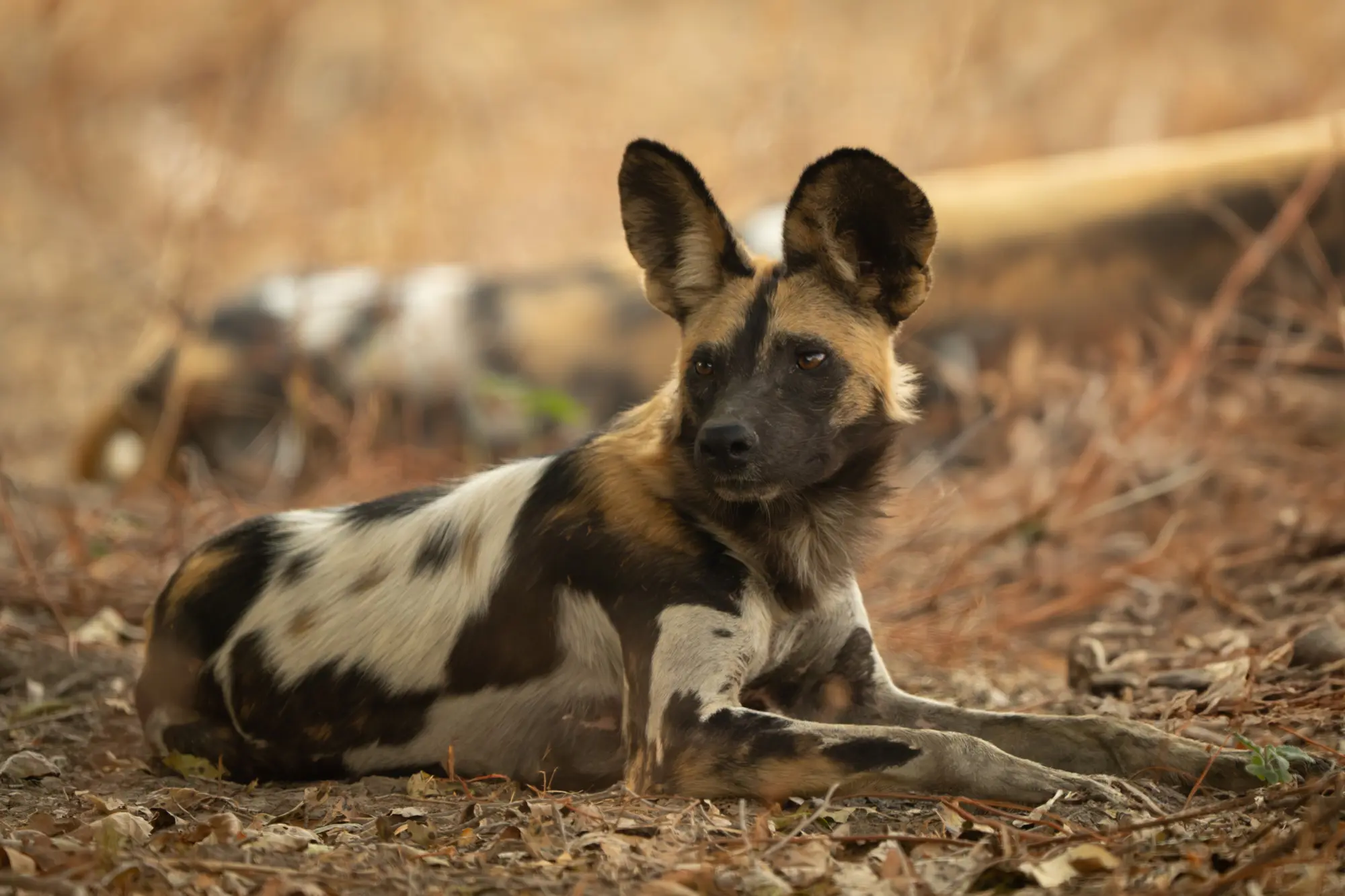
Wild dogs are among Africa’s most endangered large carnivores, with only a few thousand remaining across the continent.
They are also among Africa’s most successful hunters, with their hunting style resulting in a high success rate.
A pack can cover huge distances in a single day, which contributes to the rarity of sightings.
Botswana is home to about 30% of Africa’s wild dogs, while Zambia, Kenya and Tanzania are also all excellent places to encounter packs, with your chances improving when you book a guided safari.
Advice from Our Travel Consultants
We suggest you ask your specialist about denning season, the time when packs return regularly to a den site to care for pups. This season can treat you to some of the most intimate and reliable wild dog viewing, provided viewing is managed carefully and respectfully.
Finding Namibia’s Shy 5 after Dark
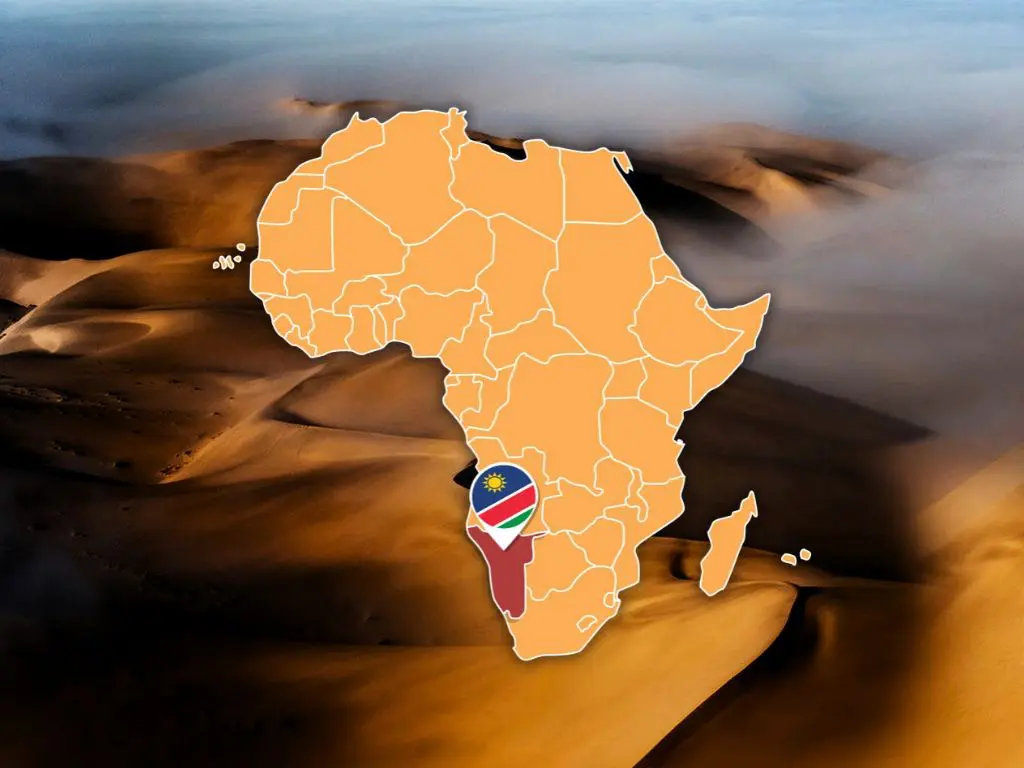
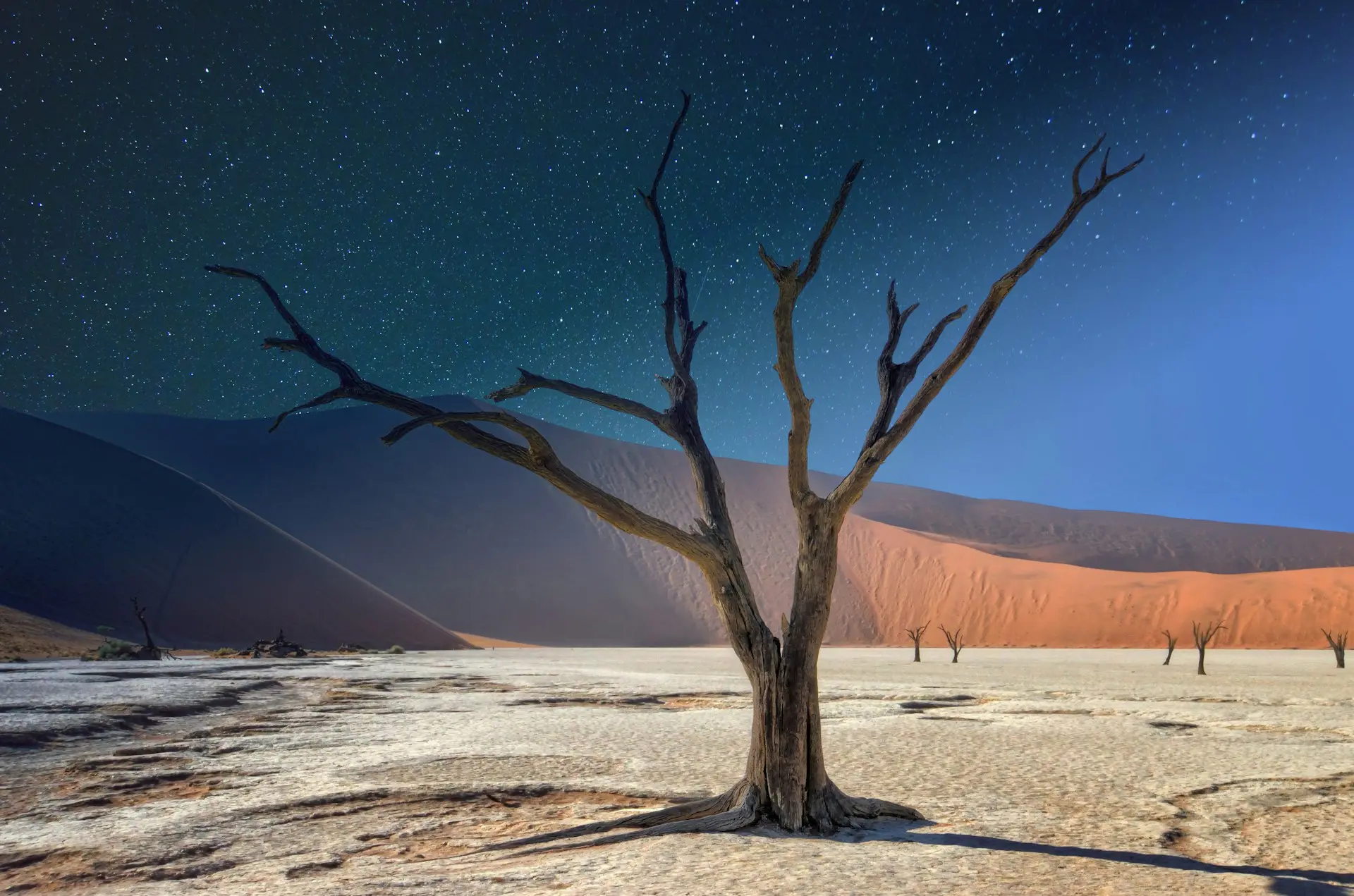
As the sun sets over Namibia, a whole different world wakes up.
When darkness falls, depending on where you are staying in the desert, you could spot aardvark, aardwolf, bat-eared fox, Cape porcupine and meerkat, an elusive array of animals collectively known as the Shy 5.
Some are nocturnal, some try to stay unseen, and all are wonderfully strange.
The Shy 5 are among Africa’s most fascinating wildlife, even though they are far from the largest or most obvious.
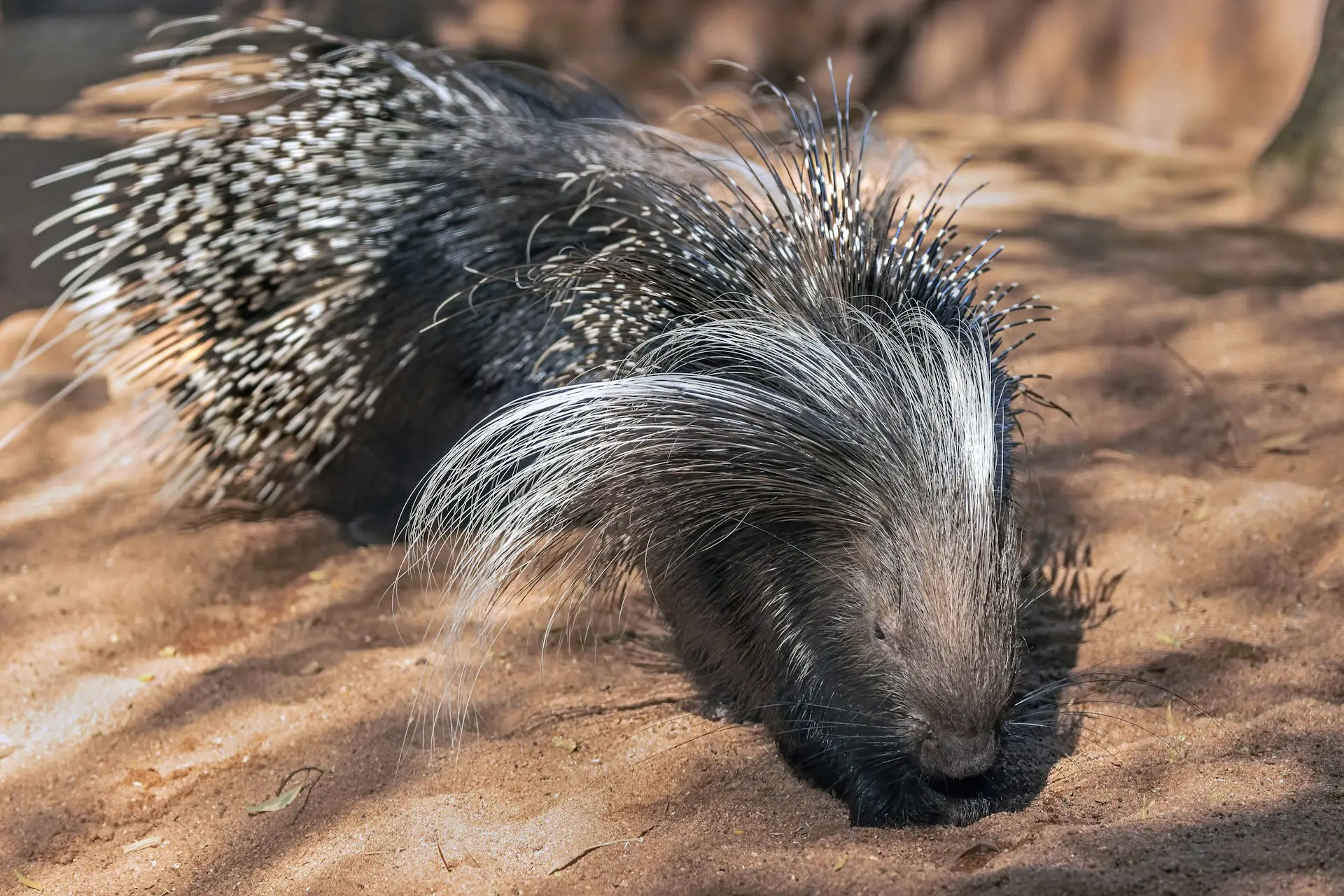
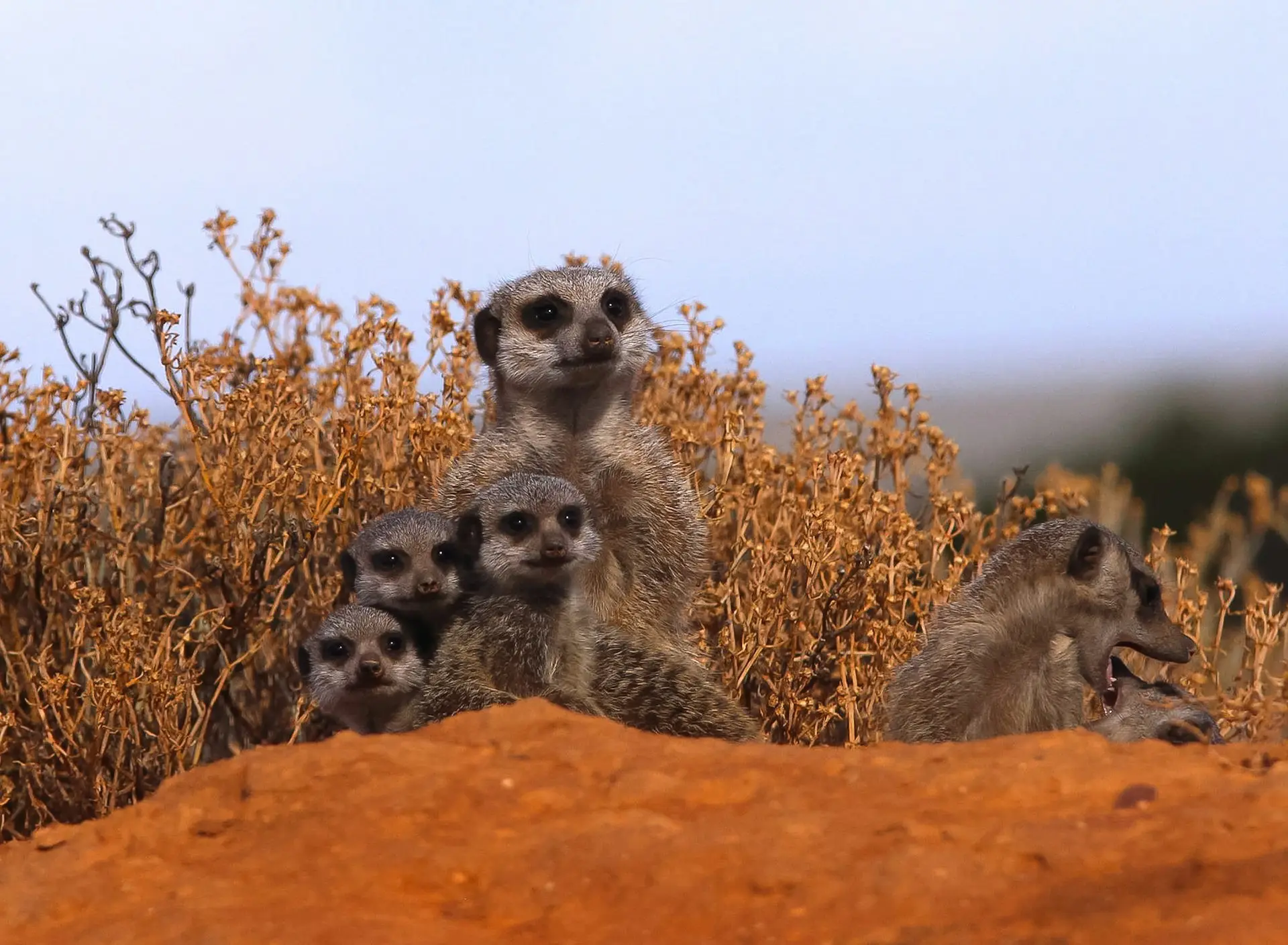
The aardvark, for example, is a solitary nocturnal mammal that can dig the deepest burrows and feed almost exclusively on ants and termites, and the aardwolf, despite its wolf-like name, is a small hyena that feeds mainly on termites.
And the adorable bat-eared fox uses its oversized ears to find insects deep beneath the soil.
A night drive is best if you want to give yourself the chance to see one of these animals. And when a pair of curious eyes catches the light in the darkness, or an aardvark emerges from its burrow, the excitement is real!
Advice from Our Travel Consultants
For the best chance of seeing the members of the Shy 5, you should book a trip in Namibia’s arid regions and private reserves, travel in the cooler dry months, and ask for a guide with a reputation for finding nocturnal wildlife.
See Africa through a Birder’s Eyes
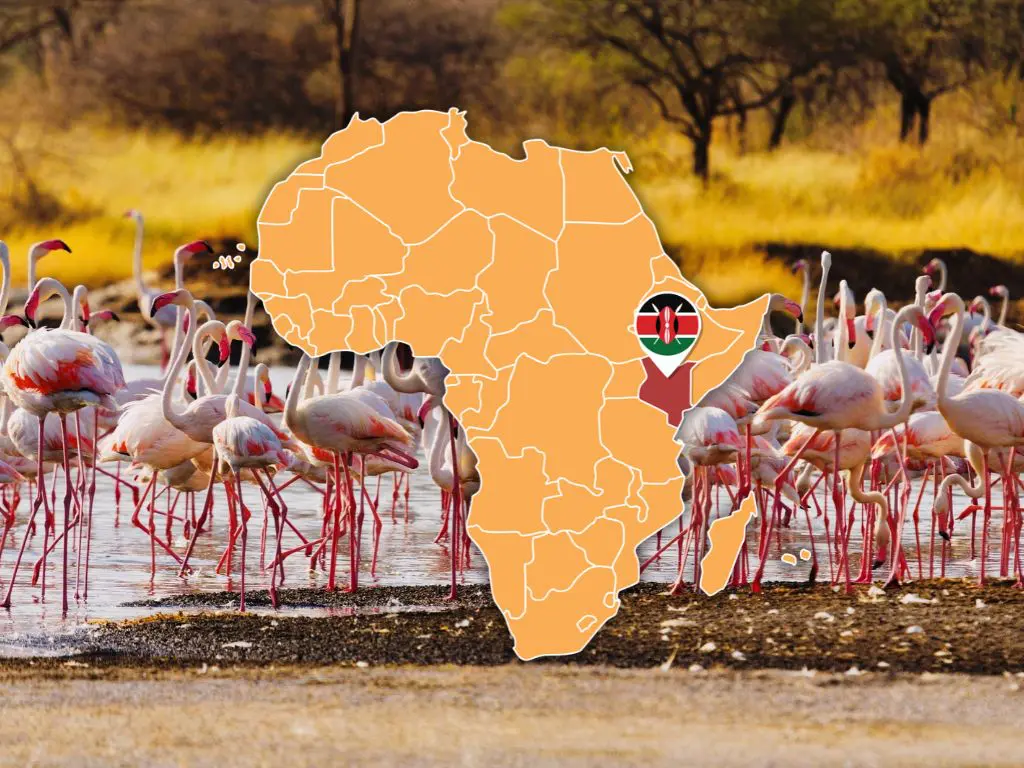
For those who want to travel slowly, Africa’s bird life can be immensely entertaining.
In Kenya’s side of the Rift Valley, flamingos gather at the lakes in clouds of pink and in Tanzania’s wetlands and woodlands, kingfishers, bee-eaters, hornbills, raptors and endemic species bring colour, exquisite sound, and movement to every game drive.
Africa is home to more than 2 300 bird species, and Southern and Eastern Africa will treat you to some of the continent’s richest birding.
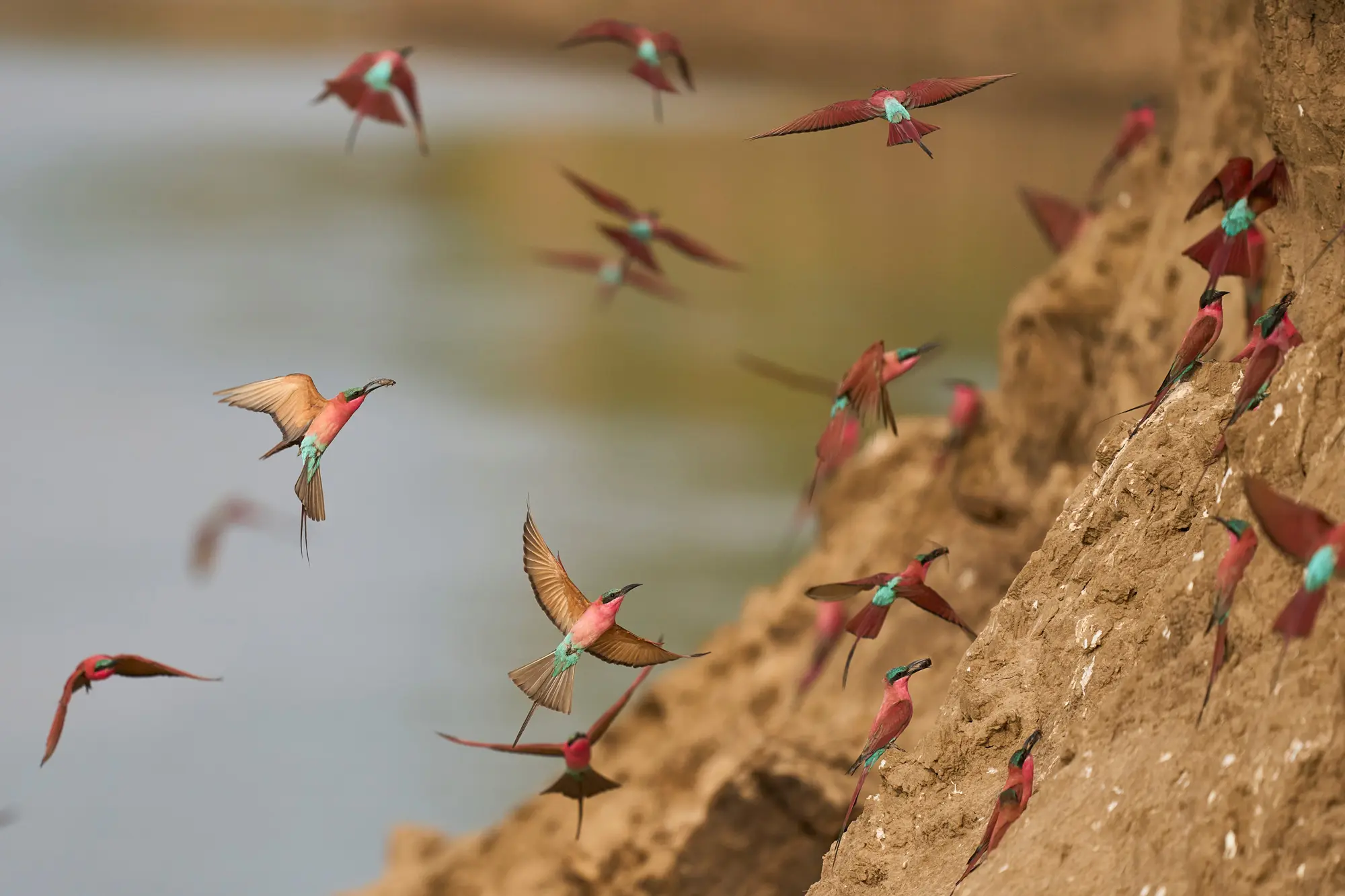
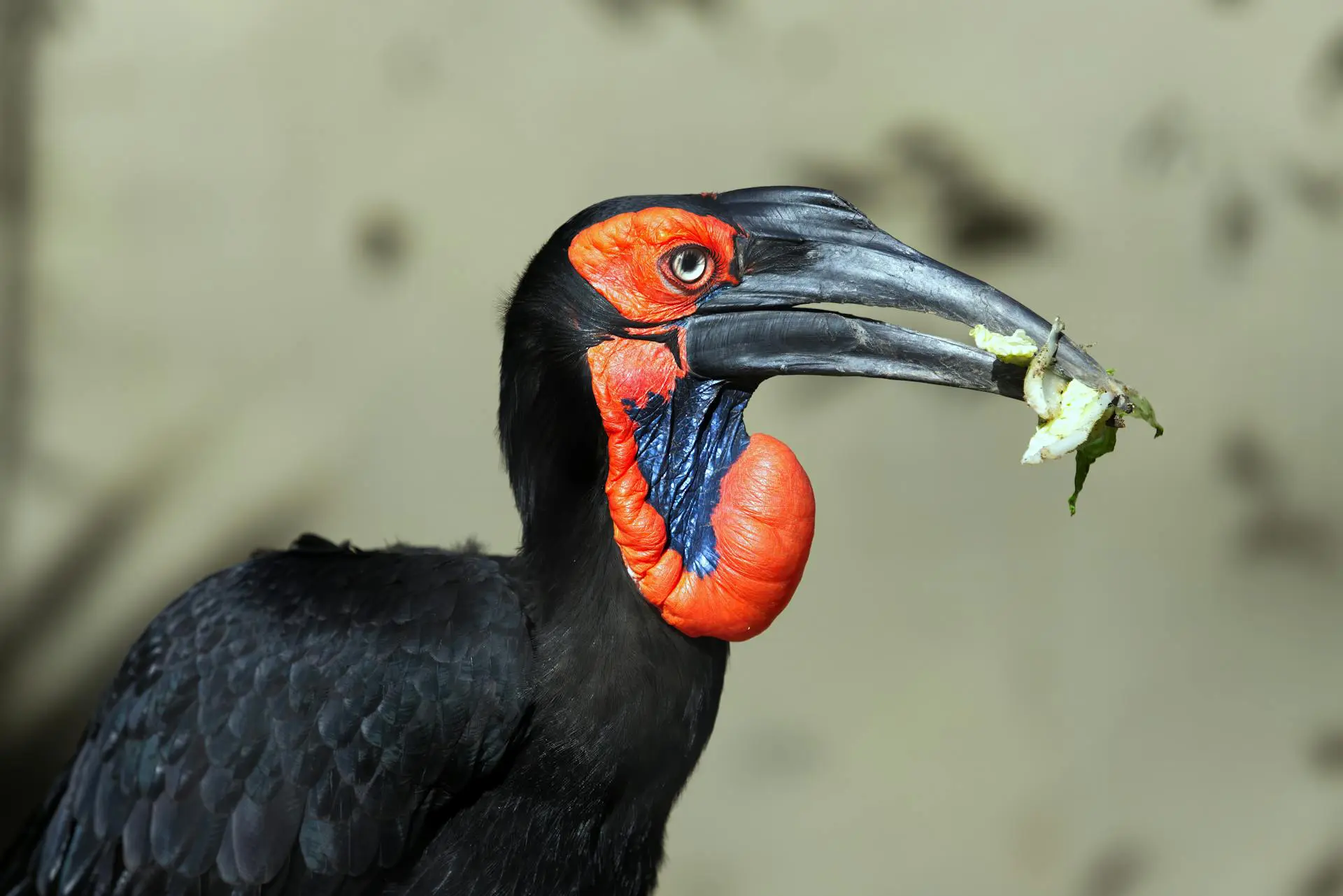
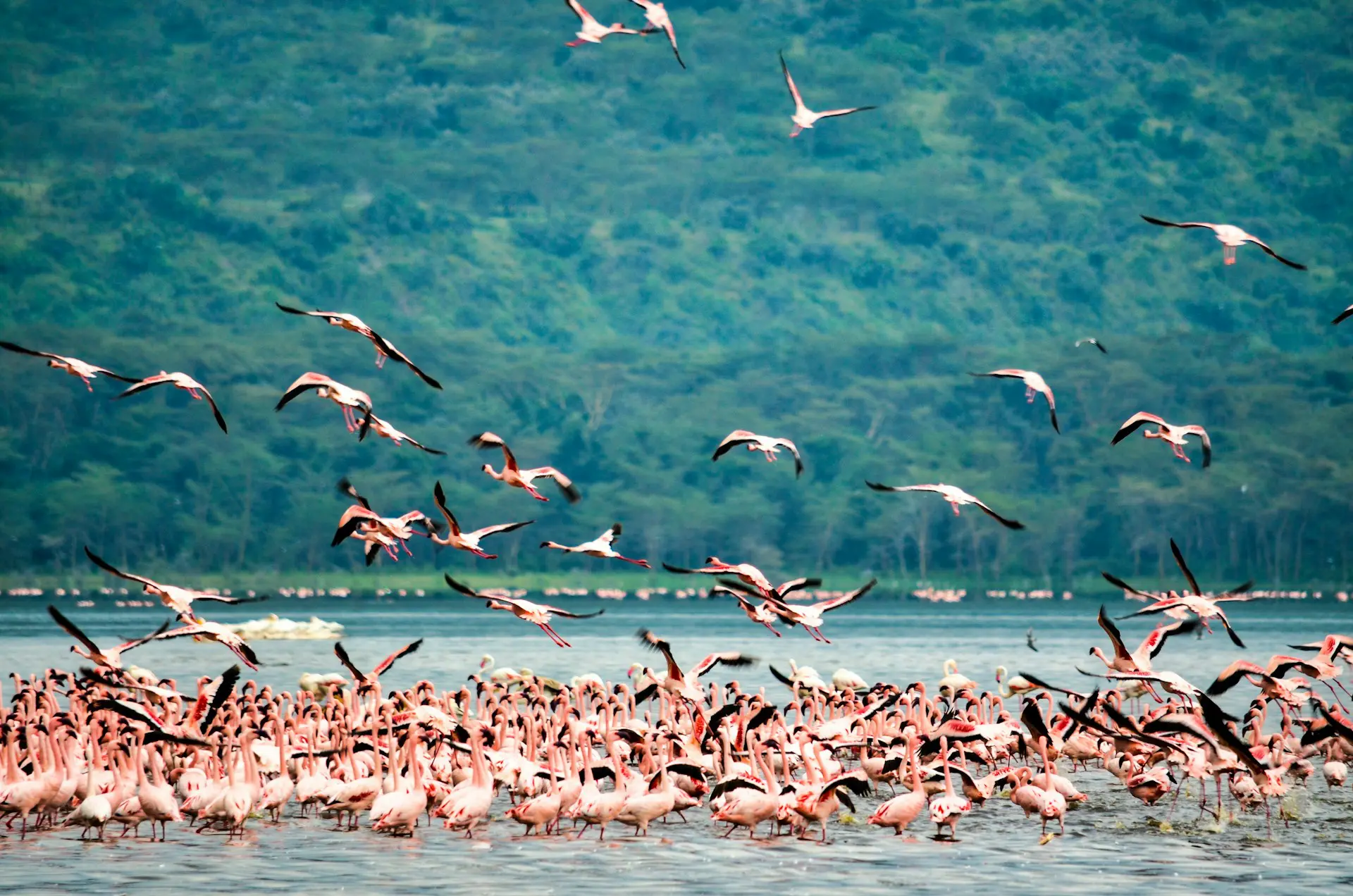
Birding, although it often gets a bad rap, is not a lesser safari; it is just a different way of enjoying the wild. It suits travellers who like to look for the details, and who take great pleasure in being reminded that Africa’s wild places can be so full of intrigue.
Advice from Our Travel Consultants
The green season, generally November to March in much of Southern and East Africa, is often the best time for birding.
During these months, migratory species arrive in huge numbers, and many birds are wearing their finest breeding plumage.
Connect with Rhino Conservation
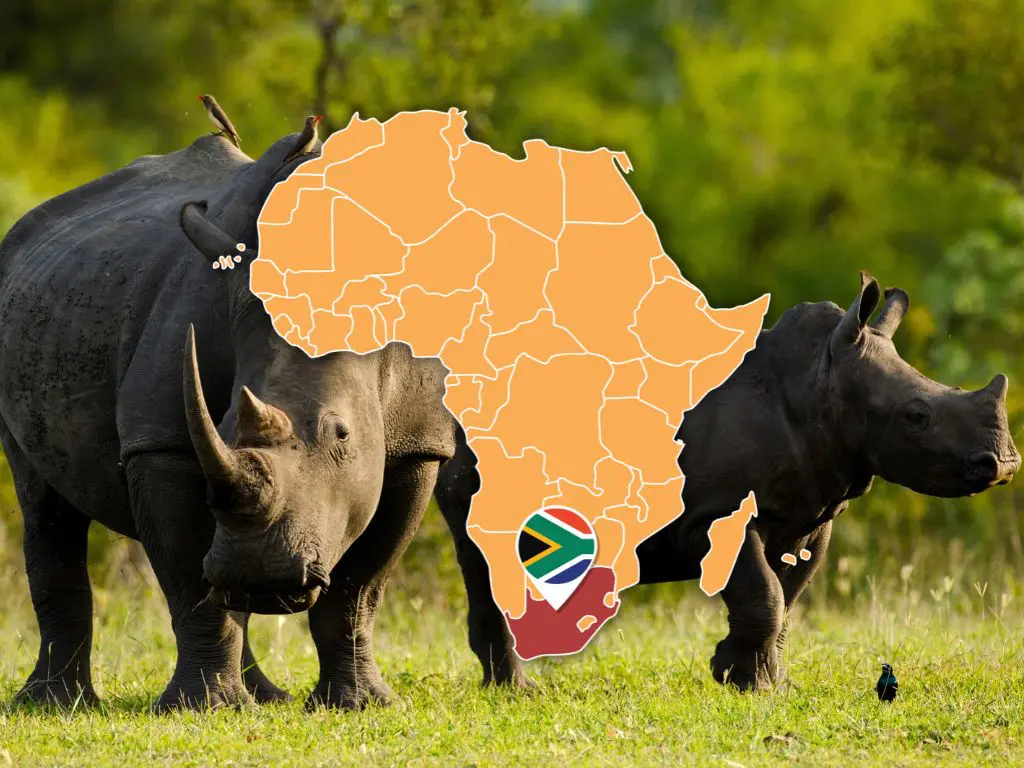
Some of the most meaningful safari experiences are connected to conservation.
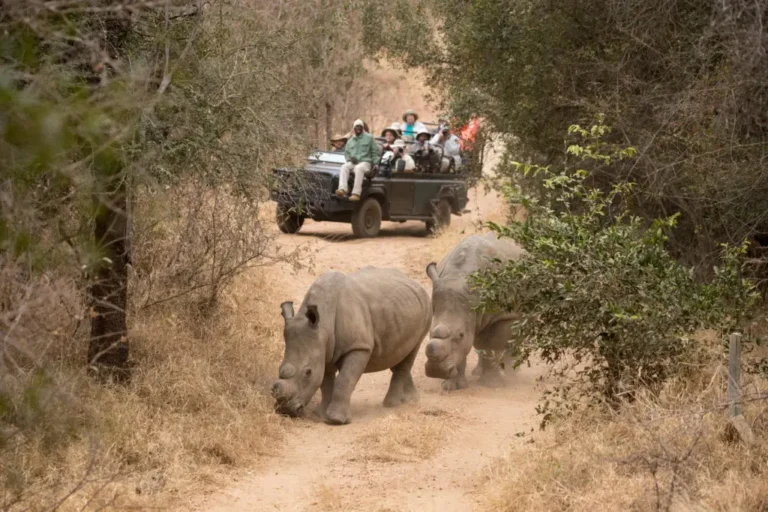
In certain conservancies and reserves, guests can meet the rangers and conservation teams working tirelessly to protect rhinos.
Depending on the location and protocols, such a trip may involve tracking, learning about anti-poaching efforts, or joining a guided conservation experience that brings you closer to the realities involved with protecting one of Africa’s most endangered species.
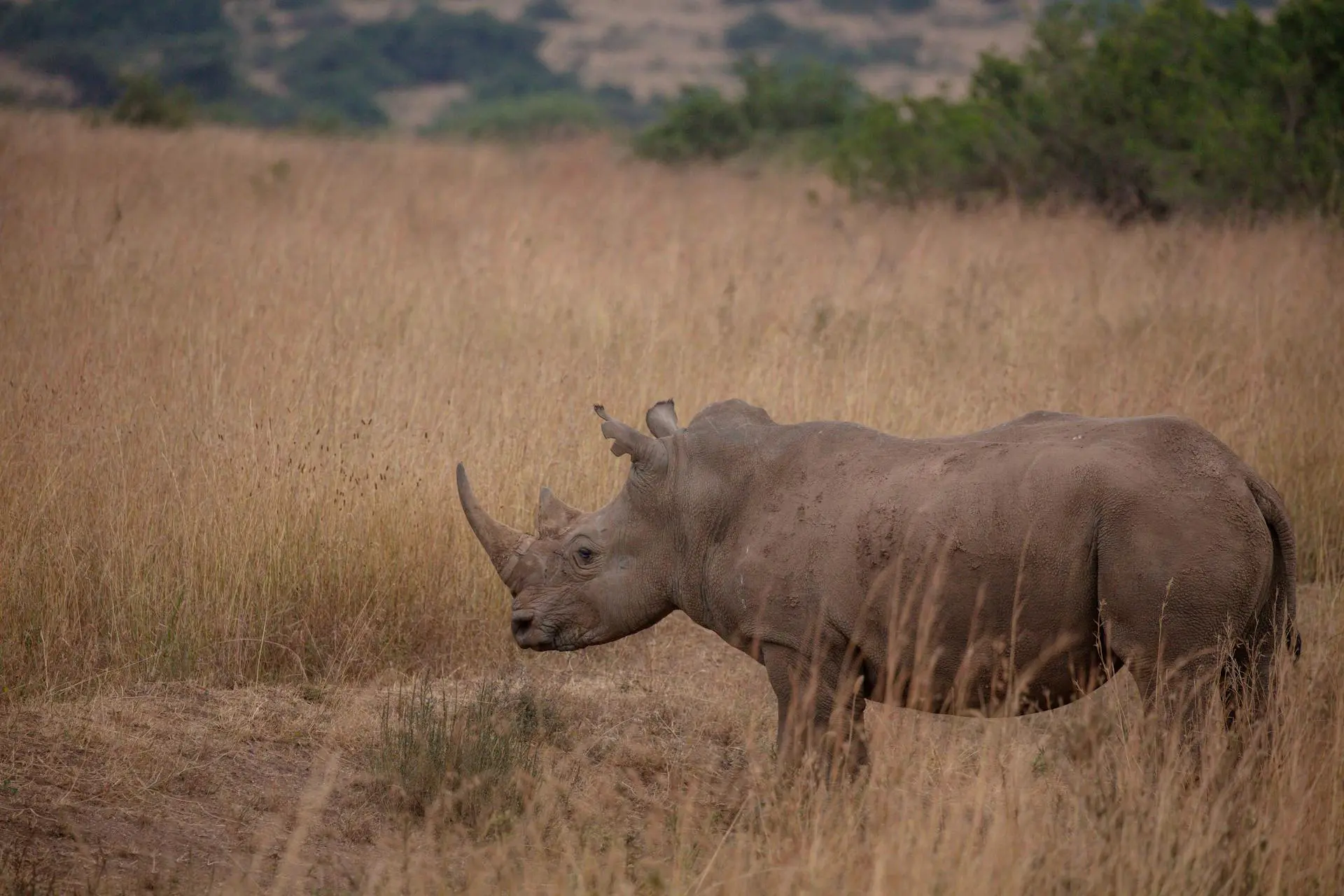
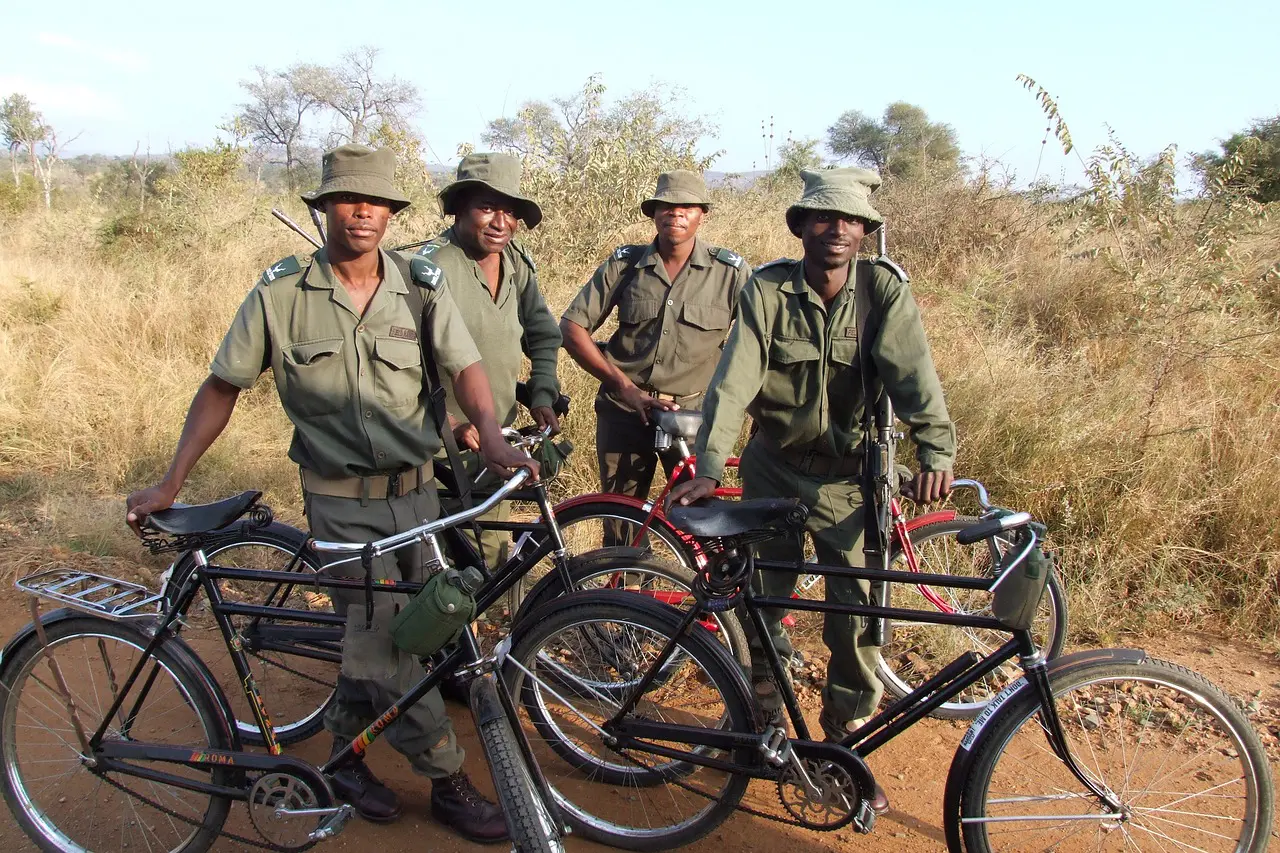
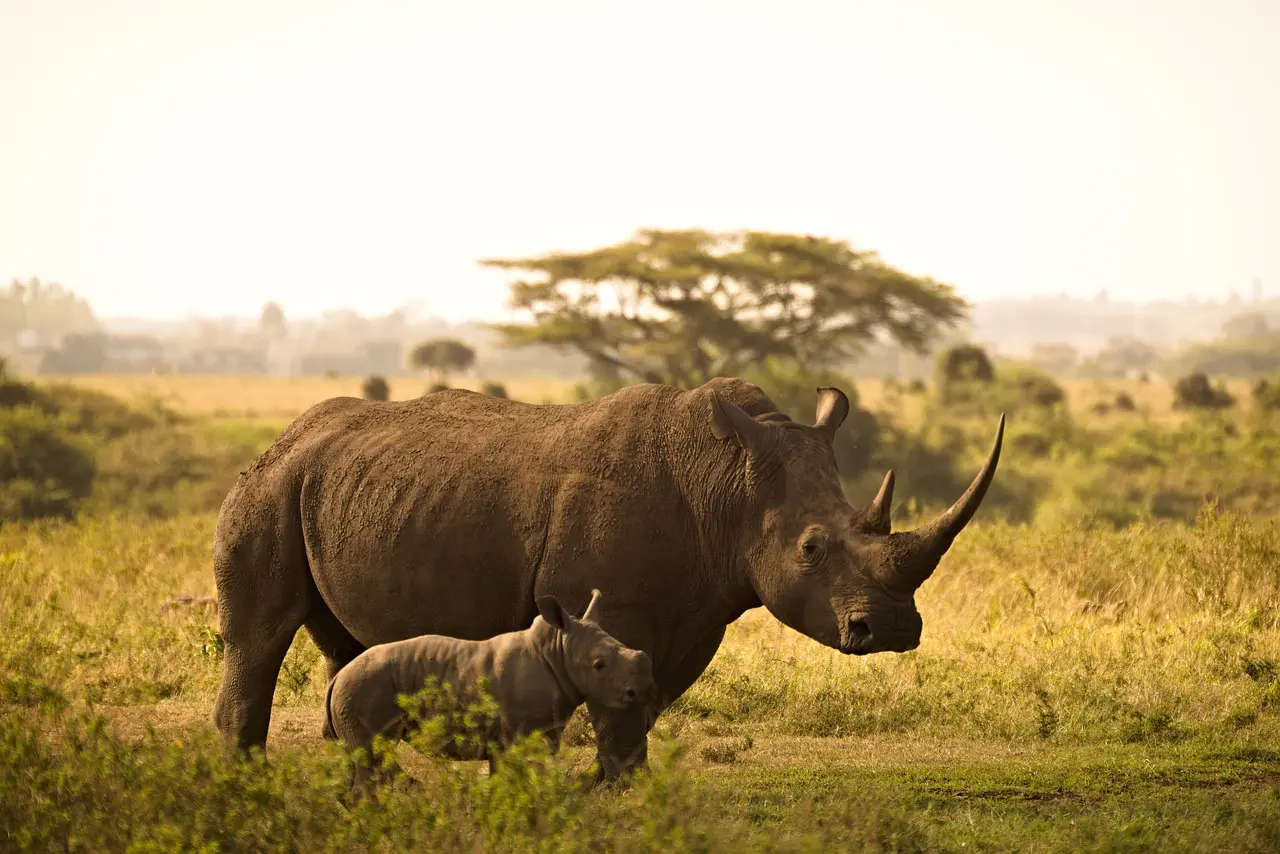
Rhino conservation is one of Africa’s most damning wildlife stories.
Both black and white rhinos have faced catastrophic pressure from poaching, and the work to protect them involves incessant ranger patrols, intelligence networks, veterinary care, community engagement and sustained funding.
One of the best places to learn more about rhino conservation is South Africa.
Advice from Our Travel Consultants
Look for experiences that are transparent about where your money goes and that are led by the conservation teams themselves.
You should also ask whether the visit supports ranger welfare, anti-poaching operations, community projects or habitat restoration.
And End Your Time in Africa by the Ocean
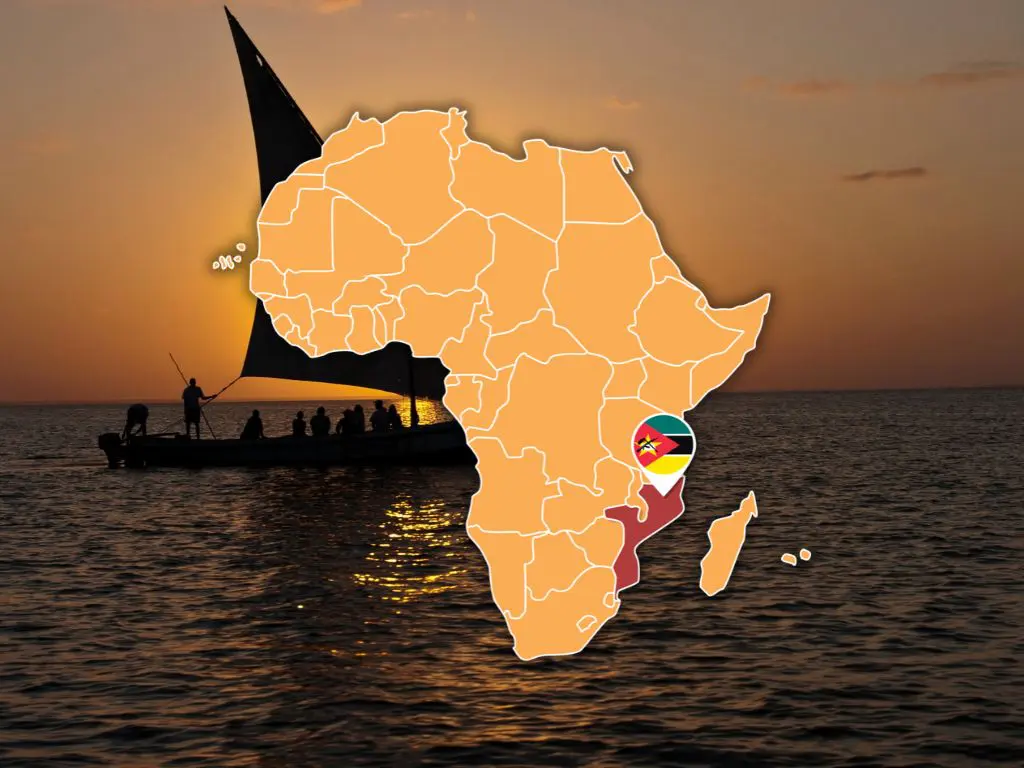
After days in the bush, driving on rough roads and enduring the heat, the Indian Ocean is an oasis.
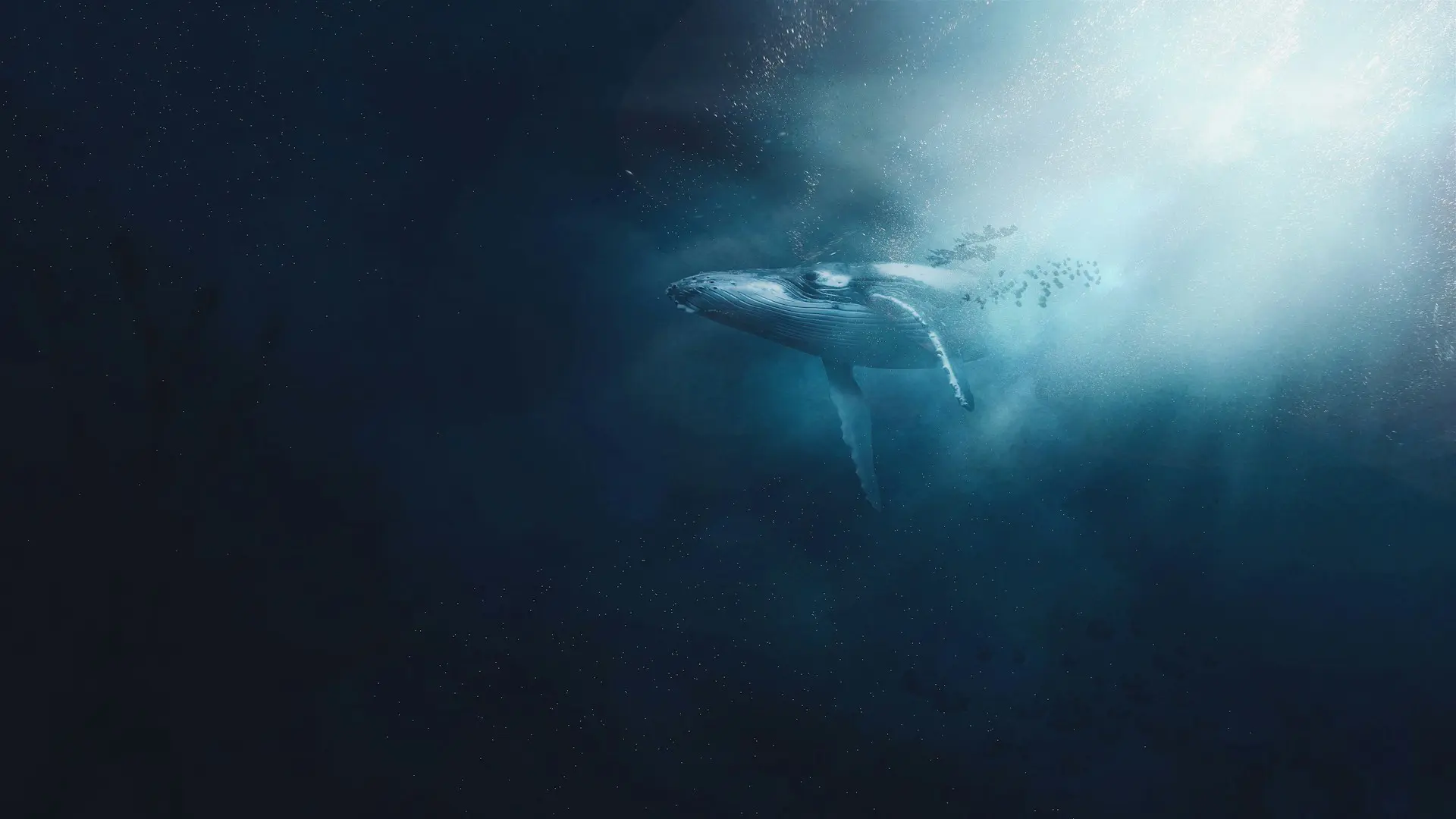
Along South Africa’s Whale Coast, on Mozambique’s Bazaruto Archipelago, or off the coast of Tanzania, in beautiful Zanzibar, you’ll have a completely different wildlife experience one that can include seeing whales breach the waters just beyond the breakers, dolphins tracing the wake of your boat, and coral reefs that are home to a world as vivid as any game reserve.
South Africa’s Wild Coast, near Hermanus, is one of the world’s great land-based whale-watching destinations, particularly for southern right whales, which migrate to the warmer coastal waters to breed and calve.
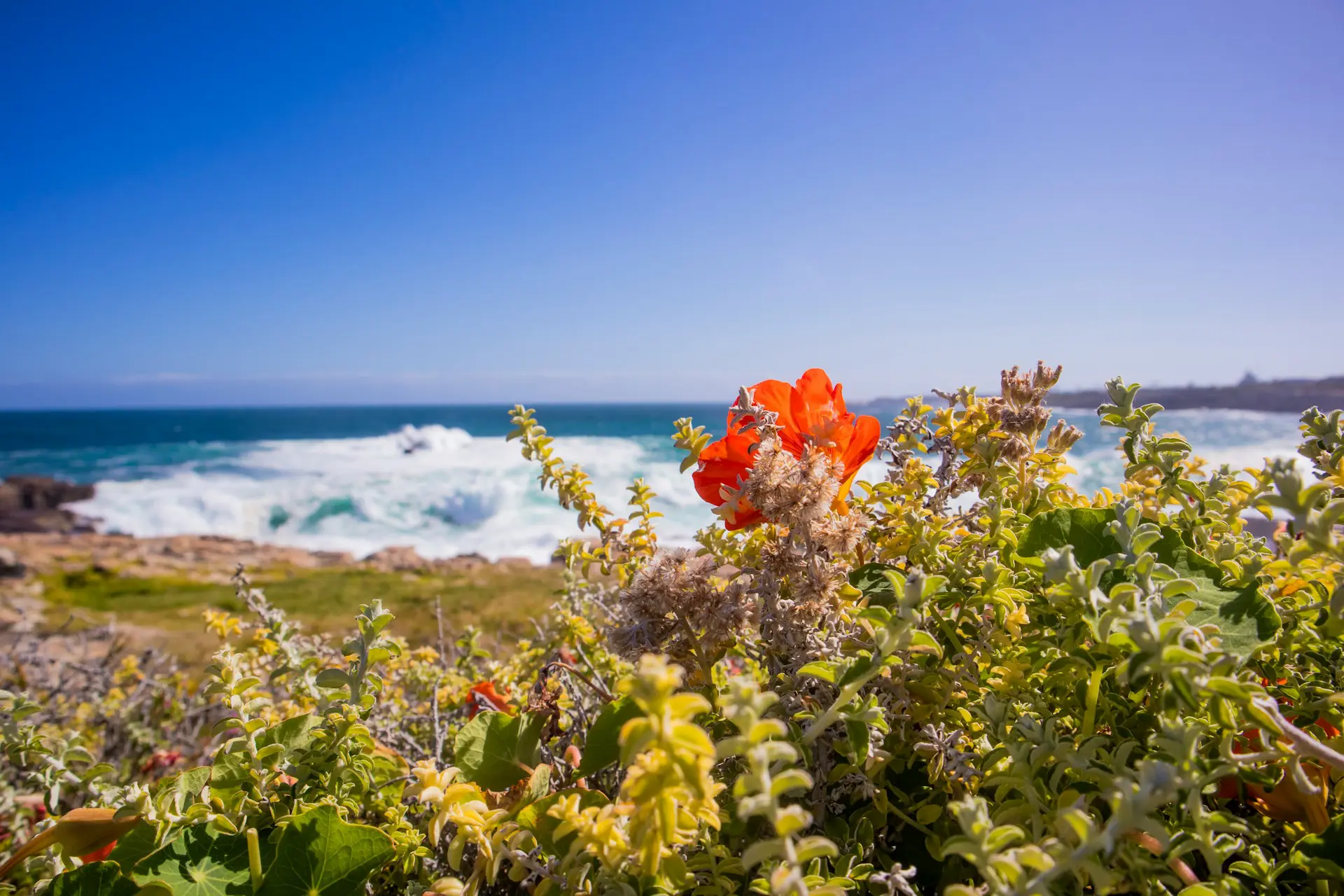
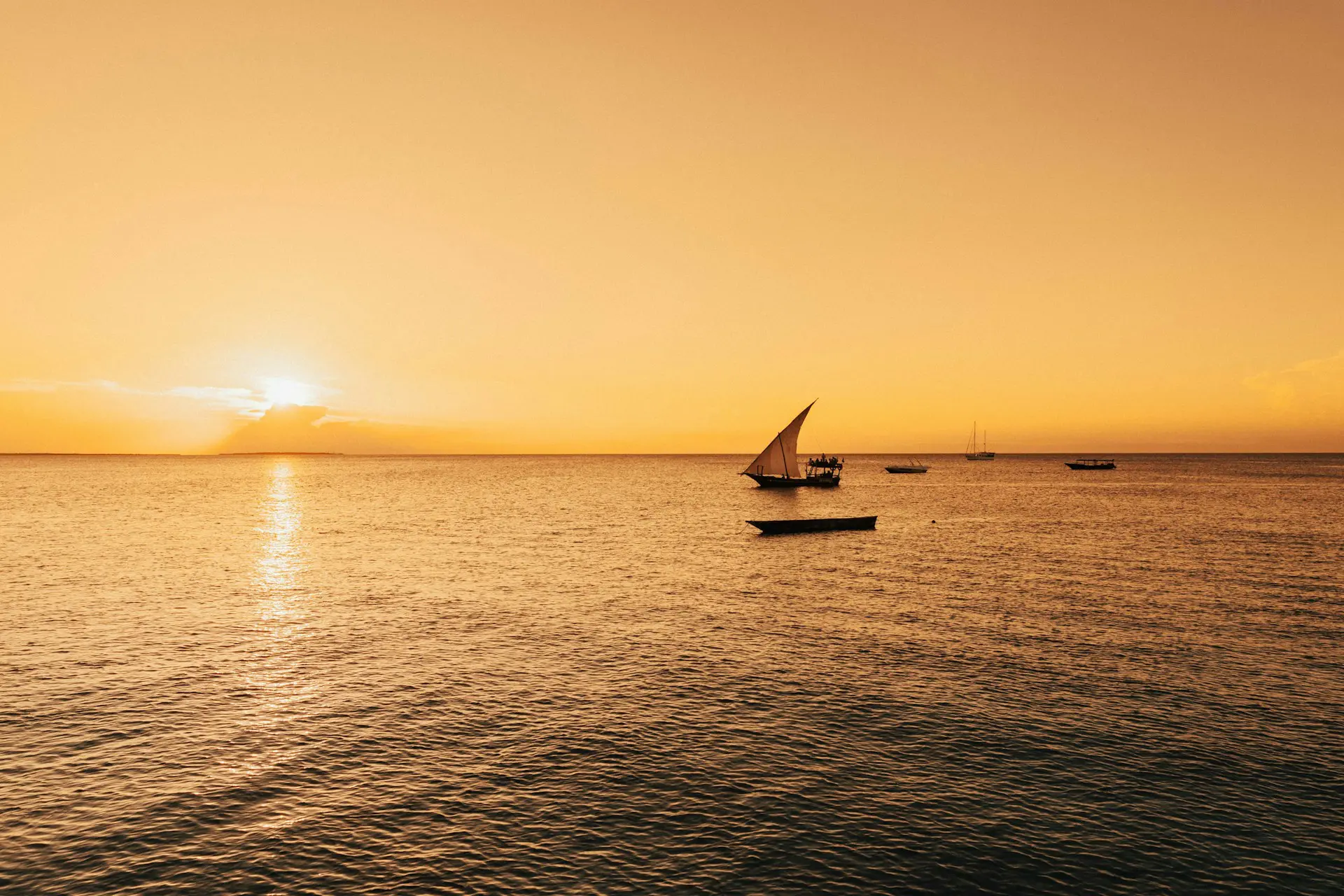
Mozambique’s Bazaruto Archipelago and Tanzania’s Indian Ocean coast are known for coral reefs, turtles, dolphins, dugongs and an extraordinary array of fish.
For honeymooners, families and travellers who want a complete African tour, spending time on safari and then at the sea creates a beautiful final chapter to what is sure to be one of the best stories of your life.
You’ll have dusty roads, golden light and wildlife on one hand and turquoise water, white sand and indulgent beach days on the other.
Advice from Our Travel Consultants
For an easy bush-and-beach trip, you should choose a coastal destination that is easy to reach from your final safari camp.
Mozambique pairs beautifully with Botswana, Zimbabwe or South Africa; Zanzibar pairs naturally with Tanzania; and South Africa’s Whale Coast works exceptionally well after a safari in the Eastern Cape (Addo Elephant Park) or the Garden Route.
Southern right whales are typically seen along South Africa’s coast from around June to November, though sightings vary by year and location.
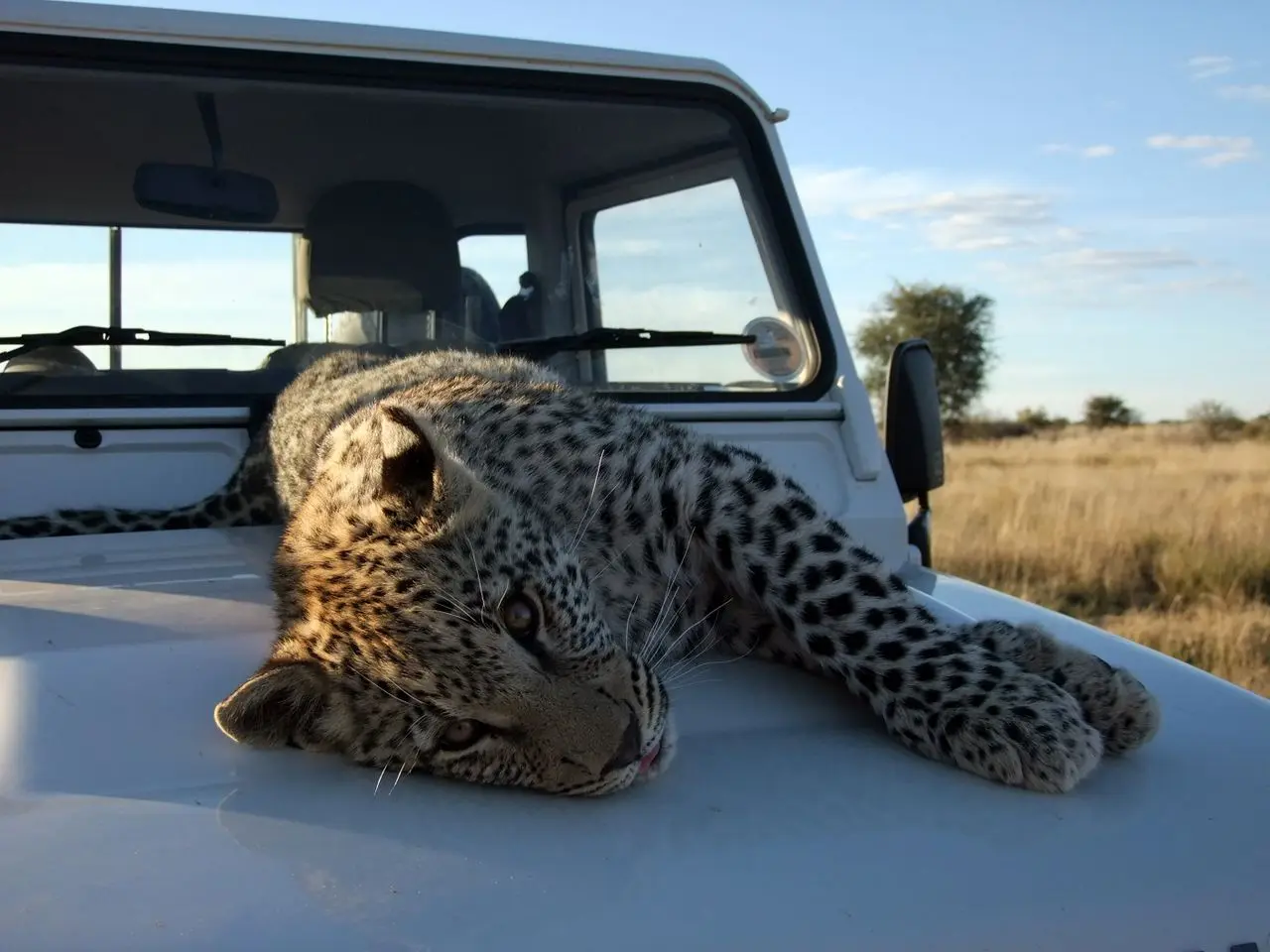
The best African holidays are not necessarily the ones that will have you following the crowd.
They are the ones that will take you to the most unexpected places, where you’ll have the most extraordinary wildlife encounters.
As Africa’s foremost travel experts, we can create an unforgettable tour, one that is luxurious, unique, and filled with moving wildlife sightings.
Come Face to Face With Wild Africa
You can read about it, or you can stand ten metres from it. We know which option we would choose…