Table of contents
Africa is huge, and that is both a blessing and a curse for travellers, at least travellers who are unprepared.
On the one hand, its size allows you to see and do more, as long as you give yourself enough time. But on the other hand, its size can leave you feeling as though you are seeing the continent in a hurry.
Over a 12-day tour, you could find yourself spending half the day travelling, only to spend a single day, or even a handful of hours in one place.
It doesn’t do much for your wanderlust and, in all honesty, the pace can leave you drained and irritable.
This is perhaps why in recent years more and more travellers have sought out the slower, more intimate experiences, putting slow safaris firmly on the map.
What is a Slow Safari?
Safaris are meant to be slow and relaxed.
The “first safari” is widely believed to have been undertaken by François Levaillant, a French naturalist and ornithologist, who took his time on expeditions around the Cape of Good Hope. Unlike his peers, he sought to find animals and plants alive and in their natural habitats.
Considering most means of transport way back then meant donkey cart or horseback, there was no way that a safari could be fast.
He took his time making his observations, and that allowed him to eventually write books on his experiences and what he came across.
Safaris have come a long way since then, and they have only become busier and busier, as travel agencies and tourists sought to add as much as they could into a single trip.
While Africa might be a once-in-a-lifetime experience, you can still see and do a lot without rushing through it at breakneck speed.
A slow safari goes by several names, though the idea stays the same.
Some operators call it a long-stay safari. Others say wellness safari, immersive safari or slow travel safari, and a handful simply call it a considered or tailored itinerary.
Most of them will describe the same thing, though: fewer camps or just one lodge, more nights in each, and days spent enjoying the wildlife and scenery rather than sitting for hours in a car as you transfer to the 3rd destination in 3 days.
And slow safaris are not slow in the sense of having less to do.
A 5-night stay in 1 private concession can include an early morning bush walk, a lazy lunch under a marula tree, an afternoon on the water, a night drive and a delicious dinner, all without the packing and repacking that comes with a busy safari.
Slow safaris have become one of the biggest travel trends for 2026, with their popularity set to continue into 2027.
The African Tourism Travel Association’s 2026 Africa travel trends report points to a considerable increase in longer safaris in fewer locations, with private conservancies, like Sabi Sands, increasingly chosen over high-traffic parks, like the Kruger, for instance.
American safari bookings for slow safaris have risen by 22 per cent in a single year.
And on the ground, guides are talking about the same thing, as they have more requests from clients wanting to linger longer at sightings.
Which Countries Are Best for a Slow Safari?
For some African nations, slow safaris have just always been the modus.
In places like Tanzania, the destinations are often so far apart that it makes sense to choose a luxury lodge and then just travel in the area around it.
In other nations, like South Africa, the slow safari is only now being adopted with a good dose of zest, as travellers have become more desirous of a slower trip.
You’ll probably find a slow safari option in most African nations, but these countries do it best:
Botswana
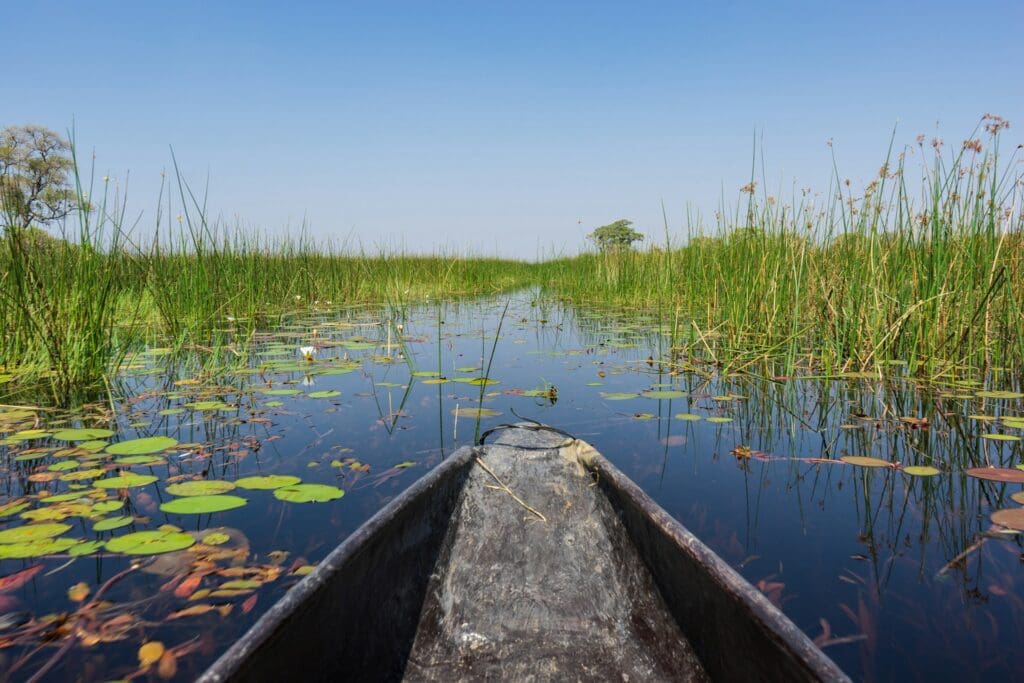
Botswana is the darling of the safari scene.
The country famously dedicates as much as 40% of its land to wildlife conservation and management, and the government permits only a few tourists to travel through the country at a time. This is why you’ll never find a crowd while you’re floating through the Okavango on a mokoro.
It is common for guests to spend 5 or 6 nights in one area of the delta, and in some cases, travellers set aside as much as 1 whole month to see Botswana, travelling through the delta and also making time for Chobe National Park and Nxai Pan.
Where to go
For your slow safari, the best places to visit are the private concessions fringing the Okavango Delta, among them Selinda in the north and the Vumbura area further south.

Zambia
One could say that Zambia pioneered the slow safari, as this was the first country in the safari circuit to introduce walking safaris to itineraries.
On a walking safari, it is impossible to rush, as the tracker needs to take time reading the spoor in the sand, and footsteps need to be light, lest you make a noise and scare away the wildlife.
South Luangwa’s high concentration of leopards makes it an excellent destination for travellers who’d like to settle into one camp for several nights rather than chasing sightings across a wider area.
Zambia can also give you access to the Victoria Falls, which can make for a lovely added attraction to the start or end of a slow safari.
Where to go
South Luangwa, where the walking safari was pioneered decades ago, or the quieter Lower Zambezi if you’d like to go canoeing on the river.

Namibia
The great distances between the various attractions in Namibia are enough to make you prefer a slow safari over a rushed one.
Lodges are hours apart across landscapes with almost no other traffic, so many travellers naturally like to settle in rather than move on.
Namibia is a destination for every type of traveller; you can go on a slow safari in Etosha National Park and pair it with a trip to NamibRand Nature Reserve, where you’ll be treated to some of the world’s best stargazing.
The ideal amount of time to spend in one place in Namibia is 3 to 4 days, while much like Botswana, staying a whole month will give you the ultimate slow safari experience.
Where to go
Damaraland for desert-adapted elephant and rhino tracking, and a few nights in the NamibRand Nature Reserve.
South Africa
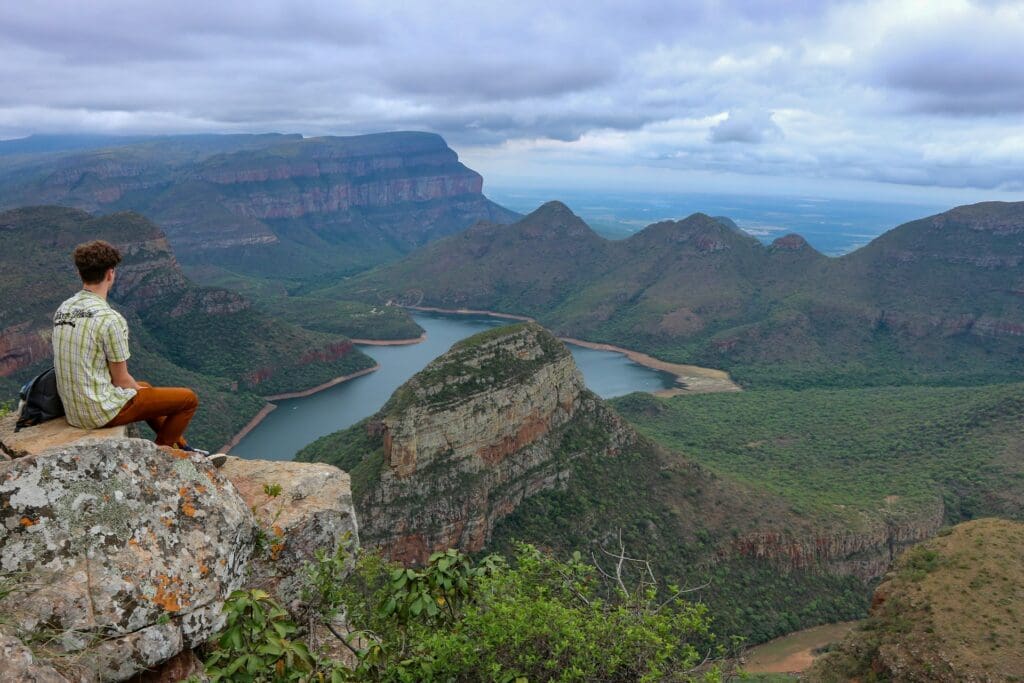
South Africa is one of Africa’s most safari-diverse landscapes. It has mountains, forests, beaches and plenty of places where you can go on a wildlife safari.
The best slow safaris, though, happen around the Kruger National Park, in private conservancies.
Without fences stopping wildlife from following their historical migratory paths, and with guides given a lot more freedom to follow a sighting off-road and across boundaries that most public reserves cannot cross, a slow safari in a private conservation area tends to be a lot more fruitful.
There are also generally fewer vehicles per sighting and exclusive night drives.
South Africa’s private concessions also tend to be a lot more easily accessible, so you can arrive in Joburg in the early morning and be enjoying lion sightings by lunchtime.
The country is also unique in that its accessibility allows your slow safari to include a couple of destinations while keeping the transfers between the destinations quick and easy. 3 days in Sabi Sands, 3 days in the beautiful Cape Winelands, and a few days on the Wild Coast or Garden Route are very much realistic, and won’t leave you feeling drained.
Where to go
The private concession areas bordering the Kruger, particularly Sabi Sand and Timbavati.
Rwanda
Africa’s rising attraction and a place that has survived terrible odds, Rwanda is not a country that comes to mind for most travellers planning a safari of any kind, but it should, because this is one extraordinary destination.
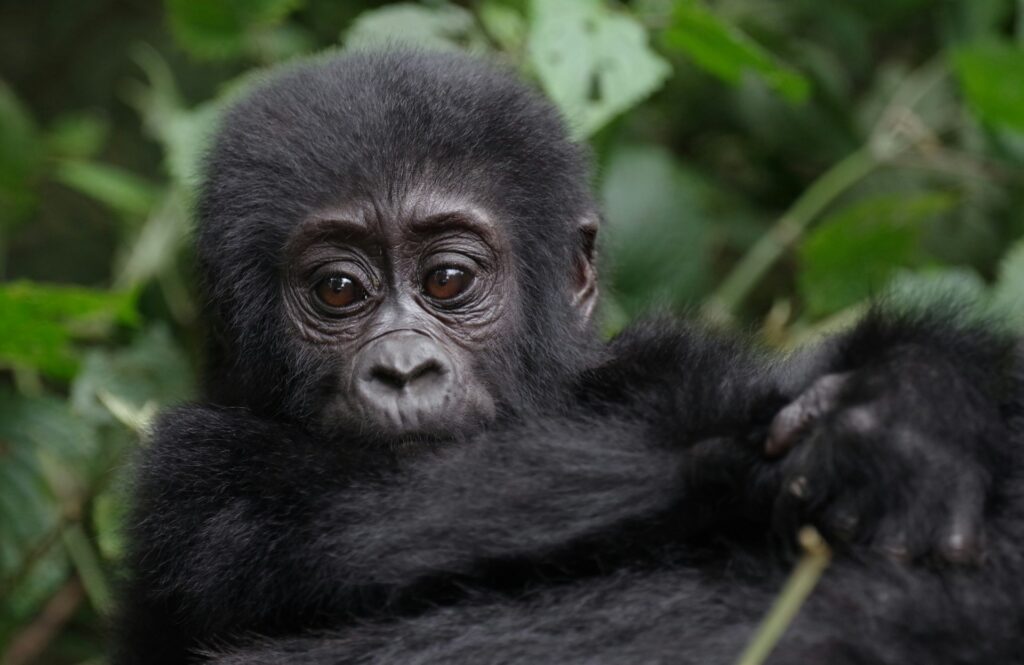
Rwanda has become famous for its gorilla trekking tours, which embody the slow safari mantra.
You’ll need a permit to go on these tours, which will see you spending time with a gorilla family, tracked in near silence through thick forest.
You can include a gorilla trekking holiday with a few lakeside days or a canopy walk in Nyungwe. This kind of combination turns what many travellers still treat as a 2-day tick off a list into a proper, slow week.
Where to go
Volcanoes National Park for gorilla trekking, extended with a few nights beside Lake Kivu or in the Nyungwe rainforest.
The Best Season for a Slow Safari
A slow safari does not chase through a single perfect week the way a faster-paced or shorter trip sometimes has to.
With more nights to work with, your calendar becomes less about seeing everything in one narrow window and more about choosing what kind of days you want to have.
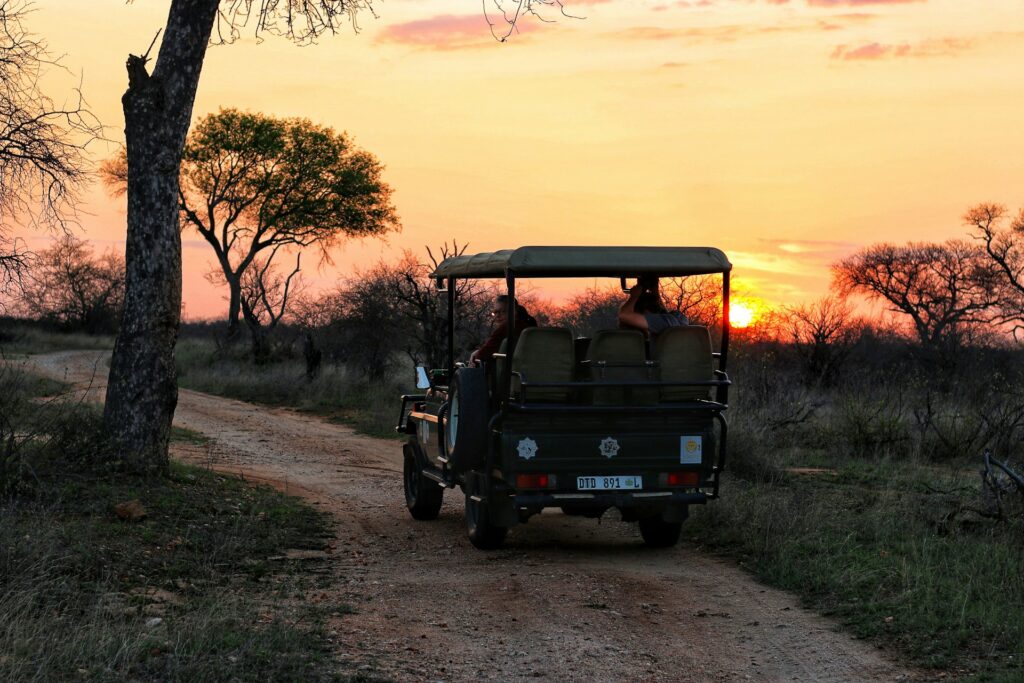
The dry months, which are from roughly June to October across southern and East Africa, attract animals to the shrinking water sources and thin out the bush, which is why these months are still the classic choice for concentrated game viewing.
The green season that follows, from November through March, brings newborn impala and wildebeest, dramatic skies, and birdlife that only shows up once the rains return.
For travellers planning a longer stay, the shoulder months of April, May, September and October often make the most sense.
Lodges and camps have very few guests, rates ease slightly before the peak crowds arrive, and there is enough movement in the bush to keep several slow days interesting without a single one feeling repeated.
Gorilla trekking in Rwanda mostly carry on year-round, though the drier stretches from June to September and December to February make for easier walking through Nyungwe and the Virungas.
The Bush and Beach Break
While on the topic of slow safaris, the bush and beach break is something you should have a look at, especially if your holiday is one that will cover a longer stretch.
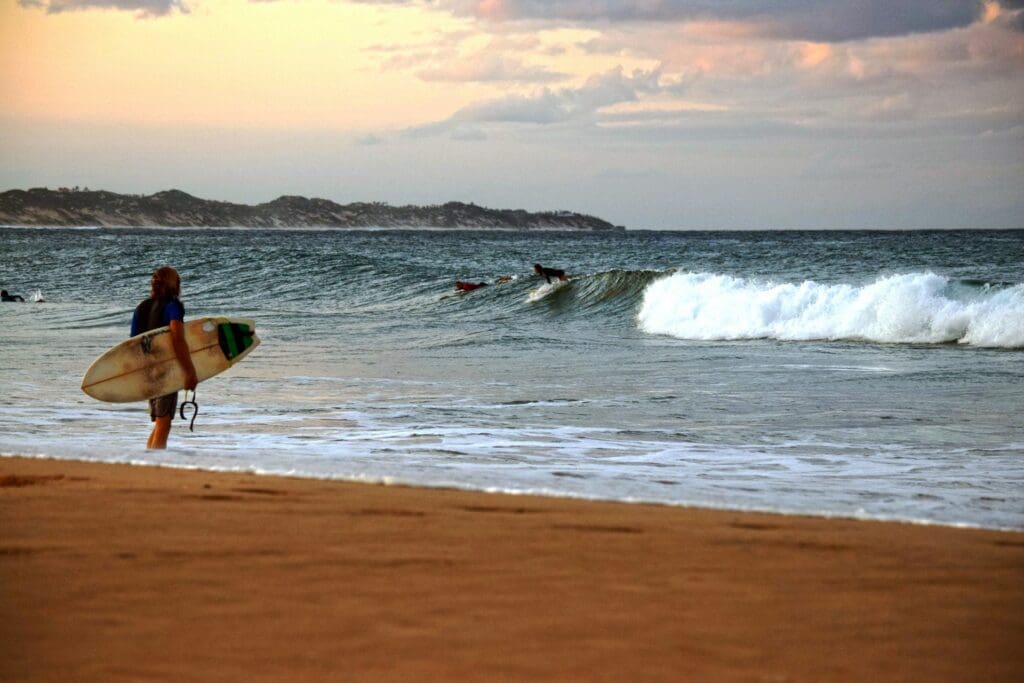
After a week or two of early starts, dust and long lenses, a few days by the Indian Ocean, on Zanzibar’s Swahili coast, among the sandbanks of Mozambique’s Bazaruto Archipelago, or on the granite islands of the Seychelles, are a great way to let the body catch up with everything the mind has taken in.
It is not about adding another destination to tick off.
The whole point of slowing down is choosing fewer moves, not more, so a bush and beach combination tends to work best as two long stops rather than several short ones.
A private guide in the bush, then nothing more pressing than tide times, are two halves of a tour that will allow you to stay a while and let the place come to you.
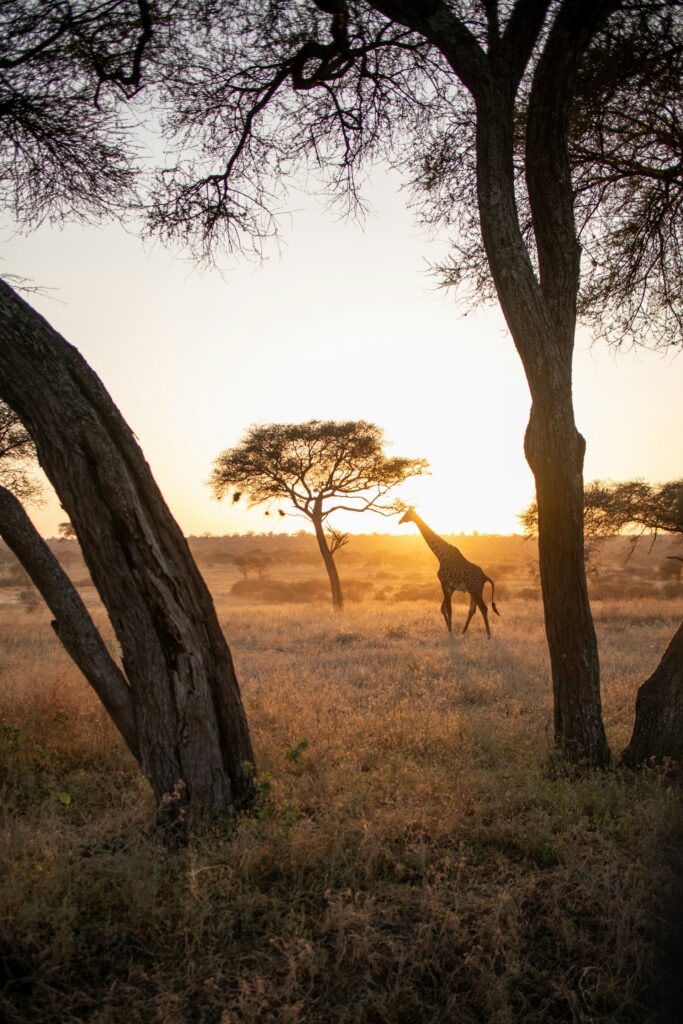
Give Yourself Over to Africa Time
A slow safari means spending several nights in each camp rather than moving every day or two, so the itinerary is built around fewer locations and more time to let each place unfold, rather than a fixed circuit of parks and reserves.
Most operators suggest at least seven nights across two or three camps as a starting point. 2 to 3 week itineraries spanning several countries have become increasingly common among travellers building a real, slow multi-destination trip.
Not necessarily per night, since many camps built for longer stays price similarly to shorter circuit safaris. The total cost usually rises simply because the trip itself is longer, though staying in fewer camps can offset some of that through reduced internal flights and transfers.
Botswana and Zambia are often recommended for first-timers, since both built their tourism models around long stays in low-volume camps from the outset, making it easier to settle into an unhurried pace without needing to plan around it.
Yes. A bush and beach break, spending a week or so on safari followed by several days on the coast in destinations such as Zanzibar or Mozambique, is one of the more popular ways to extend a longer African itinerary without adding another rushed leg.